
Piling Equipment Trends Reducing Site Risk in 2026

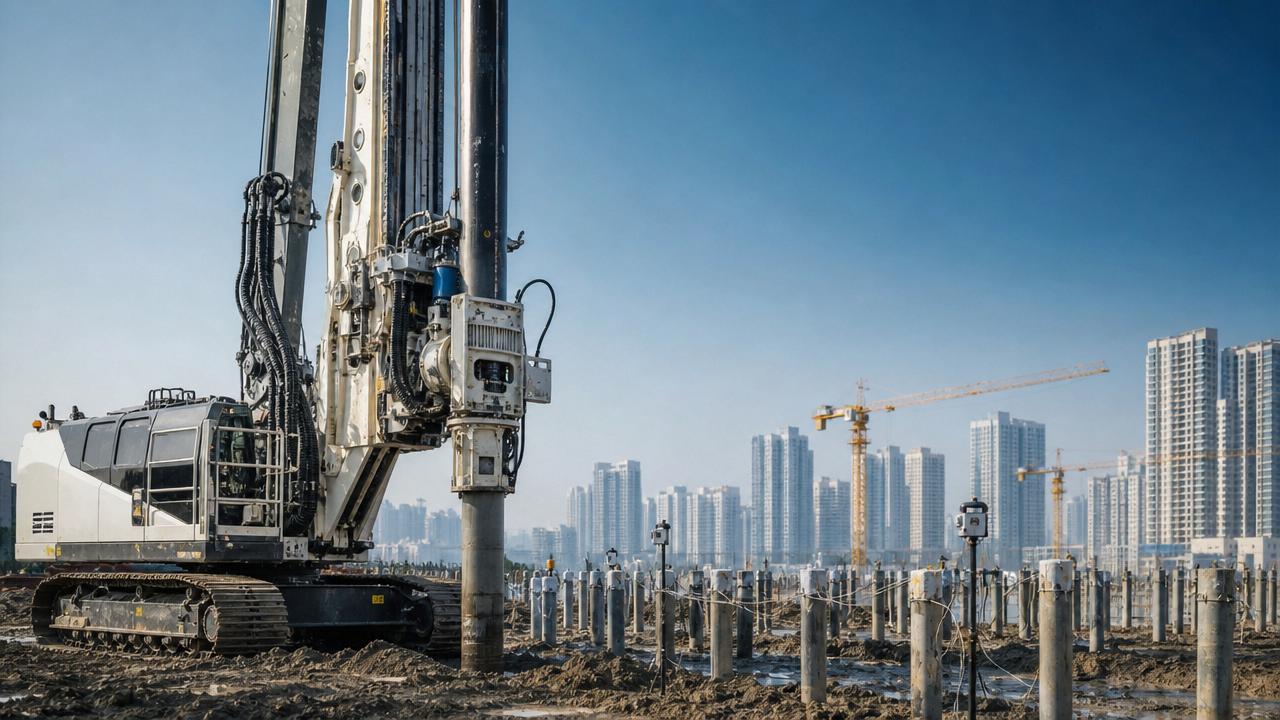
Site Risk Is Becoming the Main Lens for Piling Decisions
In 2026, piling equipment trends are moving beyond raw driving force and drilling depth.
The stronger signal is risk reduction across ground uncertainty, machine behavior, crew exposure, and foundation quality.
For deep foundation projects, this shift matters because defects below ground are expensive to verify and difficult to correct.
A misaligned pile, uncontrolled vibration, or hidden hydraulic fault can affect schedule, safety, and structural reliability.
That is why piling equipment trends now focus on measurable control instead of operator judgment alone.
Modern systems combine sensors, automation, energy management, and digital records to prevent small deviations from becoming site incidents.
This is especially important on urban projects, transport corridors, ports, industrial plants, and high-rise foundations.
These sites often face complex geology, limited space, strict noise rules, and high expectations for traceable construction quality.
From DFCS’s view of underground engineering, the foundation equipment sector is becoming an intelligence-driven risk system.
Piling machines are no longer only “stabilizing needles” for buildings; they are becoming data sources for safer decisions.
What the 2026 Piling Equipment Trends Really Mean
The phrase piling equipment trends covers more than new models or higher-rated machines.
It describes how rigs, hammers, presses, vibratory drivers, and drilling platforms are being redesigned around control.
The core idea is simple: reduce uncertainty before it reaches the pile, the crew, or the surrounding environment.
Older workflows depended heavily on experience, manual logs, and periodic checks.
Those methods still matter, but they struggle when sites become denser and specifications become tighter.
Current piling equipment trends place more emphasis on continuous measurement and immediate feedback.
Typical signals include mast inclination, torque, penetration rate, hammer energy, vibration level, hydraulic pressure, and pile position.
When these signals are recorded together, teams can understand what happened underground with much greater confidence.
That confidence supports quality records, claim management, equipment maintenance, and construction safety reviews.
It also makes piling equipment trends relevant to concrete systems and rotary drilling, not only pile driving machinery.
Foundation risk often begins where ground behavior, machine capability, and concrete delivery intersect.
Sensor-Driven Monitoring Is Reducing Blind Zones
One of the strongest piling equipment trends is the move toward sensor-rich machines.
The goal is not to collect data for decoration, but to expose risk while work is still adjustable.
For example, continuous mast angle monitoring can warn before pile verticality moves beyond project tolerance.
Torque and crowd force trends can show when the tool meets cobbles, dense sand, or unexpected hard layers.
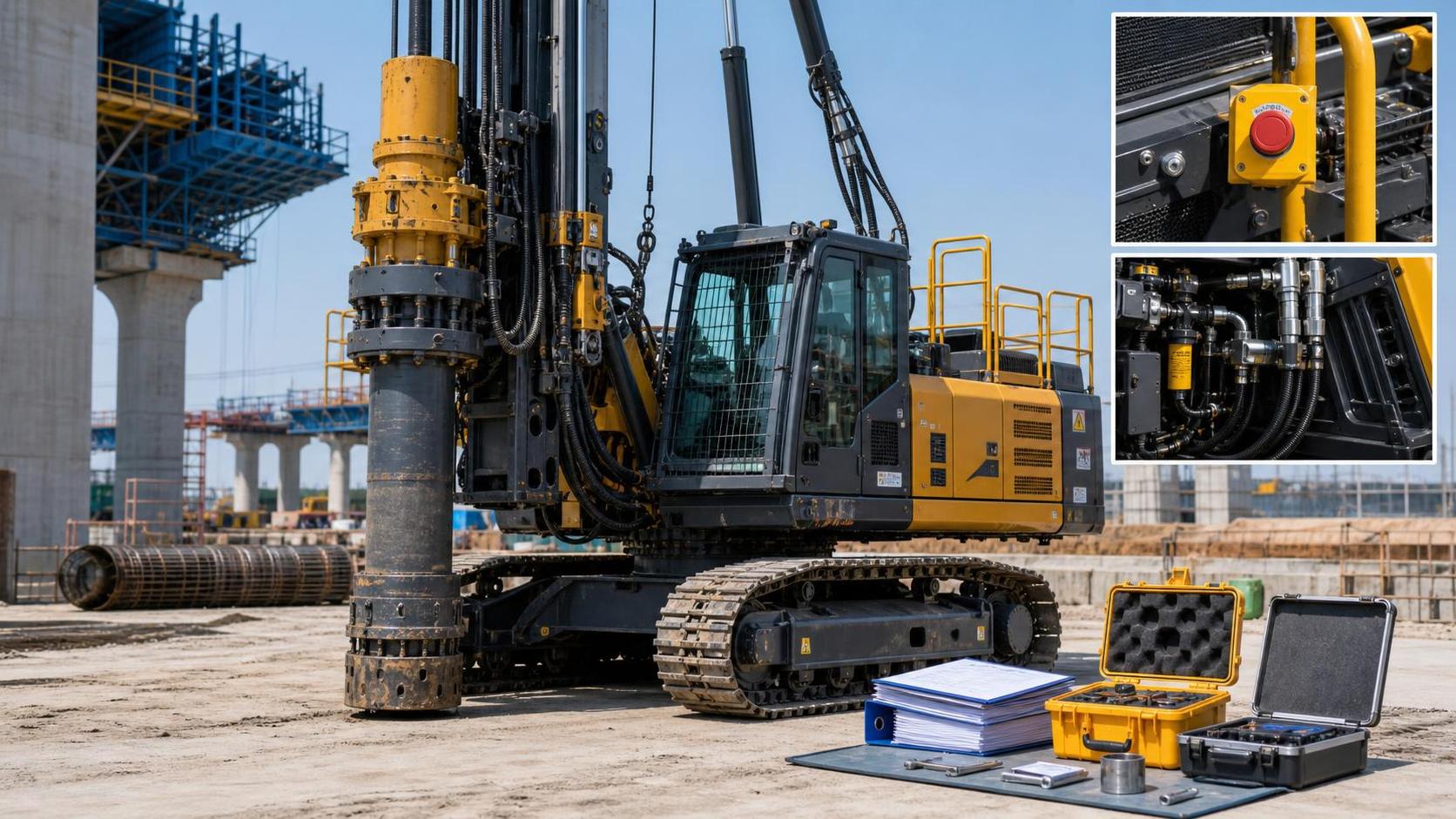
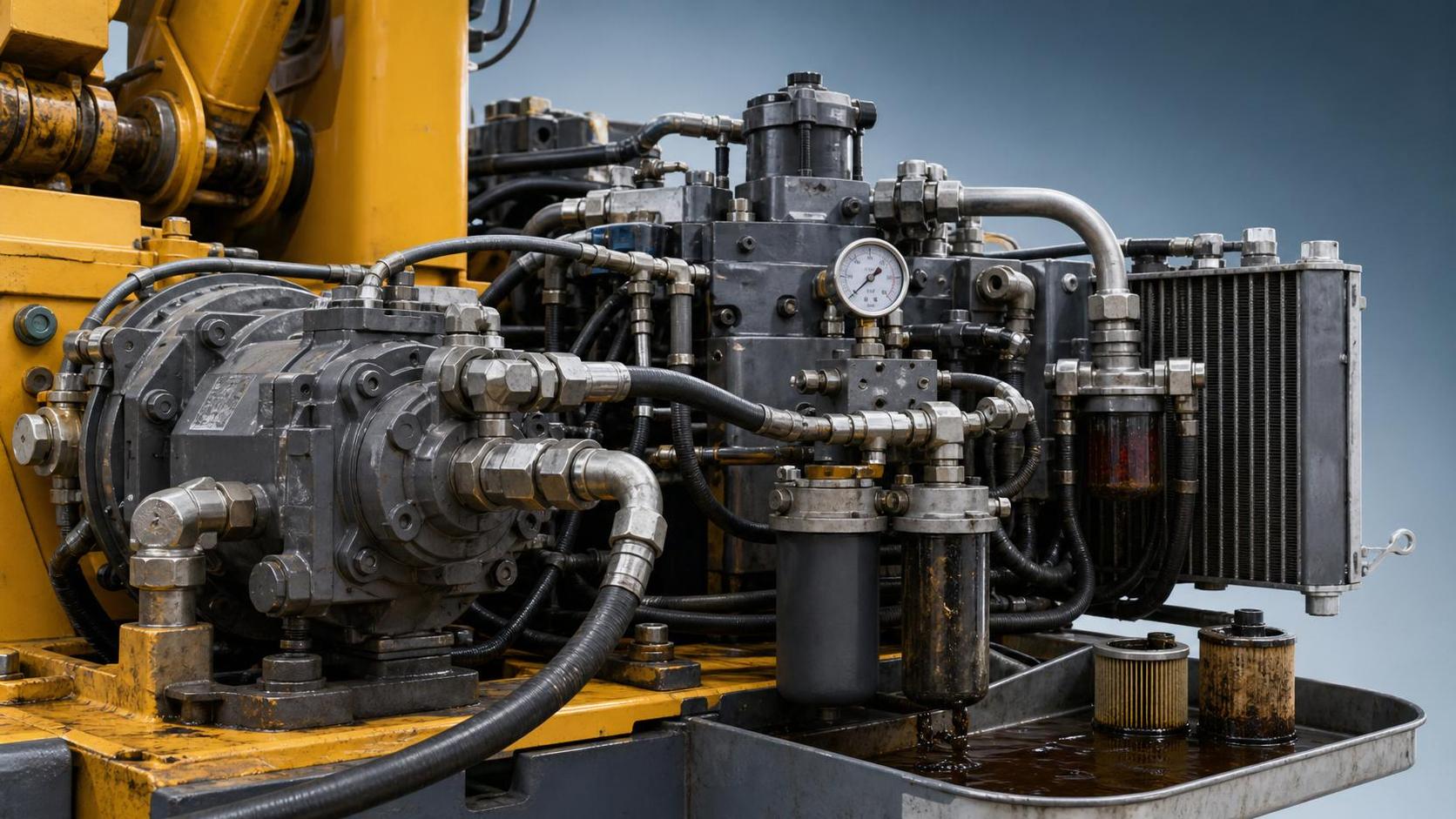
Hydraulic pressure patterns may reveal overload, leakage risk, or operating habits that shorten component life.
In practical terms, these piling equipment trends turn the machine into an early-warning platform.
A dashboard can flag abnormal conditions before a pile is rejected or a component fails under load.
This is particularly valuable where ground investigation data is limited or variable across the site.
The benefit is not only faster reaction; it is better evidence.
When records show machine status and pile progress together, quality decisions become less subjective.
Common monitored risk indicators
Automation Is Improving Repeatability, Not Replacing Judgment
Another major direction in piling equipment trends is practical automation.
The useful forms are usually targeted, not fully autonomous construction without supervision.
Automated pile positioning, assisted alignment, controlled hammer energy, and guided drilling cycles are becoming more common.
These functions help remove variation from repetitive work, especially on large pile groups.
They also reduce fatigue-related mistakes during long shifts or high-production schedules.
The best piling equipment trends in automation focus on decision support rather than blind machine control.
For instance, alignment assistance can recommend corrections while still allowing site-level judgment.
Energy control can keep driving within approved limits while adapting to changing resistance.
This balance matters because ground conditions are rarely uniform.
Automation should reduce avoidable variation without hiding unusual conditions that require technical review.
Low-Noise and Low-Vibration Methods Are Moving Faster
Urban work is reshaping piling equipment trends more strongly than many other market forces.
Dense neighborhoods, rail corridors, hospitals, schools, and heritage structures leave little tolerance for uncontrolled disturbance.
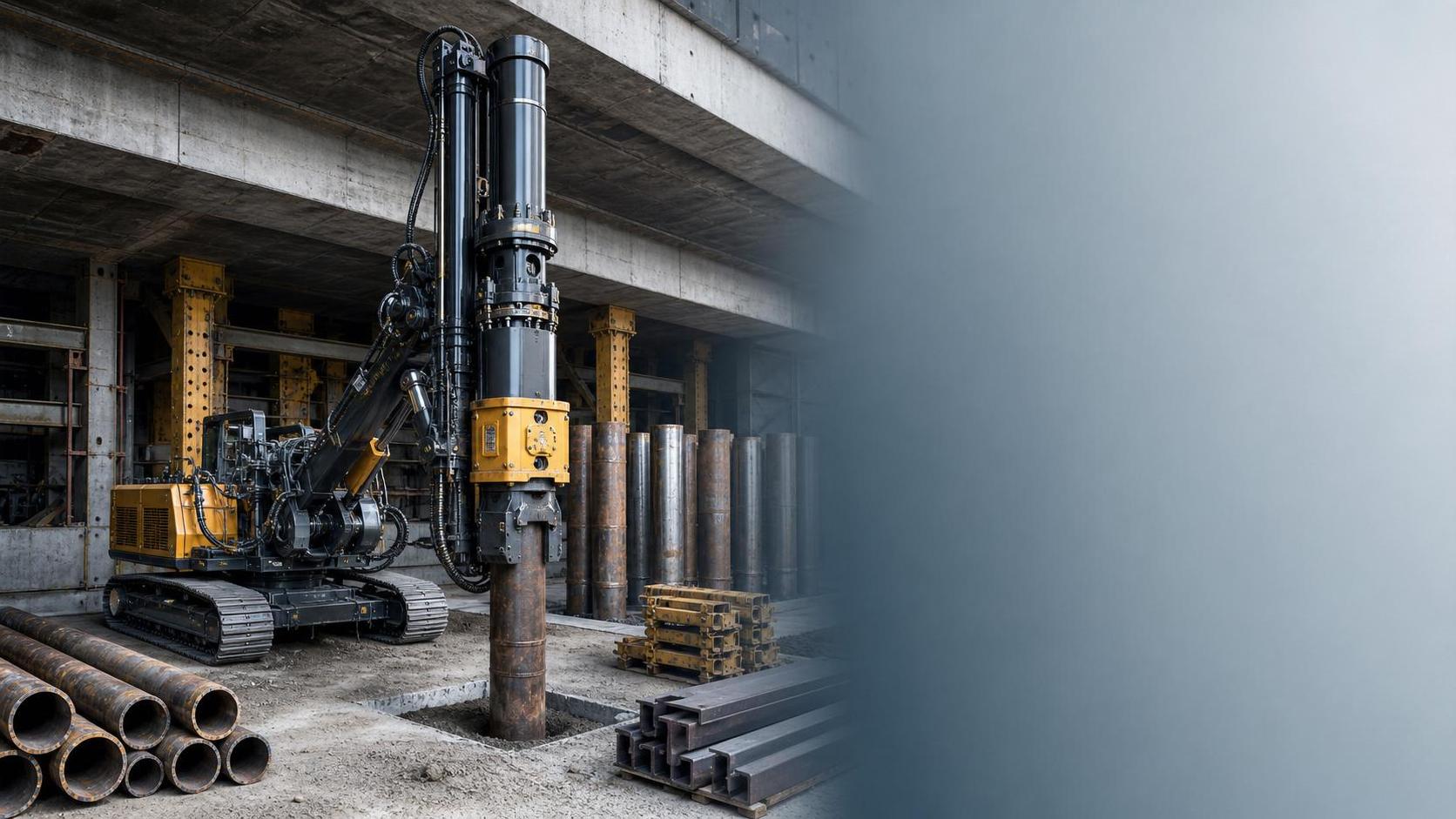
Hydraulic static pressing has gained attention because it can install prefabricated piles with lower noise and vibration.
Vibratory systems are also becoming more controlled, with frequency management and better real-time monitoring.
These piling equipment trends help reduce complaints, stoppages, and risks to adjacent assets.
However, low disturbance does not automatically mean low risk.
Static pressing still requires careful assessment of reaction force, pile capacity, soil squeezing, and access constraints.
Vibratory methods still require monitoring of resonance risk and settlement-sensitive surroundings.
The practical value lies in matching the method to site sensitivity, not choosing one technology everywhere.
In that sense, piling equipment trends are improving method selection as much as machine design.
Predictive Maintenance Is Becoming a Safety Control
Equipment failure on a foundation site is rarely only a downtime issue.
A failed hose, worn bearing, unstable clamp, or overheating power unit can create immediate site hazards.
That is why predictive maintenance is now part of piling equipment trends related to safety.
Instead of relying only on service intervals, machines increasingly track vibration, temperature, pressure, and operating cycles.
This allows maintenance planning to reflect actual workload and stress.
A rig working through hard rock or dense gravel should not be treated like one operating in soft clay.
The same logic applies to rotary drilling rigs, hydraulic presses, and high-frequency vibratory drivers.
Across DFCS intelligence themes, lifecycle efficiency depends on understanding wear before it interrupts construction.
The most useful piling equipment trends connect maintenance data with work history and ground conditions.
That connection supports better spare parts planning, safer inspections, and fewer emergency repairs under pressure.
Digital Records Are Changing Quality Verification
Foundation quality depends on what can be proven, not only what was intended.
Digital pile records are therefore one of the most practical piling equipment trends in 2026.
A reliable record can include pile ID, location, depth, force, energy, verticality, time, and machine status.
When concrete works are involved, batching and pumping data can also support complete traceability.
This creates a stronger chain from ground treatment to pile installation and structural concrete placement.
For large projects, digital records reduce arguments caused by incomplete handwritten logs.
They also make trend analysis possible across production zones, shifts, and equipment types.
If refusals cluster in one area, data can guide investigation instead of relying on memory.
If alignment issues appear after certain setup conditions, corrective action can be specific.
These piling equipment trends make quality control more proactive and less dependent on final inspection alone.
Electrification and Energy Control Add a New Risk Dimension
Low-carbon construction is also influencing piling equipment trends, especially in regulated urban markets.
Electric and hybrid systems can reduce local emissions, lower noise, and improve energy efficiency.
This direction aligns with the wider shift across concrete mixer trucks, batching plants, and pumping equipment.
Yet electrification should be assessed through operational risk, not only environmental performance.
Battery endurance, charging logistics, thermal management, and high-voltage safety procedures need clear planning.
Power stability is especially important when machines must maintain precise pressing, drilling, or vibration control.
A weak energy plan can create delays that pressure crews into unsafe shortcuts.
The stronger piling equipment trends therefore combine cleaner power with reliable duty-cycle design.
For projects with strict emission rules, this combination can become a tender advantage and a compliance safeguard.
Where These Trends Create the Most Value
Not every site needs every new function.
The value of piling equipment trends depends on ground complexity, exposure level, and verification requirements.
A high-rise core in soft urban soil has different risks from a bridge foundation in cobbles.
A port expansion faces different constraints from a basement project near existing utilities.
The table below shows where current piling equipment trends often create clearer operational gains.
How to Evaluate Piling Equipment Trends Before Adoption
Technology only reduces risk when it fits the construction method and management system.
Before adopting piling equipment trends, it is useful to examine several practical questions.
- Which site risks need earlier warning: alignment, vibration, refusal, overload, or environmental compliance?
- Can machine data be linked to pile numbers, drawings, inspection records, and acceptance criteria?
- Are operators and supervisors trained to respond to alarms without creating new delays?
- Does the maintenance plan reflect actual duty cycles and geological stress?
- Will the chosen method remain practical under site access, power, and logistics constraints?
These questions help separate useful piling equipment trends from attractive but poorly integrated features.
The strongest equipment decisions usually combine technical capability, data reliability, service support, and project-specific risk mapping.
It is also important to define acceptable thresholds before work begins.
Without clear thresholds, monitoring systems may generate data without changing behavior.
A Practical Direction for Safer Foundation Workflows
The most important piling equipment trends in 2026 are not isolated innovations.
They are part of a broader movement toward safer, traceable, and lower-carbon foundation construction.
Sensor monitoring reduces blind zones, automation improves repeatability, and digital records strengthen quality evidence.
Low-noise methods protect sensitive surroundings, while predictive maintenance lowers the chance of hazardous failures.
Together, these piling equipment trends support a more disciplined approach to underground construction risk.
The next step is to compare equipment choices against actual site exposure, not general market fashion.
Review ground reports, compliance limits, pile tolerances, crew workflows, and data handover requirements together.
Then identify which piling equipment trends can close the clearest risk gaps.
That approach turns equipment selection into a foundation safety strategy, not only a procurement exercise.
Industry Briefing
Get the top 5 industry headlines delivered to your inbox every morning.