
Deep Foundation Solutions: Cost Traps to Check Early

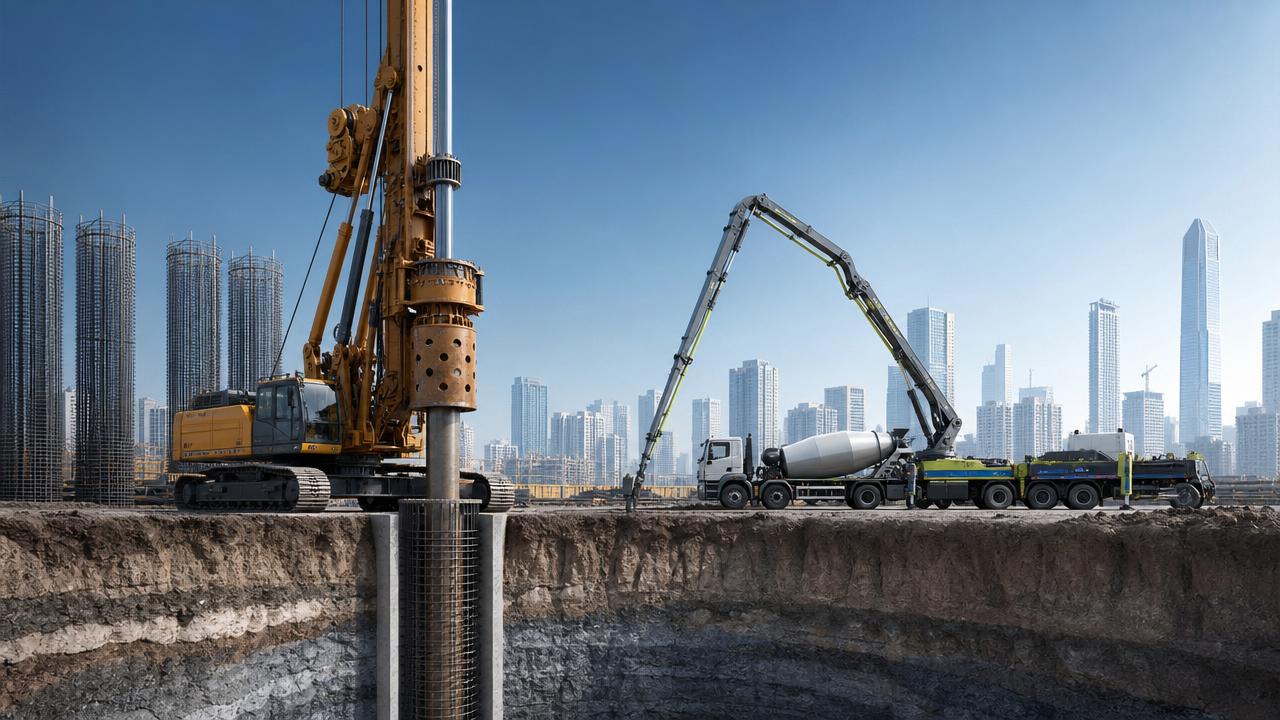
Deep foundation solutions can look predictable on a bid sheet, yet become costly when geology, equipment productivity, spoil handling, testing, and schedule risk collide on site.
Early cost control is not only about choosing the lowest piling or drilling price. It is about finding hidden assumptions before they become change orders.
This guide explains the cost traps to check early, helping project teams compare deep foundation solutions without compromising structural safety or delivery certainty.
Why Deep Foundation Solutions Become Costly in Real Site Scenarios
Deep foundation solutions are selected when shallow foundations cannot safely transfer loads. The reason may be soft soil, high-rise loading, water, or limited urban space.
The cost risk appears because underground conditions are only partly visible before work starts. A small assumption can affect rigs, concrete, steel, labor, and time.
Rotary drilling rigs, piling machinery, concrete batching plants, and pump trucks must work as one chain. If one link fails, productivity drops quickly.
DFCS observes this chain across global projects. The strongest estimates connect geology, equipment capability, concrete logistics, and verification testing from the beginning.
Scenario 1: Urban High-Rise Sites With Tight Access
Urban towers often rely on deep foundation solutions because column loads are high and nearby buildings leave little tolerance for settlement.
The first cost trap is assuming standard rig access. Narrow gates, overhead cables, basement edges, and traffic windows can reduce daily pile output.
Another trap is noise control. Static pressing or low-vibration methods may be required, even if the tender initially mentions driven piles.
Deep foundation solutions in dense cities should include a mobilization plan, turning radius review, crane interface, spoil exit route, and concrete delivery window.
Early checks for compact urban foundations
- Confirm whether piling machinery can enter, rotate, and leave without temporary demolition.
- Check if vibration limits change the preferred deep foundation solutions.
- Verify batching plant distance and pump truck staging time.
- Price night work, permits, traffic control, and restricted deliveries separately.
Scenario 2: Waterfront, Soft Soil, and High Groundwater Projects
Ports, riverfront towers, bridges, and reclaimed land often need deep foundation solutions because bearing layers sit far below weak surface soils.
The cost trap is underestimating water. High groundwater can affect bore stability, slurry consumption, casing length, concrete placement, and pile integrity.
Soft layers may also cause overbreak. More concrete than planned enters the bore, increasing batching demand and pump scheduling pressure.
Deep foundation solutions for these sites should specify slurry management, tremie procedures, cutoff levels, and spoil disposal classification before pricing closes.
Cost assumptions that need evidence
- Expected casing depth, not only final pile depth.
- Slurry volume, recycling method, and environmental treatment cost.
- Concrete overbreak allowance for weak or collapsing strata.
- Pile testing schedule before superstructure work depends on results.
Scenario 3: Hard Rock, Cobbles, and Mixed Ground
Hard rock and cobble layers change the economics of deep foundation solutions. The headline pile rate may hide bit wear, low penetration, and rig downtime.
Rotary drilling rigs may need core barrels, rock augers, casing oscillators, or stronger torque reserves. These are not minor accessories.
Mixed ground creates another trap. A method suitable for clay may stall when boulders appear, forcing redesign or expensive obstruction removal.
Deep foundation solutions in hard formations should be benchmarked by penetration rate, tool life, replacement logistics, and verified rock socket criteria.
When the lowest drilling rate is dangerous
A low unit rate can be misleading if it excludes consumables. Rock tools, teeth, barrels, and repair time can dominate actual cost.
Ask whether deep foundation solutions are priced on assumed meters per shift. Then compare that assumption with nearby bore logs and trial pile data.
Scenario 4: Mega-Infrastructure With Repetitive Pile Quantities
Rail stations, bridges, industrial plants, and energy facilities often use deep foundation solutions at scale. Repetition can reduce cost, but only if production is stable.
The cost trap is treating all piles as identical. Alignment sections may cross different soil, utilities, access zones, and environmental constraints.
Batching plants, mixer trucks, pump trucks, reinforcement cages, and testing crews must match the piling rhythm. One bottleneck can stop several rigs.
For large programs, deep foundation solutions should include a production dashboard, zone-based risk pricing, and spare equipment strategy.
Different Site Scenarios Require Different Cost Questions
Cost Trap 1: Thin Geotechnical Data Behind a Firm Price
Deep foundation solutions depend on soil facts. If boreholes are too few, contractors may price optimism or add broad exclusions.
The dangerous zone is between known and unknown ground. That zone creates claims about obstructions, socket depth, dewatering, and slower progress.
Early review should compare borehole spacing with structural load zones. Heavily loaded cores deserve better data than lightly loaded edges.
Where uncertainty remains, deep foundation solutions should carry measurable allowances instead of vague contingency language.
Cost Trap 2: Equipment Productivity Assumed Without Site Proof
A bid may assume one rig completes a fixed number of piles daily. That number can fail under access limits or changing strata.
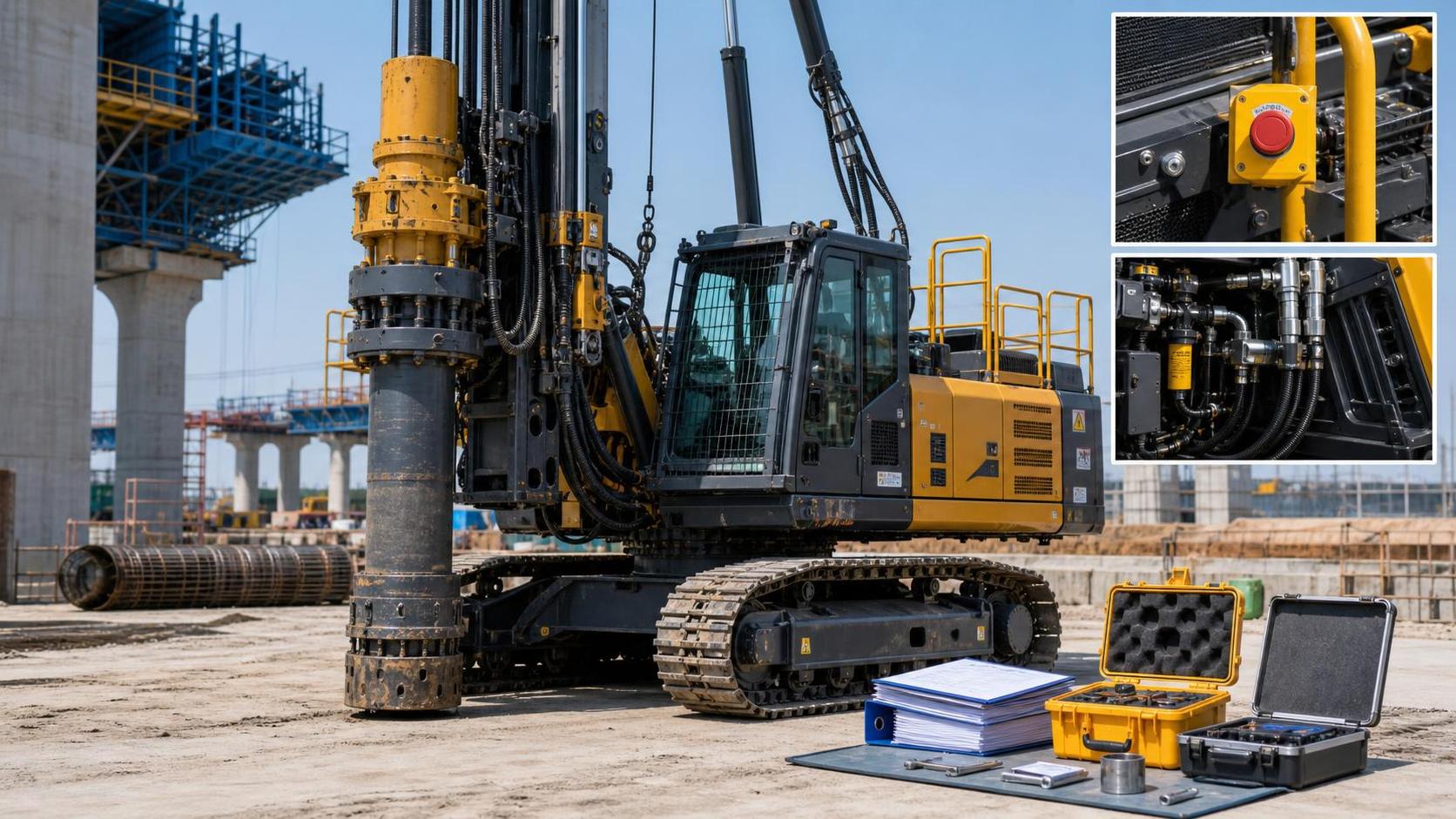
For rotary drilling rigs, productivity depends on torque, crowd force, drilling tools, operator skill, and spoil handling speed.
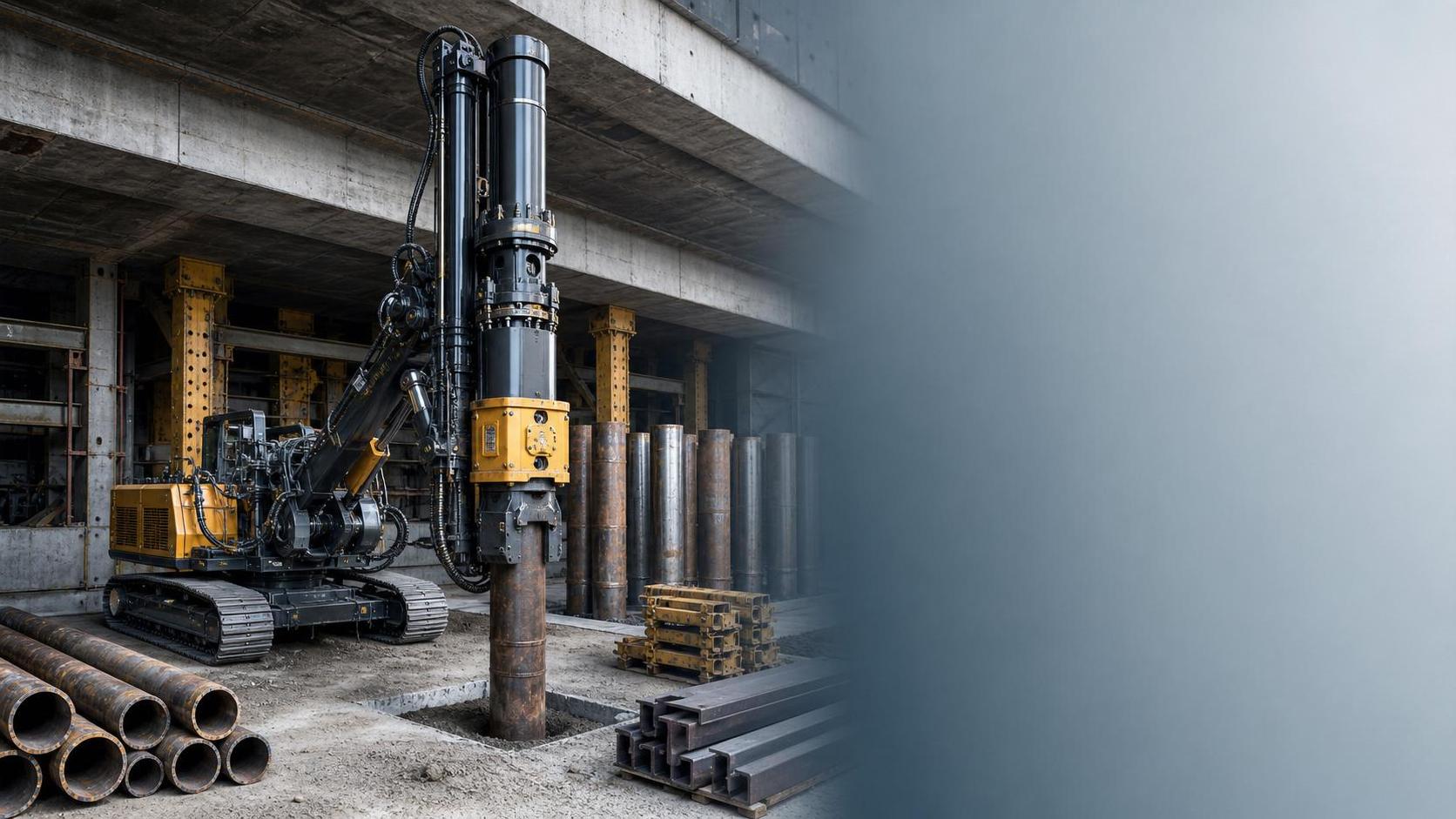
For driven or pressed piles, productivity depends on pile delivery, welding time, verticality checks, refusal criteria, and neighborhood controls.
Deep foundation solutions should be compared using realistic shift outputs, not generic equipment brochures.
Cost Trap 3: Concrete Logistics Treated as a Back-End Detail
Concrete is not just a material line. For bored piles, timing, workability, volume, temperature, and pumping reliability affect pile quality.
Deep foundation solutions need a batching and placement plan that reflects actual pile sequence. Delays during tremie concrete placement can create defects.
Fully enclosed smart batching plants can improve quality stability. They also support dust control and low-carbon material tracking on regulated projects.
Cost checks should include standby mixer trucks, pump truck availability, rejected loads, admixture strategy, and emergency supply routes.
Cost Trap 4: Spoil, Slurry, and Waste Disposal Underpriced
Excavated material from deep foundation solutions can be wet, contaminated, bulky, or difficult to classify. Disposal rules vary sharply by location.
Slurry adds another cost layer. It must be mixed, monitored, cleaned, reused, transported, or treated according to site requirements.
If disposal is priced as ordinary earthwork, the estimate may miss trucks, holding tanks, liners, testing, and tipping fees.
Strong deep foundation solutions define responsibility for spoil volume growth, wet muck, contaminated zones, and off-site acceptance delays.
Cost Trap 5: Testing and Acceptance Scheduled Too Late
Pile integrity testing, static load tests, dynamic tests, and sonic logging can affect the entire construction path.
If testing is late, the superstructure may wait for foundation acceptance. That delay is often more expensive than the test itself.
Deep foundation solutions should include test pile timing, result review periods, retesting rules, and contingency for nonconforming piles.
Acceptance criteria must be aligned with design, contractor method, and local standards before field work begins.
Scenario Adaptation Checklist for Better Early Decisions
- Match deep foundation solutions to verified soil layers, not only structural loads.
- Separate mobilization, access work, temporary platforms, and utility protection.
- Request daily production assumptions for each rig and each ground zone.
- Check concrete supply resilience, including pump trucks and batching plant capacity.
- Price spoil, slurry, groundwater, and environmental compliance as distinct items.
- Confirm testing sequence before the superstructure schedule is locked.
- Define who pays when obstructions, deeper sockets, or overbreak appear.
Common Misjudgments That Distort Deep Foundation Budgets
One common mistake is comparing deep foundation solutions by unit price only. Unit rates do not show exclusions, risk transfer, or delay exposure.
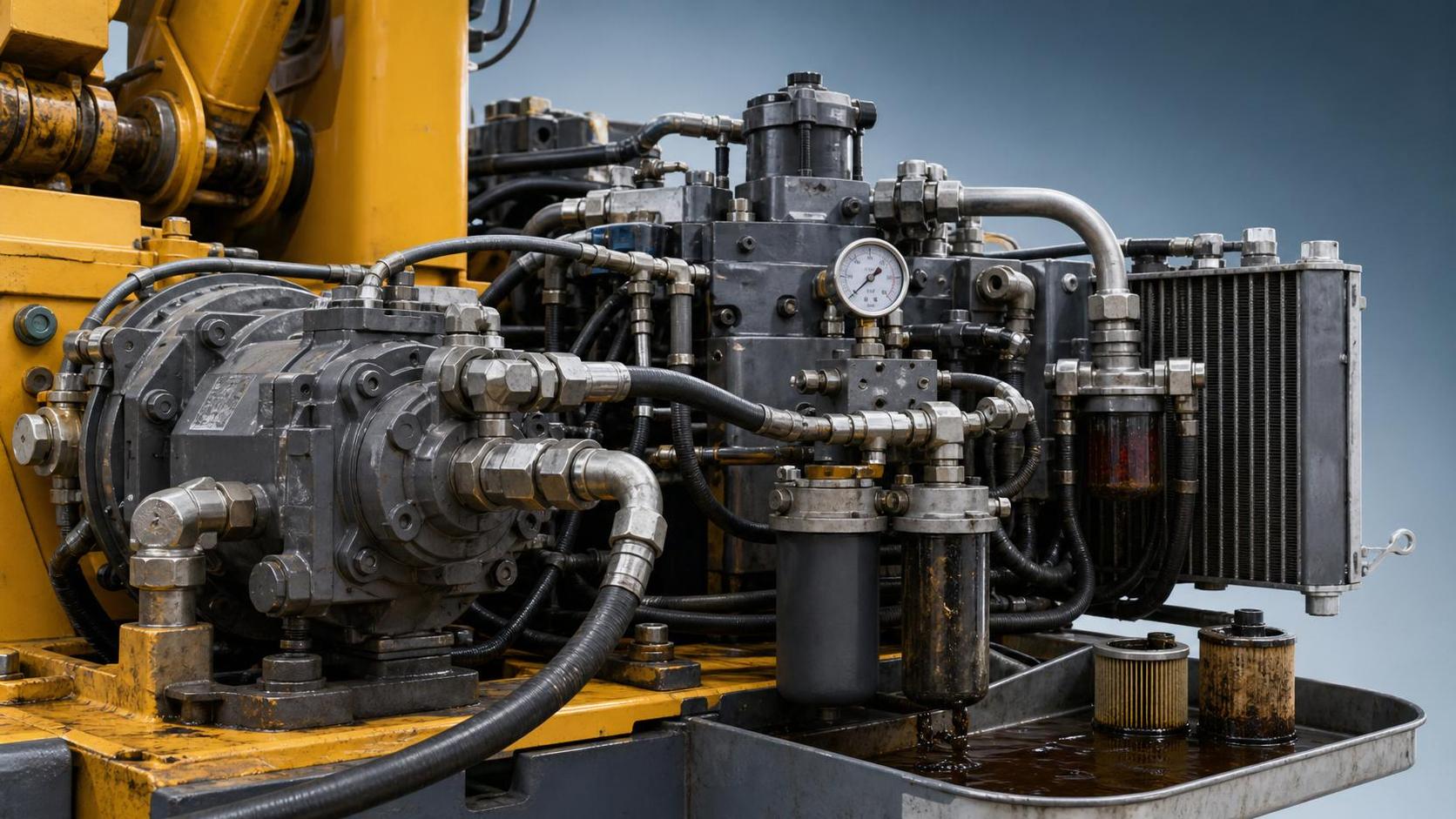
Another mistake is ignoring equipment interfaces. Piling machinery, cages, cranes, pumps, and trucks need enough space and synchronized timing.
A third mistake is treating low-carbon requirements as paperwork. Materials tracking, enclosed batching, and electric equipment may affect both cost and eligibility.
A final mistake is assuming foundation risk ends after pile installation. Acceptance, remedial work, and documentation still protect the project margin.
Practical Next Step: Build a Risk-Linked Comparison Matrix
Before choosing deep foundation solutions, create a matrix that compares method, geology fit, equipment plan, concrete logistics, testing, exclusions, and schedule impact.
Each item should be scored by probability, cost impact, and responsibility. This turns a low-price comparison into a risk-adjusted decision.
DFCS intelligence supports this approach by connecting equipment performance, piling dynamics, concrete system reliability, and global construction compliance trends.
Well-selected deep foundation solutions do more than hold a structure. They protect the construction sequence, reduce claims, and preserve financial certainty.
Check the hidden assumptions early, challenge unclear exclusions, and align foundation method with real site conditions before machinery arrives.
Industry Briefing
Get the top 5 industry headlines delivered to your inbox every morning.