
Piling Equipment Selection Mistakes That Delay Groundworks


Choosing the wrong piling equipment can quietly derail groundworks through slower cycle times, poor soil matching, higher wear, and costly site delays. For technical evaluators, early selection mistakes often stem from overlooking geology, load requirements, access limits, and lifecycle efficiency. This article highlights the most common decision errors and shows how to assess piling equipment with greater precision before they impact schedule, safety, and foundation performance.
Why piling equipment selection errors create hidden delays
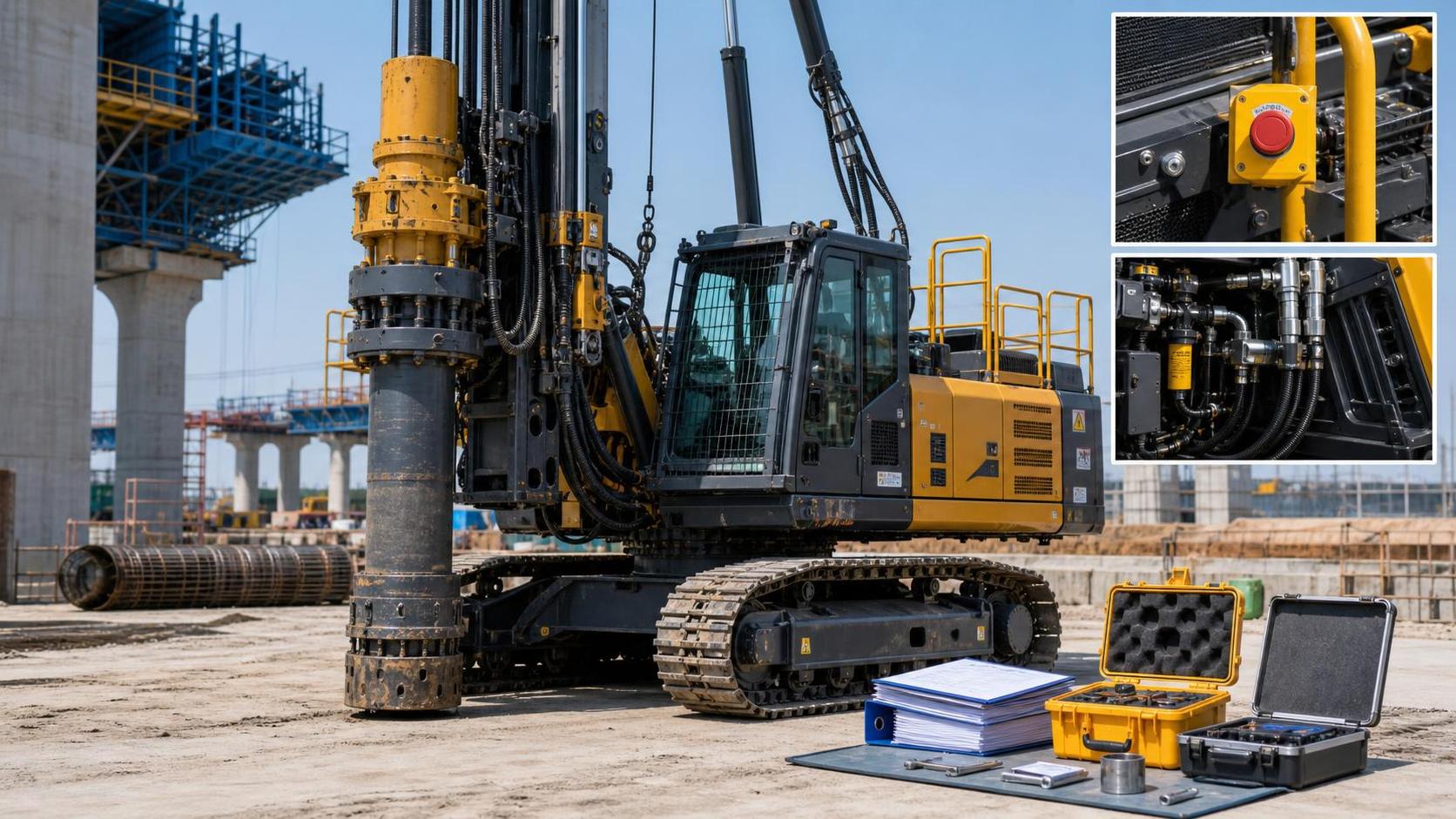
Groundworks rarely fail because of one dramatic mistake. More often, delay starts with a mismatched machine, an incomplete geotechnical reading, or an unrealistic productivity assumption. For technical assessment teams, piling equipment is not just a capital item. It is a schedule driver, a risk transfer point, and a foundation quality control tool.
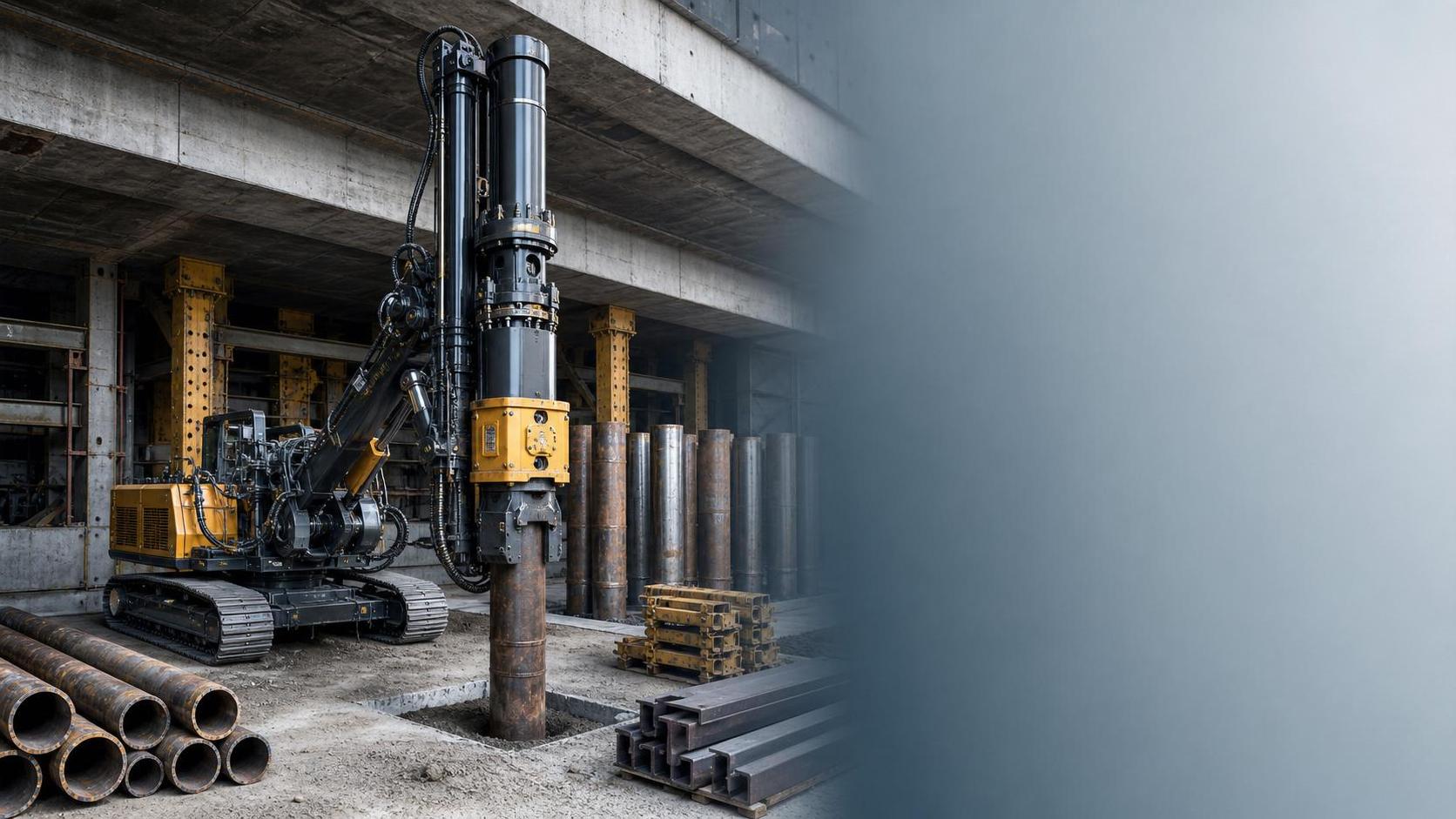
The challenge is that piling equipment must operate at the intersection of variable soil behavior, structural load demand, site access restrictions, environmental limits, and contractor capability. A rig that performs well in medium-dense sands may struggle in cobbles or weathered rock. A hydraulic static pile driver suited to urban noise-sensitive zones may become inefficient where refusal depth is inconsistent.
DFCS tracks these decision points across deep foundation, drilling, pumping, and concrete systems. That broader view matters because piling delays often cascade into reinforcement placement, concrete supply timing, pumping windows, and downstream superstructure milestones.
- A wrong pile installation method can reduce daily output below bid assumptions and force re-sequencing of excavation, rebar, and concrete delivery.
- Improper machine sizing can increase mobilization complexity, crane dependency, or fuel use without improving penetration performance.
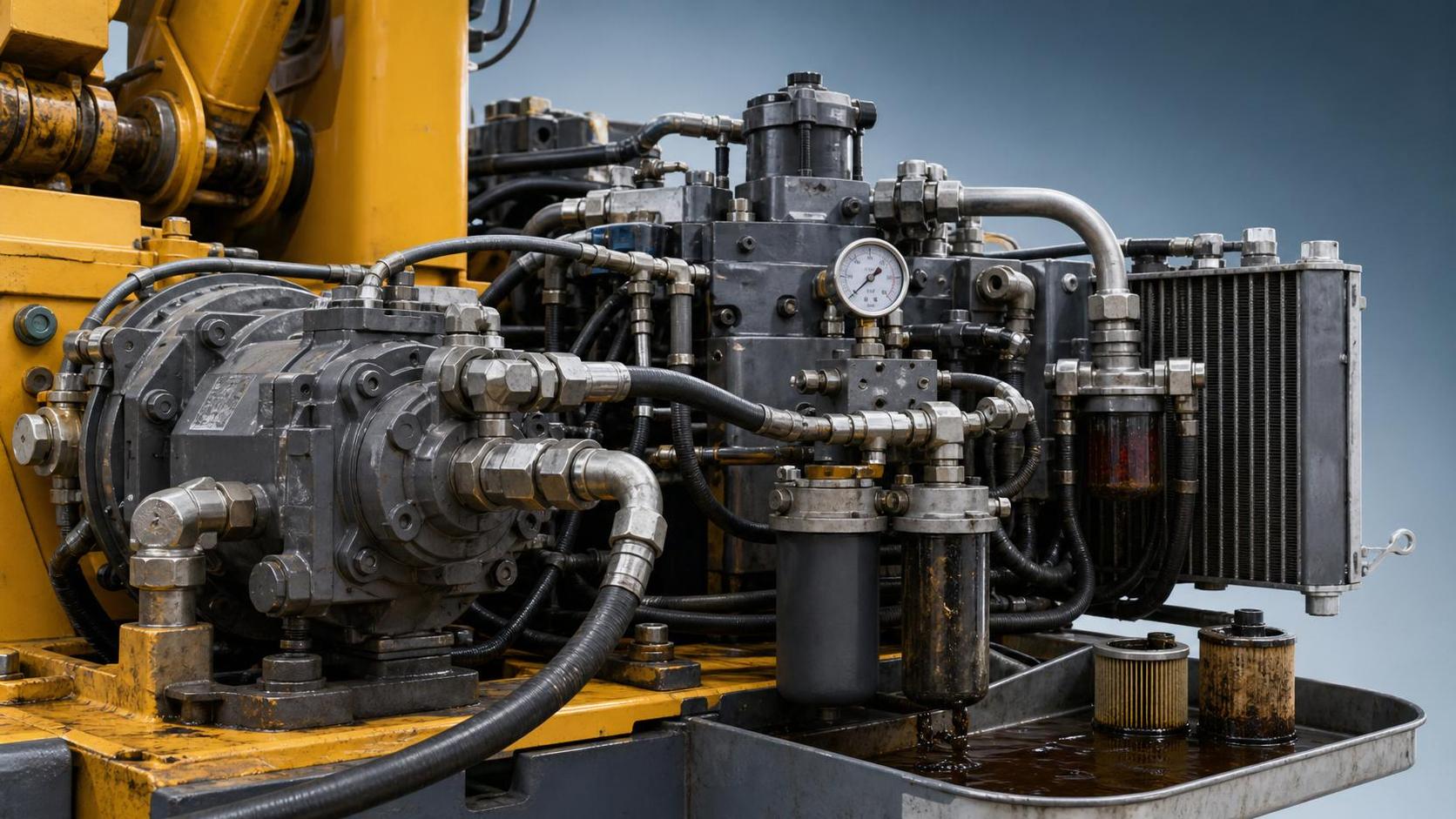
- Ignoring lifecycle wear can make a low purchase price far more expensive during tool replacement, downtime, and service interruptions.
Which piling equipment mistakes are most common in technical evaluation?
The most frequent selection mistakes do not come from lack of effort. They come from evaluating piling equipment in isolation. Technical teams may compare engine power, mast height, or nominal pile diameter, yet miss the real operational fit between machine, method, and ground conditions.
The list below summarizes the failure points that most often lead to delayed groundworks.
- Selecting by rated capacity instead of verified soil compatibility. A high-capacity rig does not automatically mean stable performance in mixed strata, fill layers, or boulder zones.
- Using incomplete geotechnical data. Borelogs spaced too widely may miss abrupt layer transitions that affect torque demand, penetration resistance, or pile refusal behavior.
- Underestimating site logistics. Transport envelope, working platform bearing capacity, headroom limits, and swing clearance often restrict viable piling equipment more than paper specifications do.
- Focusing only on initial procurement cost. Lower-priced units can carry higher tool wear, weaker parts availability, and greater service response risk.
- Ignoring environmental constraints. Noise, vibration, spoil generation, and emissions rules can invalidate a technically workable but non-compliant solution.
When these issues combine, the result is usually not immediate failure. It is slower boring, more stoppages, lower pile acceptance rates, or repeated method revisions after mobilization. Those are the delays that erode both margin and stakeholder confidence.
How should technical evaluators compare piling equipment by ground condition?
A practical comparison starts with the ground, not the machine brochure. Different piling equipment families respond very differently to sands, soft clay, fill, cobbles, hardpan, and rock. The table below is designed as a screening tool for technical evaluators before deeper vendor discussions.
This comparison does not replace detailed engineering review, but it quickly reveals where piling equipment selection may conflict with geology or local constraints. A machine can be technically powerful and still be operationally wrong for the project.
What should be checked before shortlisting piling equipment?
Technical evaluators need a disciplined pre-shortlist process. That process should connect geotechnical interpretation, structural design intent, method statement feasibility, and equipment support reality. Without that structure, teams often compare supplier offers that are not based on the same assumptions.
Core screening criteria
- Ground profile resolution: Review borehole spacing, groundwater behavior, layer variability, and known obstructions. If uncertainty is high, shortlist only piling equipment with tolerance for changing strata.
- Pile type and design load: Check whether the machine is aligned with pile diameter, length, reinforcement cage handling, or prefabricated pile section constraints.
- Production target: Translate contract milestones into required piles per shift, not just piles per day. Shift interruptions often reveal whether nominal output is realistic.
- Access and working platform: Confirm transport axle limits, crane support needs, assembly space, mast clearance, and platform bearing capacity.
- Support ecosystem: Verify spare parts lead time, field service response, tooling replacement cycle, and operator training availability.
Questions that reduce selection bias
Ask suppliers to state expected penetration rate by soil layer, expected wear parts consumption, required auxiliary equipment, and assumptions behind cycle-time estimates. Technical evaluation improves when vendor proposals are forced into comparable operating logic.
Which parameters matter more than headline specifications?
In piling equipment assessment, headline numbers often dominate early conversations. Yet many delays originate from secondary parameters that directly affect consistency, maintenance, and site adaptability. The following table highlights the specification areas that deserve closer attention during review.
These parameters matter because technical delays often come from inconsistency, not incapacity. A rig that reaches target depth only intermittently is harder to manage than a slightly smaller unit with stable, predictable output.
How do cost-focused decisions backfire during groundworks?
Budget pressure pushes many teams toward the lowest acquisition or rental figure. That is understandable, but cost-only selection creates blind spots. In piling equipment, the true economic unit is not machine price. It is installed pile cost under real site conditions, including downtime, spoil handling, auxiliary support, and rework exposure.
For example, a lower-cost rig with limited tool durability may appear competitive at tender stage. Once hard inclusions are encountered, wear accelerates, penetration rates drop, and planned sequencing collapses. The project then absorbs extra labor, replacement tools, and often overtime on related concrete operations.
- Direct costs rise through fuel, parts, service visits, and idle labor.
- Indirect costs rise through concrete delivery rescheduling, crane standby, and supervisor time spent on recovery planning.
- Commercial risk rises if productivity shortfalls trigger liquidated damages or loss of confidence from the client team.
A better approach is lifecycle comparison. Estimate cost per installed meter or per completed pile under expected geological zones. That gives technical evaluators a decision basis much closer to field reality.
What role do compliance, noise, and urban restrictions play?
Selection errors are not only technical. They are also regulatory. Urban and infrastructure projects increasingly impose controls on vibration, dust, spoil transport, fuel emissions, and working-hour noise. Piling equipment that looks productive in theory may become constrained by permit conditions or community complaints.
Compliance checks worth including early
- Review local environmental restrictions for impact driving, vibratory methods, spoil discharge, and engine emissions.
- Check whether monitoring outputs support documentation required by consultants or public authorities.
- Assess whether the method can meet limits near existing utilities, basements, rail lines, or neighboring structures.
Common reference points may include local building codes, geotechnical investigation standards, occupational safety requirements, and environmental management procedures. The exact framework varies by market, but the selection principle is stable: compliant piling equipment reduces approval friction and protects schedule certainty.
How can evaluators build a more reliable piling equipment selection workflow?
A stronger workflow turns selection from a catalog exercise into an engineering filter. DFCS recommends a cross-functional review model because piling performance influences not only foundation teams but also concrete logistics, reinforcement sequencing, and broader project timing.
- Start with a ground-risk map, dividing the site into zones by expected resistance, obstruction likelihood, groundwater behavior, and access limits.
- Define the acceptance basis: target pile depth, installation tolerance, monitoring records, and output required to maintain schedule.
- Request vendor submissions in a common format covering production assumptions, tooling plan, maintenance intervals, and support response times.
- Run a scenario review for the worst layer transition, not only the average layer. That is where many piling equipment choices fail.
- Connect equipment review with concrete and excavation interfaces so that delays in one package are visible before award.
This workflow is especially valuable on projects where rotary drilling rigs, batching plants, and concrete pumping systems must work in a tightly coordinated sequence. A pile plan that ignores downstream concrete supply or bore stability windows is incomplete from the start.
FAQ: practical questions about piling equipment selection
How do I know whether piling equipment is undersized or simply poorly matched?
Look beyond nameplate power. If the rig repeatedly slows at known layer transitions, consumes tools faster than expected, or needs excessive auxiliary support to hold production, the issue is often mismatch rather than pure undersizing. Compare actual soil resistance against torque, crowd, and method suitability together.
Which projects are most vulnerable to piling equipment selection mistakes?
Urban infill sites, mixed-ground developments, marine edge works, and high-rise foundations are especially vulnerable. These projects combine restricted access, demanding load paths, environmental controls, and tight sequencing with concrete operations. Small equipment errors scale quickly into major schedule loss.
Should technical evaluators prioritize productivity or compliance?
They must prioritize productive compliance. A fast method that cannot satisfy noise, vibration, or reporting conditions is not truly productive. The best piling equipment choice is the one that delivers repeatable output within the full regulatory and operational envelope of the site.
What documents should be requested before final equipment approval?
Request method statements, performance assumptions by layer, tooling plan, maintenance intervals, transport and assembly requirements, monitoring outputs, operator competency information, and service support commitments. If concrete placement follows piling closely, also verify interface timing with batching and pumping resources.
Why work with DFCS when evaluating piling equipment?
DFCS supports technical evaluators by connecting deep foundation realities with the wider concrete and construction machinery ecosystem. That matters when your decision must account for geology, installation method, wear behavior, environmental pressure, and downstream execution risk at the same time.
Our intelligence focus covers rotary drilling rigs, piling machinery, concrete batching systems, mixer logistics, and pumping interfaces. This cross-system perspective helps project teams avoid narrow equipment decisions that solve one problem while creating another.
- Consult us for piling equipment parameter confirmation against your geotechnical profile and target foundation method.
- Ask for support in shortlisting equipment options based on access limits, noise constraints, and productivity targets.
- Discuss delivery timing, service readiness, tooling considerations, and lifecycle cost factors before procurement commitment.
- Request guidance on matching piling operations with concrete batching and pumping sequences for smoother site execution.
If your team is comparing piling equipment for a new project, redevelopment site, or complex ground package, contact DFCS with your soil summary, load requirements, access constraints, and schedule target. We can help structure the technical review, clarify decision trade-offs, and support a more reliable equipment selection path before delays begin.
Industry Briefing
Get the top 5 industry headlines delivered to your inbox every morning.