
Modern Construction Techniques Training Worth Prioritizing

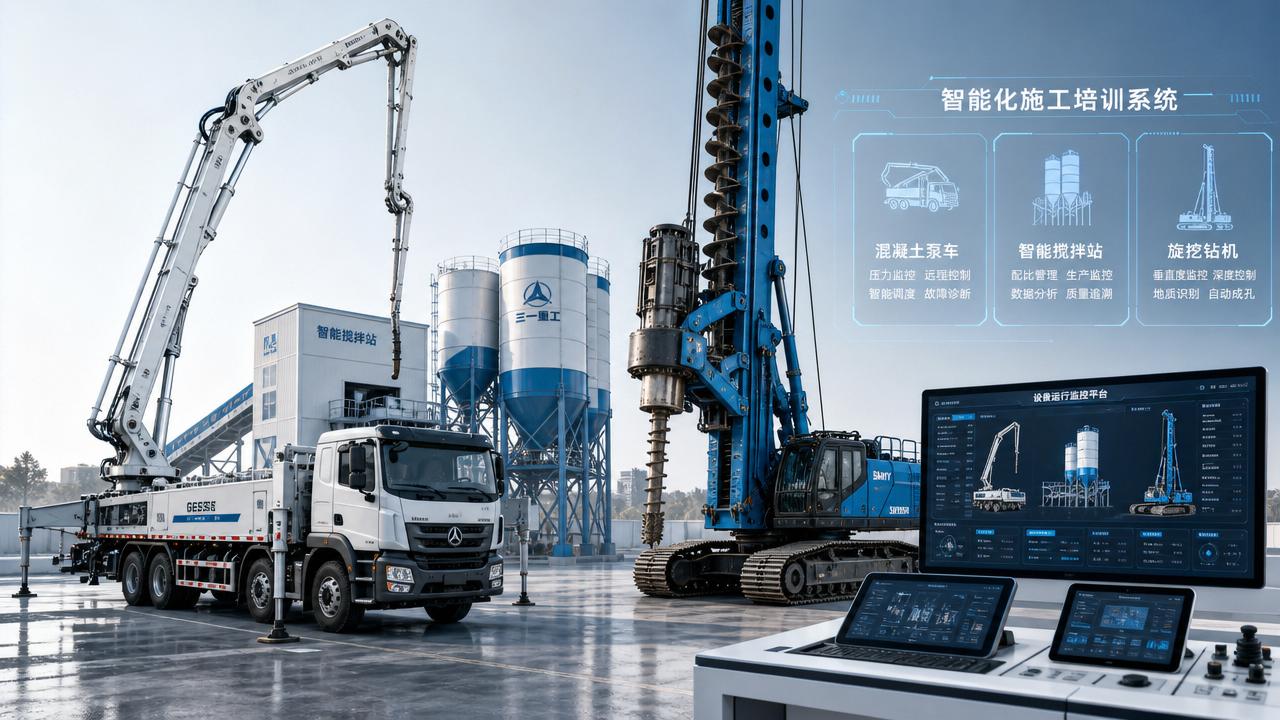
For enterprise decision-makers navigating fast-changing construction markets, modern construction techniques training is no longer optional—it is a strategic investment in safety, productivity, sustainability, and bidding competitiveness.
From concrete pumping and batching automation to deep foundation and piling innovation, the right training connects technology adoption with measurable project performance and stronger operational resilience.
This matters even more as projects demand lower emissions, tighter quality control, and higher precision under complex ground, weather, and urban constraints.
What does modern construction techniques training actually include?
Modern construction techniques training covers methods, equipment, systems, and decision frameworks used in today’s high-performance building and infrastructure delivery.
It is broader than operator instruction. It includes planning, digital workflows, safety protocols, maintenance logic, and sustainability requirements.
In concrete and deep foundation work, training often focuses on five technical pillars that shape project outcomes.
- Concrete pump truck operation, boom control, hydraulic behavior, and delivery stability.
- Concrete mixer truck handling, slump retention, route efficiency, and electric transition basics.
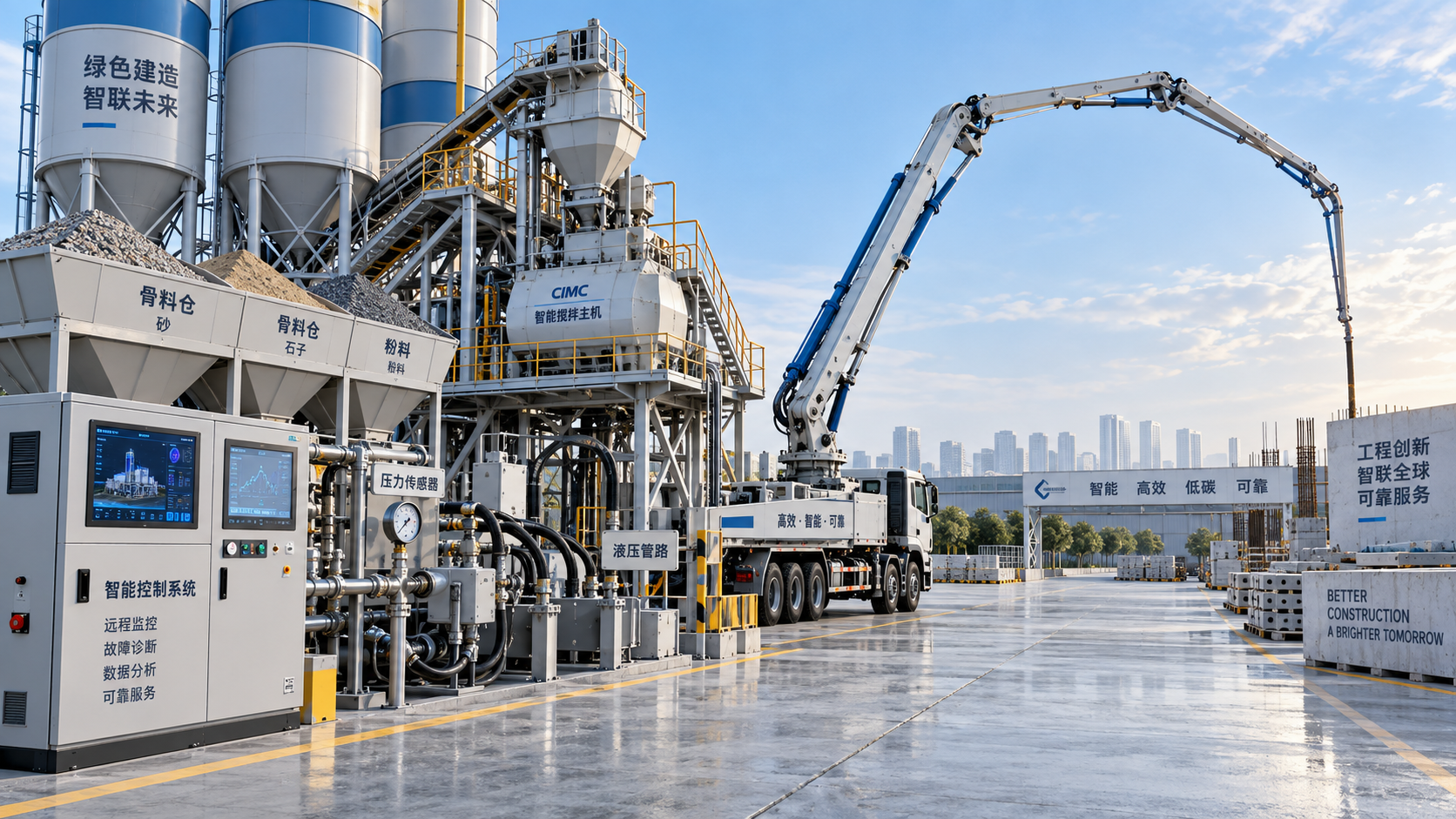
- Batching plant automation, IoT weighing accuracy, dust control, and mix consistency.
- Rotary drilling rig techniques for hard rock, cobbles, quicksand, and ultra-deep boreholes.
- Piling machinery methods, vibration control, static pressing, and urban noise management.
High-value modern construction techniques training also explains how these systems interact across the full project lifecycle.
That lifecycle includes design assumptions, site logistics, material timing, machine selection, compliance checks, and post-project performance review.
Why is modern construction techniques training worth prioritizing now?
The market has changed. Equipment is smarter, projects are denser, and compliance expectations are significantly stricter than before.
Without modern construction techniques training, advanced machinery can become underused assets instead of productivity multipliers.
Training reduces the gap between machine capability and field execution. That gap often drives delays, defects, and avoidable maintenance costs.
Key reasons this training now delivers stronger returns
- Automation requires new skills in monitoring, calibration, and exception handling.
- Green construction targets demand better control of energy use, waste, and emissions.
- Urban projects face tighter restrictions on noise, vibration, access, and safety documentation.
- Mega projects increasingly evaluate technical readiness during bidding and vendor assessment.
- Data-rich equipment needs personnel who can interpret signals before failures happen.
For example, a batching plant with smart weighing can still produce inconsistent output if calibration habits are weak.
Similarly, a high-reach pump truck can lose efficiency if boom dynamics, vibration response, or placement sequencing are poorly understood.
Modern construction techniques training helps organizations convert capital expenditure into predictable field performance.
Which construction areas benefit most from modern construction techniques training?
Almost every construction segment benefits, but value is especially visible in technically sensitive and schedule-critical activities.
Concrete production and delivery is one major area. Consistency, timing, and pumpability directly affect structure quality.
Deep foundation work is another. Ground variability, load transfer, and drilling complexity leave little room for trial-and-error execution.
High-impact application scenarios
- High-rise pumping where pressure, distance, and placement accuracy must remain stable.
- Commercial concrete supply chains requiring exact batching and controlled transit conditions.
- Underground piling in mixed geology, including sand, cobbles, and hard rock.
- Urban projects needing low-noise piling and minimal disturbance to nearby structures.
- Electrified fleets and smart plants transitioning toward lower carbon operations.
Modern construction techniques training is particularly useful where project teams must align technical credibility with commercial competitiveness.
That includes projects where equipment shortlisting, safety records, and sustainability performance influence final selection.
How should organizations evaluate a modern construction techniques training program?
Not all programs are equal. The best modern construction techniques training links field realities with measurable operational improvement.
A useful first check is relevance. The curriculum should match actual equipment, site conditions, and regulatory exposure.
A second check is depth. Introductory theory alone rarely changes project outcomes.
What to look for when comparing training options
The strongest modern construction techniques training also includes post-training metrics, such as reduced downtime or improved concrete quality stability.
What common mistakes reduce the value of modern construction techniques training?
A frequent mistake is treating training as a one-time event instead of a capability system.
Another is separating technical instruction from business goals. Training should support safety, uptime, quality, and win-rate objectives.
Some programs focus too much on classroom content and too little on decision-making under site pressure.
Risk reminders
- Ignoring geology-specific drilling guidance can increase tool wear and bore instability.
- Undertraining on pump pressure behavior can raise blockage and segregation risks.
- Weak batching discipline can undermine strength performance and traceability.
- Missing noise and vibration controls can damage urban project acceptance.
- No refresh cycle means skills decay as equipment and standards evolve.
To avoid these issues, modern construction techniques training should be updated regularly and linked to real project lessons.
How can modern construction techniques training be implemented effectively?
Implementation works best when training follows a phased model instead of an all-at-once rollout.
Start by identifying high-risk, high-cost, or high-visibility processes where better execution creates immediate value.
- Map critical workflows across pumping, batching, drilling, and piling.
- Measure current performance gaps using downtime, defects, fuel, and safety indicators.
- Prioritize modules that support near-term projects and future equipment upgrades.
- Blend classroom learning, field mentoring, and digital refresh content.
- Review outcomes quarterly and adjust the program using operational data.
This approach keeps modern construction techniques training practical, scalable, and tied to project delivery outcomes.
Quick FAQ reference table
In today’s construction environment, modern construction techniques training is a strategic capability, not an optional support activity.
It strengthens concrete quality, deep foundation reliability, equipment uptime, and environmental readiness across increasingly demanding projects.
Organizations that prioritize modern construction techniques training are better positioned to control risk, improve execution, and support future-facing growth.
The next step is simple: review current workflows, identify the biggest technical gaps, and align training with the equipment and project demands that matter most.

Industry Briefing
Get the top 5 industry headlines delivered to your inbox every morning.