
Concrete Machinery Trends to Watch Before Equipment Renewal

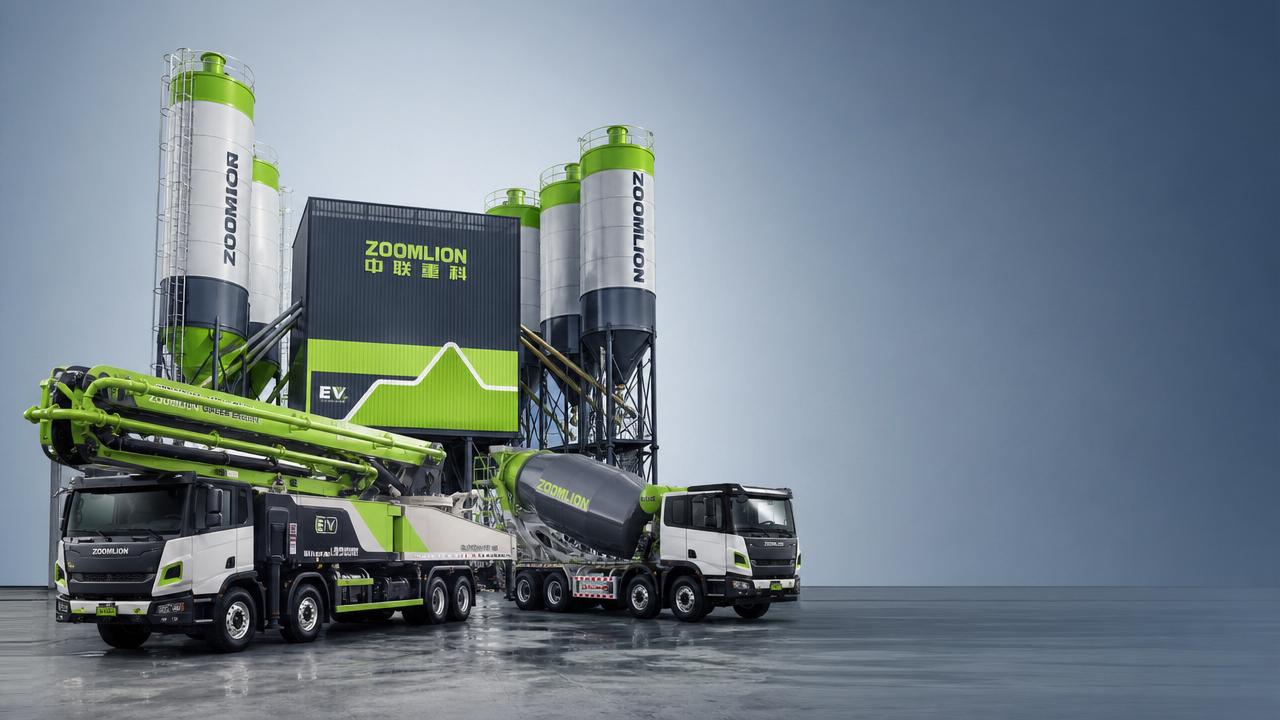
As equipment renewal cycles speed up, concrete machinery trends are becoming central to planning across supply, channel strategy, and asset lifecycle decisions.
The market no longer moves on capacity alone. Energy transition, digital control, emissions rules, uptime pressure, and project complexity now shape equipment renewal timing.
Across pumping, mixing, batching, drilling, and piling, the next replacement wave will favor machines that combine efficiency, compliance, and measurable operating intelligence.
This article reviews the concrete machinery trends worth tracking before any inventory refresh, partnership evaluation, or procurement decision in global construction equipment markets.
Understanding the Current Direction of Concrete Machinery Trends
Concrete machinery trends refer to the technical, regulatory, and commercial shifts influencing how machines are designed, selected, and operated.
In practical terms, these trends affect concrete pump trucks, mixer trucks, batching plants, rotary drilling rigs, and piling machinery across both urban and mega-project environments.
DFCS tracks this landscape through equipment intelligence tied to pumping pressure, wear behavior, geotechnical demands, emissions standards, and automation readiness.
That broader view matters because equipment renewal now depends on total system compatibility, not just a single machine’s output rating.
Why this topic matters before renewal
- Regulation is raising the floor for emissions, noise, dust control, and traceable operating data.
- Urban jobsites demand quieter, cleaner, and more compact machinery layouts.
- Large infrastructure projects require longer duty cycles and stronger reliability documentation.
- Fleet economics increasingly reward energy savings, predictive maintenance, and digital diagnostics.
Key Market Signals Shaping Concrete Machinery Trends
Several market signals now define the strongest concrete machinery trends across equipment categories. These signals influence both short-term purchasing and long-term portfolio positioning.
The strongest equipment-specific shifts
Concrete mixer trucks are moving toward lightweight chassis design, electric drivetrains, and better drum control to reduce fuel use and improve delivery consistency.
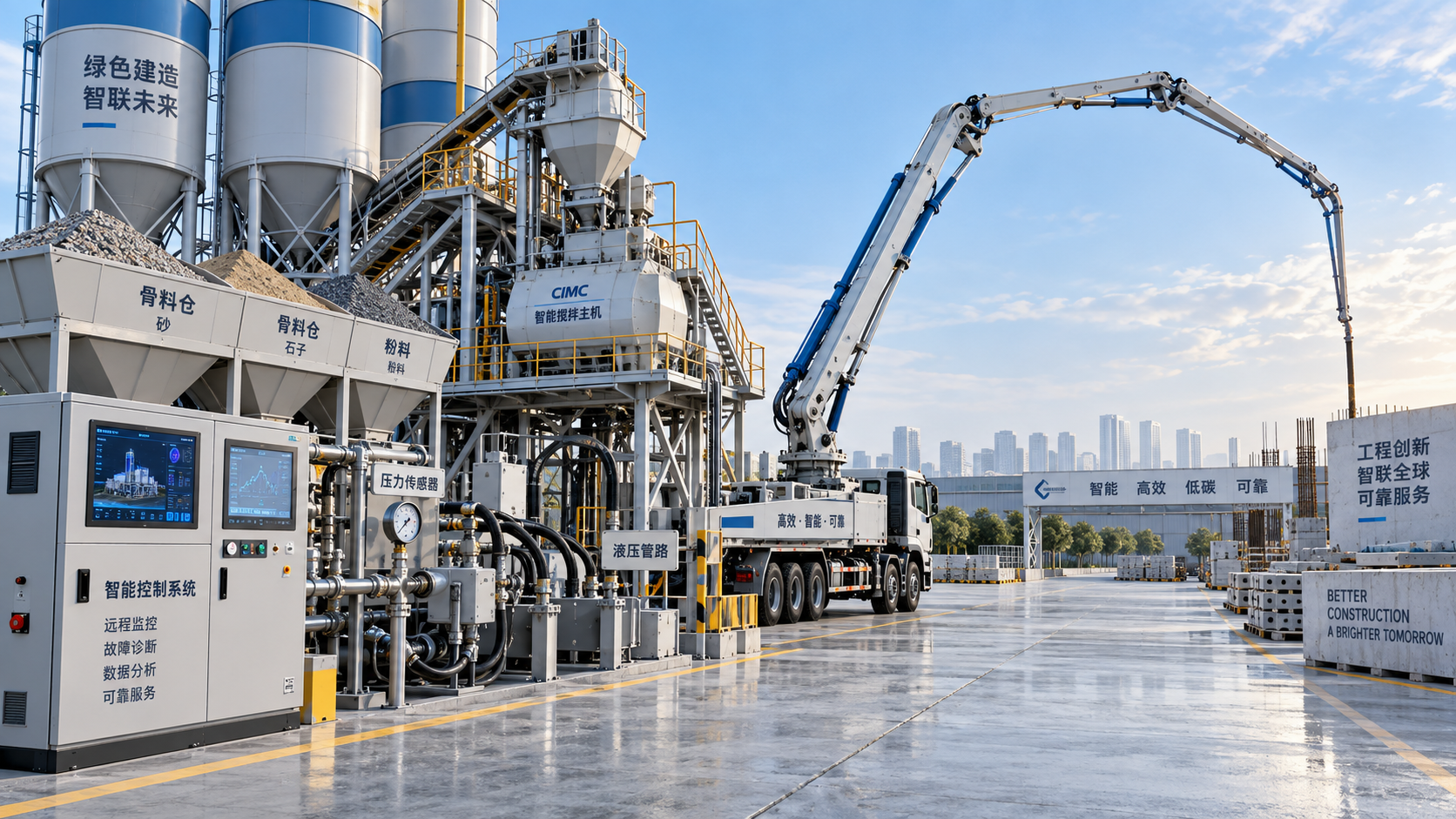
Concrete batching plants are becoming enclosed, sensor-based systems with precise weighing, dust capture, and integrated production software.
Concrete pump trucks continue to advance through boom stability algorithms, efficient hydraulics, lower pulsation, and remote operating support.
Rotary drilling rigs and piling machinery are evolving around hard-rock adaptability, lower urban disturbance, and deeper digital monitoring of subsurface performance.
Business Value Behind These Concrete Machinery Trends
Following concrete machinery trends is not only about product awareness. It directly supports better timing, cleaner portfolio structure, and stronger project-fit decisions.
The biggest value comes from matching renewal plans with where demand is actually moving, rather than where past sales were concentrated.
Where the practical gains appear
- Higher utilization from machines aligned with current site requirements
- Lower compliance risk in low-emission and low-noise zones
- Improved service planning through connected diagnostics
- Stronger bid readiness for infrastructure and high-standard urban work
- Better total cost control across energy, parts wear, and downtime
For intelligence-led platforms such as DFCS, these concrete machinery trends also reveal where technical credibility is becoming a competitive threshold.
In many markets, replacement demand now follows environmental rules and digital readiness as much as raw production needs.
Typical Equipment Categories and Renewal Considerations
Not every category follows the same replacement logic. The most useful reading of concrete machinery trends comes from equipment-specific review.
Project environments driving different choices
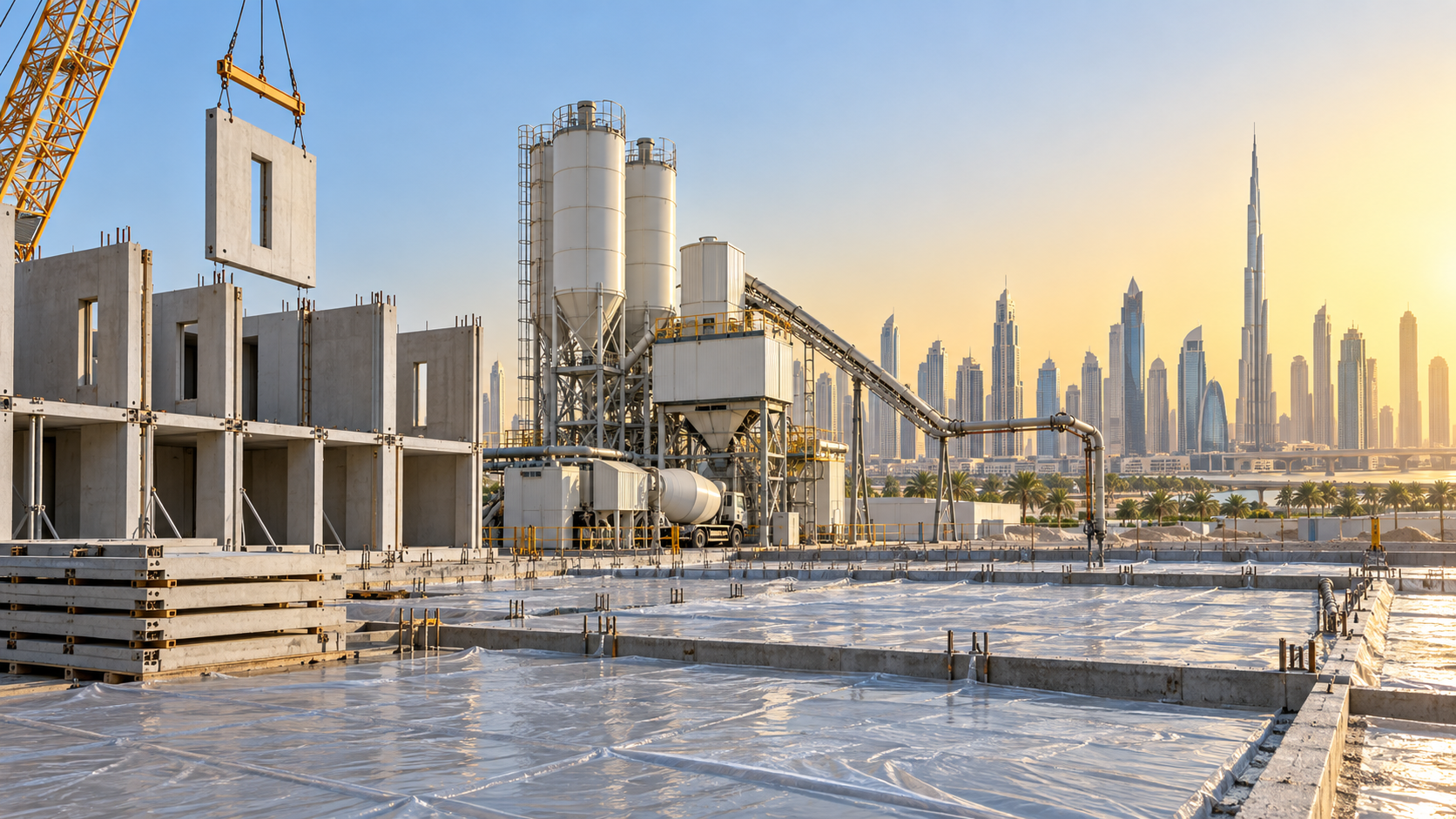
Dense city construction favors enclosed batching, quiet piling methods, and cleaner transport fleets. Performance alone is not enough in these conditions.
Large infrastructure corridors prioritize reliability, heavy-duty pumping, deep foundation reach, and parts support across extended operating windows.
Remote or harsh geological projects place extra value on drilling durability, fuel efficiency, and digital service visibility.
Practical Guidance Before Equipment Renewal
A useful response to concrete machinery trends starts with structured comparison, not assumptions based on brand familiarity or headline specifications.
Recommended review steps
- Map renewal candidates by emissions exposure, duty cycle, and site environment.
- Compare old and new models using energy use, wear rate, and service interval data.
- Check software compatibility with telematics, plant systems, and maintenance records.
- Review local charging, power access, and environmental enforcement trends.
- Evaluate supplier depth in parts, technical training, and field support.
Common mistakes to avoid
- Replacing equipment based only on age, without reviewing actual utilization quality
- Ignoring urban compliance risks tied to noise, dust, and zero-emission zones
- Underestimating the value of control software and data transparency
- Focusing on purchase price while overlooking lifecycle operating cost
The best renewal decisions often come from connecting commercial timing with engineering evidence. That is where concrete machinery trends become actionable rather than merely interesting.
A Useful Next Step for Market Planning
Concrete machinery trends will keep accelerating as electrification, automation, and foundation engineering complexity continue to converge.
Before any renewal cycle moves forward, build a short review list covering compliance, digital capability, geology fit, service support, and energy performance.
Use those checkpoints to compare pump trucks, mixer fleets, batching systems, drilling rigs, and piling equipment on the same strategic basis.
A disciplined reading of concrete machinery trends can improve timing, reduce risk, and align future equipment choices with the real direction of global construction markets.
Industry Briefing
Get the top 5 industry headlines delivered to your inbox every morning.