
Underground Construction Trends Reshaping Project Planning

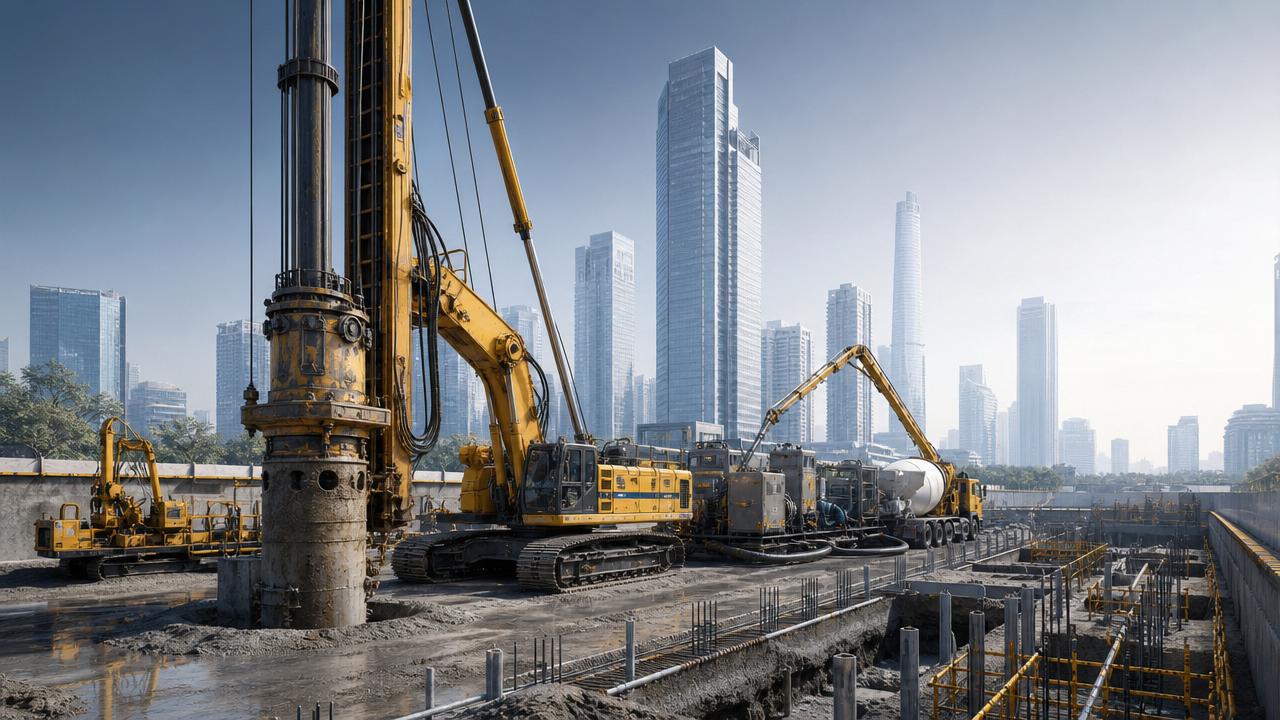
Underground construction trends are rapidly changing how enterprise decision-making connects design, equipment, cost control, and delivery certainty.
For complex civil works, planning no longer starts with drawings alone.
It now begins with geology, emissions rules, digital visibility, and foundation system compatibility.
The latest underground construction trends also affect batching accuracy, pumping strategy, piling methods, and drilling productivity.
This guide answers the most important questions shaping modern project planning.
What do underground construction trends actually include today?
Current underground construction trends go far beyond excavation.
They cover deep foundations, rotary drilling, piling systems, concrete logistics, automation, and low-carbon site operations.
In urban projects, underground constraints are becoming more severe.
Noise limits, vibration thresholds, restricted access, and adjacent structures now shape construction sequences from day one.
This is why project planning increasingly links underground engineering with data-led equipment selection.
A rig is no longer chosen only by depth capacity.
It must also match rock conditions, spoil handling limits, carbon goals, and schedule pressure.
The same logic applies to concrete pumping and batching.
Supply precision now matters as much as raw output.
- Electrification of transport and selected site machinery
- Automation in batching, pumping, and monitoring
- Greater use of geology-driven planning models
- Low-noise and low-vibration piling solutions
- Lifecycle tracking for safety, wear, and emissions
These underground construction trends are reshaping both tender assumptions and execution risk.
Why are underground construction trends changing project planning so much?
Because underground work carries the highest uncertainty in many building programs.
Unexpected groundwater, mixed strata, cobbles, hard rock, and contamination can disrupt even well-funded plans.
Older planning models often treated subsurface operations as a preliminary stage.
That approach now creates cost overruns and sequencing conflicts.
Today, underground construction trends push planners to front-load technical decisions.
This means earlier geotechnical validation, stronger coordination between foundation and concrete teams, and more detailed equipment path analysis.
For example, a high-capacity rotary drilling rig may improve penetration rates.
Yet it may also require logistics space that an inner-city site cannot support.
Likewise, a pump truck with a long boom may solve reach problems.
But vibration control, line pressure, and concrete consistency must still align.
The result is a new planning equation.
Technical performance, urban compliance, and sustainability metrics must be evaluated together.
Key planning impacts
- Higher value placed on subsurface data quality
- Earlier comparison of piling and drilling methods
- Closer scheduling between batching, pumping, and placement
- More strict review of noise, dust, and carbon requirements
- Greater attention to maintenance and wear forecasting
Which technologies are driving the biggest underground construction trends?
Several technologies are now central to project planning.
They improve certainty, reduce waste, and support safer operations in constrained environments.
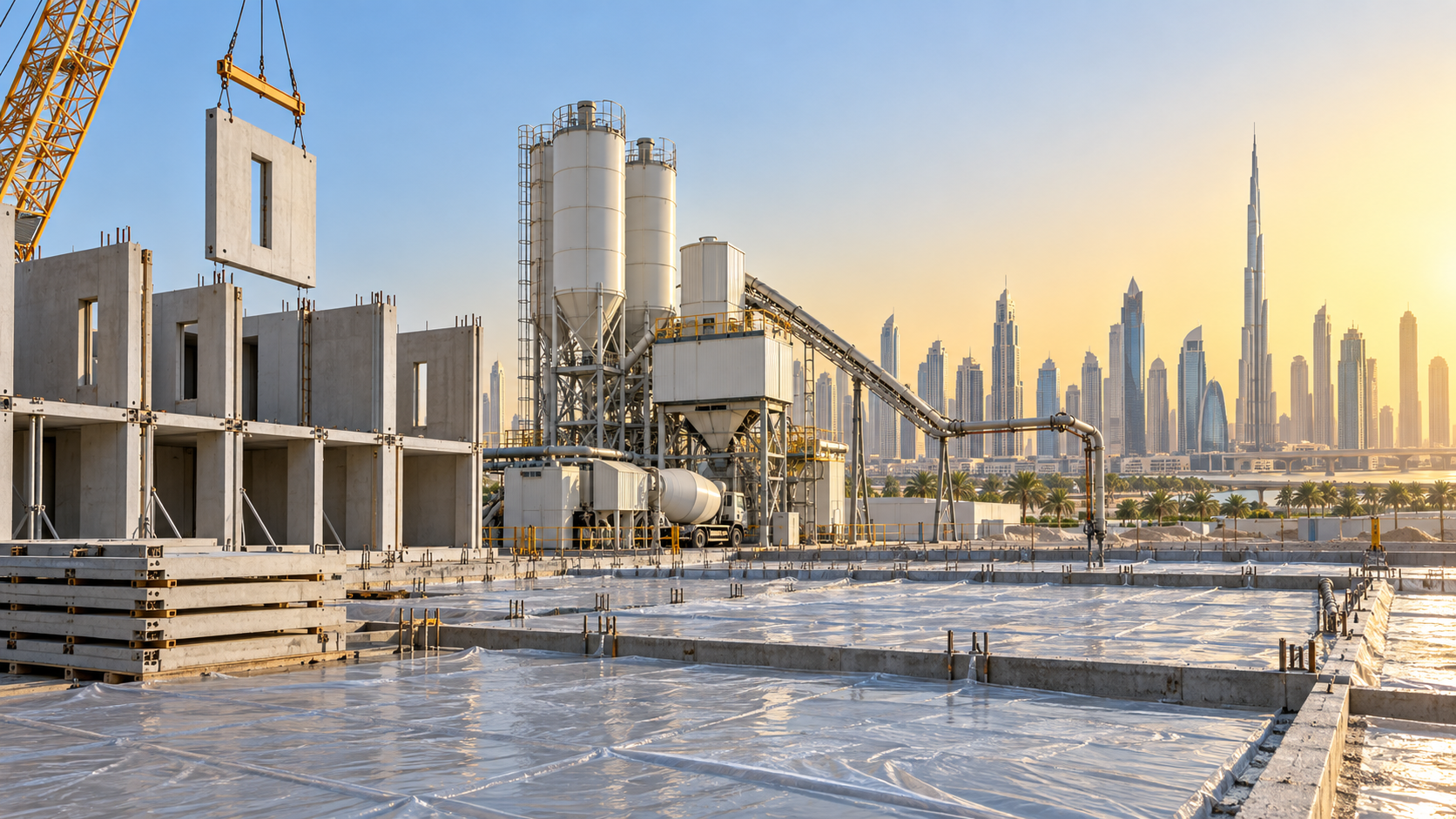
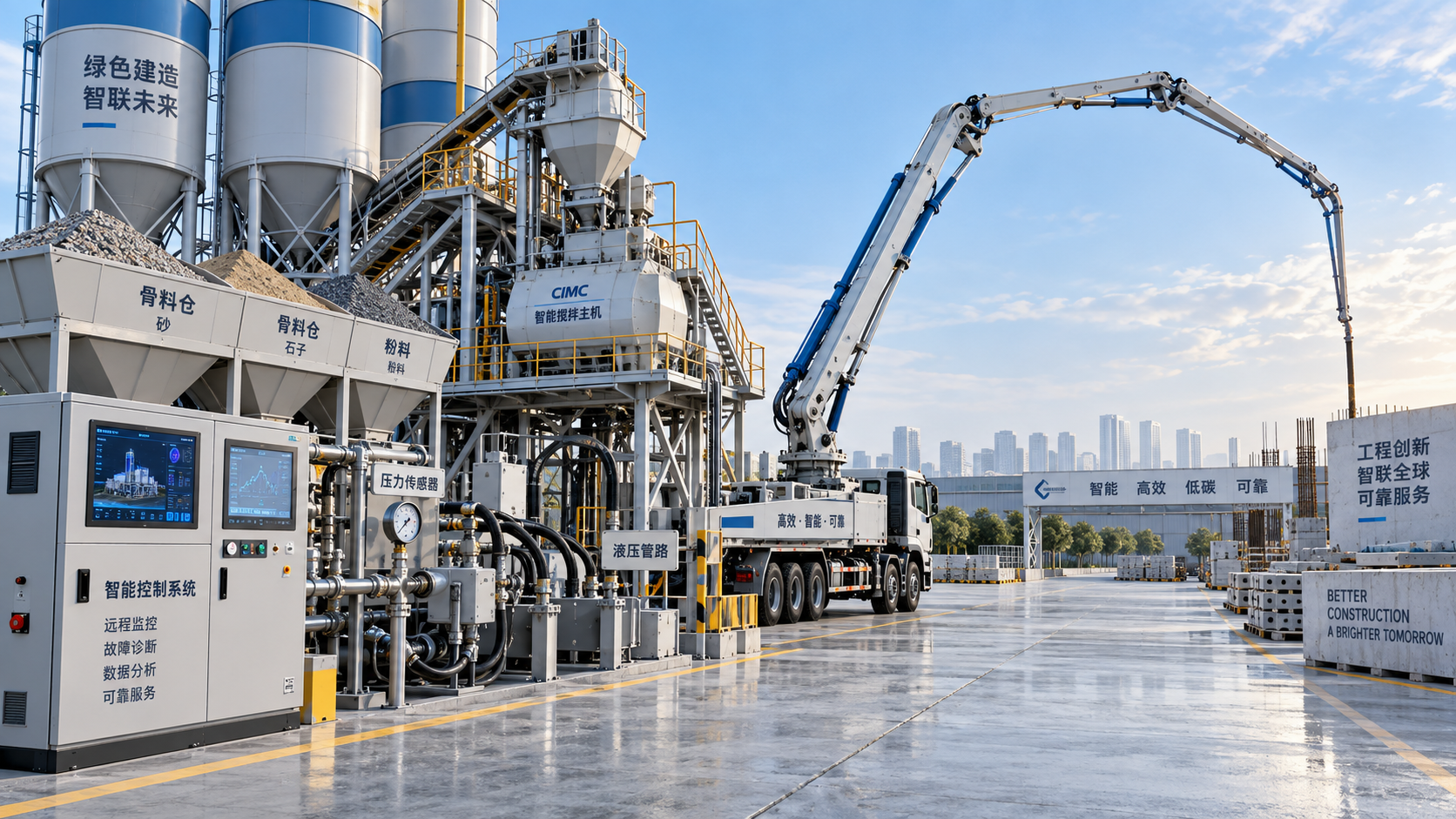
1. Smart concrete batching systems
Modern batching plants use precision weighing, enclosure systems, and data logging.
This helps maintain consistent mix quality for deep foundation pours and long pumping distances.
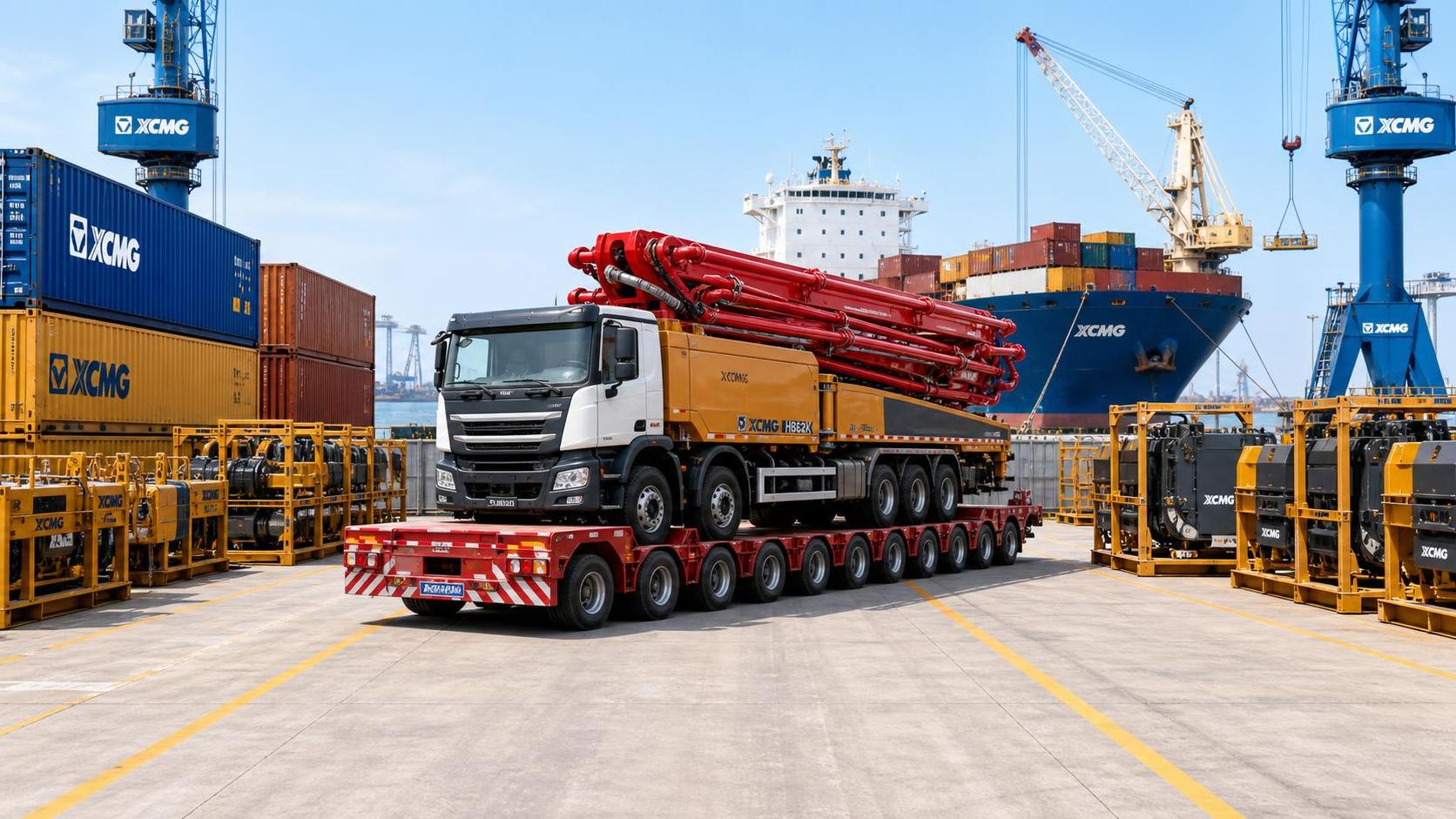
2. Advanced pump trucks and pumping controls
High-pressure pumping systems now rely on refined hydraulic performance and vibration management.
These capabilities matter when concrete must travel vertically or through restricted site geometry.
3. Rotary drilling rigs for variable geology
One of the most important underground construction trends is the shift toward geology-responsive drilling.
Rigs are increasingly selected by torque, tool wear profile, and formation adaptability.
4. Low-noise piling equipment
Hydraulic static pressing and controlled vibration methods are gaining importance.
They reduce disturbance in dense urban settings and near sensitive infrastructure.
5. Digital monitoring and intelligence stitching
The strongest underground construction trends combine equipment data, geotechnical insight, and environmental compliance records.
This creates better forecasting for utilization, wear, and project delay triggers.
How should planners compare methods, equipment, and risk exposure?
A common mistake is comparing only daily production figures.
That misses the broader impact of underground construction trends on stability, compliance, and total cost.
A better approach is to compare methods across multiple planning dimensions.
This comparison model reflects the real meaning of underground construction trends.
Performance must be measured in context, not in isolation.
What risks and misconceptions should be avoided?
Many project setbacks come from planning assumptions that no longer hold.
The newest underground construction trends expose these weak points quickly.
Misconception 1: Higher capacity always means better planning
Large machines can improve output, but they may increase access conflicts, idle time, and mobilization complexity.
Misconception 2: Foundation work is separate from concrete strategy
Deep foundation success often depends on mix timing, pumping stability, and batching consistency.
Misconception 3: Low-carbon choices always slow production
Some low-emission systems improve site order, reduce waste, and support stronger reporting.
Misconception 4: One geology report is enough
Underground construction trends favor continuous validation.
Field conditions should keep informing tool choice, drilling sequence, and contingency planning.
- Do not finalize equipment before checking site circulation limits
- Do not treat pumping distance as a simple reach calculation
- Do not ignore wear behavior in hard rock drilling
- Do not postpone emissions planning until construction starts
How can companies prepare for underground construction trends in the next planning cycle?
Preparation should be practical, not theoretical.
The best response to underground construction trends is an integrated review process before procurement and scheduling are locked.
Recommended planning checklist
- Refresh geotechnical assumptions with project-specific risk zones.
- Compare piling and drilling methods against urban restrictions.
- Validate batching and pumping compatibility for target depths and reach.
- Map emissions, dust, and noise compliance into the baseline schedule.
- Use equipment intelligence to estimate wear, downtime, and service intervals.
- Build contingencies for rock variability, water inflow, and logistics disruption.
This is where a specialized intelligence source becomes valuable.
DFCS tracks the technologies shaping concrete systems and underground equipment worldwide.
Its focus on batching plants, pump trucks, rotary drilling rigs, and piling machinery supports clearer technical evaluation.
That visibility helps connect equipment capability with project reality.
FAQ summary: what should be remembered first?
Underground construction trends are not a passing theme.
They are redefining how modern civil projects are budgeted, sequenced, and executed.
The strongest plans now connect subsurface realities with concrete systems, equipment intelligence, and sustainability targets.
Review current assumptions, compare methods carefully, and update technical criteria before the next project cycle begins.
That is the most practical way to respond to underground construction trends with confidence.
Industry Briefing
Get the top 5 industry headlines delivered to your inbox every morning.