
Concrete Machinery Maintenance Guide: Cut Downtime in 2026


Concrete machinery uptime has become a strategic issue in 2026, not just a workshop concern. A practical concrete machinery maintenance guide now needs to cover faster fault isolation, cleaner data, tighter service intervals, and better coordination across pump trucks, mixer trucks, batching plants, rotary drilling rigs, and piling equipment.
That shift matters because large civil projects are running under stricter schedules, lower-emission requirements, and higher expectations for safety. One missed inspection on a hydraulic circuit or wear part can stop an entire pouring sequence, delay foundation work, and multiply repair cost far beyond the failed component itself.
For platforms such as DFCS, which track the full lifecycle of concrete and deep foundation equipment, maintenance is where engineering performance becomes commercial performance. Good service routines protect machine life, stabilize output quality, and reduce the hidden losses that rarely appear on a simple spare-parts invoice.
Why maintenance priorities are changing in 2026
The old model was reactive. A machine failed, parts were ordered, and the team recovered as quickly as possible. That model still exists, but it is no longer enough for modern concrete and foundation fleets.
Equipment is more connected, more electrified, and more sensitive to calibration. Batching plants depend on precise weighing and dust control. Pump trucks rely on hydraulic stability and boom control. Rotary drilling rigs and piling machinery face severe wear from geology, vibration, and high load cycles.
A useful concrete machinery maintenance guide therefore has to combine mechanical basics with digital signals. Oil condition, seal wear, and bearing temperature still matter. Sensor drift, controller alarms, and software event history now matter just as much.
What a concrete machinery maintenance guide should really cover
At its core, maintenance is about preserving three things: flow, force, and accuracy. Concrete systems move abrasive material under pressure. Foundation equipment transfers massive force into unstable ground. Both need repeatable control.
That is why an effective concrete machinery maintenance guide is not a generic checklist. It should connect routine inspection with actual failure patterns, operating hours, material conditions, weather exposure, and site discipline.
In practice, four layers deserve constant attention:
- wear parts exposed to abrasive concrete, slurry, dust, and rock
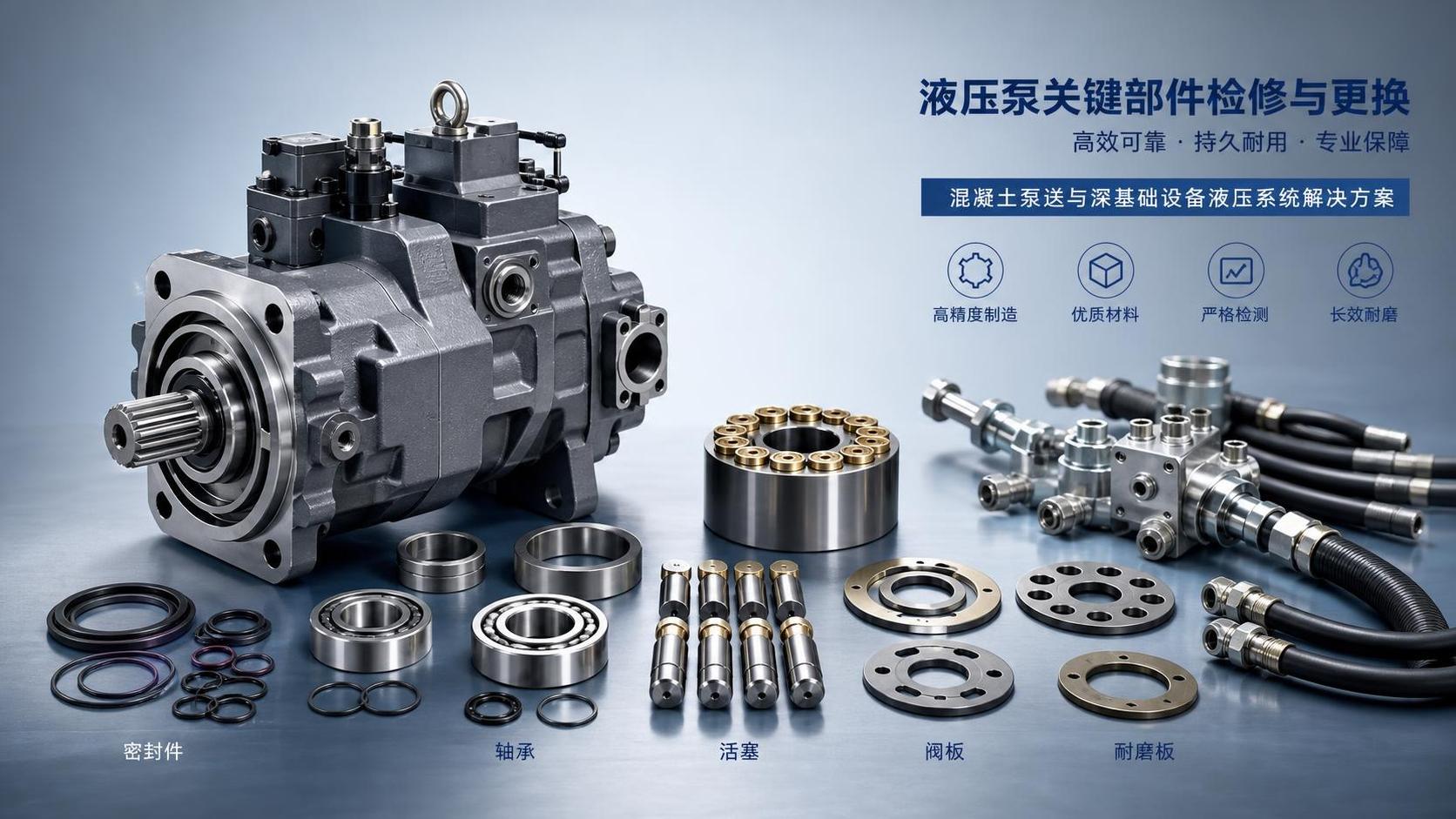
- hydraulic systems handling pressure, motion, and thermal stress
- electrical and control systems affecting interlocks, sensors, and diagnostics
- structural points where fatigue, vibration, and misalignment gradually appear
Missing any one of these layers creates blind spots. Many severe failures begin as small, mixed symptoms rather than one obvious breakdown.
Machine-specific focus areas across the concrete and foundation chain
Different machines fail in different ways. A broad concrete machinery maintenance guide should reflect those differences instead of treating the fleet as one category.
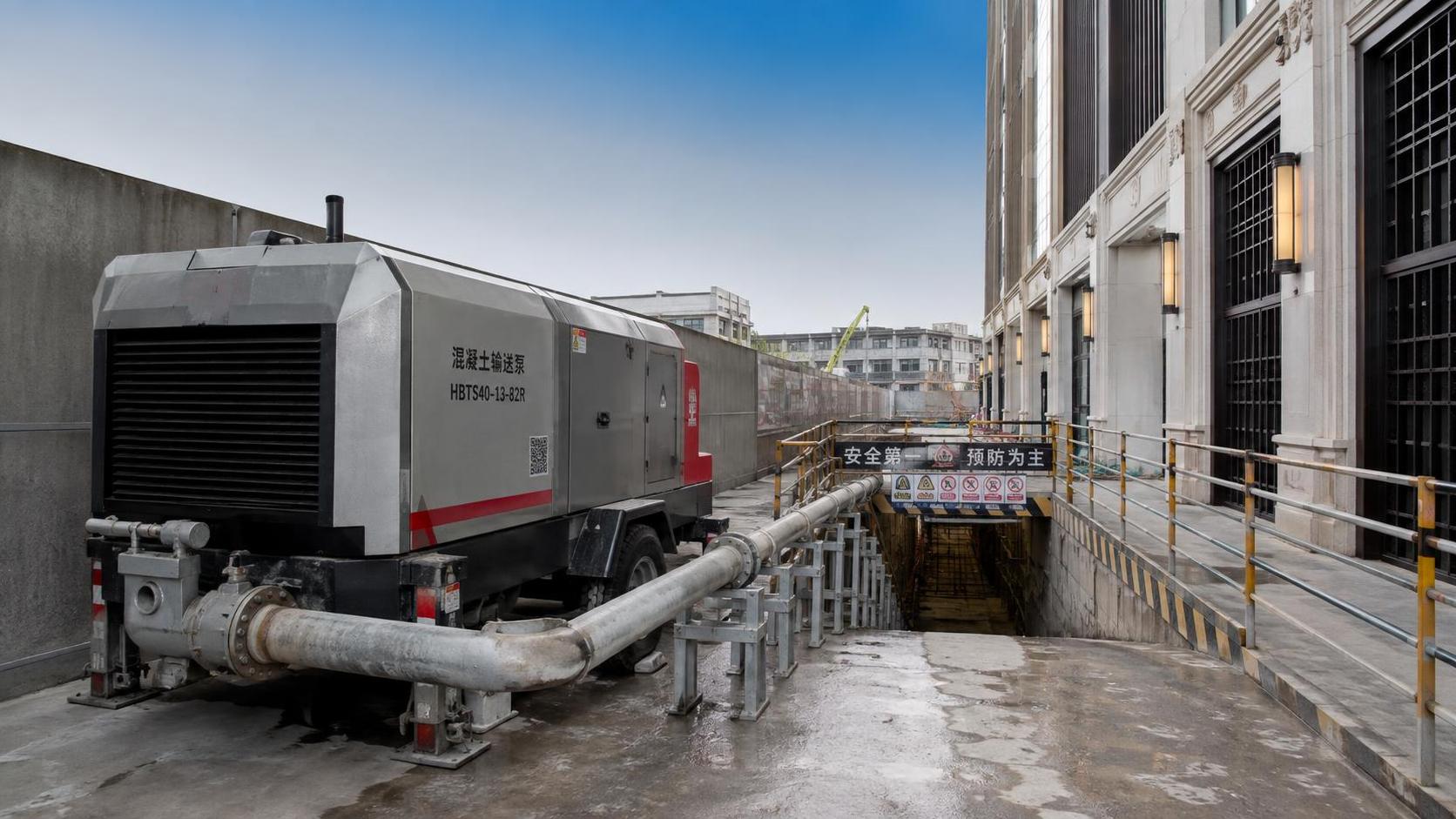
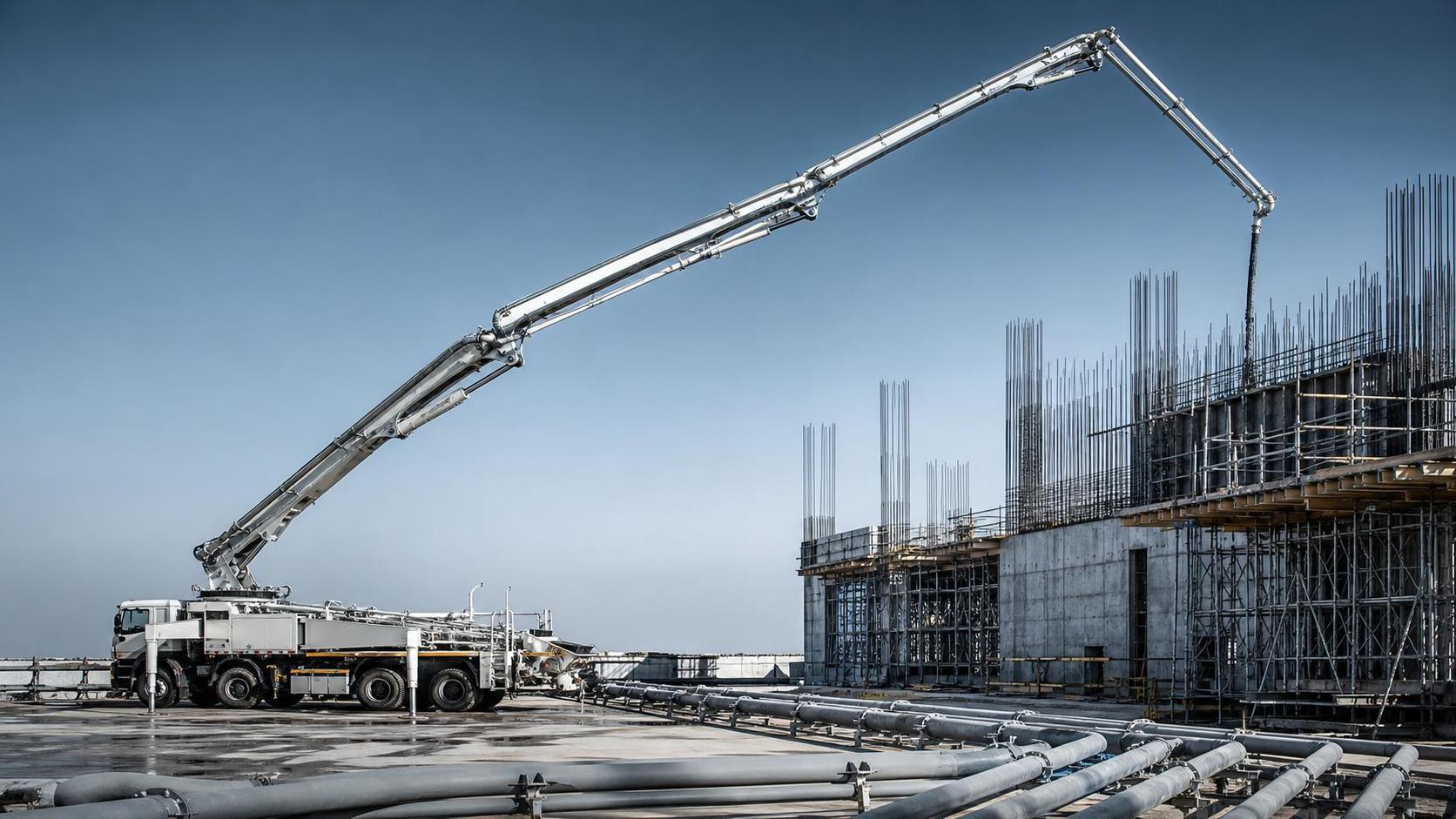
Concrete pump trucks
These machines combine hydraulic power, boom motion, and material delivery under high pressure. Common downtime triggers include worn delivery pipes, unstable hydraulic pressure, hopper blockage, cylinder seal deterioration, and boom joint fatigue.
Daily cleaning is not enough by itself. Pressure fluctuation trends, lubrication condition, and vibration behavior during boom movement often reveal problems before a visible fault appears.
Concrete mixer trucks
Mixer trucks face drum wear, chute damage, hydraulic drive issues, water system blockage, and frame contamination from hardened residual concrete. In newer electric models, battery cooling and power management add another service layer.
Poor washout routines shorten component life quickly. Hardened build-up increases load, changes balance, and accelerates wear on drive components.
Concrete batching plants
Batching plants are accuracy-driven assets. Maintenance problems often start with weighing deviation, sensor contamination, belt mistracking, mixer blade wear, dust collector inefficiency, and moisture measurement inconsistency.
The business impact is larger than a stoppage. Inaccurate batching can affect concrete quality, reject rates, and contract compliance.
Rotary drilling rigs and piling equipment
These machines operate in extreme conditions. Wear depends heavily on geology, torque demand, tool selection, and operator loading patterns. Key points include Kelly bar inspection, rotary head lubrication, mast alignment, wire rope condition, and bit wear mapping.
For piling equipment, hydraulic leaks, clamp wear, vibration system health, and structural stress around high-load joints deserve close monitoring.
Inspection routines that reduce unplanned stoppages
A strong concrete machinery maintenance guide turns inspection into a rhythm, not an event. The most reliable fleets separate checks into daily, weekly, and hour-based tasks.
Daily checks should stay simple and visible. Look for leaks, abnormal noise, unusual vibration, hose damage, loose fasteners, clogged filters, and signs of concrete hardening where it should not exist.
Weekly checks should go deeper. Review wear measurements, grease points, torque values, control alarms, and fluid contamination. Compare findings with the machine’s recent workload, not just the calendar.
Hour-based service is where many downtime reductions are won. Components such as seals, filters, cutting rings, bearings, and drill tools should be replaced according to actual duty severity, not only nominal intervals.
- Use trend logs for recurring alarms and temperature shifts.
- Document wear measurements with photos and dates.
- Link every replacement to root cause, not just symptom.
- Review cleaning quality after every concrete contact cycle.
From reactive repair to predictive service
The biggest upgrade in a 2026 concrete machinery maintenance guide is predictability. Service data should no longer sit in disconnected worksheets, memory, or scattered messages.
DFCS tracks how modern fleets increasingly combine field inspection with telematics, oil analysis, fault code history, and operating pattern data. That matters because many failures are forecastable when weak signals are collected early enough.
For example, rising hydraulic temperature, slower actuation, and minor seal sweating may predict a larger pressure-loss event. Repeated batching deviation and dust collector strain may indicate calibration issues or material flow imbalance before plant output is affected.
Predictive service does not eliminate hands-on maintenance. It makes the hands-on work better timed and better targeted.
Common gaps that keep downtime high
Many fleets already have checklists, yet downtime remains stubbornly high. The problem is often execution quality rather than the absence of procedure.
One common gap is treating all sites the same. Abrasive aggregates, hot climates, marine exposure, urban stop-start duty, and hard-rock drilling each change maintenance stress.
Another gap is replacing parts without diagnosing failure chains. A burst hose may come from pressure spikes, clamp damage, heat, contamination, or routing error. Without root-cause review, the same stoppage returns.
There is also the issue of poor handover between service visits. If inspection notes are inconsistent, trend analysis becomes unreliable, and the value of previous work is lost.
How to apply this guide in real operations
A concrete machinery maintenance guide becomes useful only when it supports decisions in the field. That means prioritizing tasks by downtime impact, safety risk, and replacement lead time.
Start by mapping the fleet’s failure history over the last twelve months. Separate chronic issues from one-off incidents. Then match them to machine type, site condition, and maintenance interval.
Next, identify the small number of components that stop production fastest. On pump trucks, that may be delivery wear parts and hydraulics. On batching plants, it may be sensors, mixer blades, and belts. On rotary rigs, tooling and rope systems usually deserve early attention.
Finally, build a service loop that combines inspection, diagnosis, verification, and recordkeeping. That loop is more valuable than any single emergency repair.
A practical direction for the next service cycle
The best concrete machinery maintenance guide for 2026 is not the longest one. It is the one that helps reduce repeat failures, sharpen fault judgment, and protect asset life across real project conditions.
For concrete and deep foundation equipment, maintenance now sits at the intersection of mechanics, data, safety, and sustainability. That is exactly why lifecycle intelligence has become central to platforms like DFCS.
A sensible next step is to review current inspection routines against actual downtime events, then adjust intervals, spare-part priorities, and diagnostic records machine by machine. That approach usually reveals improvement opportunities much faster than another generic checklist.
Industry Briefing
Get the top 5 industry headlines delivered to your inbox every morning.