
Concrete Machinery Maintenance Guide: 7 Checks That Prevent Downtime

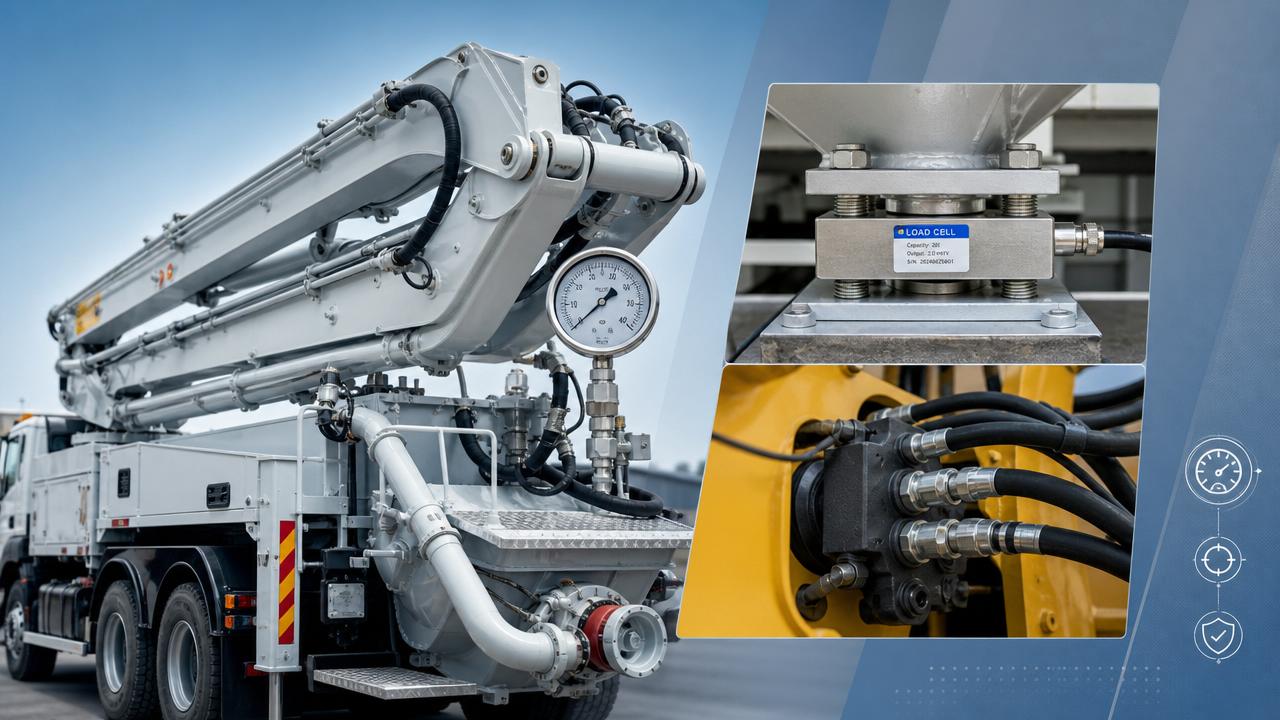
Concrete downtime usually starts long before a breakdown
A useful concrete machinery maintenance guide does not begin with emergency repair.
It begins where small warning signs appear under daily production pressure.
In batching plants, the signal may be unstable weighing accuracy.
On pump trucks, it is often pressure drift or unusual boom vibration.
In piling and drilling equipment, hidden wear usually appears before visible failure.
That is why this concrete machinery maintenance guide matters across the wider construction chain.
DFCS follows these systems as connected assets, not isolated machines.
The practical question is not only what failed.
It is what could have been checked earlier, and under which site conditions.
Actual jobsite conditions change what maintenance should catch first
Different concrete operations create different stress patterns, even when machines look similar on paper.
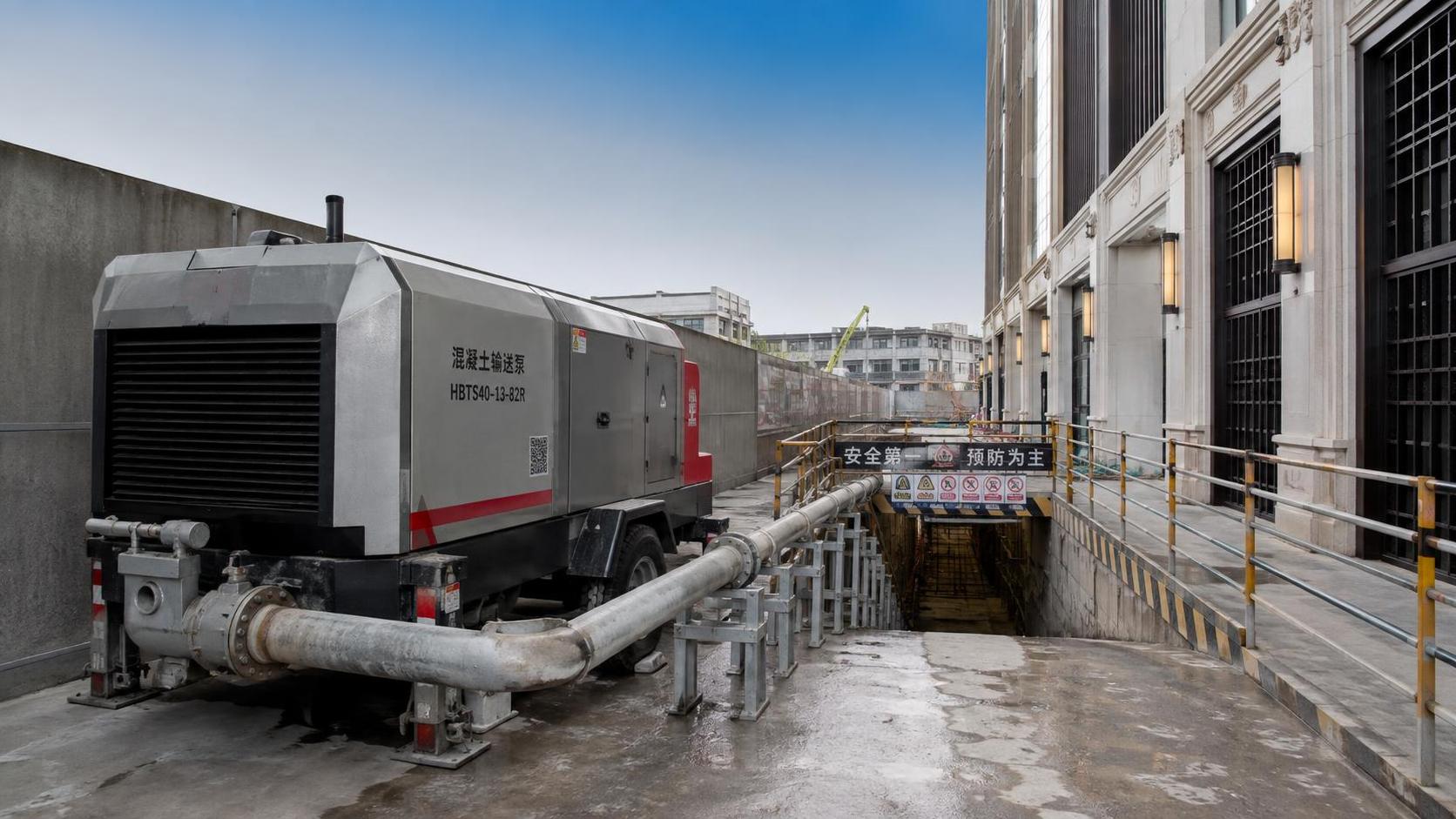
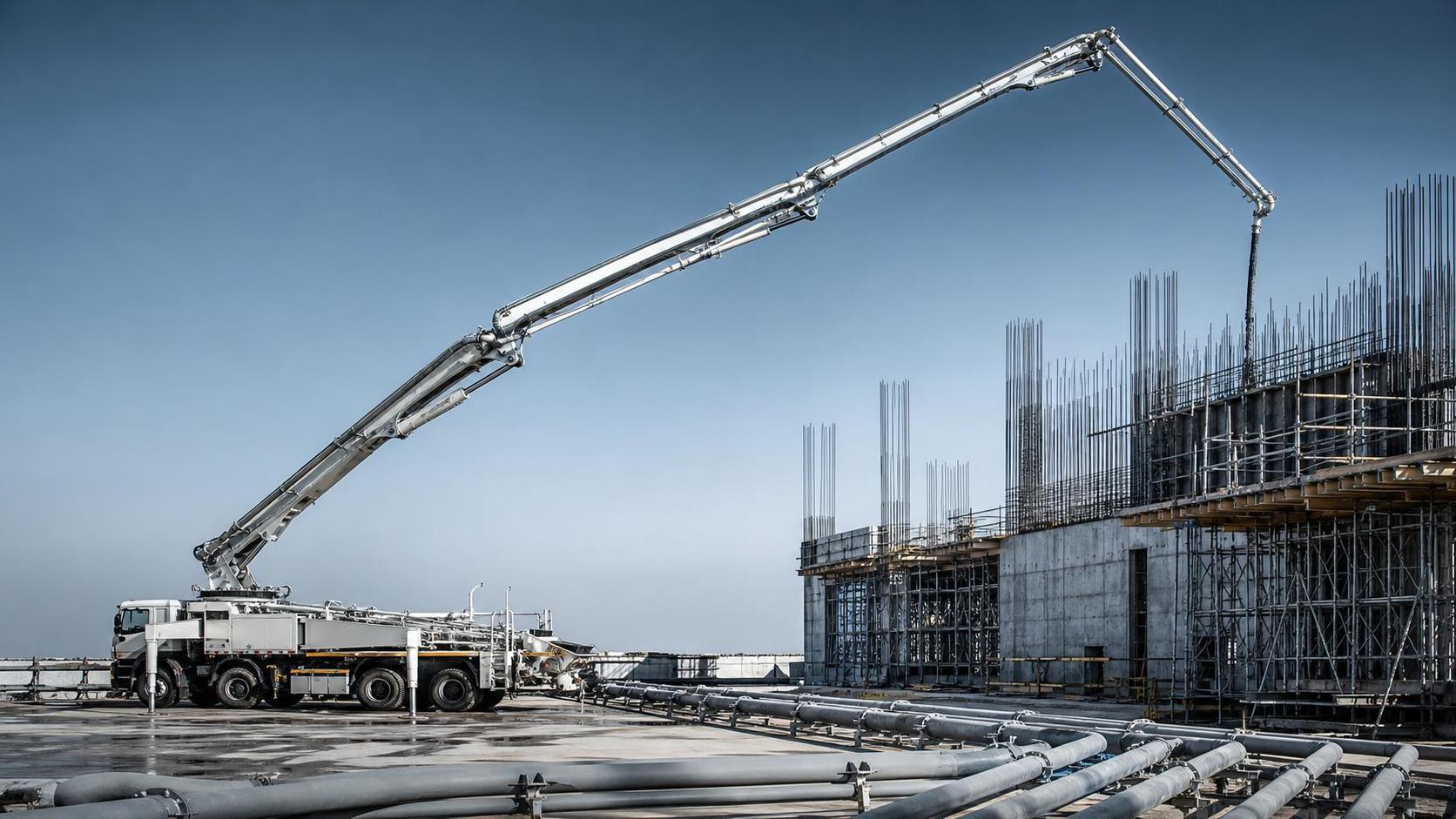
A city tower project pushes pump systems with long vertical delivery cycles.
A road corridor job stresses mixer rotation time, dust sealing, and fuel exposure.
Foundation work adds abrasive slurry, shock load, and changing geology.
So the best concrete machinery maintenance guide always starts with operating context.
More often than not, the wrong judgment comes from treating every machine hour as equal.
Hours under clean, stable production are not the same as hours in wet aggregate, heat, or hard rock.
The seven checks in a concrete machinery maintenance guide that stop bigger failures
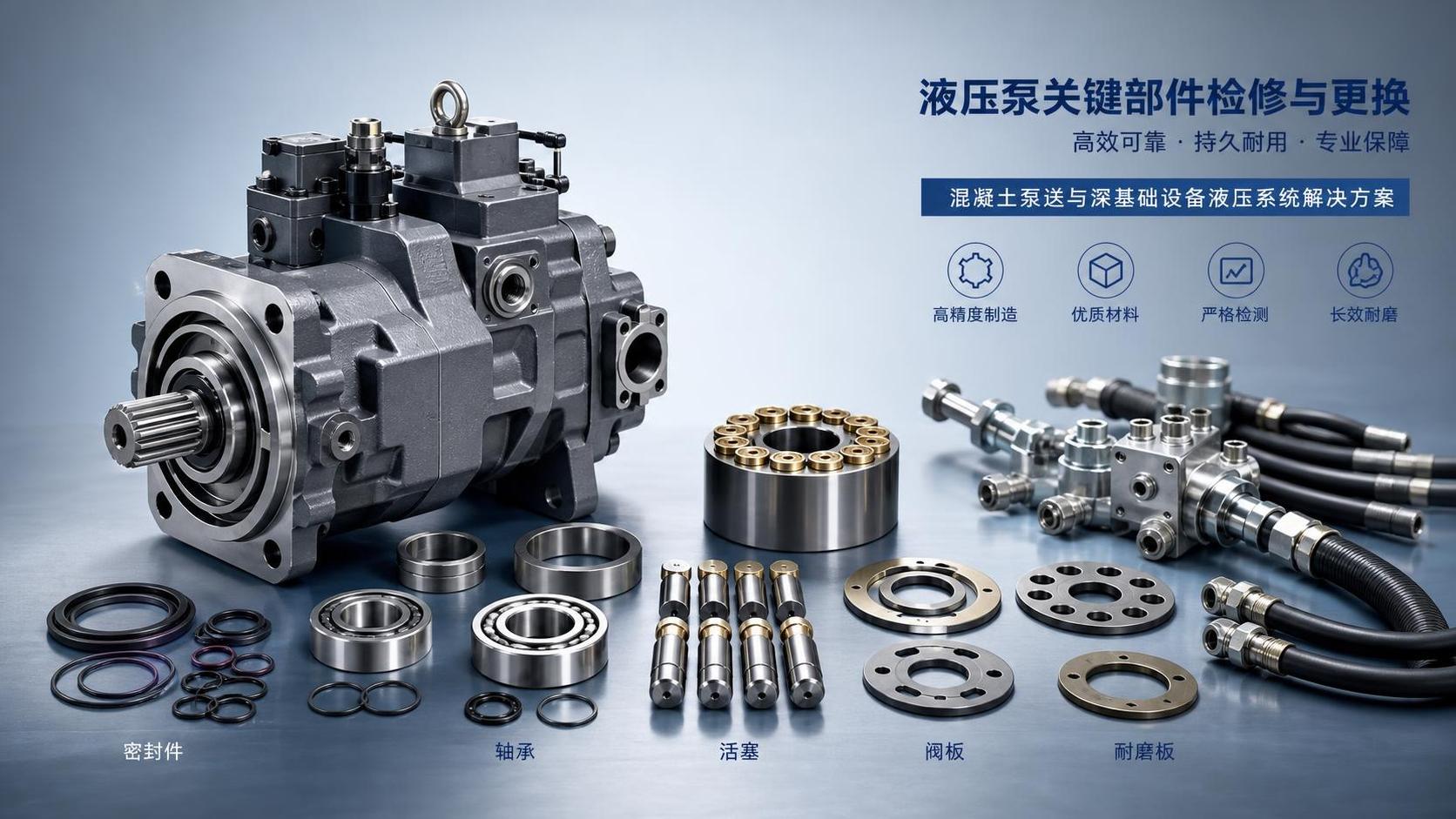
1. Watch hydraulic pressure before operators feel the loss
Pressure loss rarely becomes serious in one shift.
It usually starts as slower response, unstable output, or intermittent overheating.
For pump trucks and piling rigs, compare live readings with baseline operating windows.
When the machine works harder for the same result, leakage or internal wear is often already developing.
2. Check lubrication points where dust and slurry change the risk
Lubrication intervals should match contamination level, not only service calendar dates.
Batching plants near dry aggregate handling face dust loading.
Foundation equipment faces mud, abrasive fines, and water ingress.
A strong concrete machinery maintenance guide treats grease condition as evidence, not routine paperwork.
3. Track wear parts by pattern, not by guesswork
Wear does not spread evenly across elbows, liners, drill tools, and mixing blades.
In actual use, material type and cycle intensity decide where metal loss accelerates.
This is especially true when hard aggregate or rock fragments pass through high-load components.
Recording wear by location helps prevent replacing the wrong part too early or too late.
4. Inspect seals, hoses, and clamps before contamination spreads
Minor seepage is often dismissed because the machine still runs.
That judgment is costly on concrete equipment.
Once contamination reaches valves, bearings, or electrical housings, repair scope expands quickly.
A practical concrete machinery maintenance guide checks the leak path, not only the visible wet point.
5. Confirm electrical connections in vibration-heavy equipment
Electrical faults on concrete machinery often look mechanical at first.
Erratic sensors, delayed controls, or random shutdowns may come from connectors loosening under vibration.
This matters on boom pumps, static pile drivers, and modern batching systems with dense sensor networks.
Checking harness routing and terminal integrity prevents many hard-to-diagnose service calls.
6. Verify calibration where output quality depends on precision
For batching plants, maintenance is inseparable from mix accuracy.
A small weighing deviation can become a structural quality problem, not just a production nuisance.
On pumping equipment, sensor calibration also shapes safe pressure interpretation.
This part of a concrete machinery maintenance guide protects both uptime and engineering reliability.
7. Review structural fatigue where load cycles never look dramatic
Not every serious defect arrives with a visible crack.
Repeated motion at boom pivots, rig frames, and mast connections gradually changes alignment and stress distribution.
This is one of the most overlooked sections in any concrete machinery maintenance guide.
Trend records, torque checks, and targeted non-destructive inspection are usually more useful than casual visual review.
What changes between batching, pumping, and foundation equipment
The same maintenance checklist should not be applied with the same priority everywhere.
More practical maintenance planning comes from understanding where downtime begins in each process.
- Batching plants usually fail through sensor drift, dust contamination, conveyor misalignment, and delayed cleaning.
- Pump trucks usually show earlier warning through hydraulic instability, delivery line wear, and boom joint fatigue.
- Mixer trucks often need closer attention to drum drive condition, residual buildup, and power system heat load.
- Rotary drilling rigs and piling machinery demand tighter focus on tool wear, seals, mast stability, and impact-related loosening.
DFCS tracks these differences because modern concrete systems are becoming more digital, more automated, and more regulated.
As electrification and enclosed low-carbon plant designs increase, maintenance judgment also changes.
A reliable concrete machinery maintenance guide now needs to include data quality, connector integrity, and contamination discipline.
Where maintenance decisions are often misjudged
A common mistake is relying on manufacturer intervals without adjusting for site severity.
Another is replacing parts only after visible failure, especially in high-pressure delivery systems.
Some teams also separate quality issues from maintenance issues when they are clearly linked.
In batching plants, inaccurate weighing can start as a maintenance lapse.
In drilling rigs, unexpected tool loss may follow ignored wear mapping.
In pump trucks, repeated hose replacement may hide deeper pressure imbalance.
How to turn this concrete machinery maintenance guide into a working routine
The most useful next step is to build inspection frequency around failure consequences, not around convenience.
Critical pressure, calibration, and structural checks should have trend records, not one-off notes.
Machines working in hard rock, abrasive aggregate, or narrow urban schedules need shorter review loops.
Where equipment fleets mix older hydraulics with newer digital controls, cross-checks become even more important.
This concrete machinery maintenance guide works best when each site defines baseline readings, wear thresholds, contamination triggers, and stop-work limits.
That creates a clearer standard for comparing operating conditions, repair timing, and lifecycle cost.
If the goal is fewer breakdowns, the practical path is simple.
Review the seven checks against actual site conditions, rank the highest-risk assets, and tighten the points where early warnings are already visible.
Industry Briefing
Get the top 5 industry headlines delivered to your inbox every morning.