
Concrete Pump Equipment Cost: What Changes the Final Budget?

Concrete Pump Equipment Cost: What Changes the Final Budget?
Concrete pump equipment cost can move much faster than an initial quote suggests.
On paper, two machines may look similar.
In practice, their final budget can be far apart.
That gap usually comes from configuration, compliance, logistics, and lifecycle decisions.
For budget approval, the real issue is not only purchase price.
It is total capital exposure, operating risk, and payback reliability.
A disciplined view of concrete pump equipment cost helps avoid underbudgeting and weak supplier comparisons.
Why Concrete Pump Equipment Cost Varies So Much
The first reason is simple: concrete pumping is not one product category.
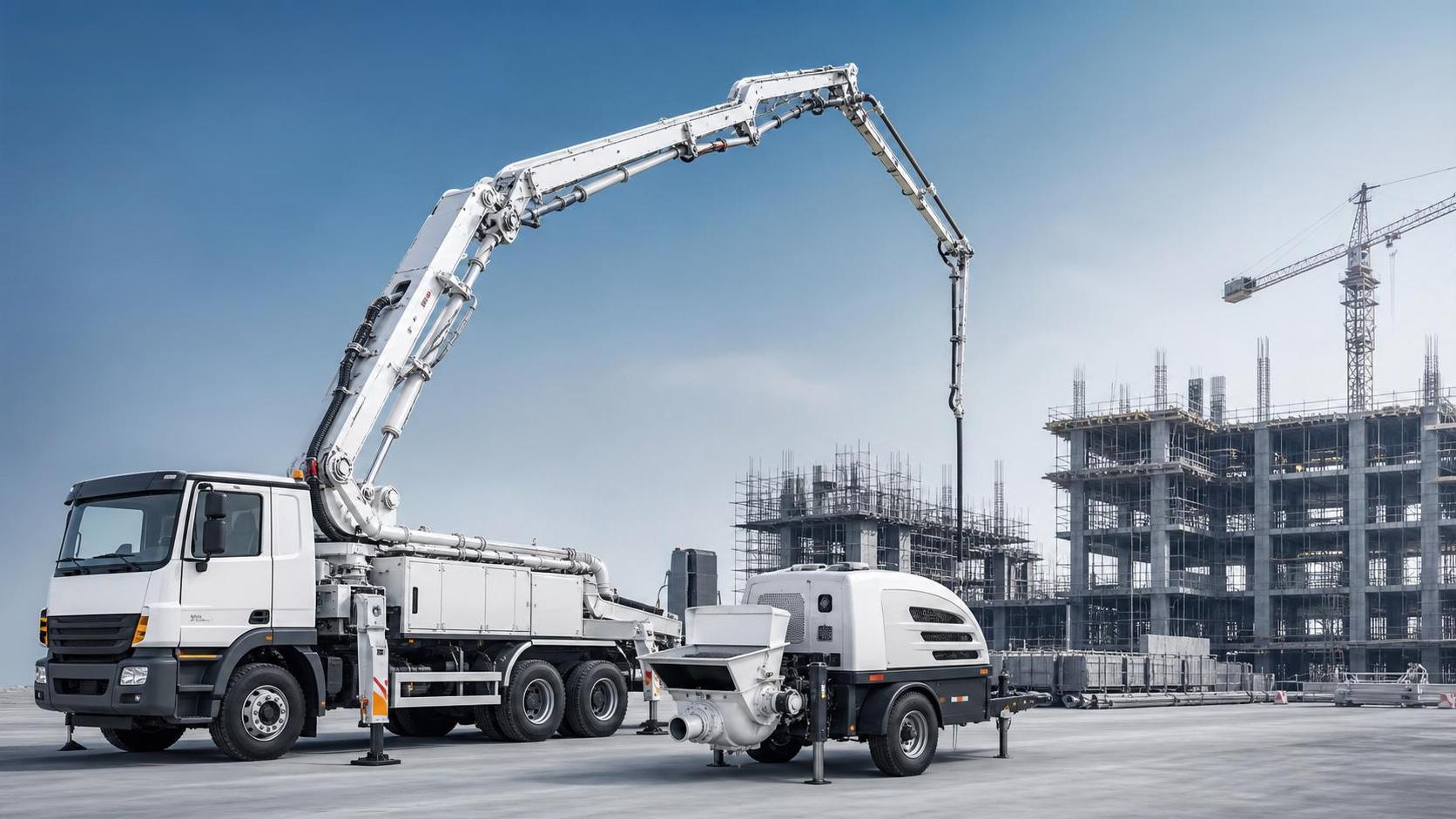
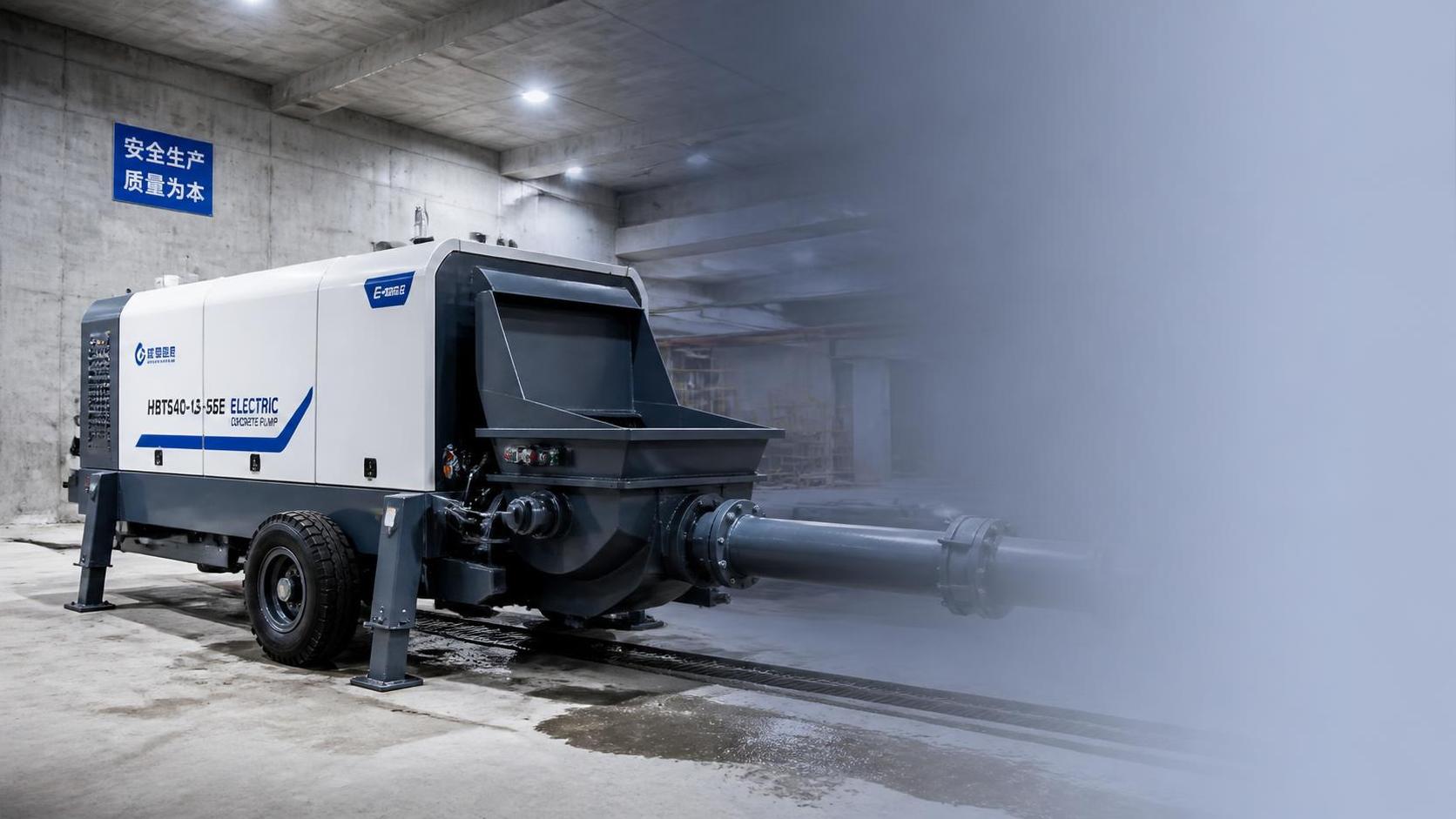
Truck-mounted boom pumps, line pumps, trailer pumps, and stationary pumps serve different job profiles.
Each option changes mobility, placement speed, labor demand, and maintenance exposure.
This is why concrete pump equipment cost should be tied to application, not catalog appearance.
The second reason is project intensity.
Urban high-rise pours, bridge decks, tunnels, and remote foundations create very different load conditions.
More demanding sites require stronger hydraulics, better wear resistance, and smarter controls.
Those upgrades raise upfront spend, but they can lower downtime later.
The Main Cost Drivers Behind the Final Price
1. Boom Length and Vertical Reach
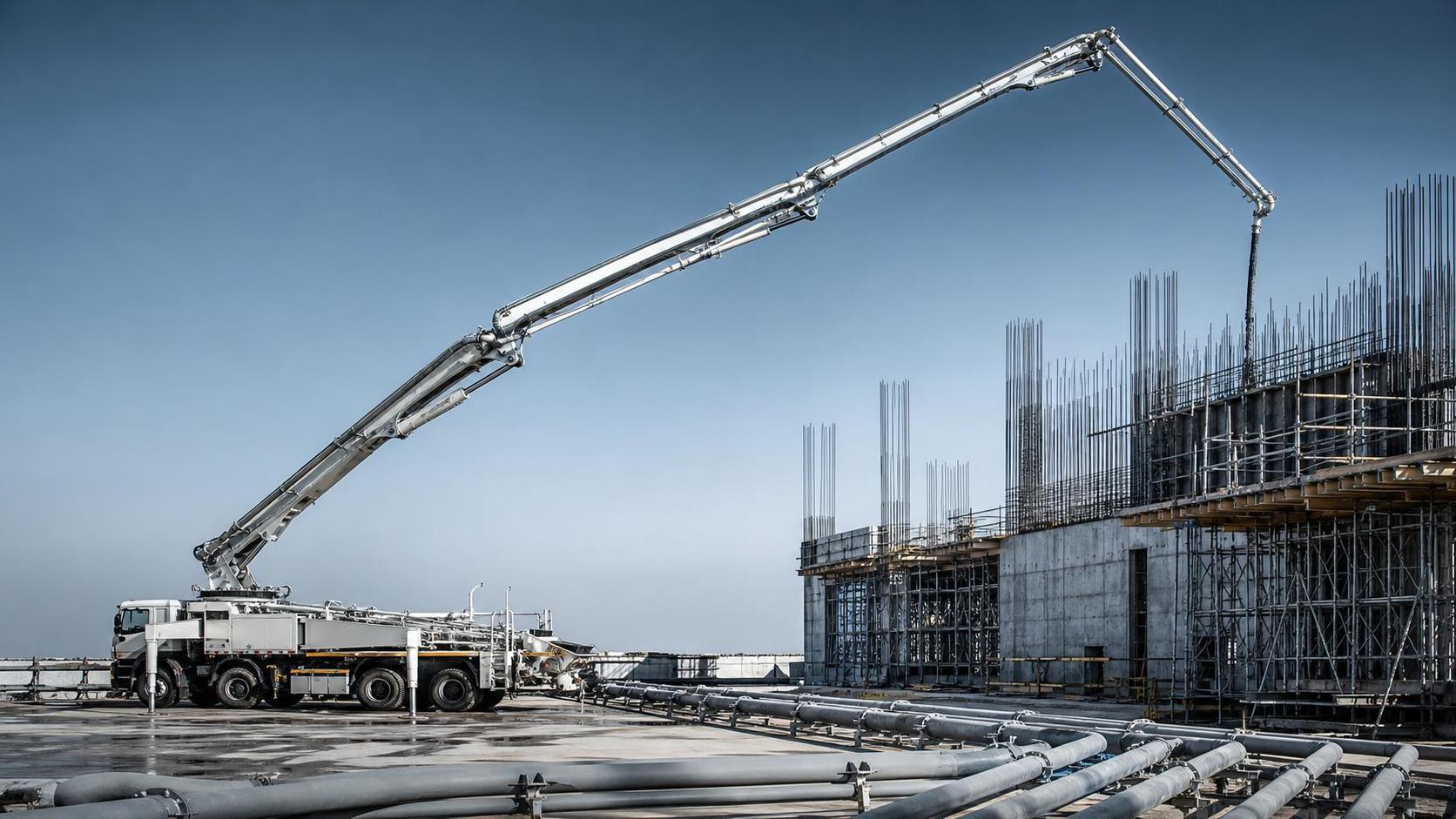
Boom length is often the most visible price driver.
Longer booms need more steel strength, more stability control, and more advanced folding geometry.
That directly lifts concrete pump equipment cost.
It also affects transport limits, setup space, and axle loading.
A longer boom only pays off when site access and pour height justify it.
2. Pumping Capacity and Pressure
Output rate and pressure rating shape both price and operating value.
Higher cubic meter output supports faster pours.
Higher pressure helps on long pipelines, tall structures, and dense mixes.
However, oversized capacity can reduce return on capital if utilization stays low.
In cost reviews, the right question is not maximum output.
It is usable output across the actual project mix.
3. Chassis Brand and Mobility Platform
For truck-mounted units, chassis choice matters more than many buyers expect.
A premium chassis can raise concrete pump equipment cost at purchase.
But it may improve fuel efficiency, road compliance, uptime, and resale value.
This becomes more important in markets with long travel distances between sites.
4. Wear Parts and Material Quality
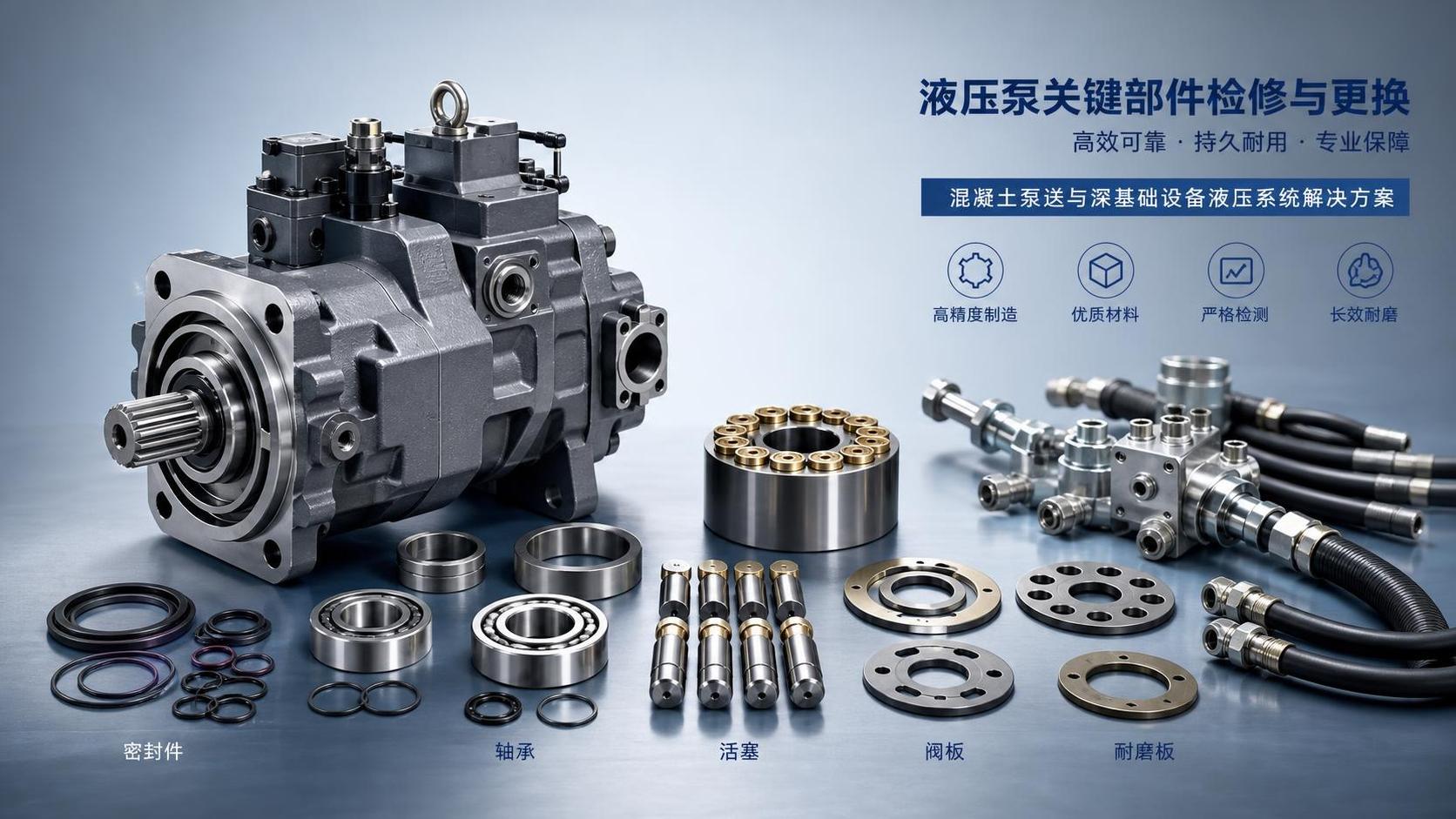
Delivery cylinders, pipes, elbows, pistons, and wear plates influence the hidden budget.
Low-cost machines can look attractive until abrasive aggregates increase replacement frequency.
A lower initial concrete pump equipment cost can become a higher annual ownership cost.
This is especially true in infrastructure work with long pumping distances.
5. Automation, Telematics, and Control Systems
Modern pumps increasingly include remote diagnostics, stability monitoring, and smart pumping controls.
These features raise concrete pump equipment cost upfront.
Yet they can reduce operator error, improve fleet visibility, and shorten service response time.
In large fleets, data visibility often has direct financial value.
6. Emissions Rules and Local Compliance
Emissions stage, safety certification, and local road requirements can reshape the budget.
A machine priced for one country may need upgrades before legal use in another.
That includes braking, lighting, load distribution, and operator protection systems.
Ignoring this point can distort any concrete pump equipment cost comparison.
Costs Beyond the Machine Price
The quoted machine price is only the visible layer.
The final budget should include the full delivery and ownership structure.
- Shipping, import duty, and inland transport
- Commissioning, testing, and operator training
- Spare parts starter package
- Warranty scope and exclusions
- Planned maintenance intervals
- Fuel or power consumption
- Insurance, permits, and registration
- Downtime risk during peak project windows
In real procurement reviews, these items often explain budget overruns more than base price changes.
That is why concrete pump equipment cost should be reviewed as a landed and operating figure.
How to Compare Supplier Quotes Without Missing Risk
A low quote is not always a low-cost deal.
Supplier comparisons should be normalized before any approval step.
- Match boom length, pressure, output, and chassis on the same basis.
- Check whether wear parts and accessories are included.
- Confirm delivery lead time and penalty exposure for delay.
- Review warranty duration, response time, and local parts availability.
- Ask for references from similar projects and pumping conditions.
- Model annual utilization and expected maintenance spend.
This process makes concrete pump equipment cost easier to compare on equal ground.
It also reduces the chance of approving a machine that later needs expensive corrections.
When Higher Concrete Pump Equipment Cost Makes Financial Sense
A higher quote can be justified when it protects project continuity.
That usually happens in three situations.
- The machine will run at high utilization across multiple sites.
- Downtime would disrupt concrete supply, labor scheduling, or project penalties.
- The equipment must meet strict urban compliance or premium contractor standards.
In these cases, better reliability and stronger support can outweigh purchase savings.
The better question is whether the higher concrete pump equipment cost lowers the cost of failure.
A Practical Budget Framework
A workable approval model should stay simple and measurable.
Using this framework keeps concrete pump equipment cost tied to cash flow reality.
It also improves discussions between procurement, operations, and project planning teams.
Final Takeaway
Concrete pump equipment cost is shaped by far more than the sticker price.
Boom reach, pressure, chassis, wear life, automation, and compliance all shift the final budget.
More importantly, shipping, startup, maintenance, and downtime can change the economics after purchase.
The most reliable decision comes from comparing total ownership, not isolated quotes.
Before approval, align the equipment specification with project type, utilization level, and compliance needs.
That is the most practical way to control concrete pump equipment cost and protect long-term project returns.
Industry Briefing
Get the top 5 industry headlines delivered to your inbox every morning.