
Underground Construction Safety Protocols That Cut Site Risk

Underground Construction Safety Protocols That Cut Site Risk
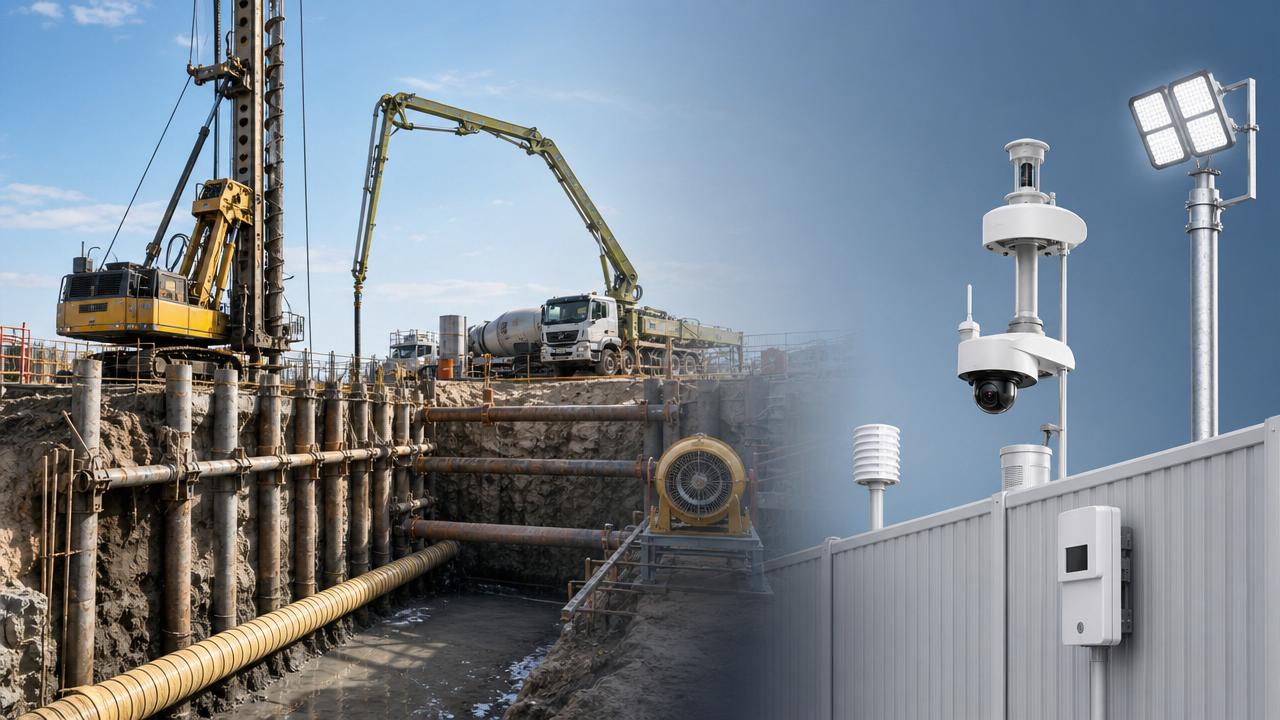
In underground works, risk rarely comes from one failure point. It builds through geology, equipment pressure, confined access, and rushed decisions.
Effective underground construction safety protocols connect production targets with incident-free delivery across deep foundations, piling, pumping, and concrete operations.
The goal is simple: control ground instability, machinery hazards, ventilation risks, and process deviations before they become costly failures.
What Do Underground Construction Safety Protocols Really Cover?
Underground construction safety protocols are not a single checklist. They are a layered control system for people, machinery, ground, and concrete processes.
They begin before excavation, drilling, or pumping starts. Geological interpretation, access planning, emergency routes, and equipment limits must be confirmed early.
For deep foundation works, the protocols must address borehole collapse, slurry stability, falling objects, rig overturning, and pile integrity risks.
For concrete pumping, they must control line pressure, hose whip, blockage release, boom movement, and communication between operators.
For batching and mixer operations, they include material traceability, dust containment, traffic separation, washout handling, and safe maintenance isolation.
Strong underground construction safety protocols also define decision authority. When ground behavior changes, work must stop before production pressure overrides evidence.
Core control layers
- Ground investigation and daily verification.
- Plant, rig, pump, and lifting equipment inspections.
- Confined space, ventilation, and gas monitoring rules.
- Concrete quality, pressure control, and delivery sequencing.
- Emergency rescue, communication, and exclusion zones.
Where Do Underground Construction Safety Protocols Matter Most?
The highest-risk zones are not always the deepest locations. They are places where uncertainty, energy, and limited escape routes overlap.
Rotary drilling in mixed strata is one example. Quicksand, cobbles, and fractured rock can change load response within a few meters.
Underground construction safety protocols should require drilling parameter tracking. Torque, penetration rate, mud level, and spoil character reveal hidden changes.
Piling operations create another critical zone. Vibratory driving, hydraulic static pressing, and impact installation each produce different hazard patterns.
Noise, vibration, ground heave, nearby utilities, and pile deviation must be monitored against pre-set limits, not judged casually.
Concrete pumping near shafts, tunnels, basements, or retaining walls also needs strict supervision. Pressure spikes can become mechanical failures quickly.
A practical rule is useful: when energy is stored, confined, or transferred, underground construction safety protocols must become more detailed.
Typical high-risk interfaces
- Drilling rigs working close to unsupported excavation edges.
- Pump lines crossing pedestrian or vehicle routes.
- Mixer trucks reversing near pile cages or open shafts.
- Batching plants handling cement dust and chemical admixtures.
- Maintenance teams entering hoppers, silos, or confined chambers.
How Should Ground and Geological Risk Be Controlled?
Ground risk is the foundation of underground safety. If the ground model is weak, every downstream decision becomes fragile.
Reliable underground construction safety protocols require a living ground register. It should compare design assumptions with field observations daily.
Borehole logs, groundwater readings, trial pits, laboratory results, and instrumentation data must not remain isolated documents.
They should guide casing depth, slurry density, pile sequence, support timing, and exclusion zones around unstable faces.
For rotary drilling rigs, the protocol should define action triggers. Sudden tool drop, slurry loss, or abnormal vibration needs immediate review.
For diaphragm walls and bored piles, slurry testing is essential. Density, viscosity, sand content, and pH must meet specified ranges.
For urban piling, ground movement monitoring protects surrounding assets. Settlement markers and inclinometers should be read against alert levels.
Good underground construction safety protocols avoid vague phrases like “monitor closely.” They state what to measure, how often, and who responds.
Ground control checklist
- Confirm subsurface data before mobilizing heavy rigs.
- Mark underground utilities and verify them physically.
- Set trigger levels for settlement, tilt, and vibration.
- Record groundwater and slurry behavior during each shift.
- Stop work when readings exceed agreed thresholds.
How Can Machinery Hazards Be Reduced During Deep Foundation Work?
Heavy equipment adds power and precision, but it also concentrates risk. Underground construction safety protocols must match each machine’s energy profile.
Rotary drilling rigs need stable platforms, verified bearing capacity, controlled slew zones, and inspected mast systems.
Piling machinery requires attention to clamps, hydraulic pressure, pile alignment, vibration exposure, and nearby structures.
Concrete pump trucks need boom clearance control, outrigger bearing checks, pipeline anchoring, and blockage response procedures.
Mixer trucks need segregated routes, reversing controls, drum inspection, brake checks, and clear communication at discharge points.
Batching plants require lockout procedures, guarded conveyors, silo overpressure protection, dust filtration, and safe access for cleaning.
Automation improves consistency, but it does not remove accountability. Sensors, alarms, and interlocks must be tested, not assumed reliable.
High-quality underground construction safety protocols define inspection frequency. Daily checks differ from weekly maintenance and certified periodic examinations.
Machinery control priorities
- Verify ground bearing capacity before positioning equipment.
- Keep personnel outside slew, lifting, and discharge zones.
- Use pressure-rated pipes, clamps, hoses, and safety chains.
- Stop pumping before clearing a blocked line.
- Document defects and prevent unsafe restart.
What Should a Practical Protocol Include for Concrete Pumping and Batching?
Concrete processes create safety and quality risks at the same time. Poor control can damage structures and endanger workers.
Underground construction safety protocols should connect mix design, batching accuracy, transport time, pumpability, and placement sequence.
A stiff mix may cause line blockage. An overly wet mix may reduce strength, increase segregation, or create placement defects.
Batching plants should use calibrated weighing systems, moisture correction, admixture controls, and traceable production records.
Mixer trucks should arrive within approved time windows. Drum speed, temperature, and water additions must be controlled.
Pump operators should confirm pipeline layout, maximum pressure, safe discharge direction, and emergency stop access before starting.
Underground works often have limited visibility. Clear hand signals, radios, and one appointed pumping coordinator reduce confusion.
For low-carbon concrete, protocols may need extra controls. Supplementary cementitious materials can affect setting, bleeding, and pumping behavior.
The safest concrete operation is one where quality data and pressure data are reviewed together, not separately.
Pumping and batching control points
Which Mistakes Make Underground Construction Safety Protocols Fail?
Many incidents happen despite written rules. The problem is often execution, not the absence of documentation.
One common mistake is copying generic procedures. Underground construction safety protocols must reflect actual geology, equipment, sequence, and constraints.
Another mistake is treating inspection as paperwork. A signed checklist has little value if defects remain unresolved.
Poor communication also weakens control. Deep foundations involve drilling, lifting, pumping, logistics, testing, and concrete supply moving together.
If each activity uses separate assumptions, the site becomes vulnerable at interfaces.
A third mistake is ignoring near misses. Slurry loss, pressure spikes, minor settlement, or repeated hose movement are early warnings.
Modern equipment data can help. Pump pressure curves, rig torque logs, batching records, and vibration data reveal developing risks.
However, data must trigger decisions. Underground construction safety protocols should define escalation steps before alarms are activated.
Warning signs that need immediate review
- Unexpected settlement or cracking near excavation boundaries.
- Repeated concrete pump blockage or pressure surging.
- Abnormal rig vibration, mast movement, or tool drop.
- Gas readings, oxygen deficiency, or poor ventilation alarms.
- Uncontrolled water inflow or sudden slurry level changes.
How Can Teams Implement Underground Construction Safety Protocols Without Slowing Work?
Safety protocols should remove uncertainty, not add delay. The best systems make safe decisions faster and more consistent.
Start by separating critical controls from routine administration. Critical controls prevent fatal or structural failure events.
Examples include rig platform approval, confined space entry permits, pump line pressure checks, and excavation support verification.
Next, use short pre-task briefings. They should focus on changing conditions, equipment interfaces, exclusion zones, and emergency signals.
Digital tools can improve follow-up. Photos, sensor readings, maintenance records, and inspection actions should be easy to retrieve.
Training must be specific. A pump line blockage drill is more useful than a generic safety lecture.
Underground construction safety protocols should also support low-carbon and automated construction. New materials and electric machinery change operating behavior.
Electric mixer trucks, enclosed batching plants, and intelligent rigs reduce some hazards, but introduce battery, software, and maintenance risks.
Implementation works best when protocols are reviewed after each major phase, not only after an incident.
Implementation roadmap
- Map site hazards by activity, equipment, and location.
- Define critical controls for high-energy tasks.
- Set measurable trigger levels and stop-work rules.
- Train crews with practical drills and real scenarios.
- Audit field behavior, not only completed forms.
- Update protocols after design changes or ground surprises.
FAQ: Practical Answers on Underground Construction Safety Protocols
Conclusion: Turn Protocols Into Field Control
Underground construction safety protocols work when they are specific, measurable, and connected to real site behavior.
They should link geology, machinery, concrete quality, ventilation, access, and emergency response into one operating framework.
For deep foundations, piling, batching, and pumping, the safest projects are those that detect weak signals early.
Review current underground construction safety protocols against actual equipment, ground conditions, and concrete delivery plans.
Then close the gaps with clear triggers, practical drills, reliable data, and disciplined stop-work authority.
That is how underground construction safety protocols move from documents to daily risk reduction.
 How to Evaluate Delivery Reliability from Overseas Construction Machinery SuppliersTime : Sep 01, 2026
- Which concrete equipment industry trends are reshaping plant investment decisionsTime : Aug 19, 2026
- How construction machinery sustainability trends affect fleet upgrade decisionsTime : Aug 14, 2026

Industry Briefing
Get the top 5 industry headlines delivered to your inbox every morning.