
Modern Construction Techniques Reshaping Mega-Infrastructure Projects

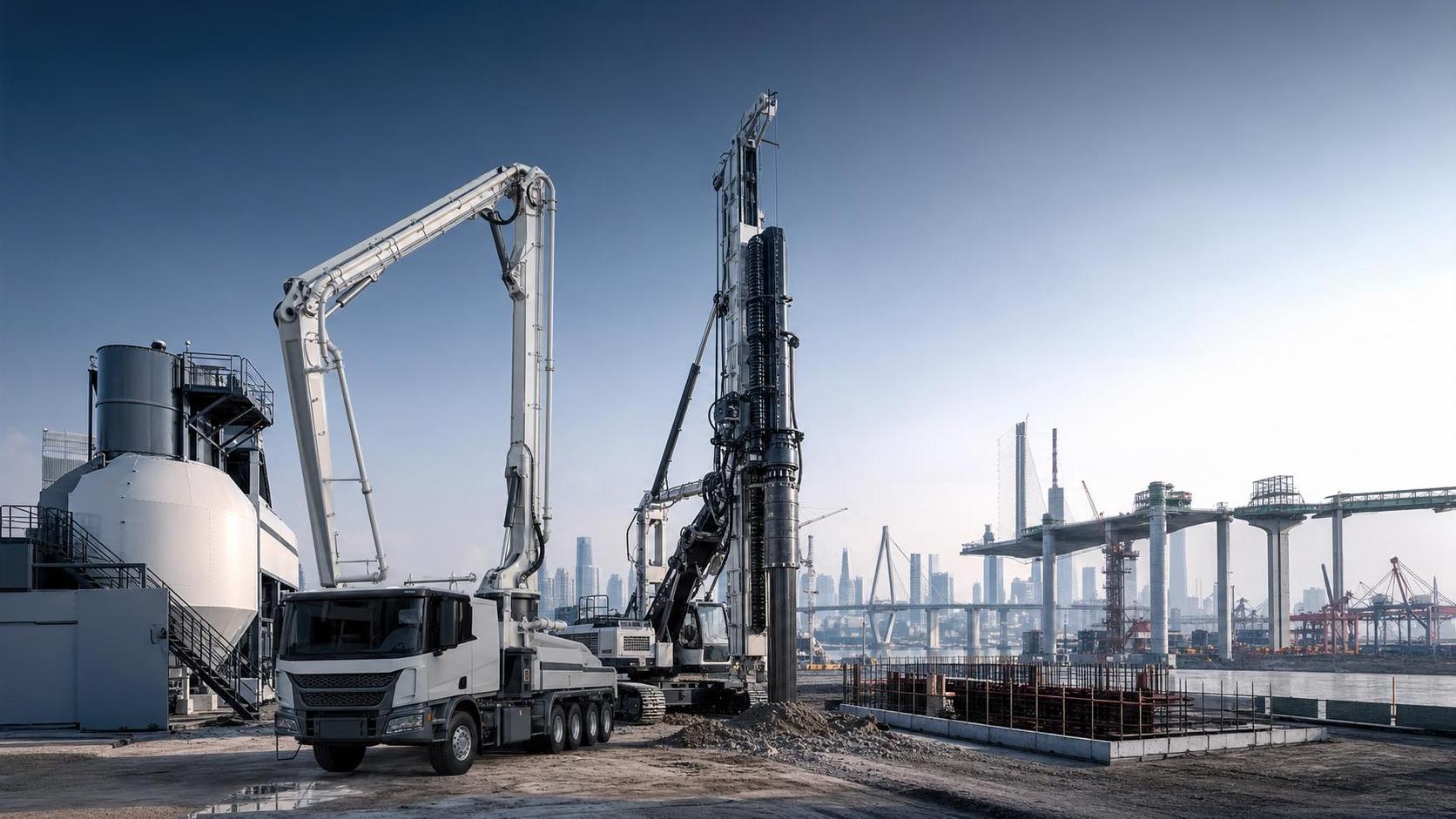
Modern construction techniques are changing the logic of mega-project delivery
Modern construction techniques no longer sit at the edge of engineering strategy. They now shape capital timing, risk allocation, and delivery credibility across mega-infrastructure projects.
What looks like a technical upgrade is actually a wider operating shift. Concrete systems, deep foundation equipment, and digital controls are becoming tightly linked decision variables.
That shift is especially visible in large transport corridors, ports, energy facilities, and urban superstructure programs. Schedules are tighter, geology is harder, and environmental scrutiny is sharper.
In this context, modern construction techniques matter because they compress uncertainty. They help teams manage pumping precision, piling depth, material consistency, and site emissions in one framework.
The deeper change is not only faster execution. It is the move from equipment as isolated assets to equipment as coordinated, measurable, and increasingly intelligent production systems.
Why the signal has become stronger in recent project cycles
Several pressures are pushing modern construction techniques into the center of project planning. The first is scale. Larger spans, taller structures, and deeper foundations leave less room for improvisation.
The second is financing discipline. Investors and public owners increasingly reward delivery models that show predictable output, traceable quality, and lower lifecycle disruption.
A third driver comes from regulation. Noise restrictions, dust control, carbon reporting, and zero-emission targets now influence equipment shortlisting much earlier than before.
More importantly, the market has moved beyond broad digital promises. Site operators now expect practical gains from IoT weighing, remote diagnostics, automated batching, and precision drilling controls.
This is why modern construction techniques are no longer judged only by machine performance. They are judged by how well they fit project governance, compliance, and long-term asset reliability.
Concrete and foundations are now the clearest proving ground
Across global heavy construction, the most visible progress is happening where concrete logistics meet underground engineering. That is where delay risk and quality risk often converge.
Concrete pump trucks have evolved beyond reach and pressure. Their value now includes boom stability, vibration control, and reliable placement in congested or elevated work faces.
Mixer trucks are also changing role. The market increasingly values electric drivetrains, lighter structures, and better thermal control because supply consistency now affects both carbon targets and pour quality.
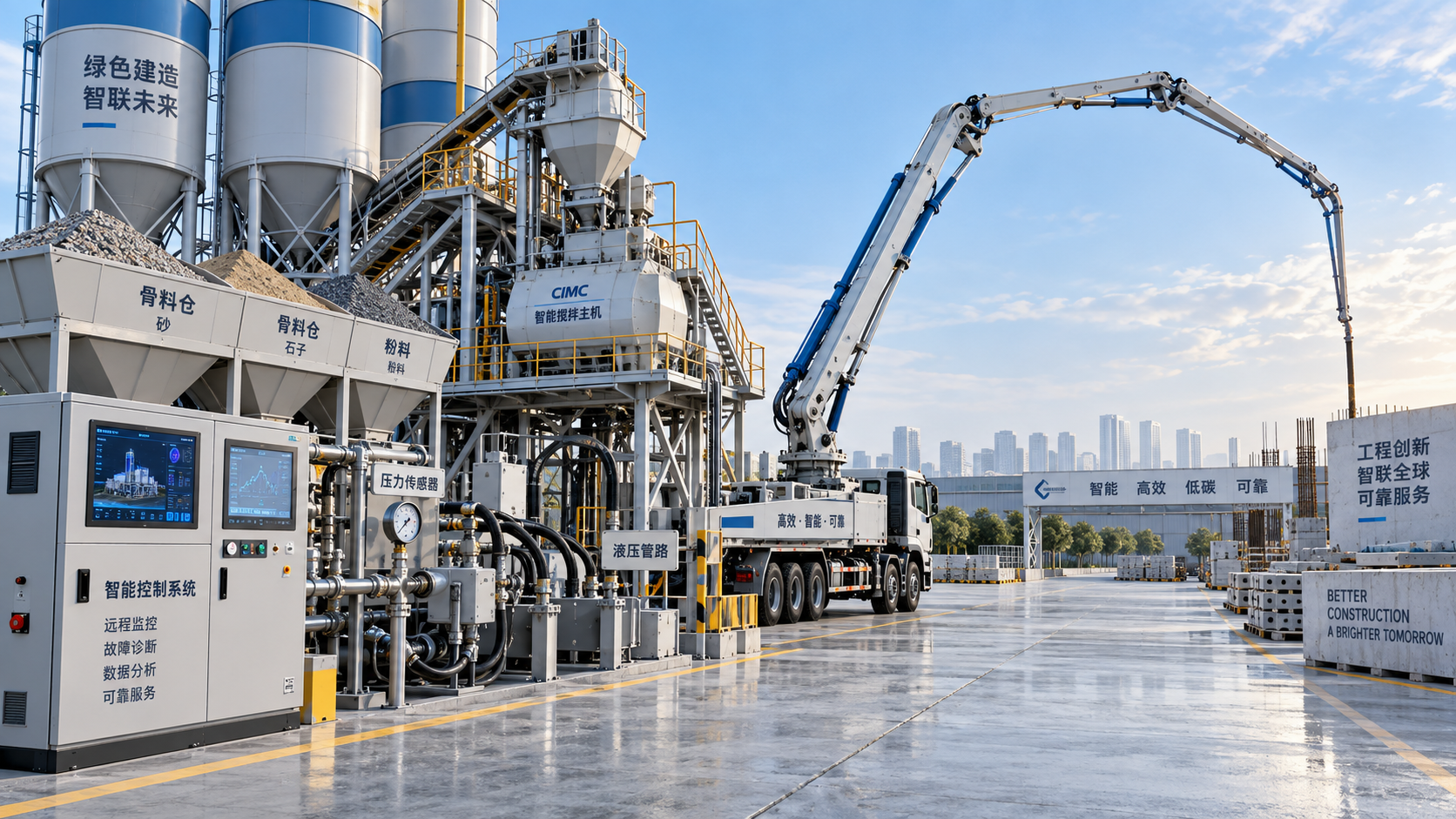
Batching plants are becoming data-rich production hubs. High-precision weighing, enclosed dust systems, and automated ratio control help projects defend strength standards under tighter scrutiny.
Below ground, rotary drilling rigs and piling machinery are carrying more strategic weight. Urban density, hard rock variability, and sensitivity to noise are forcing smarter drilling, quieter piling, and better load-path certainty.
This is where DFCS has clear relevance as an intelligence source. Its focus on pumping pressures, rock mechanics, wear behavior, and low-carbon transition mirrors the real bottlenecks shaping project competitiveness.
The real impact goes far beyond engineering teams
One common mistake is to treat modern construction techniques as a site-level issue only. In reality, they influence commercial planning, contract structure, and reputation across the full project chain.
When batching becomes more intelligent, quality disputes can be resolved faster. When pumping becomes more precise, pouring windows become easier to protect in high-risk programs.
When deep foundation methods improve, design assumptions become more reliable. That changes contingency planning, insurance conversations, and even the confidence behind future bids.
- Project planning gains better schedule certainty from synchronized equipment and material flows.
- Compliance teams gain stronger reporting through measurable emissions, dust, and noise performance.
- Asset owners gain more predictable durability through tighter concrete quality and foundation execution.
- Bidding strategy gains strength when technical capability is backed by traceable process data.
The result is a subtle but important market shift. Equipment capability alone is no longer the winning story. Integrated process credibility is becoming the more durable advantage.
What deserves closer attention over the next phase
From recent demand patterns, four signals stand out. Each one points to how modern construction techniques may reshape capital choices and operating standards over the next few years.
Automation is moving from assistance to control
Automated batching, sensor-guided pumping, and drilling feedback loops are reducing dependence on manual correction. That improves repeatability where labor variability once created hidden cost.
Low-carbon performance is becoming a bid qualifier
Green claims without measurable process change are losing value. Electric mixers, enclosed plants, and cleaner piling methods are increasingly tied to tender credibility.
Foundation intelligence is becoming more predictive
Data on drill bit wear, soil response, and pile installation behavior is improving preemptive maintenance and geotechnical decision quality. That matters in hostile subsurface conditions.
Fleet coordination is becoming a strategic metric
The stronger operators are not optimizing one machine. They are optimizing the interaction between batching plants, mixer fleets, pump trucks, drilling rigs, and piling systems.
How to read the market without overreacting to hype
Not every new machine feature signals a structural market shift. The more useful test is whether a technique improves risk visibility, not just advertised performance.
For example, intelligent concrete systems should be judged by consistency under pressure, not dashboard complexity. Advanced piling methods should be judged by noise control, penetration reliability, and lifecycle impact.
In practical terms, modern construction techniques deserve attention when they change one of three things: schedule confidence, compliance resilience, or structural assurance.
- Track whether new equipment reduces rework in difficult concrete placement or deep foundation phases.
- Compare digital claims against measurable site outputs, especially quality traceability and downtime behavior.
- Watch how zero-emission and urban noise rules alter equipment selection standards in major tenders.
- Assess whether technical upgrades create durable bidding barriers or only short-lived marketing visibility.
This is also why intelligence platforms matter more now. When markets move across regulation, geology, and automation at the same time, isolated equipment news is not enough.
A practical next step is to build a staged response
The strongest response to modern construction techniques is not abrupt replacement. It is a staged review of where process risk is highest and where technology changes that risk profile.
Start with the phases that most often drive claims, delay, or public friction. In many mega-projects, that means concrete batching, pumping coordination, and underground foundation execution.
Then compare equipment pathways against future standards, not only current output. Electrification, automated control, and quieter piling methods are likely to influence qualification thresholds more often.
A useful discipline is to review technical capability together with data transparency. The next generation of modern construction techniques will reward those who can prove performance, not only claim it.
That makes ongoing market observation essential. Track how concrete systems, deep foundation methods, and equipment intelligence evolve together, then align investment timing with the signals that truly change project outcomes.

Industry Briefing
Get the top 5 industry headlines delivered to your inbox every morning.