
Underground Engineering Trends Shaping Safer and Faster Projects

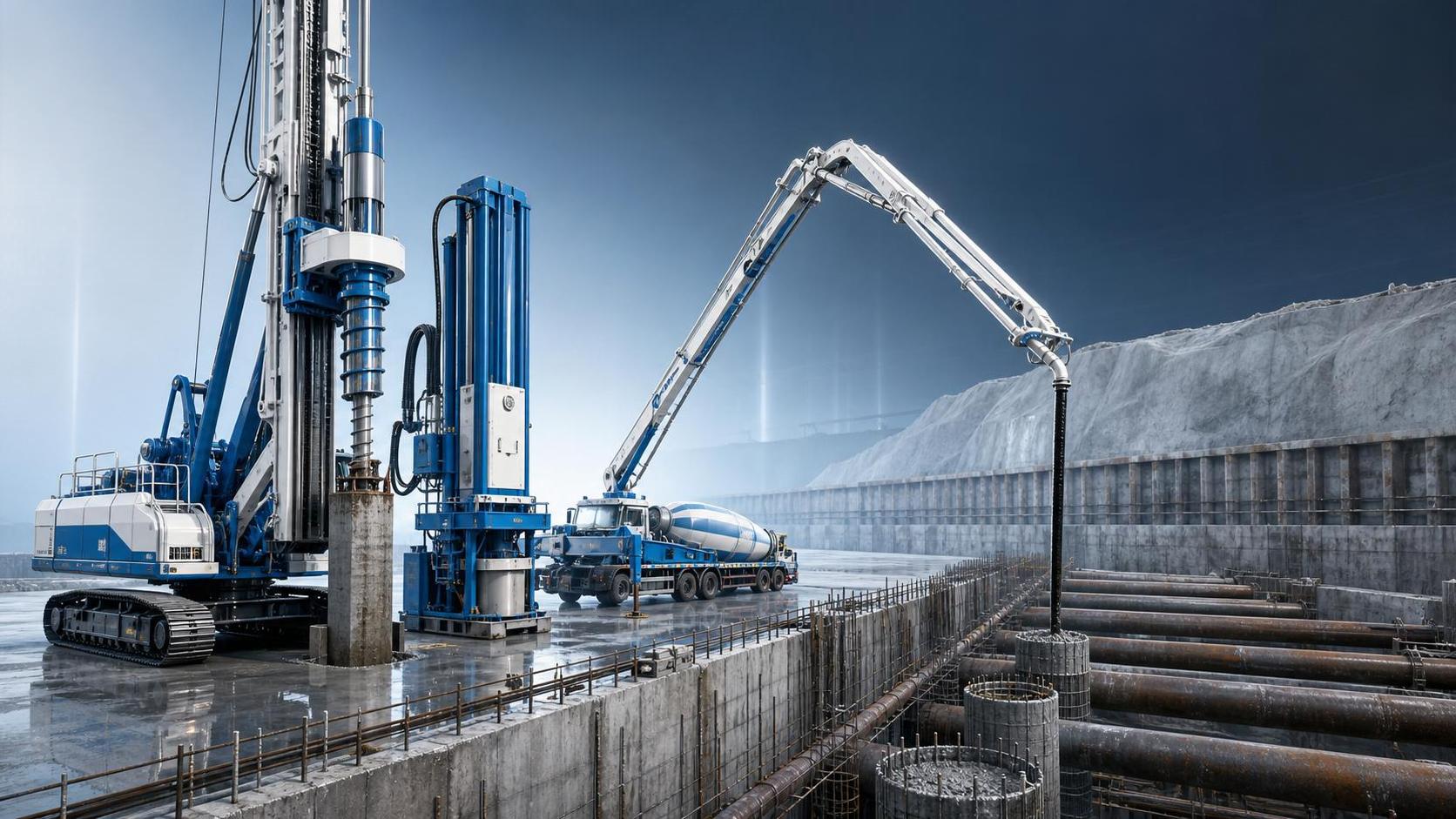
Underground engineering trends are moving from isolated upgrades to system-level change
Underground engineering trends now shape project delivery far earlier than many schedules suggest.
Design assumptions, equipment choices, concrete logistics, and safety controls are being reviewed together, not in separate technical silos.
That shift matters because underground work no longer tolerates wide gaps between geological uncertainty and production speed.
Urban density, deeper foundations, tighter emissions rules, and compressed timelines are forcing a more disciplined execution model.
Across piling, rotary drilling, batching, pumping, and support systems, the market signal is clear.
Safer and faster results now depend on how well machines, materials, data, and site decisions stay connected.
This is also where DFCS has become relevant as an industry intelligence source.
Its coverage reflects how deep foundation and concrete systems increasingly function as one operational chain.
Why these underground engineering trends are becoming more visible now
Recent demand does not point to one single breakthrough.
It points to several pressures arriving at the same time, and reinforcing each other on site.
- Deeper and larger foundations require higher drilling accuracy across mixed soils, cobbles, quicksand, and hard rock interfaces.
- City-center projects demand lower noise, lower dust, and lower emissions without giving up installation speed.
- Concrete placement windows are tighter, making batching precision and pumping stability more critical underground.
- Insurance, compliance, and client oversight increasingly reward traceable performance, not just claimed machine capability.
- Labor availability pushes contractors toward automation, remote diagnostics, and fewer manual correction loops.
More worth noting is how these pressures interact.
A difficult borehole changes piling rhythm, which affects concrete timing, truck rotation, pump loading, and safety exposure.
That is why underground engineering trends increasingly favor integrated planning over standalone equipment optimization.
Data-guided drilling and piling are reshaping risk control
One of the strongest underground engineering trends is the move from reactive correction to predictive control.
Rotary drilling rigs now generate more usable feedback on torque, penetration rate, vibration response, and tool wear.
In difficult strata, that feedback is no longer a reporting detail.
It becomes the basis for adjusting drilling energy, casing strategy, slurry conditions, and pile quality expectations.
Static pressing and high-frequency vibration systems are changing as well.
The priority is not only insertion force, but controllable disturbance in noise-sensitive zones.
This is especially visible around transit corridors, hospitals, and dense redevelopment areas.
Underground engineering trends therefore reward platforms that can document what happened beneath the surface, not just finish the task.
What changes in evaluation logic
The practical implication is simple.
Speed still matters, but speed without measurable control is losing credibility in complex underground projects.
Concrete systems are becoming part of the underground engineering trends conversation
Another visible shift is that underground engineering trends increasingly include upstream and downstream concrete decisions.
This is not only about material supply.
It is about whether concrete quality can stay stable under difficult logistics, narrow access, and variable placing conditions.
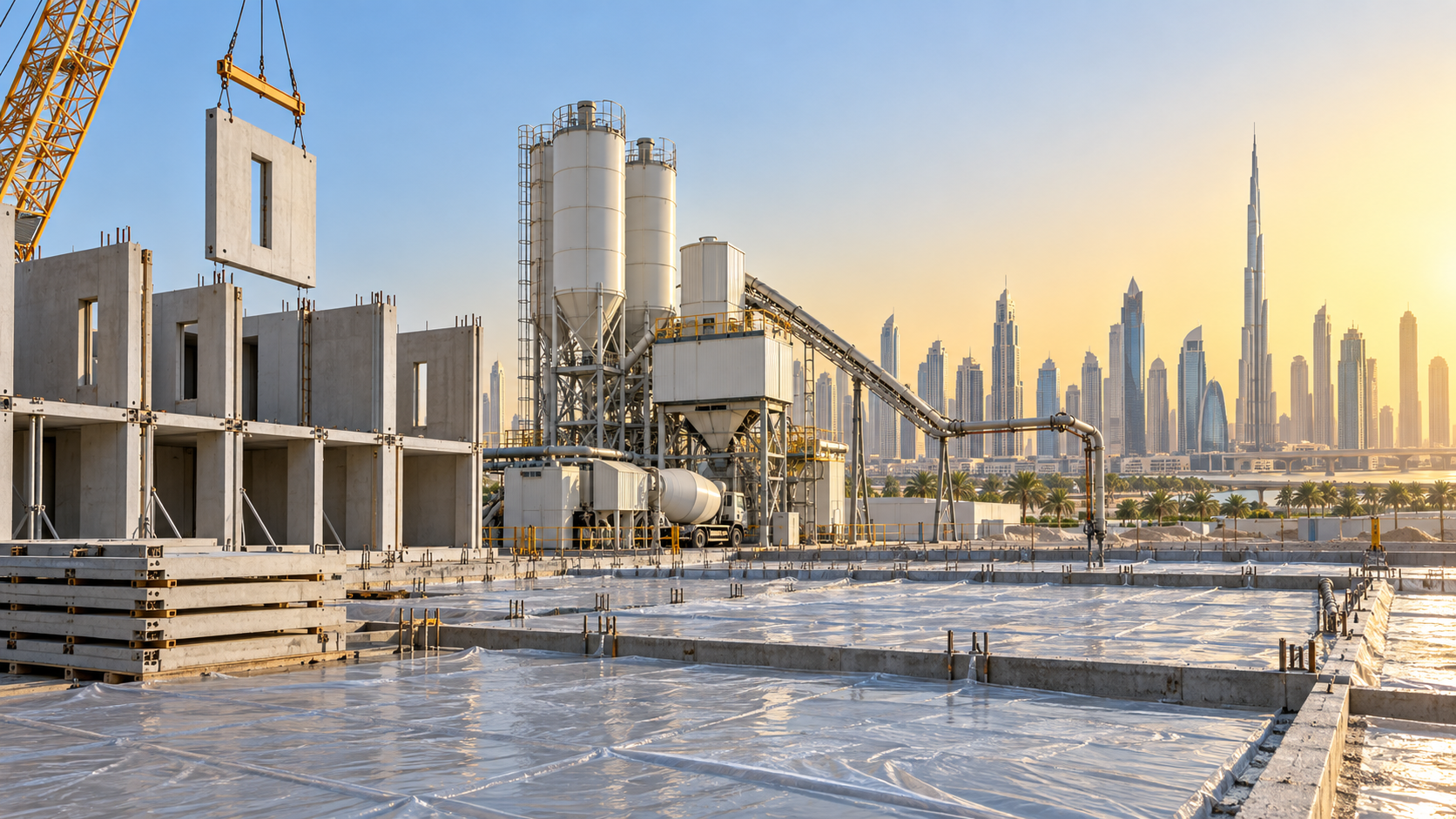
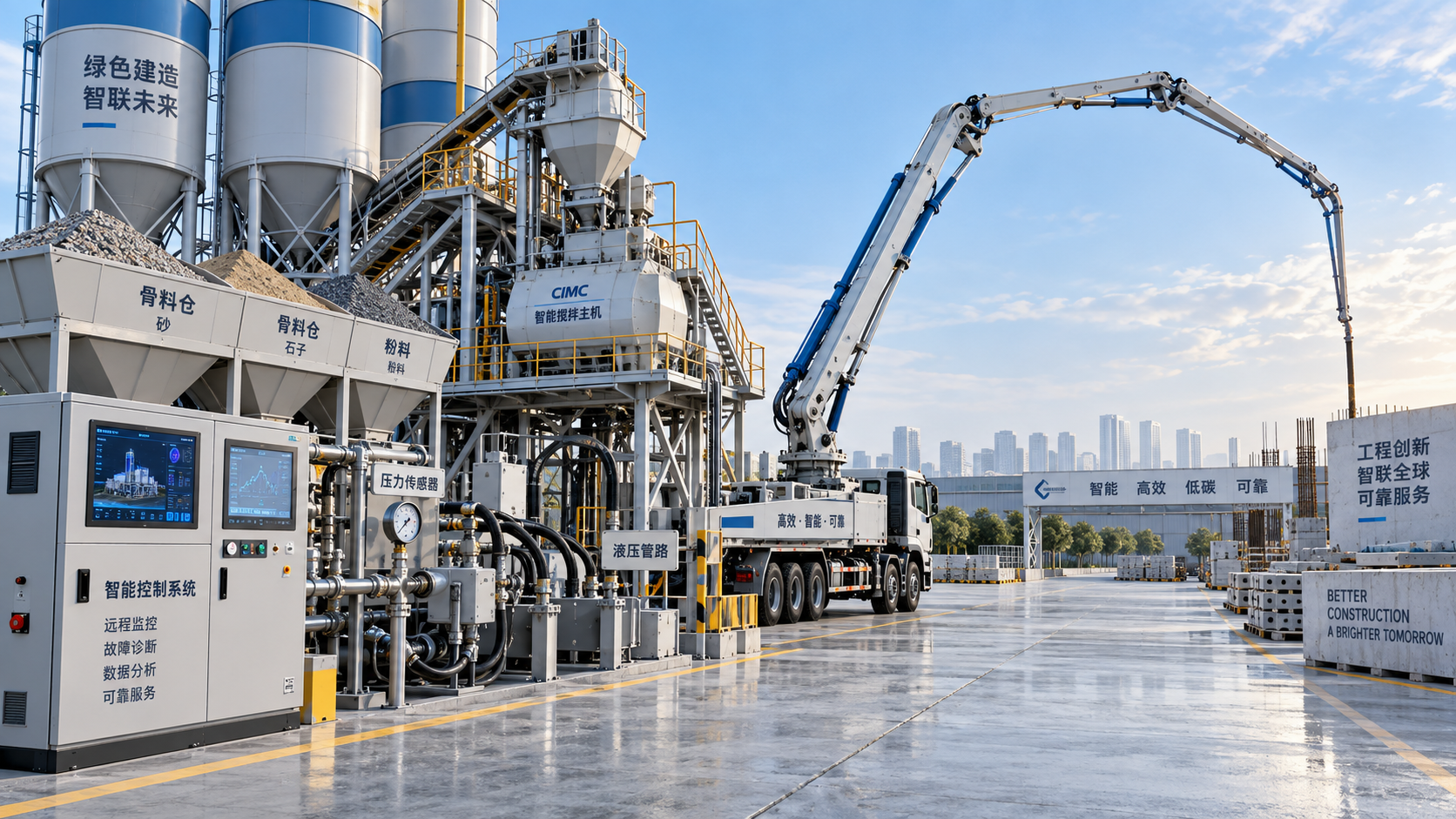
Smart batching plants, for example, are gaining attention because enclosed dust handling and IoT weighing improve consistency and compliance together.
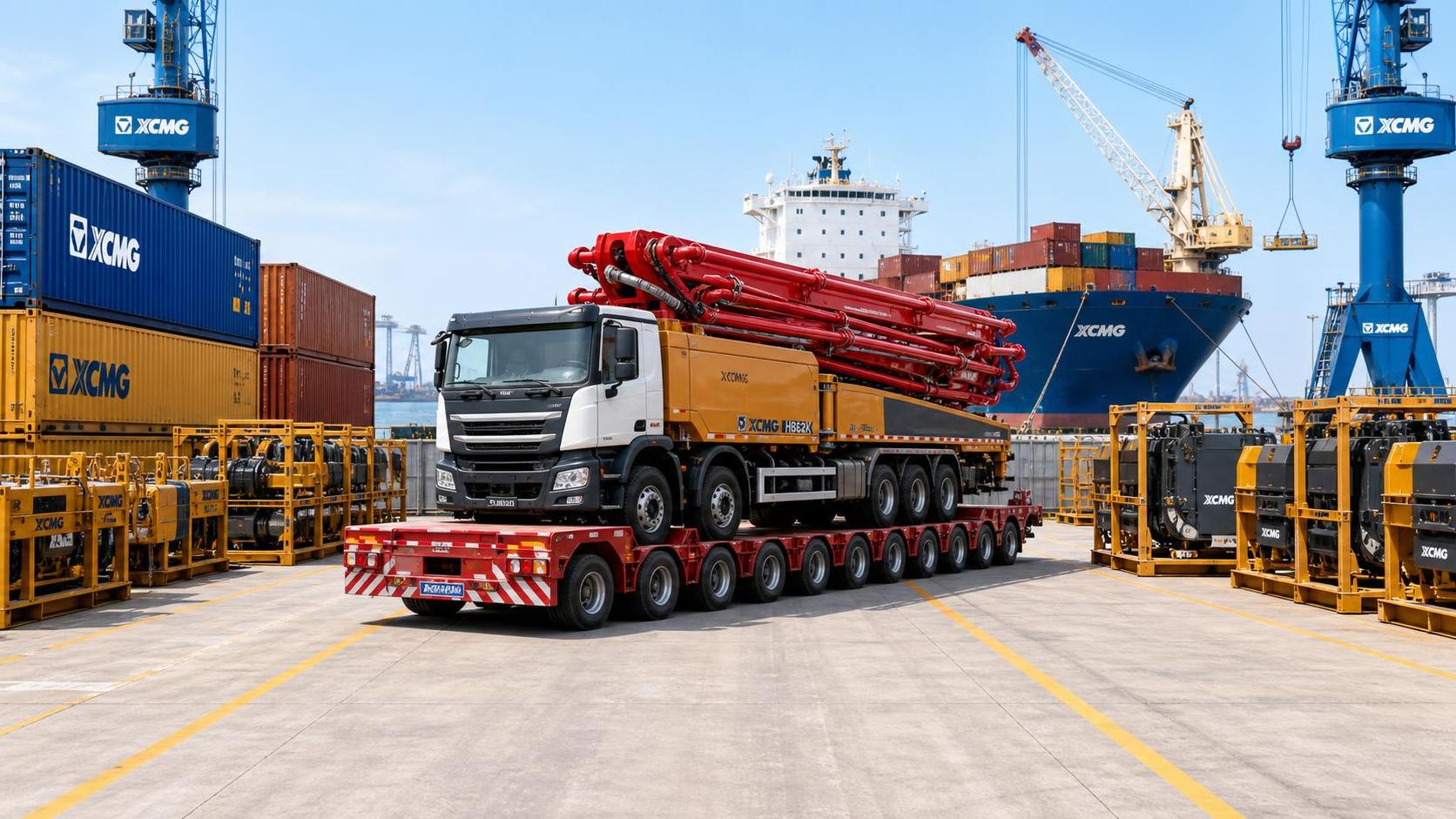
Mixer trucks are also part of the story.
Electrification and lightweighting are not cosmetic upgrades when delivery windows are strict and urban restrictions are tightening.
On the pumping side, long boom stability, hydraulic reliability, and vibration damping affect placement precision in constrained foundations.
DFCS has followed these links closely because underground execution often fails at the interfaces, not at the headline machine level.
That means concrete systems should be assessed as part of underground engineering trends, especially where pile caps, retaining structures, diaphragm walls, or deep basements are involved.
Low-emission compliance is no longer separate from productivity
A few years ago, emissions upgrades were often treated as a compliance layer added after equipment selection.
That distinction is fading fast.
Current underground engineering trends show low-emission systems becoming part of access strategy, community acceptance, and permit certainty.
Electric mixer trucks, enclosed batching, and quieter static press methods can reduce friction around operating hours and neighborhood constraints.
In practical terms, cleaner systems may protect schedule continuity more than headline fuel savings do.
This also changes how lifecycle value is read.
A machine with lower environmental impact but poor uptime still struggles.
A machine with strong uptime but weak compliance increasingly faces restricted use cases.
The better position sits in the middle, where emissions performance, maintainability, and output stability support each other.
The impact is spreading across more than one project stage
Underground engineering trends do not stop at execution.
They now influence bid strategy, temporary works planning, spare parts exposure, crew structure, and post-project reporting.
- At preconstruction stage, better subsurface intelligence reduces overdesign and limits late equipment substitution.
- At mobilization stage, connected fleets simplify batching, hauling, drilling, and pumping coordination.
- During execution, live condition data helps prevent tool damage, concrete rejection, and unstable work rhythms.
- At closeout, traceable records support quality assurance, claims defense, and future benchmark learning.
This broader effect explains why underground engineering trends increasingly show up in board-level investment discussions.
The question is no longer whether digital, low-carbon, or automated systems are interesting.
The question is where delayed adoption creates hidden execution risk.
What deserves closer attention in the next planning cycle
From a market direction standpoint, several signals deserve ongoing tracking.
None of them should be read in isolation.
- Whether drilling and piling platforms provide decision-grade data rather than basic machine telemetry.
- Whether concrete batching and pumping systems can maintain quality under constrained, variable underground conditions.
- Whether zero-emission or low-noise capabilities widen workable project windows in dense urban areas.
- Whether service networks can support higher automation levels without creating downtime bottlenecks.
- Whether geology, production, and compliance data can be stitched into one usable operating picture.
That final point may be the most important.
Underground engineering trends are favoring organizations that can connect fragmented technical signals before field problems become visible.
This is exactly why specialized intelligence platforms are gaining more influence in equipment and method evaluation.
A practical reading of where underground engineering trends are heading
The direction of travel is becoming easier to read.
Underground engineering trends are converging around three expectations: better predictability, lower disturbance, and stronger production continuity.
Projects that meet those expectations are more likely to stay safe and fast under real site pressure.
The next useful step is not to chase every new feature.
It is to compare current methods against likely demand shifts in drilling control, piling emissions, concrete consistency, and digital traceability.
Review the technical parameters that most affect underground risk.
Track standards and site restrictions that could narrow acceptable equipment choices.
Build a phased response plan where capability gaps are already visible.
That is the most grounded way to respond to underground engineering trends without overreacting to market noise.
Industry Briefing
Get the top 5 industry headlines delivered to your inbox every morning.