
How Mega-Infrastructure Projects Control Delays and Equipment Risk

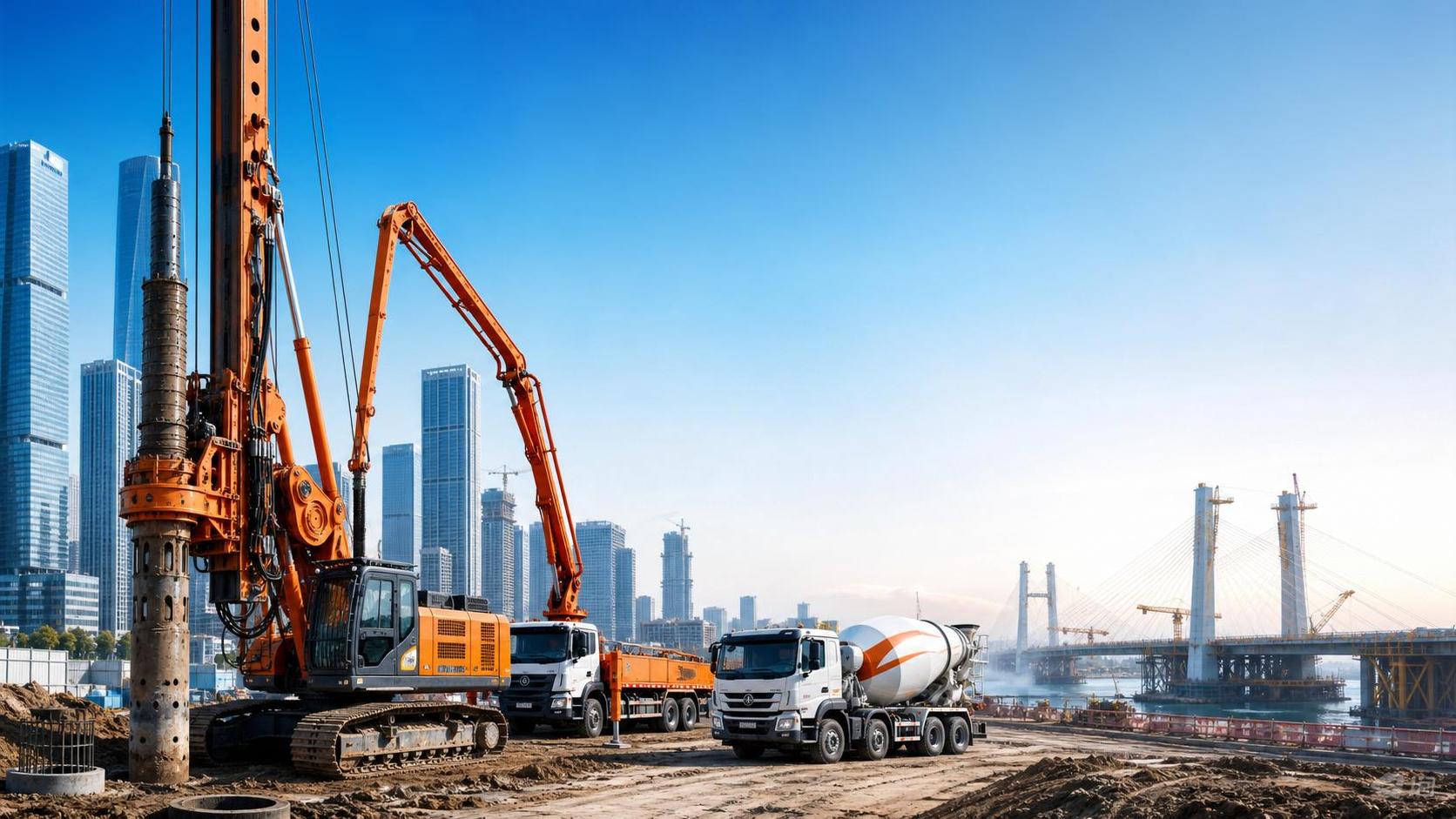
Why delay control looks different across mega-infrastructure projects
In mega-infrastructure projects, time loss rarely comes from one dramatic failure. It usually builds through small equipment interruptions, material flow mismatches, and site conditions that were treated as predictable.
That is why schedule control and equipment risk management now sit together. When a batching plant slows, a pump truck waits. When drilling output changes, concrete placement windows also tighten.
Across mega-infrastructure projects, the real challenge is coordination between heavy assets, geology, delivery timing, and environmental limits. The right decision in one corridor, tower cluster, or bridge package may fail elsewhere.
DFCS follows this intersection closely. Its coverage of pumping systems, rotary drilling rigs, mixer fleets, batching intelligence, and piling machinery reflects a simple reality: delays often move through connected machines, not isolated ones.
Dense urban work zones demand quieter, tighter, and more predictable operations
In city-center builds, access is usually the first constraint. Streets are narrow, delivery windows are short, and nearby structures limit how aggressively equipment can operate.
Here, mega-infrastructure projects control delays by reducing setup uncertainty rather than chasing maximum hourly output. A pump truck with better boom stability may matter more than a larger nominal capacity.
The same applies underground. Rotary drilling rigs and piling machinery must work within noise rules, vibration thresholds, and utility congestion. That changes how planners evaluate risk.
A common mistake is choosing equipment by headline specification alone. In actual use, turning radius, repositioning time, spoil handling, and enclosed batching performance often decide whether a shift stays on schedule.
What usually matters more in urban packages
- Low-vibration piling methods where adjacent buildings react to ground movement.
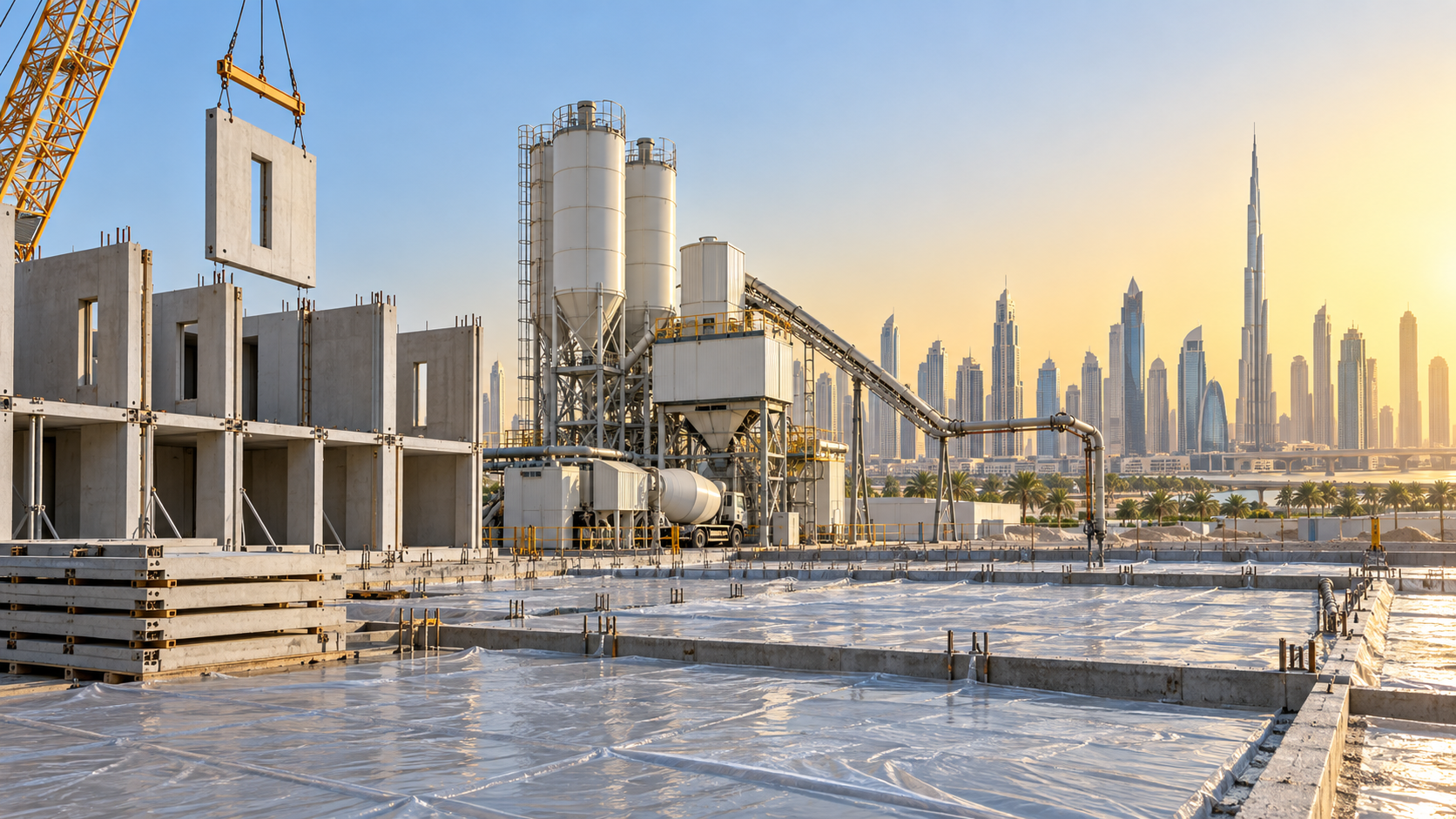
- Fully enclosed smart batching plants where dust and ratio stability affect permit compliance.
- Mixer truck dispatch accuracy where concrete travel time is harder to absorb.
- Boom pump damping performance where narrow faces leave little recovery room.
Remote corridors and linear projects shift the risk toward logistics
Ports, rail links, expressways, and water infrastructure create a different pressure profile. Space may be available, but distance stretches every recovery cycle.
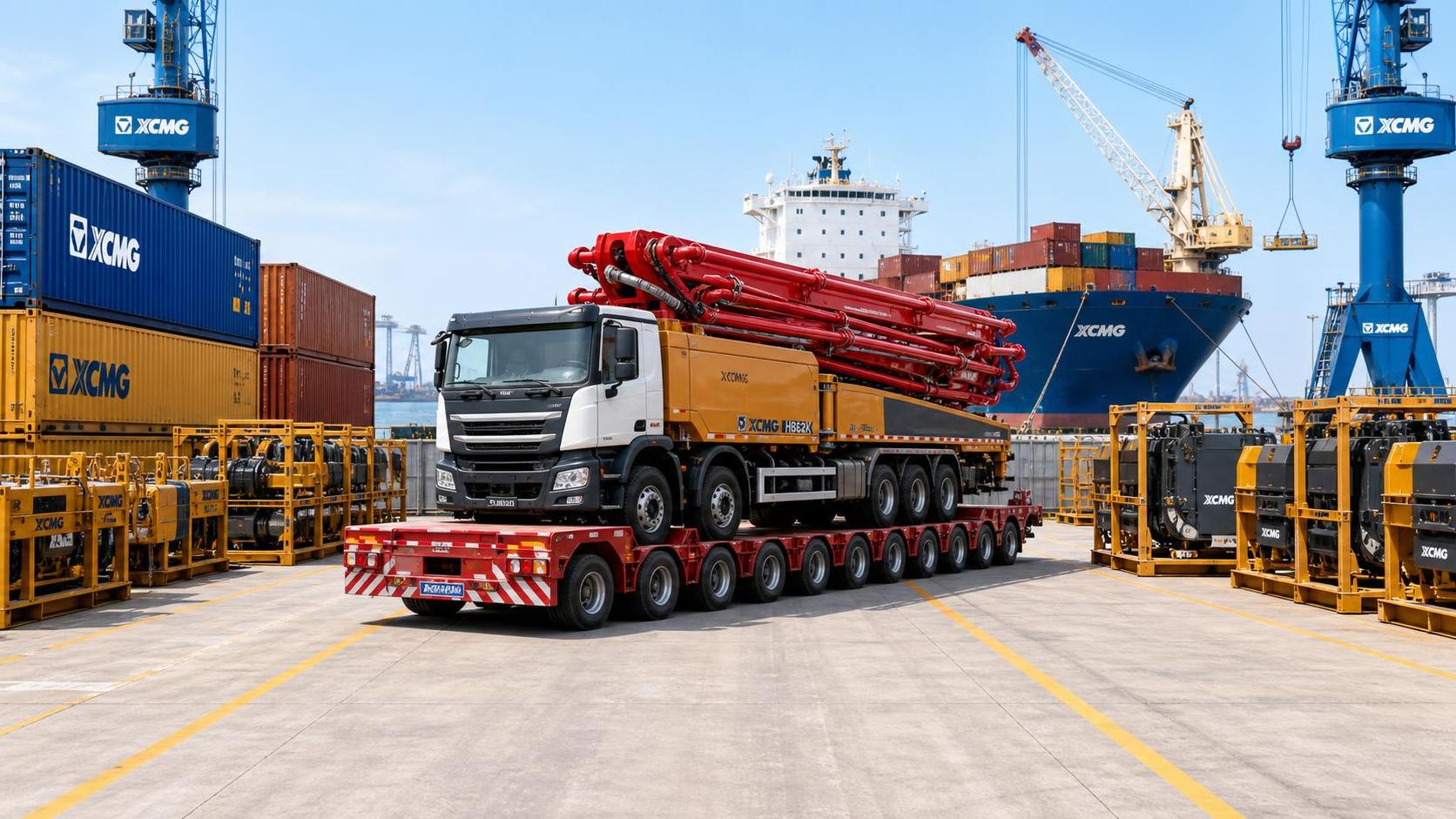
In these mega-infrastructure projects, delays often begin with supply rhythm. Spare parts arrive slower, service teams travel farther, and concrete consistency becomes harder to protect over long transport routes.
That is why equipment risk is not only about machine durability. It is also about maintainability in the field. A highly advanced unit can become a schedule liability if diagnostics, wear parts, or technician access are weak.
Projects with mobile batching capacity, disciplined preventive maintenance, and clear fallback pumping plans usually absorb disruptions better than those relying on single-point equipment availability.
Ground conditions change the delay equation before the first pour begins
Many mega-infrastructure projects underestimate how much schedule certainty depends on subsurface realism. Quicksand, cobbles, fractured rock, and mixed layers do not just affect drilling speed. They change tool life, fuel use, and handover timing.
Where the geology is unstable, the safer judgment is rarely the most aggressive production plan. Better outcomes come from matching rotary drilling rigs and piling systems to probable variation, not average conditions.
This is where DFCS-style intelligence becomes valuable. Hard rock wear models, vibration behavior, and foundation method comparisons help teams separate genuine capacity from theoretical capacity.
A similar pattern appears in concrete works. If subsurface progress slips, batching and pumping sequences must be recalibrated quickly, or idle time spreads across several crews and machines.
Practical checks before committing equipment sequences
- Compare geotechnical reports with pilot drilling or early production feedback.
- Measure expected wear rates for drill tools in mixed strata.
- Confirm whether piling methods fit noise, vibration, and groundwater limits.
- Recheck concrete delivery timing if foundation output becomes irregular.
High-output concrete operations succeed when equipment works as one system
Concrete delays are often misread as pump problems. In reality, many failures begin upstream in weighing accuracy, moisture variation, truck rotation timing, or weak communication between plant and placement teams.
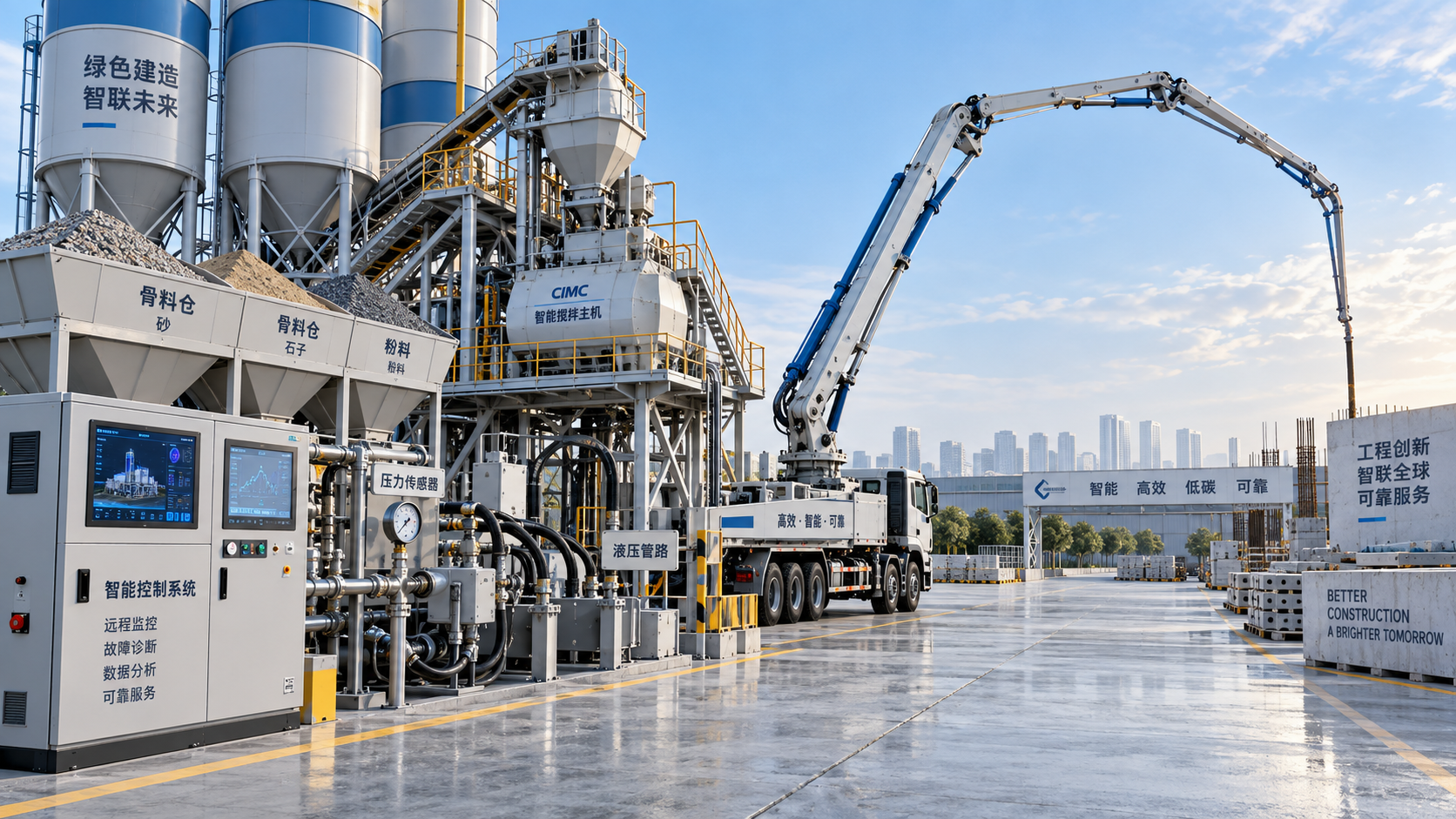
For mega-infrastructure projects with demanding pours, the batching plant acts as the control center. IoT weighing, enclosed dust handling, and stable mix design are not just quality upgrades. They protect schedule integrity.
Pump trucks then carry the next layer of risk. Ultra-long booms, narrow access, and high-pressure delivery require hydraulic stability and vibration control. A brief interruption at height can create disproportionate recovery time.
Mixer trucks complete the chain. Their role is often underestimated, especially when long hauls, heat, or traffic start narrowing the workable placement window.
More resilient mega-infrastructure projects build control around the whole flow: batching precision, dispatch timing, pumping pressure, line cleaning, and contingency routing when one asset drops out.
Where projects often misjudge equipment risk
One recurring error is treating similar sites as identical. Two tower foundations may look alike on paper, yet groundwater behavior, haul distance, and access rules can make one far more delay-sensitive.
Another mistake is focusing on purchase or rental cost without tracking lifecycle exposure. In mega-infrastructure projects, downtime cost, tool consumption, mobilization repeat, and compliance penalties often exceed the apparent equipment saving.
There is also a growing blind spot around low-carbon transition. Electric mixer fleets, enclosed plants, and zero-emission regulations can improve resilience, but only when charging, load profiles, and shift patterns are planned together.
Data quality matters too. If drilling logs, wear records, or pump performance history stay fragmented, teams respond late and rely on assumptions instead of patterns.
A more reliable way to match scenario, machine, and schedule
The strongest mega-infrastructure projects usually start with scenario mapping, not equipment lists. They define which phases are access-constrained, geology-sensitive, pour-critical, or regulation-heavy.
From there, machine selection becomes more disciplined. Rotary drilling rigs are judged against real strata variation. Piling machinery is checked against disturbance limits. Batching plants are measured by consistency under sustained output. Pump trucks are assessed by stability under demanding reach conditions.
A useful operating framework often includes four actions:
- Map delay-sensitive interfaces between drilling, piling, batching, transport, and pumping.
- Set trigger thresholds for wear, vibration, pressure fluctuation, and dispatch deviation.
- Prepare fallback methods for the most expensive interruption points.
- Review compliance constraints alongside productivity targets, not after them.
That approach aligns well with the DFCS view of modern construction systems: foundations, pumping, materials, and machine intelligence should be read together if delay control is the goal.
The next step is to turn project complexity into clearer decision rules
Mega-infrastructure projects rarely stay on schedule through speed alone. They stay on schedule when each major machine is matched to the site, the ground, the delivery rhythm, and the regulatory setting.
A practical next move is to review the project by scenario, then compare where equipment risk can spread across connected operations. That often reveals hidden delay paths earlier than a generic equipment checklist.
It also helps to establish clear fit criteria for concrete batching, mixer dispatch, pump stability, drilling wear, and piling disturbance before execution pressure builds. When those rules are defined early, mega-infrastructure projects can reduce downtime and protect capital-intensive assets with far greater confidence.
Industry Briefing
Get the top 5 industry headlines delivered to your inbox every morning.