
Mega Civil Engineering Trends Reshaping Equipment Choices


As mega civil engineering projects grow taller, deeper, and greener, equipment selection is no longer a routine procurement task but a strategic decision that shapes cost, safety, compliance, and delivery speed. For business decision-makers, understanding how concrete pumping, batching, transport, drilling, and piling technologies are evolving is essential to staying competitive in a market defined by automation, low-carbon targets, and extreme geotechnical demands.
In today’s procurement environment, the wrong equipment choice can add 8%–15% to project costs through delays, rework, excessive fuel use, or poor site fit. The right choice, by contrast, improves uptime, protects bidding margins, and strengthens compliance readiness.
For companies involved in mega civil engineering, this shift is especially visible across five linked categories: concrete pump trucks, mixer trucks, batching plants, rotary drilling rigs, and piling machinery. Each category is being reshaped by electrification, digital monitoring, higher precision, and tougher urban construction constraints.
For executive teams, plant managers, and procurement leaders, the question is no longer simply which machine has the biggest capacity. It is which equipment mix can deliver reliable output over 3–5 years while matching geology, emissions policy, labor availability, and project sequencing.
Why Mega Civil Engineering Is Changing Equipment Selection Logic
Mega civil engineering projects now combine taller structures, deeper foundations, denser urban sites, and tighter environmental obligations. This means equipment decisions must consider not just performance, but also noise limits, energy use, mobility, maintenance cycles, and digital integration.
From standalone machines to system-level performance
A pump truck cannot be evaluated in isolation if the batching plant has inconsistent weighing accuracy or the mixer fleet cannot maintain slump during 45–90 minute transport windows. In mega civil engineering, equipment is increasingly judged as an interconnected production chain.
Decision-makers should therefore assess at least 4 system variables together: output continuity, material consistency, site access limits, and maintenance response time. A high-spec drilling rig loses value if spoil handling, slurry management, or support equipment becomes the bottleneck.
Urban restrictions are forcing new specifications
In city-center projects, noise, dust, and traffic restrictions can be as decisive as pile depth or concrete volume. Static piling methods, enclosed batching, and lower-emission mixer fleets are increasingly preferred where work windows may be limited to 10–12 hours per day.
This has changed tender evaluation criteria. Buyers now look beyond nominal capacity and ask practical questions: Can the machine operate in low-clearance zones? Does it support remote diagnostics? Can it meet local emission transition timelines over the next 24–36 months?
Key pressure points influencing procurement
- Foundation depths extending beyond typical mid-rise requirements
- Concrete placement at longer vertical reach and tighter horizontal access
- Stricter dust, vibration, and carbon reporting obligations
- Shorter delivery windows and multi-trade schedule overlap
- Higher cost sensitivity around downtime, spare parts, and operator training
The table below shows how core project conditions in mega civil engineering are directly changing equipment priorities for procurement teams.
The main takeaway is clear: in mega civil engineering, a machine that looks cheaper on paper may become more expensive in operation if it cannot meet environmental constraints, maintain output stability, or fit into a synchronized jobsite workflow.
Five Equipment Trends Reshaping Mega Civil Engineering Decisions
The strongest equipment trends are not isolated product upgrades. They are structural changes in how projects are planned, delivered, and audited. Procurement leaders should track these shifts category by category, because each one affects bidding strategy and fleet renewal timing.
1. Concrete pump trucks: reach is no longer enough
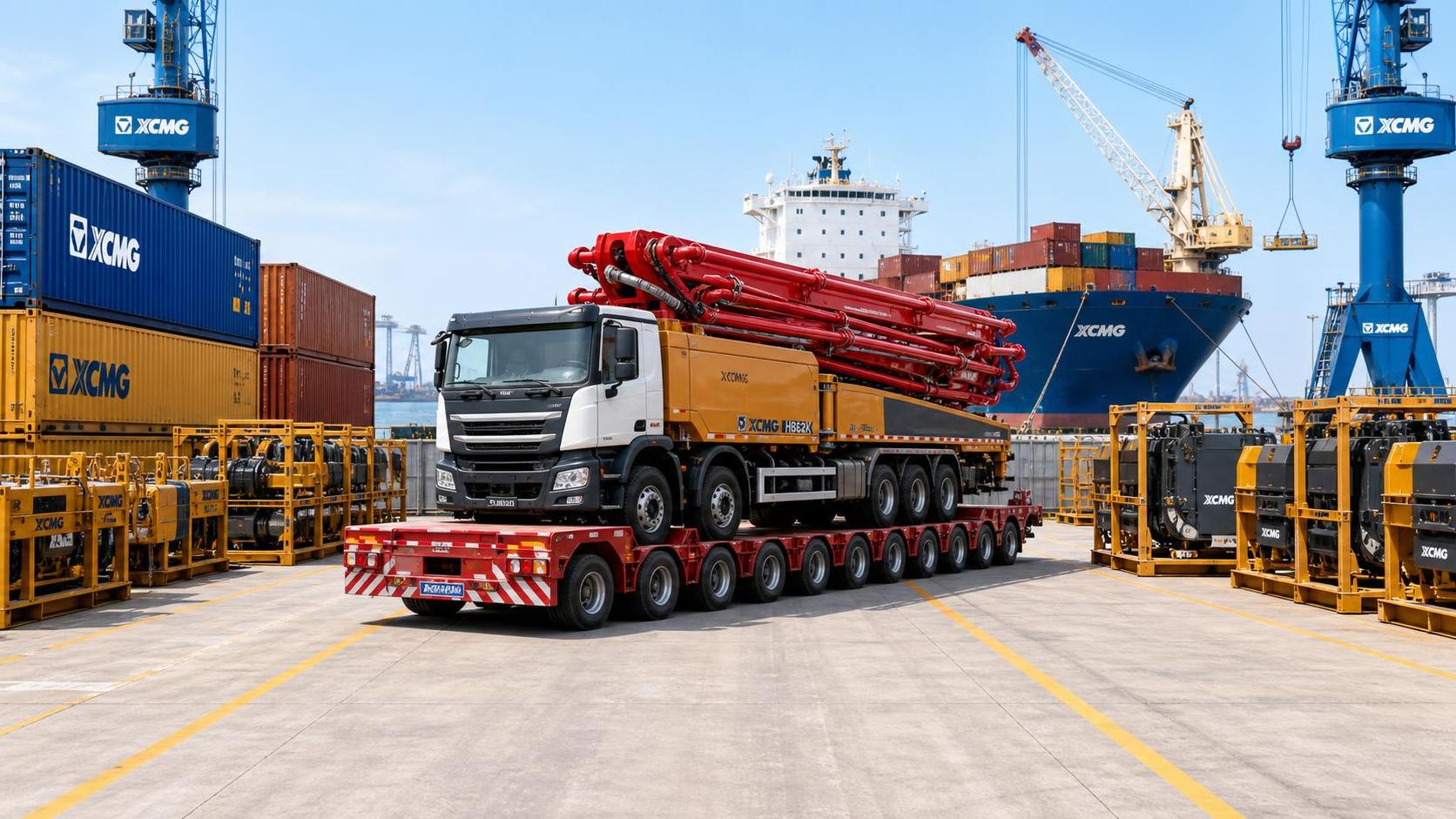
In mega civil engineering, ultra-long boom pump trucks must maintain delivery stability over demanding vertical and horizontal distances. Buyers increasingly focus on hydraulic consistency, anti-sway behavior, and control smoothness rather than boom length alone.
A pump truck serving a tower, bridge pier, or constrained podium zone may need to sustain reliable flow across multiple pours in a single shift. Even a 3%–5% instability in delivery rhythm can raise segregation risk and force stoppages that affect downstream trades.
What to check
- Boom control smoothness during full extension
- Rated pumping pressure and output consistency under viscous mixes
- Ease of maintenance for wear parts with 250–500 hour service intervals
- Site setup footprint and outrigger compatibility with restricted zones
2. Mixer trucks: transport is becoming an energy and quality issue
Concrete mixer trucks are moving from simple transport vehicles to controlled quality carriers. In hot weather, high-strength mixes, or urban congestion, transport delays of 20–40 minutes can compromise workability and increase return-load losses.
This is why buyers now prioritize drum efficiency, telematics visibility, lightweight design, and in some regions electric drivetrains. For mega civil engineering, transport reliability matters as much as batching accuracy because both directly affect placement quality.
3. Batching plants: precision and enclosure are now commercial advantages
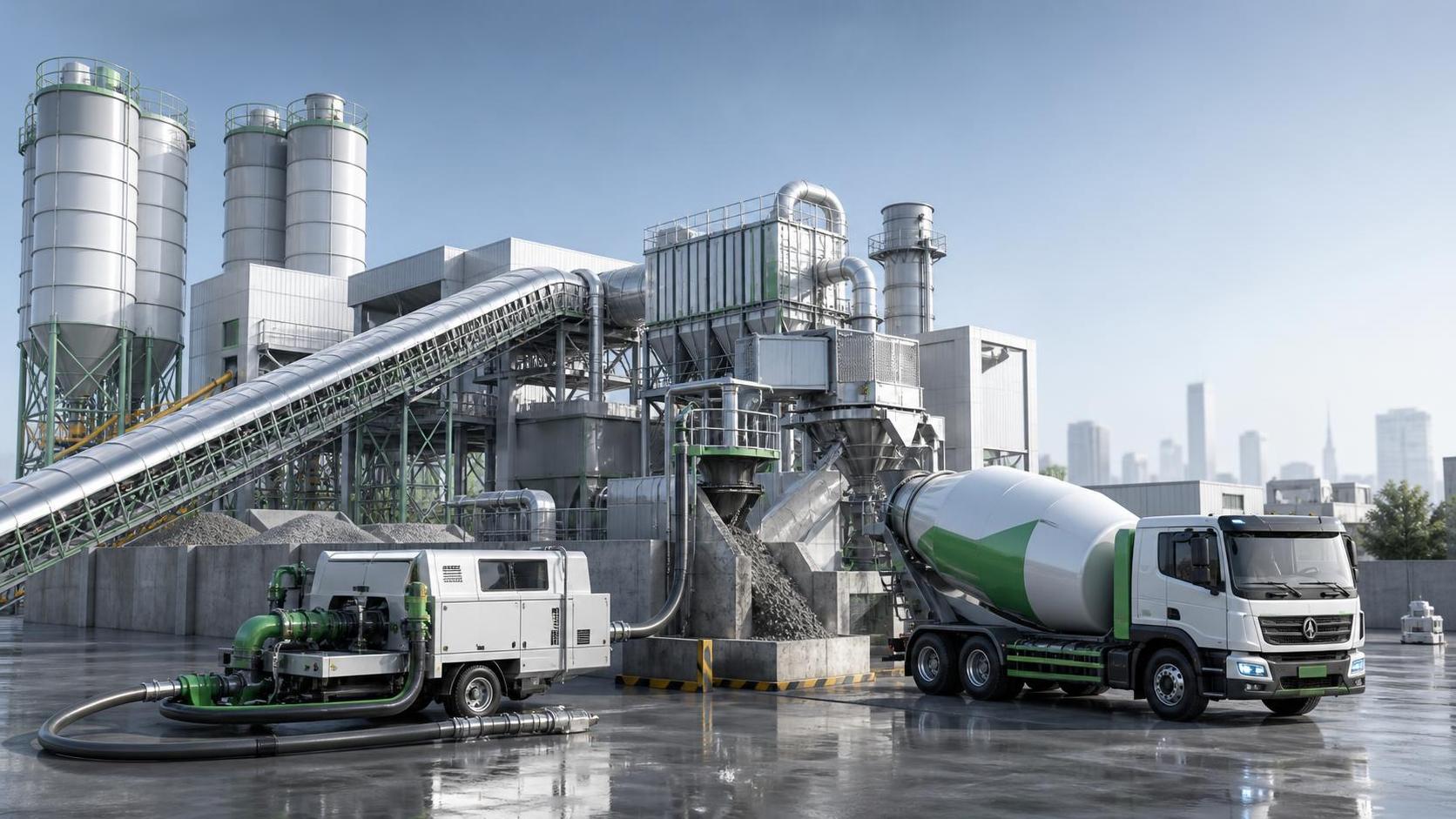
Modern batching plants are under pressure to deliver tighter weighing accuracy, lower dust escape, and stronger data traceability. Fully enclosed plant layouts and IoT-linked weighing systems are becoming more valuable where low-carbon concrete and compliance reporting are part of contract requirements.
For decision-makers, the benchmark is not only hourly throughput. It is whether the plant can hold stable mix proportioning over long production runs, support recipe switching, and reduce material deviation that erodes margin over hundreds or thousands of cubic meters.
4. Rotary drilling rigs: geology-specific fit is critical
In mega civil engineering, rotary drilling rigs often face quicksand, cobbles, fractured rock, or hard strata in the same project package. A rig selected only by torque headline may underperform if tooling wear, spoil extraction, or formation transition is not properly considered.
Procurement teams should compare drilling depth range, crowd force, torque band, and tooling compatibility. In hard rock conditions, bit wear rates and maintenance logistics can significantly alter cost per linear meter over a 6–12 month foundation schedule.
5. Piling machinery: lower noise, higher control
Piling machinery is seeing a clear shift toward controlled vibration and hydraulic static pressing, especially in schools, hospitals, transit corridors, and dense commercial districts. In these settings, regulatory tolerance is often measured not just in output, but in disturbance levels.
That makes operational precision a commercial asset. Equipment that reduces settlement risk, manages pile alignment better, and supports data recording can help contractors defend quality outcomes during client review and handover.
How Business Decision-Makers Should Evaluate Equipment Options
A practical evaluation model for mega civil engineering should balance technical capability, lifecycle economics, operational fit, and compliance readiness. Focusing on initial acquisition cost alone can weaken a contractor’s position over the full delivery cycle.
Use a four-layer decision framework
- Match the machine to site conditions, geology, and structural scale.
- Estimate output stability over the actual project schedule, not ideal conditions.
- Calculate maintenance, energy, wear, and labor impacts over 12–36 months.
- Verify compliance fit for emissions, dust, noise, and digital reporting.
The following comparison can help procurement teams structure shortlist discussions before RFQ or technical review meetings.
This framework helps teams compare equipment on business value rather than brochure language. It also creates a clearer internal discussion between operations, procurement, finance, and project delivery leaders.
Common buying mistakes
Mistake 1: buying for peak capacity only
A machine sized only for maximum output may spend 60%–70% of its time below efficient utilization. In mega civil engineering, utilization balance often matters more than peak rating because projects move through different phases with different bottlenecks.
Mistake 2: ignoring site logistics
Transport path width, setup radius, power supply, spoil removal, and service access should be checked before purchase or rental approval. A technically capable machine that cannot move smoothly through the site will create hidden costs from day 1.
Mistake 3: underestimating service support
For high-duty equipment, spare parts response within 24–72 hours can be more important than minor purchase price differences. Long waits for hoses, wear plates, drill tools, or hydraulic components can disrupt critical foundation or concrete sequences.
A Practical Roadmap for Smarter Equipment Planning
A disciplined planning process helps reduce procurement risk and align equipment investment with real project demand. For mega civil engineering programs, a 5-step roadmap is often more effective than ad hoc purchase decisions triggered by a single tender award.
Step 1: define the operating envelope
Document the core constraints first: target output, working hours, foundation depth, concrete volume, access limits, and local environmental controls. A clear envelope prevents overbuying and keeps technical discussions grounded in actual site conditions.
Step 2: compare lifecycle economics
Estimate not just acquisition cost, but also energy use, tooling replacement, routine service, operator training, and downtime exposure over at least 12 months. In many cases, the better-value option is the one with lower total operating volatility.
Step 3: verify digital and compliance readiness
Telemetry, weighing records, maintenance logs, and environmental control features should be checked early. For projects subject to stricter oversight, digital traceability can influence client confidence and reduce dispute risk during delivery.
Step 4: plan service and parts strategy
Even strong machines need fast support. Confirm routine service intervals, critical spare lists, operator training scope, and escalation contacts before final selection. This matters most when multiple rigs, pumps, or transport units must operate continuously across phases.
Step 5: review fleet fit against future demand
The best choice for today’s package should also remain useful for tomorrow’s tenders. Businesses active in mega civil engineering should favor equipment that can adapt to urban, green, and deep-foundation projects without excessive reconfiguration or compliance risk.
Mega civil engineering is redefining what “fit-for-purpose” means in heavy construction equipment. The market is shifting toward integrated performance, measurable control, lower emissions, and more intelligent lifecycle management across pumping, batching, transport, drilling, and piling systems.
For business decision-makers, better equipment selection now means better project resilience: fewer delays, stronger bid positioning, more predictable operating cost, and better alignment with future regulations. DFCS supports this shift by connecting technical evolution with practical procurement insight across the deep foundation and concrete equipment chain.
If you are reviewing fleet upgrades, comparing project-specific configurations, or evaluating market trends in mega civil engineering, now is the right time to get a more structured view. Contact DFCS to explore tailored equipment intelligence, discuss product details, or learn more about practical solutions for your next project.
 How to Evaluate Delivery Reliability from Overseas Construction Machinery SuppliersTime : Sep 01, 2026
- Which concrete equipment industry trends are reshaping plant investment decisionsTime : Aug 19, 2026
- How construction machinery sustainability trends affect fleet upgrade decisionsTime : Aug 14, 2026
Industry Briefing
Get the top 5 industry headlines delivered to your inbox every morning.