
Concrete Machinery Innovation Trends Reshaping Fleet Planning

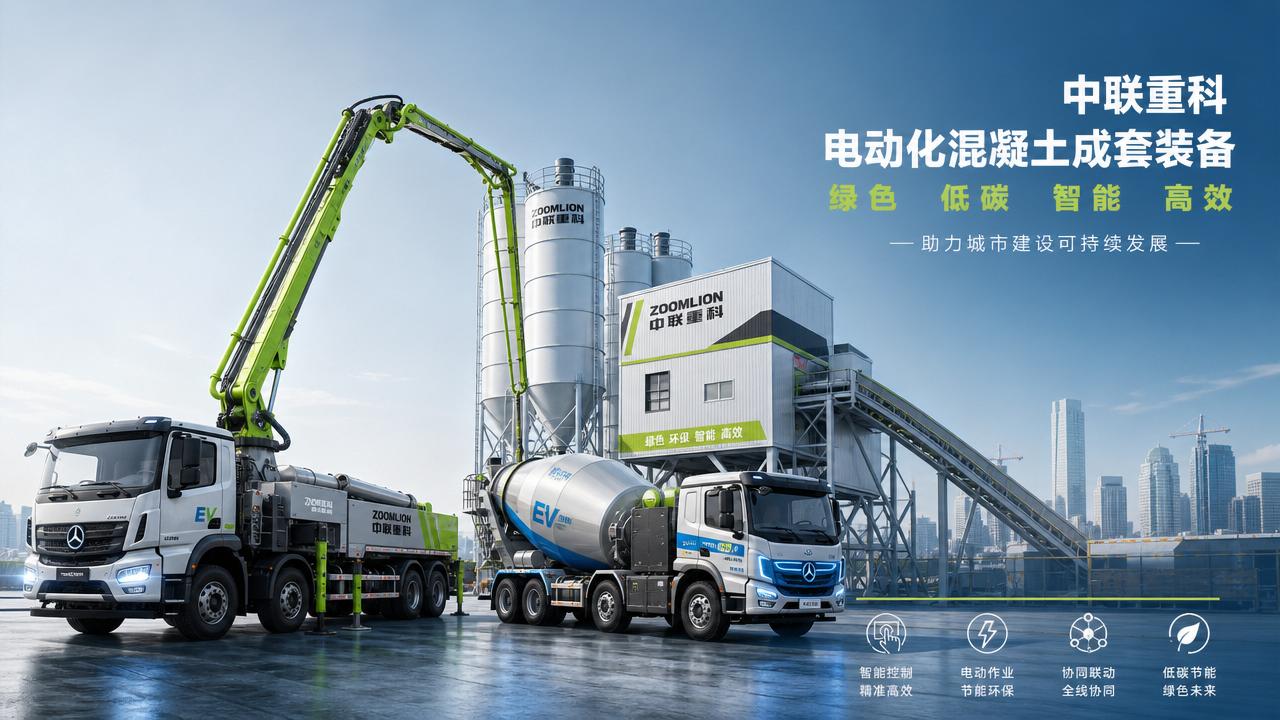
Concrete machinery innovation is no longer a technical side topic—it is becoming a core factor in fleet planning, capital allocation, and project competitiveness. For enterprise decision-makers, understanding how electrification, automation, intelligent pumping, and low-carbon batching systems are reshaping equipment strategies is essential to balancing cost, compliance, and productivity in a rapidly evolving construction market.
Why concrete machinery innovation now drives fleet planning decisions
In many construction and foundation businesses, fleet planning used to be a replacement exercise. A mixer aged out, a pump truck reached higher maintenance frequency, or a batching plant could no longer keep up with output targets. Today, that logic is incomplete.
Concrete machinery innovation is changing the basis of equipment decisions. Enterprises now need to compare lifecycle cost, emissions exposure, digital control capability, site adaptability, workforce availability, and project bid requirements at the same time.
This shift matters most for decision-makers managing multiple asset categories: concrete pump trucks, mixer trucks, batching plants, rotary drilling rigs, and piling machinery. These fleets no longer operate as isolated machines. They operate as a connected production system.
- Urban jobs demand lower noise, lower dust, tighter logistics windows, and better safety monitoring.
- Mega-project tenders increasingly examine equipment age, environmental controls, and telemetry readiness.
- Fuel volatility and labor shortages make old utilization models less reliable.
- Cross-border projects often require better documentation around operating parameters, maintenance records, and compliance.
For this reason, concrete machinery innovation should be read not just as a technology trend, but as a business filter for asset selection, deployment timing, and competitive positioning.
What has changed in executive decision criteria?
The old questions focused on rated output and purchase price. The new questions are broader: Can the machine support low-carbon project requirements? Can it reduce unplanned downtime? Does it integrate with jobsite data systems? Can it perform in narrow urban sites or hard-rock ground conditions without excessive support cost?
DFCS tracks these shifts through intelligence on pumping pressure control, batching precision, rotary wear behavior, and piling methods under stricter environmental constraints. That perspective helps buyers judge not only the machine itself, but the operating environment around it.
Which innovation trends are reshaping concrete and foundation fleets?
The most important concrete machinery innovation trends are not isolated upgrades. They influence fleet composition, dispatch logic, spare parts strategy, and even financing decisions. The table below summarizes how major trends affect planning priorities.
For executives, the key lesson is simple: innovation is not valuable because it is new. It is valuable when it reduces operating uncertainty across the full project chain, from batching accuracy to final placement and substructure execution.
Why electrification is more than a fuel conversation
Electric and hybrid concrete equipment affects route planning, shift scheduling, energy infrastructure, maintenance training, and public-sector eligibility. For mixer fleets especially, the move toward lighter structures and electric drive can improve urban access and reduce local emissions, but only if charging cycles match dispatch patterns.
Why automation is spreading from plants to the field
Smart batching systems already use precision weighing, enclosed dust handling, and digital logs. That same logic is moving into pump trucks and deep foundation machinery, where telemetry, pressure monitoring, and equipment health indicators can support better utilization and more disciplined maintenance planning.
How different jobsite scenarios change the right equipment strategy
Concrete machinery innovation should always be tested against project scenarios. A fleet that performs well on large open industrial sites may be inefficient in dense urban redevelopment, tunnel approaches, high-rise cores, or hard-rock piling zones.
- High-rise concrete placement requires stable boom behavior, accurate pumping under pressure, and reliable batching consistency across long pour windows.
- Urban infill projects prioritize compact footprint, lower noise, reduced exhaust, cleaner material handling, and restricted traffic compatibility.
- Bridge, port, and mega-infrastructure works often require sustained output, severe-duty wear control, and robust data traceability for quality assurance.
- Deep foundation and piling operations in sand, cobbles, or hard rock demand ground-specific tooling strategy and realistic wear-cost forecasting.
This is where DFCS adds value. Its intelligence model connects above-ground pumping efficiency with below-ground geotechnical realities, helping decision-makers avoid siloed procurement that looks attractive on paper but fails in actual project combinations.
Scenario-based planning matters more than brand-led procurement
Many costly mistakes happen when companies start with a preferred equipment category rather than a site operating profile. Fleet planning should begin with pour geometry, delivery radius, site access, material characteristics, local restrictions, and expected project turnover rate.
What should decision-makers compare before buying or renewing fleets?
A concrete machinery innovation strategy must be translated into procurement filters. The table below provides a practical comparison structure for enterprises balancing capital expenditure, uptime, and compliance pressure.
This comparison framework helps enterprises move from price-based procurement to decision-grade planning. It also aligns well with the market reality that a cheaper machine can become the more expensive asset once energy, downtime, wear, and missed project eligibility are counted.
A practical shortlist for procurement teams
- Define target projects for the next 24 to 36 months rather than buying only for the current tender.
- Map equipment choices against site restrictions such as emissions, noise, space, and geology.
- Model lifecycle cost with maintenance, spare parts, energy use, and expected idle periods.
- Check whether digital functions can be integrated into existing fleet or ERP workflows.
- Request evidence of service logic, wear assumptions, and commissioning support before purchase approval.
Cost, compliance, and replacement timing: where many companies misjudge risk
One of the biggest errors in concrete machinery innovation planning is treating compliance as a future issue. In reality, environmental controls, dust containment, site noise limits, and equipment traceability already influence contract access in many markets.
Batching plants are a clear example. Fully enclosed layouts, precision weighing, and better dust control may appear to increase upfront cost, yet they can reduce rejection risk, improve mix consistency, and strengthen eligibility for environmentally sensitive projects.
The same pattern applies to pump trucks and piling systems. Machines equipped for vibration control, lower-noise operation, or better monitoring may support urban deployment where older fleets face operating restrictions or higher supervision burdens.
Common replacement timing mistakes
- Waiting for frequent failures before replacement, which compresses procurement time and weakens negotiation leverage.
- Overvaluing sunk maintenance spending instead of comparing future operating risk.
- Ignoring the commercial value of cleaner, quieter, and more traceable equipment in tender submissions.
- Assuming one standardized fleet mix can serve both urban premium projects and heavy-duty remote works equally well.
A better approach is phased renewal. Replace the assets that limit project access first, then modernize the assets that mainly affect internal efficiency. This reduces capital shock while improving competitive readiness.
How DFCS supports smarter concrete machinery innovation decisions
DFCS is positioned around a specific industrial intersection: concrete pumping, batching systems, rotary drilling, and piling machinery. That matters because modern fleet planning often fails when companies evaluate these systems separately.
By following extreme pumping pressures, rock mechanics behavior, low-carbon transitions, and automation pathways together, DFCS helps executives judge whether an equipment strategy is technically coherent and commercially defensible.
Where this intelligence becomes useful in practice
- Shortlisting pump truck configurations for high-rise, narrow-face, or high-pressure delivery environments.
- Assessing smart batching plant upgrades driven by low-carbon concrete and enclosed environmental design.
- Understanding drill bit wear patterns and realistic replacement exposure in hard-rock strata.
- Comparing piling methods where urban noise control or static pressing evolution changes equipment suitability.
- Interpreting how global zero-emission regulations may alter equipment preference and fleet refresh timing.
For decision-makers, this kind of sector intelligence reduces blind spots between procurement, engineering, operations, and business development teams.
FAQ: key questions enterprise buyers ask about concrete machinery innovation
How should we prioritize investment if the budget does not allow a full fleet upgrade?
Start with assets that either block access to target projects or create the highest downtime cost. In many cases, that means upgrading environmentally constrained batching systems, pump trucks needed for premium placements, or deep foundation equipment facing high wear in difficult geology. A phased plan tied to project pipeline is usually more effective than uniform replacement.
Which concrete machinery innovation trend has the fastest business impact?
It depends on fleet structure, but digital monitoring and process control often deliver the fastest visible gains because they improve maintenance discipline, dispatch visibility, and quality traceability. Electrification may deliver strong strategic value, especially in regulated urban markets, but infrastructure readiness must be checked first.
What should we verify before choosing electric or hybrid mixer and support fleets?
Review route length, stop frequency, charging availability, payload impact, climate conditions, and depot energy planning. The right choice depends less on brochure range and more on whether the operating cycle supports predictable charging and turnaround.
How do we avoid overpaying for advanced functions that crews may not use?
Match features to operating pain points. If boom stability, batching traceability, or wear prediction solves a real bottleneck, those functions are valuable. If a feature does not affect safety, uptime, compliance, or quality in your typical projects, it may not justify premium cost. Training and implementation support should be reviewed together with equipment specifications.
Why many future-ready fleets will look different from today’s mixed legacy assets
Over the next few years, concrete machinery innovation will continue to push fleets toward cleaner energy, smarter control, stronger traceability, and tighter integration between surface concrete operations and underground foundation execution.
The most resilient enterprises will not necessarily buy the most equipment. They will buy the most suitable equipment, with better visibility into performance, compliance, wear, and deployment scenarios. That is a strategic advantage in bidding, cost control, and project delivery.
Why choose us for concrete machinery innovation insights
DFCS supports enterprise decision-makers who need more than product headlines. We focus on the connected realities of concrete pumping, batching, mixer logistics, rotary drilling, and piling machinery so your team can evaluate equipment choices in a project-ready context.
You can contact us to discuss concrete machinery innovation from a practical planning perspective, including parameter confirmation for pumping and batching systems, fleet selection logic for urban or mega-project scenarios, expected delivery-cycle considerations, low-carbon upgrade pathways, wear and maintenance assumptions in difficult geology, and general compliance checkpoints relevant to procurement review.
If your team is comparing replacement options, preparing a shortlist, or refining technical criteria before supplier engagement, DFCS can help you structure the right questions before capital is committed.
 How to Evaluate Delivery Reliability from Overseas Construction Machinery SuppliersTime : Sep 01, 2026
- Which concrete equipment industry trends are reshaping plant investment decisionsTime : Aug 19, 2026
- How construction machinery sustainability trends affect fleet upgrade decisionsTime : Aug 14, 2026
Industry Briefing
Get the top 5 industry headlines delivered to your inbox every morning.