
Construction Equipment Electrification: Cost, Uptime, and ROI in 2026

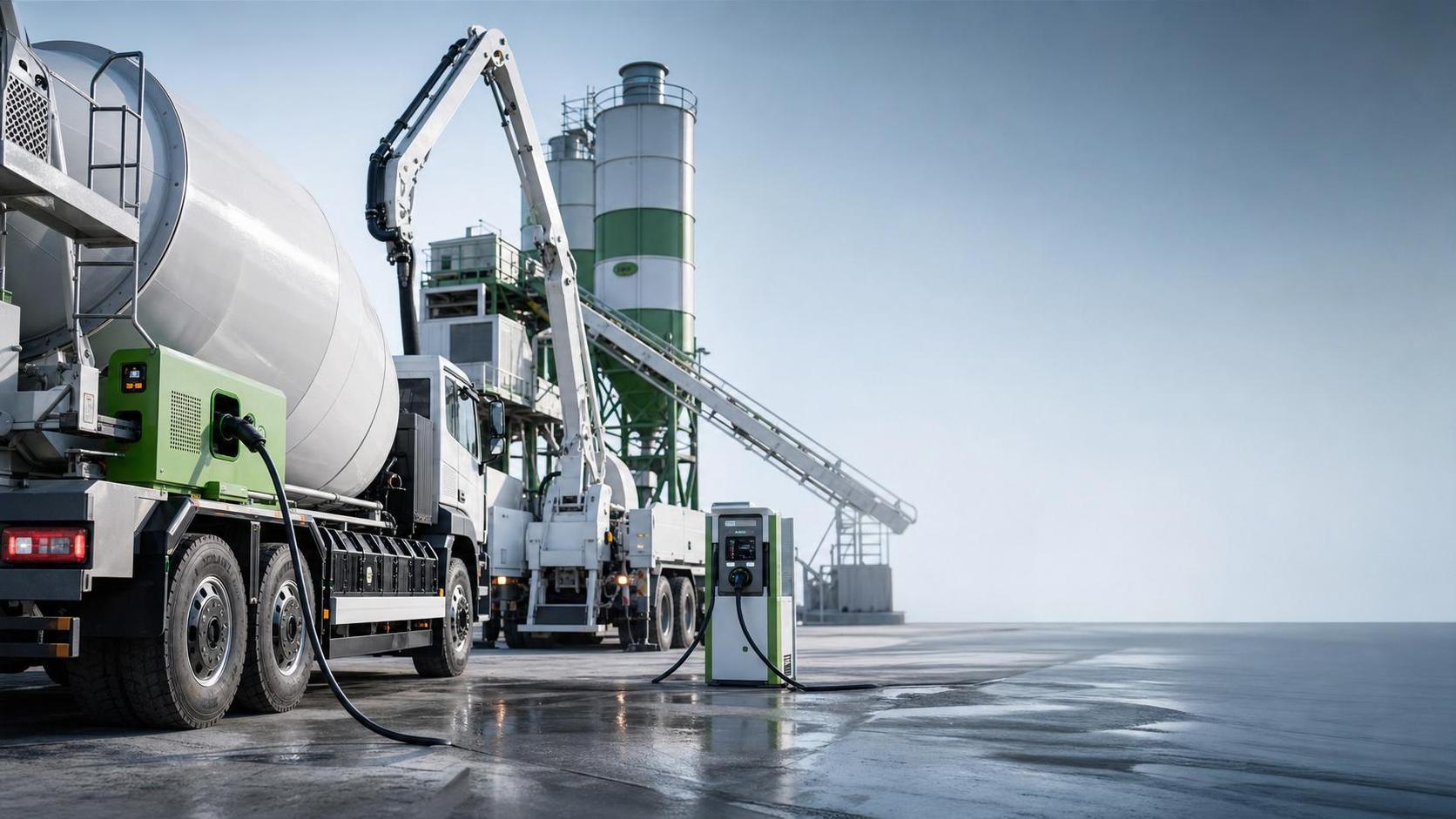
Construction equipment electrification is no longer a side discussion for 2026 planning. It now sits beside fuel volatility, bid competitiveness, and compliance risk in capital reviews.
That shift is especially visible in concrete, pumping, and deep foundation operations, where uptime, site power, and duty cycles decide whether an electric fleet creates value or friction.
DFCS tracks this transition closely across mixer trucks, pump systems, batching plants, rotary drilling rigs, and piling machinery. The practical question is not whether electrification matters, but where it pays first.
The answers below focus on cost, uptime, charging readiness, and ROI, using the same questions many teams ask before approving equipment replacement or expansion.
Why is construction equipment electrification getting harder to ignore in 2026?
The short answer is that the economics have become more visible. Diesel still works, but the cost assumptions around it are less stable than they were a few years ago.
Fuel price swings, urban emissions rules, noise limits, and reporting requirements now influence project profitability. Electrified equipment can reduce exposure to each of those pressures, though not equally across every machine type.
In actual field use, the strongest early cases often appear in equipment with predictable routes or fixed positions. Concrete batching plants, electric mixer trucks on short loops, and some pumping systems fit that pattern better than all-terrain drilling assets.
Another factor is procurement timing. A replacement cycle coming due in 2026 creates a more serious electrification discussion than a fleet with three or four productive years left.
Construction equipment electrification also affects bid strategy. On projects with green building targets or low-emission clauses, the ability to document quieter and cleaner equipment can improve shortlist confidence.
Where does the ROI usually appear first: fuel savings, maintenance, or utilization?
Many buyers expect fuel savings to carry the whole investment case. That is rarely enough on its own.
The stronger ROI usually comes from a combination of lower energy cost, reduced maintenance hours, fewer wear-related stoppages, and better utilization in restricted urban schedules.
For example, an electric concrete mixer truck may save on fuel and brake wear, but the bigger gain can come from operating on noise-sensitive routes with fewer time restrictions.
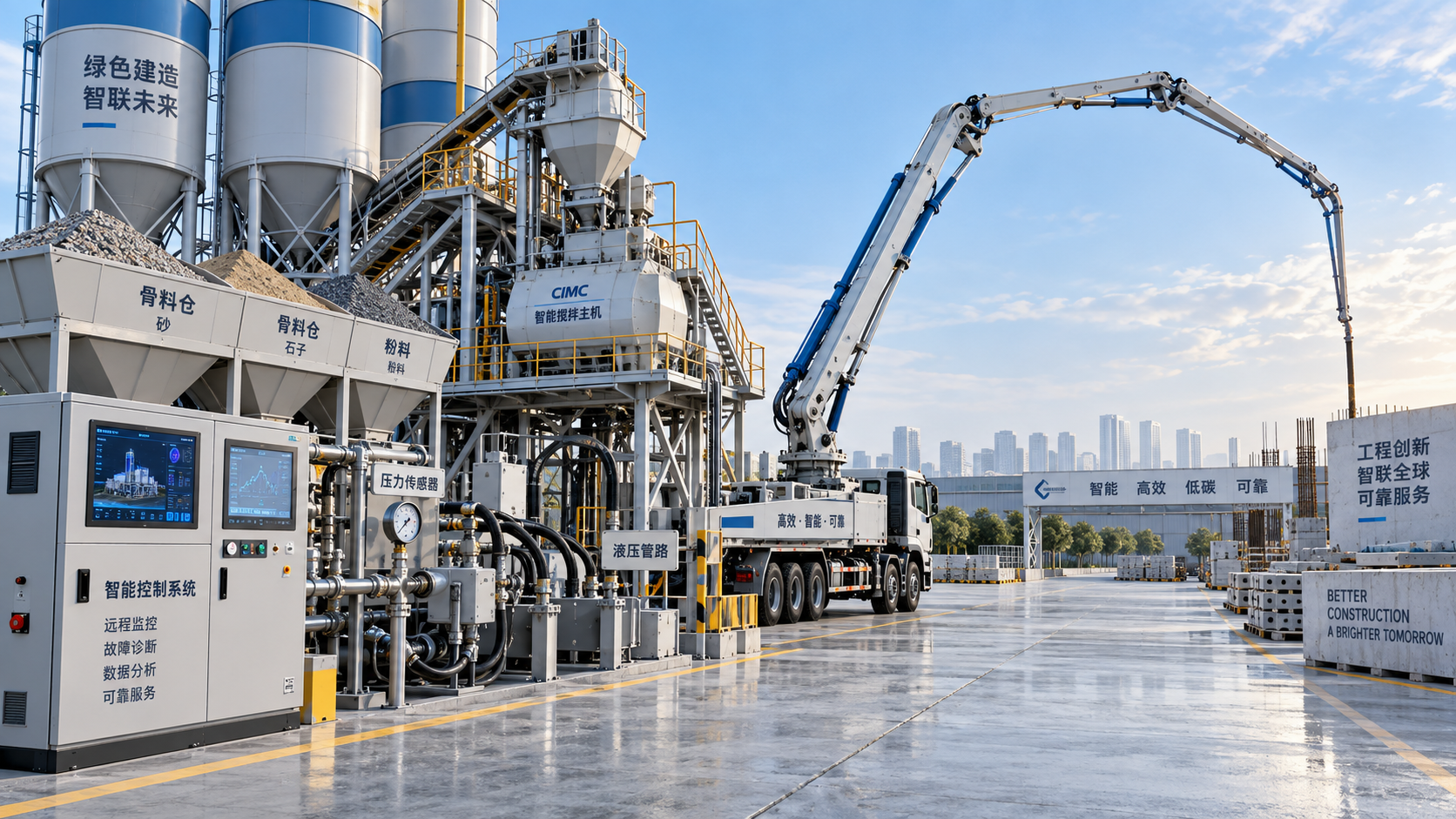
For stationary assets, such as smart batching plants, the calculation is often clearer. Grid power can be more predictable than diesel generation, and maintenance planning is easier when electric drive systems replace some hydraulic or engine-heavy components.
In deep foundation work, the picture is more mixed. Rotary drilling rigs and piling machinery face highly variable loads, difficult geology, and remote job conditions. Here, construction equipment electrification may improve emissions performance faster than it improves payback.
A practical way to compare investment logic is to look at which variable actually drives margin on the machine.
This is why construction equipment electrification should be modeled machine by machine, not announced as a fleet-wide principle and justified later.
How should uptime be evaluated when electric machines look efficient on paper?
Uptime is where many spreadsheets become too optimistic. Energy savings matter little if charging, parts supply, or site readiness keeps the machine idle.
A better approach is to separate uptime into three layers: machine reliability, charging availability, and operational recovery after an interruption.
Machine reliability covers motors, batteries, control systems, and thermal management. Charging availability covers connection points, queue risk, and real charging speed under field conditions.
Operational recovery is often ignored. If a diesel unit can be refueled in minutes but an electric unit needs an hour to recover schedule, the utilization gap may outweigh maintenance savings.
For pumping and foundation projects, uptime must also reflect work sequence dependency. If one idle machine stops concrete placement or pile installation, the cost of lost coordination can exceed the direct equipment cost.
DFCS coverage of pumping pressure systems and underground machinery repeatedly shows the same lesson: availability around the machine is as important as availability of the machine.
- Check duty cycle by shift, not by brochure range.
- Verify charging speed under loaded site conditions.
- Model backup plans for peak production days.
- Review service response times in each region.
Which applications are most suitable for construction equipment electrification today?
Not every machine should be first in line. The best candidates usually share one feature: predictable work patterns.
Electric mixer trucks work best on repeatable urban or plant-to-site loops, where charging can be planned between loads. Their business case weakens when routes are long, traffic is unstable, or payload sensitivity is extreme.
Batching plants are often strong candidates because they operate from fixed locations. When paired with smart weighing, enclosed dust control, and energy monitoring, electrification aligns well with both cost discipline and compliance goals.
Concrete pump systems can also make sense, especially on urban projects that face strict emissions and noise limits. Here, lower local emissions may support project access as much as direct cost savings.
Rotary drilling rigs and piling machinery require more caution. Complex geology, unstable ground conditions, and highly variable power demand can make pure battery strategies difficult on some sites.
In other words, the first wave of construction equipment electrification usually rewards controlled environments before it rewards the harshest field conditions.
What costs are commonly missed when comparing electric and diesel fleets?
The purchase price difference is obvious. The hidden costs are usually the ones that change the decision.
Charging infrastructure is the first overlooked item. That includes transformers, cabling, site preparation, permitting, and sometimes demand charges from the utility.
The second is productivity distortion. If charging windows reduce dispatch flexibility, the machine may complete fewer revenue-generating cycles even while energy cost per hour falls.
Residual value is another area to test carefully. A diesel machine often has a broader secondary market today, while resale pricing for electric heavy equipment remains less mature and more region-dependent.
Battery replacement risk should also be modeled, even if it sits outside the planned holding period. Buyers and lessors increasingly ask how remaining battery health will affect asset value.
A simple comparison framework helps avoid incomplete assumptions.
How can a capital decision be made without overcommitting too early?
The safest path is rarely a full conversion and rarely a symbolic pilot with no measurement discipline. A staged decision works better.
Start with machines that combine high utilization, predictable schedules, and strong regulatory pressure. For many fleets, that means certain mixer routes, plant systems, or urban pumping assignments.
Then define approval thresholds before deployment. Common thresholds include energy cost per productive hour, completed cycles per shift, charging downtime, and maintenance labor reduction.
It also helps to separate strategic value from pure short-term payback. On some projects, construction equipment electrification protects market access, supports low-carbon reporting, or strengthens prequalification status.
That does not remove the need for ROI. It simply means the return may come partly through risk reduction and revenue protection, not only through direct operating savings.
DFCS often frames this transition around lifecycle engineering efficiency. That is a useful lens, because the right answer depends on how a machine earns, pauses, charges, and retains value over time.
So, what should be reviewed before approving the next electric machine?
A sound review begins with the operating profile, not the equipment brochure. If the duty cycle is unclear, the financial model will be weak from the start.
Construction equipment electrification makes the most sense when three conditions align: measurable energy savings, manageable uptime risk, and a realistic resale or holding-period assumption.
For concrete and foundation operations, the most reliable next step is to map each machine against route stability, site power readiness, production dependency, and emissions-related project demand.
- Rank assets by utilization and predictability.
- Test total cost with infrastructure included.
- Measure uptime risk under real shift conditions.
- Review residual value and warranty exposure.
- Prioritize applications where compliance adds value.
That process does not promise that every machine should be electric in 2026. It does create a clearer basis for deciding where electrification improves cost control, uptime confidence, and long-term project competitiveness.

Industry Briefing
Get the top 5 industry headlines delivered to your inbox every morning.