
Construction Equipment Intelligence for Safer Daily Operations

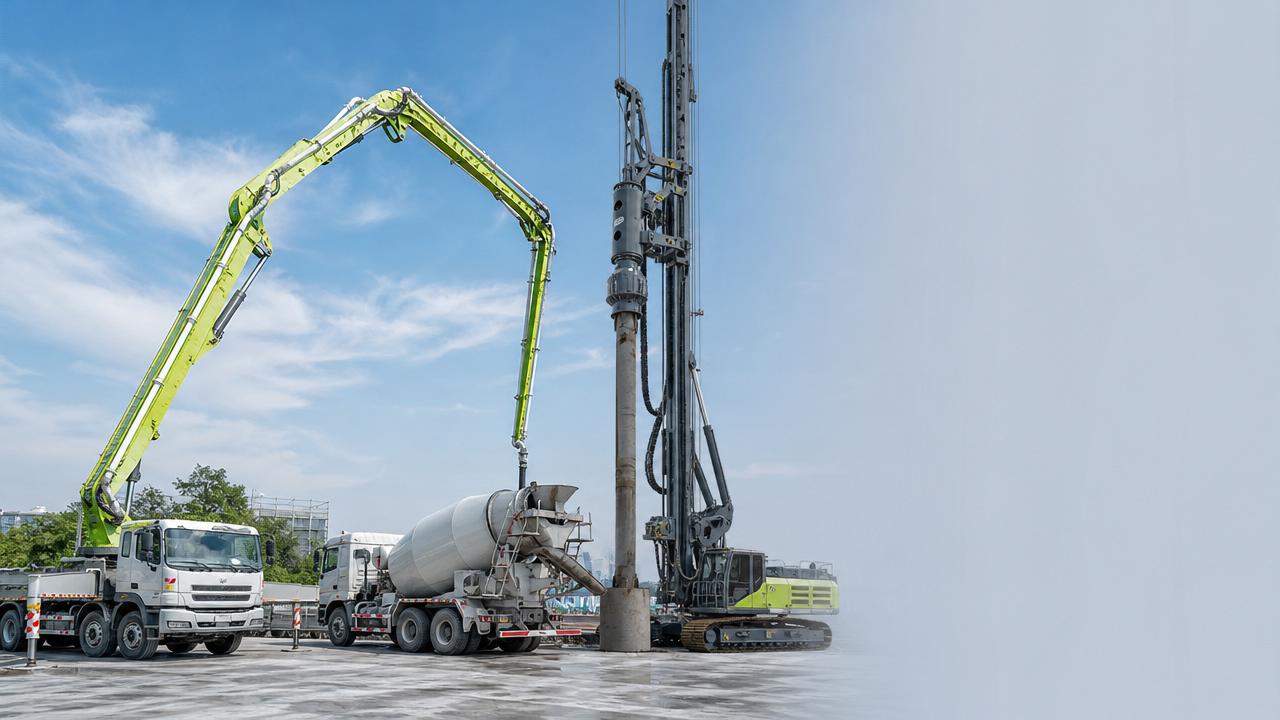
Construction equipment intelligence is reshaping safer daily operations for operators working with pump trucks, mixer trucks, batching plants, rotary drilling rigs, and piling machinery. By turning real-time machine data, site conditions, and safety signals into actionable insight, teams can reduce risk, improve precision, and keep complex construction projects moving efficiently under demanding field conditions.
What does construction equipment intelligence mean in daily construction work?
Construction equipment intelligence combines sensors, control software, telematics, and analytics inside heavy machines and connected jobsite systems.
It transforms raw operating signals into alerts, trends, and guidance that support safer and more stable equipment behavior.
In practical terms, construction equipment intelligence helps crews understand pressure, load, vibration, temperature, fuel use, cycle time, and fault conditions.
For concrete pump trucks, it can track boom stability, pumping pressure, and pipe wear before a dangerous interruption occurs.
For mixer trucks, it can monitor drum rotation, route timing, battery health, and material consistency during delivery.
For batching plants, it can verify aggregate weighing accuracy, moisture content, dust control performance, and maintenance timing.
For rotary drilling rigs and piling machinery, intelligent systems observe torque, penetration rate, ground resistance, alignment, and vibration impact.
This matters because daily construction risk often comes from small changes that operators cannot easily see in time.
Construction equipment intelligence makes hidden risk visible earlier, which supports safer decisions without slowing productivity.
Why is this intelligence different from ordinary machine monitoring?
Ordinary monitoring reports what happened. Construction equipment intelligence helps explain why it happened and what should happen next.
That difference is critical on sites where pumping pressure, unstable geology, congestion, weather, and schedule pressure interact every hour.
How does construction equipment intelligence improve safety on pump trucks and mixer trucks?
Concrete transport and placement involve moving loads, changing viscosity, route uncertainty, and tight urban workspaces.
Construction equipment intelligence reduces these risks by linking mechanical behavior with operating context.
Pump truck safety improvements
- Boom angle and outrigger status checks can warn against unstable positioning.
- Pressure trend analysis can flag blockages before pipe bursts or sudden surges.
- Vibration and sway monitoring can support safer placement at high reach.
- Remote diagnostics can shorten downtime during critical pours.
Mixer truck safety improvements
- Route and timing intelligence helps prevent material degradation and rushed unloading.
- Brake, tire, battery, and motor monitoring supports safer daily dispatch.
- Drum speed data helps maintain material quality during variable traffic conditions.
- Driver assistance alerts can reduce blind spot and maneuvering risk.
Safer operation is not just about alarms. It is about useful alarms with clear thresholds and timely response procedures.
That is where construction equipment intelligence delivers value beyond hardware alone.
How does construction equipment intelligence help at batching plants, drilling rigs, and piling sites?
These environments combine material variability, high load cycles, dust, vibration, and subsurface uncertainty.
Construction equipment intelligence helps stabilize both process quality and physical safety.
At concrete batching plants
Intelligent weighing systems reduce ratio errors that can affect structural strength and pumping performance.
Dust collection monitoring supports cleaner air, lower emissions, and safer visibility around loading zones.
Predictive maintenance on mixers, conveyors, and silos reduces sudden stops and hazardous manual intervention.
At rotary drilling rigs
Ground resistance data can reveal transitions from soft soil to cobbles or hard rock.
Torque and penetration analysis helps avoid tool damage, rig overload, and unstable drilling behavior.
Alignment monitoring improves bore accuracy, especially in urban foundations and restricted spaces.
At piling machinery operations
Static pressure, vibration frequency, and penetration speed can be tracked to protect surrounding structures.
Noise-sensitive projects benefit when intelligent settings support controlled piling in dense city areas.
Construction equipment intelligence also helps document compliance, which is increasingly important for public and private projects.
What should be evaluated before adopting construction equipment intelligence?
Not every digital feature creates operational value. Selection should begin with risk exposure and workflow needs.
Key evaluation points
- Does the system capture data relevant to actual site hazards?
- Are alerts readable, prioritized, and actionable in field conditions?
- Can data be integrated across pump trucks, batching plants, and foundation equipment?
- Will the platform support maintenance planning and compliance records?
- Is it robust enough for dust, heat, shock, moisture, and unstable network coverage?
Construction equipment intelligence should fit the operating environment, not just the sales specification.
Systems designed for general fleet visibility may not handle high-pressure pumping or deep foundation complexity well.
A practical comparison table
What are the most common mistakes when using construction equipment intelligence?
The first mistake is assuming technology alone creates safety. It does not.
Without operating rules, escalation paths, and routine review, alerts become background noise.
Frequent implementation errors
- Too many alarms with no severity ranking.
- Poor sensor calibration in harsh field environments.
- No linkage between machine data and site planning.
- Ignoring operator feedback about false alerts.
- Treating all machines as if they share the same risk profile.
Construction equipment intelligence works best when digital signals are connected with daily inspection, maintenance, and job sequencing.
For example, a piling machine alert matters more when matched with nearby structure sensitivity and geotechnical records.
A pump truck pressure warning becomes more useful when linked with concrete mix behavior and pipeline cleaning history.
How can teams put construction equipment intelligence into practice without disruption?
A phased approach usually works better than a full replacement strategy.
Start with the highest-risk machines and the most repetitive failure modes.
Suggested rollout steps
- Map safety-critical operations across pumping, mixing, batching, drilling, and piling.
- Define a short list of measurable risk indicators.
- Deploy construction equipment intelligence on selected machines first.
- Compare alerts with actual incidents, delays, and maintenance records.
- Refine thresholds, reporting flow, and operator training.
- Expand only after proving field usefulness.
DFCS closely follows this evolution across concrete and deep foundation machinery worldwide.
Its intelligence focus connects hydraulic performance, geological complexity, low-carbon transition, and automation into one practical picture.
That perspective is especially valuable where safety, uptime, and technical credibility must advance together.
Quick FAQ reference table
Construction equipment intelligence is becoming central to safer daily operations across modern construction equipment fleets.
Its real value appears when machine data is translated into better timing, fewer incidents, and more controlled execution.
The next practical step is simple: identify one high-risk workflow, define key warning signals, and test construction equipment intelligence where daily safety pressure is highest.
 How to Evaluate Delivery Reliability from Overseas Construction Machinery SuppliersTime : Sep 01, 2026
- Which concrete equipment industry trends are reshaping plant investment decisionsTime : Aug 19, 2026
- How construction machinery sustainability trends affect fleet upgrade decisionsTime : Aug 14, 2026
Industry Briefing
Get the top 5 industry headlines delivered to your inbox every morning.