
Concrete Pumping Machinery: Key Checks Before Model Selection

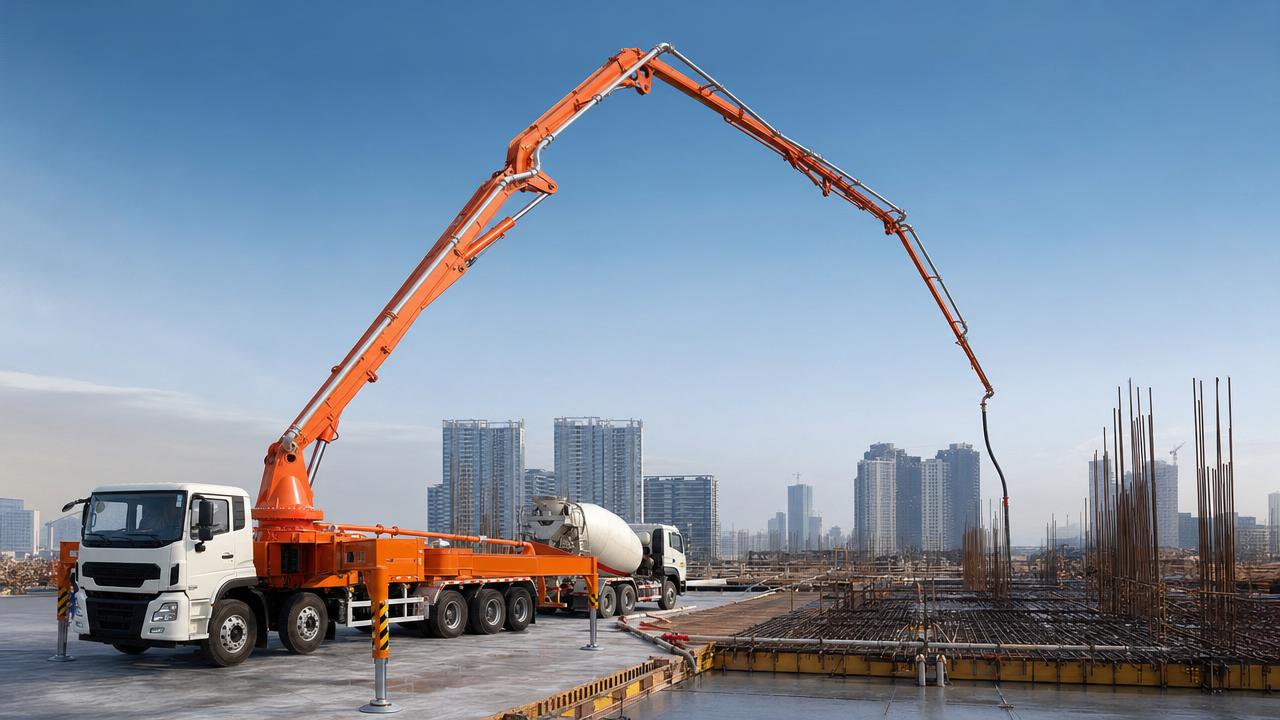
Choosing concrete pumping machinery should begin with engineering reality, not brochure claims. Output, boom reach, and brand reputation matter, but only after core checks are complete.
A smart review connects mix design, vertical distance, pipeline resistance, site layout, service support, and ownership cost. This approach helps concrete pumping machinery perform reliably under daily jobsite pressure.
What should be checked first before selecting concrete pumping machinery?
Start with the project profile. Every choice in concrete pumping machinery depends on the structure, pouring schedule, concrete volume, and access conditions.
Check whether the work involves high-rise slabs, tunnel linings, bridge piers, raft foundations, or confined urban pours. Different applications create very different pumping demands.
Then define the daily and peak pouring target. A machine sized only for average output may struggle during critical placement windows.
- Required hourly output and total daily volume
- Maximum horizontal and vertical pumping distance
- Expected aggregate size and slump range
- Frequency of line changes or relocations
- Available setup space and ground support
This early checklist prevents mismatches. It also keeps concrete pumping machinery aligned with real construction flow instead of estimated assumptions.
How do pumping pressure and pipeline distance affect model selection?
Pressure is one of the most important selection factors. Concrete pumping machinery must overcome gravity, friction, bends, reducers, and concrete viscosity at the same time.
A long line does not always require the biggest machine. However, complex routing with multiple elbows can raise resistance sharply.
Vertical pumping usually needs stronger pressure reserves than flat delivery. High-rise and mountain projects often demand extra safety margin beyond nominal calculations.
Key pressure-related checks
- Total equivalent pipeline length, not just direct distance
- Number of bends, valves, reducers, and vertical sections
- Concrete consistency during temperature changes
- Need for continuous flow versus intermittent starts
- Wear condition of pipes and delivery cylinders
When pressure is underestimated, blockages rise, components wear faster, and pour continuity suffers. That is why concrete pumping machinery needs realistic pressure analysis before shortlisting.
Why does concrete mix compatibility matter so much?
Concrete pumping machinery does not work in isolation. Pump performance depends heavily on the behavior of the concrete being delivered.
A mix with poor grading, excessive coarse aggregate, unstable water content, or weak workability can create pulsation, segregation, and line blockage.
Before selecting a model, review the mix design history. Confirm whether the machine will handle standard commercial concrete, high-strength mixes, fiber-reinforced material, or special low-slump formulations.
Important compatibility points
- Maximum aggregate size versus pipe diameter
- Slump stability from batching plant to discharge point
- Admixture influence on pumping lubrication
- Risk of segregation during long waiting periods
- Consistency under hot, cold, or windy weather
Reliable concrete pumping machinery should match the actual mix ecosystem, including batching quality, transport timing, and expected pumping interruptions.
Which site conditions can change the best concrete pumping machinery choice?
Site conditions often eliminate otherwise attractive models. Access roads, turning radius, power availability, outrigger space, and working platform stability all affect practical suitability.
Urban projects may limit noise, emissions, and setup time. Remote infrastructure jobs may prioritize ruggedness, spare parts availability, and easier field maintenance.
Ground bearing capacity is especially important for boom pump trucks. Limited support under outriggers increases operational risk and may require a different configuration.
Typical site-related decision points
- Can the machine enter and position safely?
- Is there enough space for boom unfolding or line routing?
- Will power, fuel, or charging access affect uptime?
- Does weather exposure demand stronger protection systems?
- Are local compliance rules tightening noise or emissions limits?
Concrete pumping machinery that fits the site usually delivers better productivity than a larger unit that operates with constant restrictions.
How should maintenance, durability, and service support be evaluated?
Selection should include the full service reality. Concrete pumping machinery faces abrasion, hydraulic stress, valve wear, and contamination risk every working day.
Check wear parts first. Delivery cylinders, spectacle plates, cutting rings, pipes, seals, and hydraulic components should be easy to inspect and replace.
Maintenance access matters just as much as component strength. If routine cleaning or repair takes too long, operating cost rises quickly.
Ask these service questions
- Are spare parts locally stocked and quickly available?
- Is remote diagnostics or telematics included?
- How often are major wear parts typically replaced?
- Are technicians trained for this exact hydraulic system?
- Is cleaning simple after fiber or high-strength concrete use?
In many cases, dependable service support adds more value than a slightly higher rated output. Durable concrete pumping machinery protects both schedule and asset life.
What cost mistakes are common when comparing concrete pumping machinery?
The biggest mistake is focusing only on purchase price. Concrete pumping machinery should be judged by lifecycle value, not entry cost alone.
A lower-priced unit may consume more fuel, require frequent wear-part replacement, and create more downtime under heavy pumping duty.
A balanced cost review should include productivity, maintenance frequency, residual value, compliance readiness, and expected utilization rate.
This comparison framework makes concrete pumping machinery decisions more disciplined and less reactive.
FAQ summary: which pre-selection checks deserve the most attention?
Concrete pumping machinery performs best when selection begins with measurable conditions. Review project scope, pressure demand, mix compatibility, site limitations, and service depth before comparing final models.
Use a structured pre-selection checklist, request realistic performance data, and verify lifecycle costs. That process leads to concrete pumping machinery choices that support safer pours, stronger uptime, and better long-term value.
Industry Briefing
Get the top 5 industry headlines delivered to your inbox every morning.