
Concrete Pumping Technology: Reach vs Stability

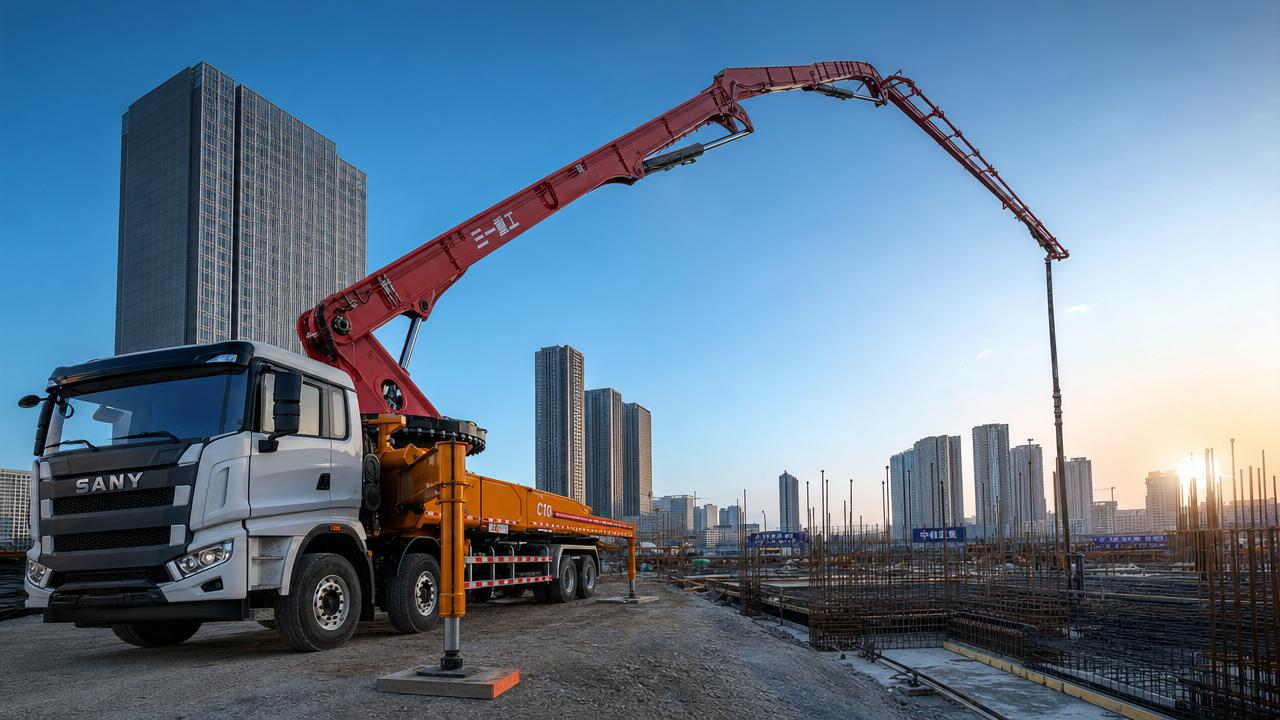
Concrete Pumping Technology Is Moving From Simple Reach Metrics to Stability-Led Evaluation
In concrete pumping technology, reach once dominated equipment comparisons. Today, stability has become equally decisive across high-rise, urban, and complex foundation projects.
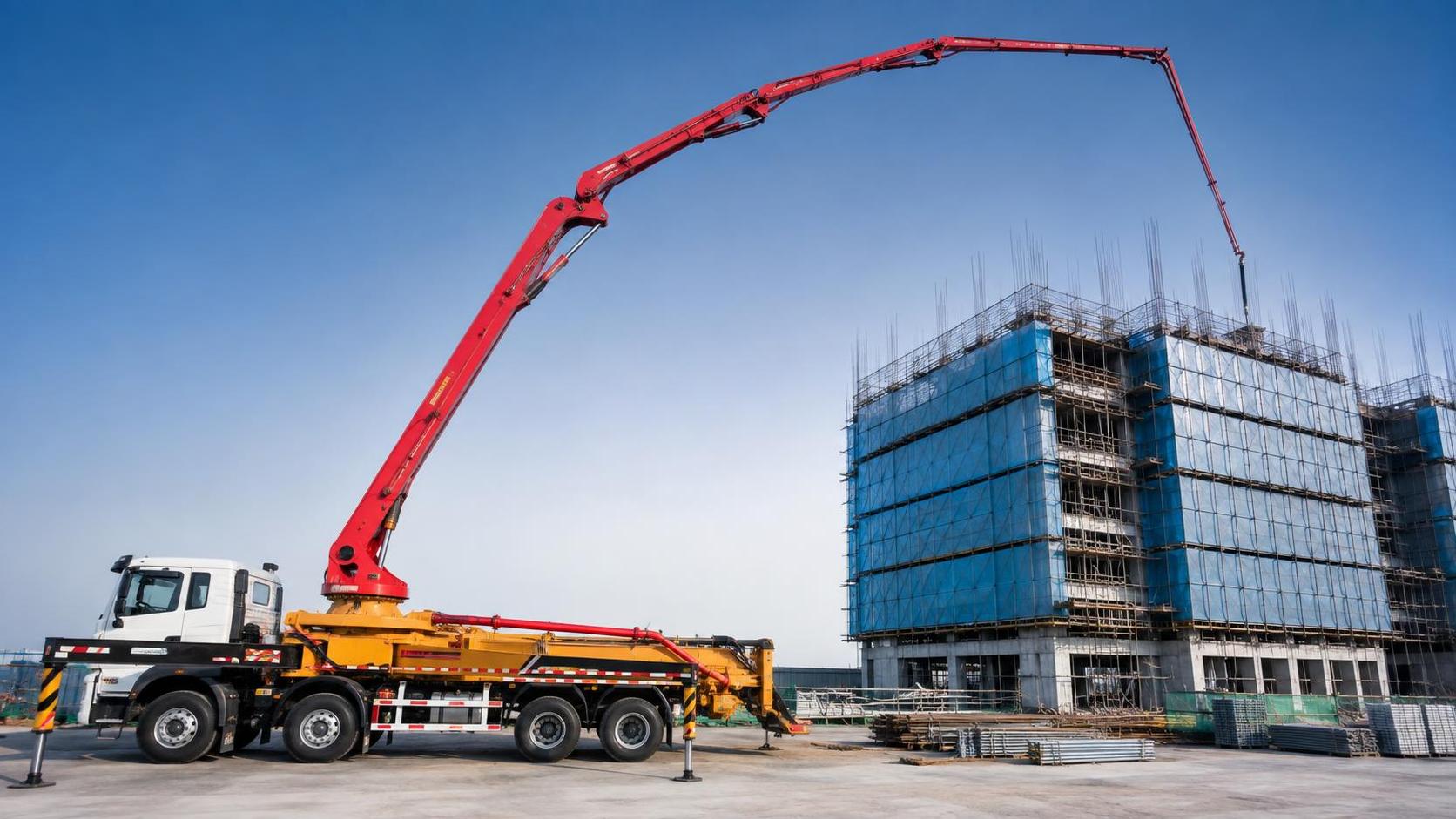
Longer booms promise access, fewer repositioning cycles, and faster placement. Yet real performance depends on how safely that reach is controlled under load, wind, and changing ground support.
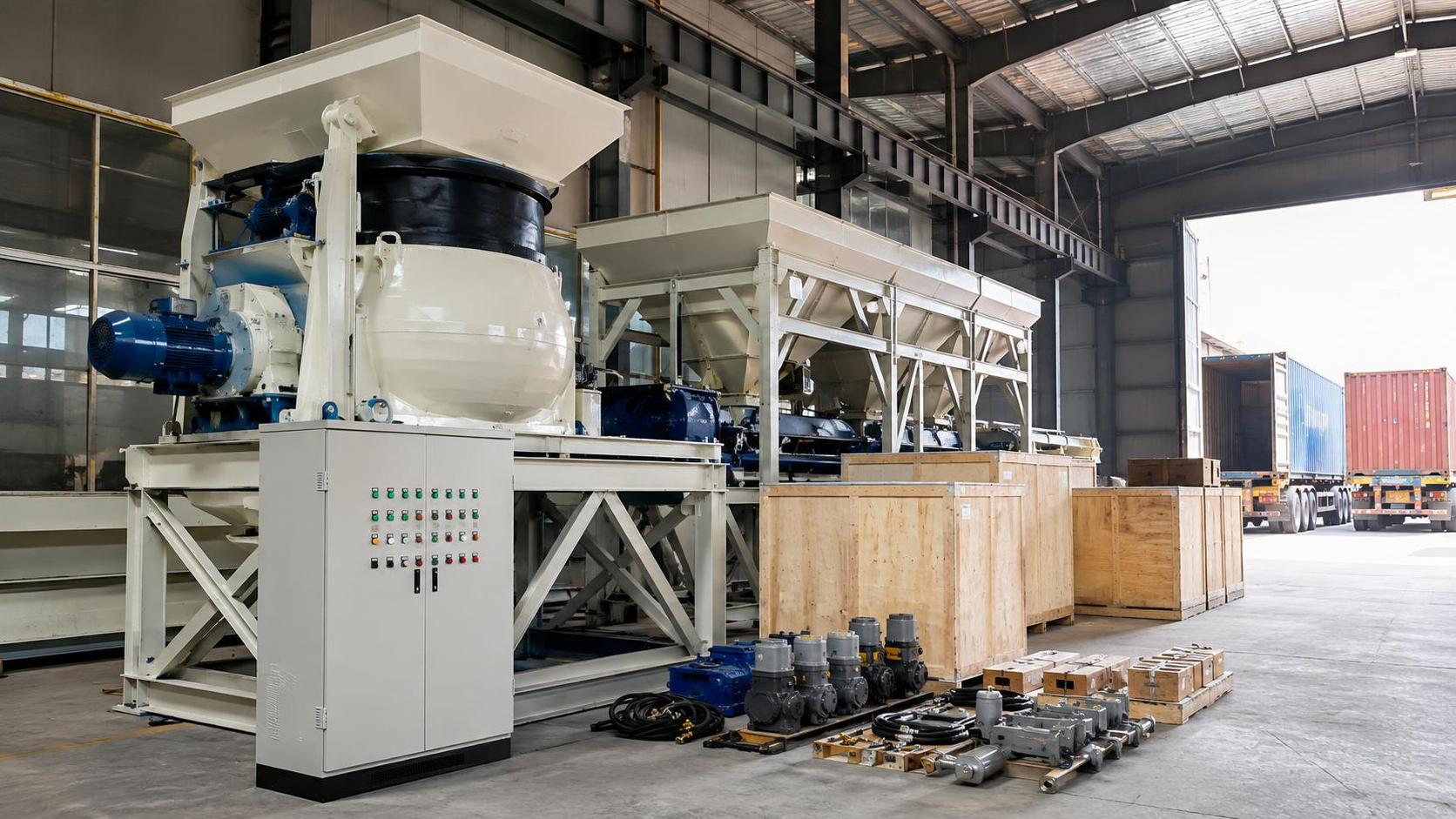
This shift matters across the broader construction ecosystem. Concrete pump trucks now operate beside smart batching plants, deep foundation works, and stricter low-carbon project targets.
For DFCS, concrete pumping technology is not only about distance. It is about the coordinated behavior of structure, hydraulics, sensing, vibration control, and jobsite adaptability.
The most reliable systems achieve a practical balance. They extend placement capability without sacrificing accuracy, durability, safety margin, or operational continuity.
Why the Reach Versus Stability Debate Is Intensifying Across Modern Jobsites
Several market signals explain why concrete pumping technology is being judged more rigorously than before. Project conditions are becoming taller, tighter, and less tolerant of downtime.
Urban density limits outrigger space. Taller structures demand longer vertical and horizontal delivery. More complex mix designs alter pumping pressure, pulse behavior, and wear patterns.
At the same time, safety expectations are rising. Equipment must remain predictable during boom articulation, pipeline pulsation, and rapid placement changes near sensitive structures.
This means concrete pumping technology is increasingly assessed by total system behavior, not headline boom length alone. Reach creates opportunity, while stability protects execution.
Current trend signals visible in the field
- More demand for long-boom pump trucks in high-rise and bridge applications.
- Greater use of sensors for boom angle, outrigger load, and chassis leveling.
- Stronger preference for anti-vibration control in narrow or elevated pours.
- Closer scrutiny of pumping stability on variable or restricted ground conditions.
- Higher interest in lifecycle efficiency, including wear, fuel, and maintenance impacts.
The Engineering Trade-Off Behind Concrete Pumping Technology Starts With Structural Behavior
In concrete pumping technology, a longer boom increases working envelope. However, every additional section changes mass distribution, dynamic response, and stress concentration.
When the boom extends, bending moments rise. Small oscillations can amplify at the tip, especially during start-stop pumping cycles or rapid articulation adjustments.
Structural rigidity becomes critical. Stronger steel design, optimized section geometry, and better joint engineering reduce deflection and improve placement precision.
Yet overbuilding the structure adds weight. Extra weight increases axle load, setup demands, fuel consumption, and possible limitations in urban deployment.
That is why advanced concrete pumping technology focuses on lightweight strength. Material efficiency and dynamic control must work together instead of competing.
Key technical variables shaping the trade-off
Hydraulics, Pulsation, and Vibration Control Now Define Real-World Performance
Modern concrete pumping technology depends heavily on hydraulic refinement. Smooth valve response and coordinated boom movement directly affect safe delivery at long extension.
Concrete flow is not constant. Pulsation from pumping cycles travels through the pipeline and interacts with boom flexibility, especially at high discharge rates.
If these forces are poorly managed, the tip can drift, shake, or overshoot the target zone. That reduces accuracy and increases operator correction frequency.
High-quality concrete pumping technology limits this problem through smarter hydraulic damping, boom motion algorithms, and real-time compensation strategies.
These functions matter even more with high-performance mixes. Viscous or specialty concrete can increase pressure fluctuations and demand more disciplined system tuning.
Main drivers behind the trend toward stability-centered design
- Taller pours magnify tip deviation and require better anti-sway control.
- Confined jobsites reduce setup freedom and increase dependence on precise hydraulics.
- Complex concrete mixes create variable resistance within pumping lines.
- Safety standards reward systems with measurable stability feedback.
- Downtime costs favor equipment that remains predictable during continuous pours.
Ground Support and Outrigger Conditions Are Becoming the Hidden Limit in Concrete Pumping Technology
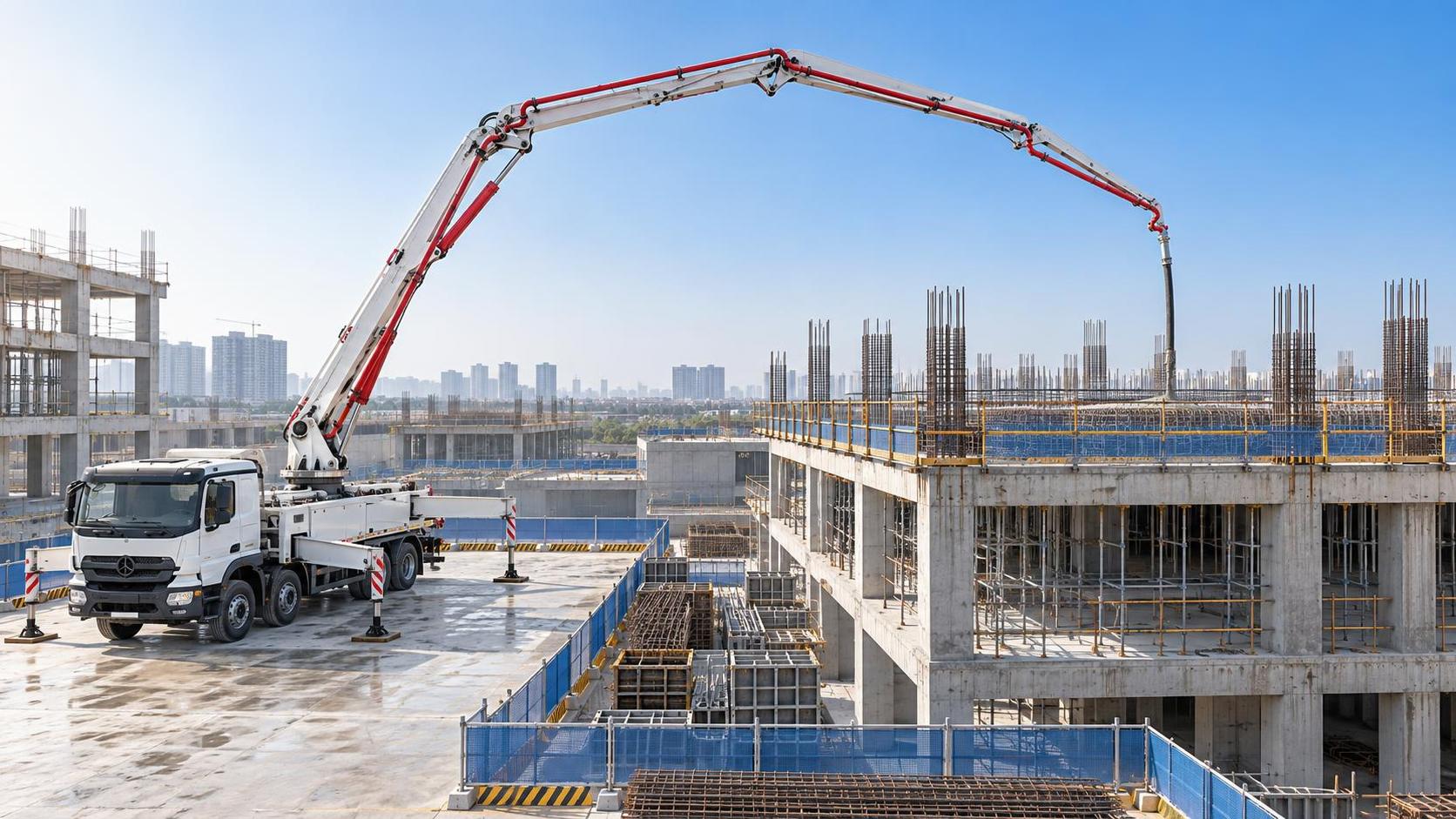
A pump truck may have exceptional boom reach, yet site conditions often decide usable performance. Stability begins at the ground, not at the boom tip.
Uneven support, backfilled zones, underground voids, or edge proximity can reduce safe operating capacity. This is common near excavation and deep foundation works.
In integrated projects, concrete pumping technology increasingly overlaps with rotary drilling rigs, piling machinery, and temporary geotechnical support activities.
That interaction raises the value of load monitoring, automatic leveling, and setup verification. Stable deployment is now a cross-discipline requirement.
As DFCS observes across underground engineering and concrete systems, the strongest results come from matching pump configuration to actual geotechnical context.
How changing conditions affect different business links
Equipment evaluation is becoming more data-driven. Static specifications still matter, but field stability metrics are gaining greater influence in project selection.
Placement planning is also changing. Teams now consider boom path, outrigger footprint, batching rhythm, and pour continuity as one connected system.
- Batching plants benefit from steadier pumping cycles and fewer interruption-driven mix losses.
- Mixer truck scheduling improves when boom repositioning is minimized without sacrificing control.
- Foundation works gain from safer coordination where pumps operate near retaining or piling zones.
- Maintenance planning improves when vibration, wear, and pressure behavior are monitored early.
What Deserves Closer Attention When Comparing Concrete Pumping Technology
A useful comparison should look beyond brochure reach. The key question is whether the system remains stable under realistic pumping and site conditions.
- Check boom rigidity under extended working positions, not only maximum geometry claims.
- Review hydraulic smoothness during start, stop, and directional changes.
- Assess anti-vibration behavior under sustained discharge, not isolated test moments.
- Confirm outrigger adaptability for narrow, irregular, or partially restricted jobsites.
- Examine compatibility with high-slump, low-carbon, or specialty concrete mixes.
- Look for sensor integration covering load, leveling, pressure, and diagnostic feedback.
- Consider maintenance access and wear exposure across pipes, joints, and valves.
A Practical Way to Judge the Next Phase of Reach and Stability Development
The future of concrete pumping technology will favor machines that turn long reach into stable, repeatable output. The winners will be defined by control quality, not extension alone.
For ongoing analysis of concrete pump trucks, batching systems, piling equipment, and underground engineering trends, DFCS offers a focused intelligence view shaped by real project demands.
Use that perspective to compare equipment by working stability, site compatibility, and lifecycle efficiency. That is the most reliable next step in evaluating concrete pumping technology.
Industry Briefing
Get the top 5 industry headlines delivered to your inbox every morning.