
High-Frequency Vibration Piling Solutions vs Static Driving

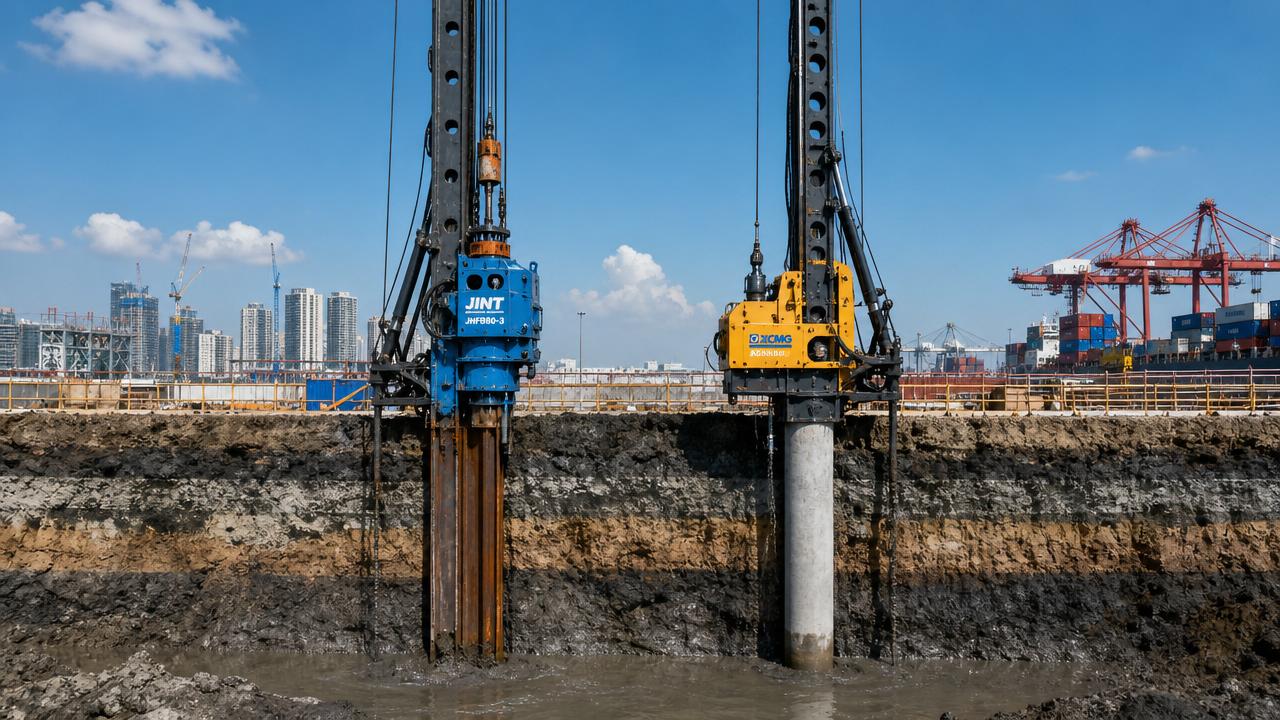
For technical evaluators comparing foundation methods, high-frequency vibration piling solutions offer a critical benchmark against static driving in terms of penetration efficiency, noise control, soil response, and project adaptability. In deep foundation engineering, the right choice is rarely based on a single performance index. It depends on how a piling method behaves in constrained urban sites, reclaimed ground, dense granular layers, soft clay, mixed geology, and low-disturbance projects where compliance and productivity must coexist. This article explains the engineering logic behind both methods through practical use scenarios, so foundation teams can judge equipment suitability, geological compatibility, environmental risk, and long-term construction performance with greater precision.
When Site Constraints Drive the Decision Between High-Frequency Vibration Piling Solutions and Static Driving
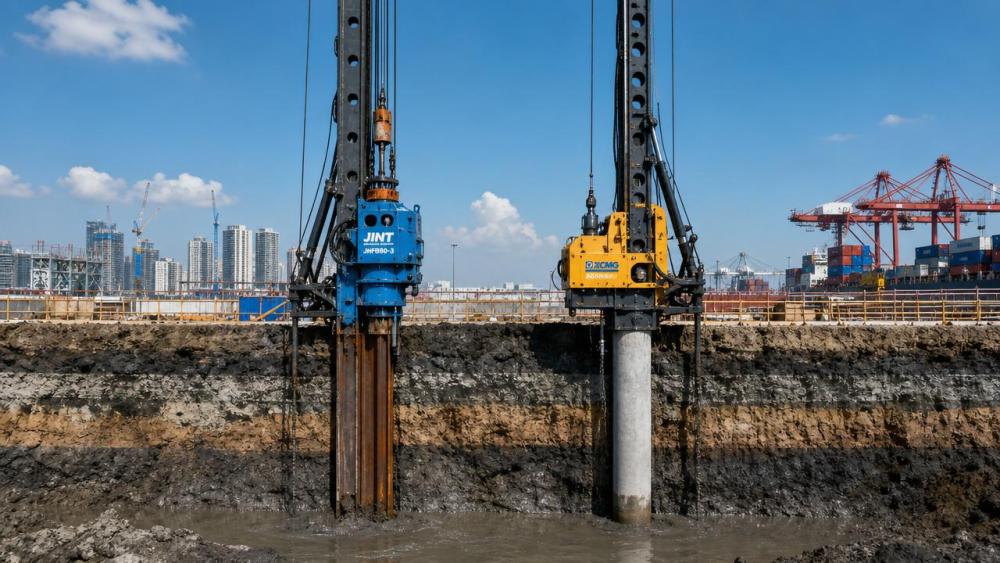
The comparison between high-frequency vibration piling solutions and static driving becomes most meaningful when a project faces conflicting demands: fast penetration but low disturbance, deep bearing access but limited working room, or strict schedule control under rising environmental standards. In the broader construction and underground equipment sector, these choices influence not only pile installation speed, but also machine selection, auxiliary crane planning, monitoring strategy, and community impact.
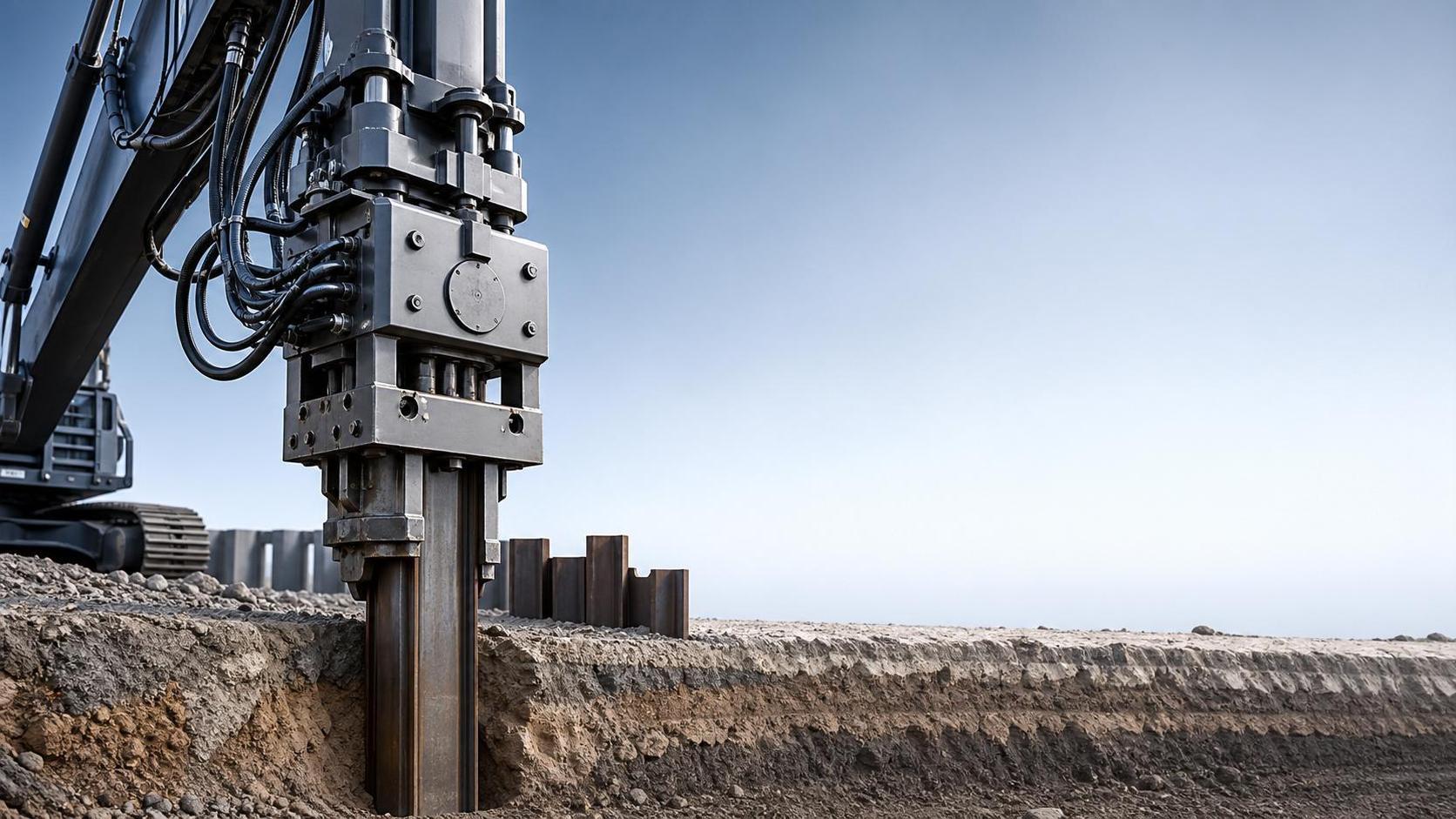
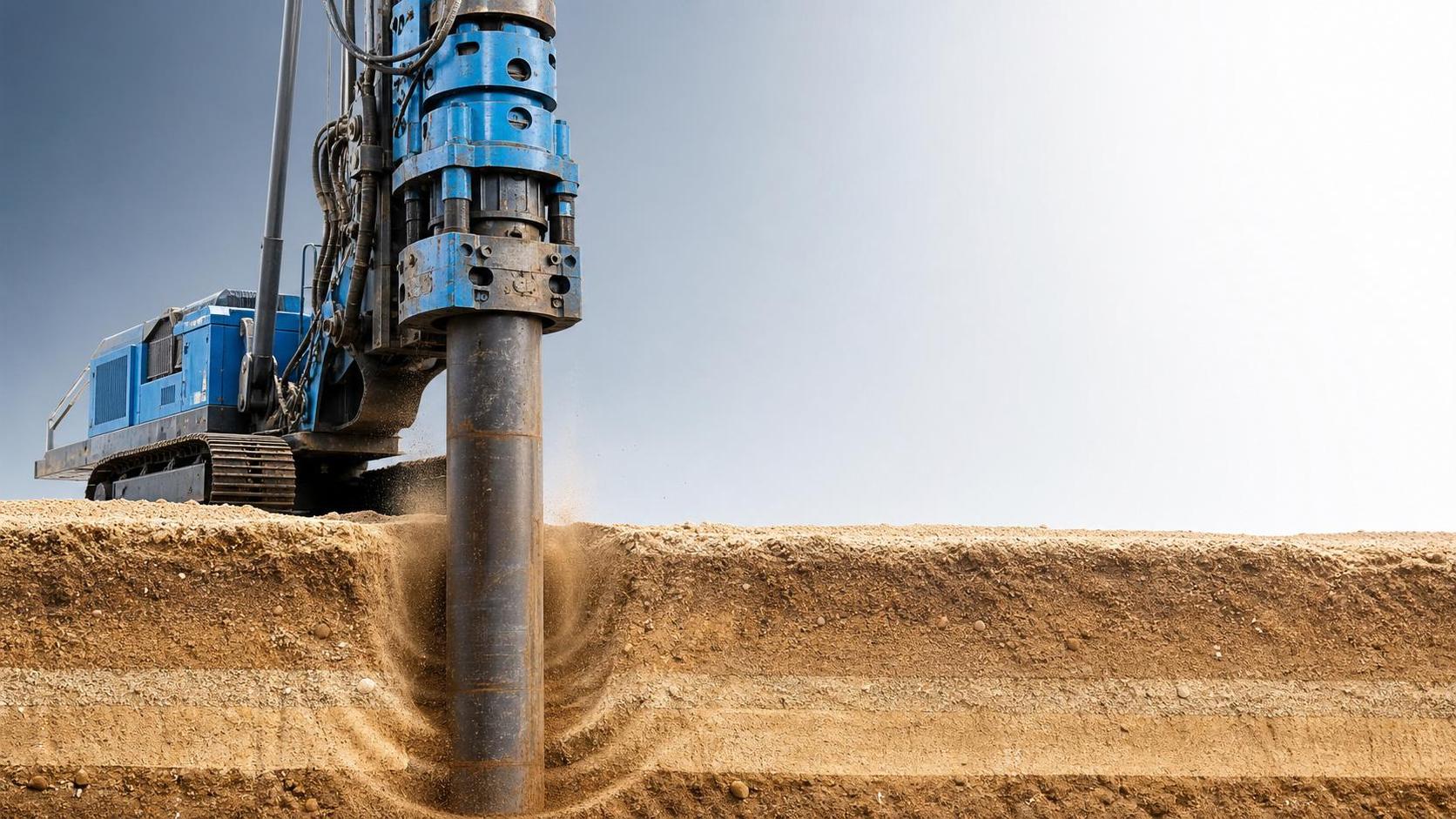
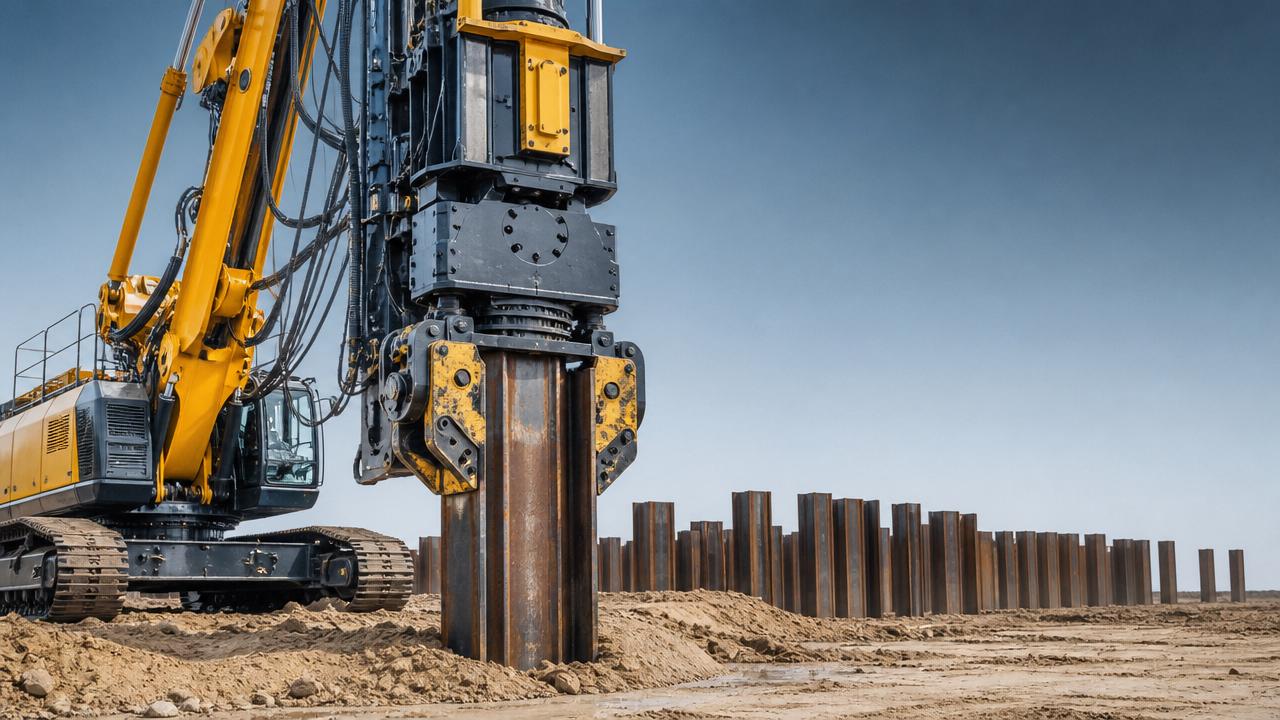
Static driving relies on hydraulic jacking force to press piles into the ground with limited vibration and generally lower noise. By contrast, high-frequency vibration piling solutions use rapid oscillation to reduce shaft friction and mobilize penetration, especially in soils that respond well to vibratory energy. The practical question is not which method is universally better, but which one fits a specific site condition with the lowest technical and commercial risk.
Scenario 1: Urban Low-Noise Projects with Sensitive Surroundings
In dense urban districts near hospitals, schools, rail corridors, heritage buildings, or occupied commercial towers, static driving often gains priority because vibration transmission must be tightly controlled. If settlement-sensitive structures are close to the piling line, the low-disturbance profile of static pressing may reduce the probability of nuisance claims, monitoring alarms, and work-hour restrictions.
However, high-frequency vibration piling solutions should not be excluded automatically. Modern variable-frequency systems, improved clamping stability, and better amplitude control can make vibratory installation viable in selected urban packages, especially where the geology is granular and the pile length demands higher productivity. The key judgment point is whether measured ground vibration, rather than assumed vibration, remains within project and regulatory thresholds.
Core judgment points in this scenario
- Distance to sensitive structures and buried utilities
- Local noise and vibration compliance limits
- Need for real-time monitoring and working-hour restrictions
- Whether granular soils allow efficient vibratory penetration with manageable disturbance
Scenario 2: Large-Scale Infrastructure Where Penetration Efficiency Matters Most
Port expansion, logistics zones, industrial platforms, river works, renewable energy support structures, and transport corridors often prioritize output per shift. In these settings, high-frequency vibration piling solutions frequently outperform static driving because rapid penetration can shorten cycle time, reduce pile handling delays, and improve equipment utilization. Where access roads are open and community disturbance is less restrictive, vibratory systems can support aggressive delivery targets.
This advantage becomes more visible in sheet piles, steel tubular piles, and precast pile programs installed through loose to medium-dense granular strata. The reduced shaft resistance generated by high-frequency excitation can accelerate installation and extraction, which is valuable in temporary works, retaining systems, and marine staging. Static driving, while precise and quieter, may struggle to match this pace when pile count is high and soil friction is significant.
Core judgment points in this scenario
- Required piles per day and crane coordination efficiency
- Soil profile dominated by sand, silt, fill, or mixed granular layers
- Need for temporary extraction or repositioning flexibility
- Schedule value of faster installation versus environmental constraints
Scenario 3: Soft Ground, Reclaimed Land, and Mixed Geology Requiring Careful Soil Response Control
Projects on reclaimed land, estuarine zones, soft clay belts, or layered fill over stronger bearing strata require more caution. Here, the debate between high-frequency vibration piling solutions and static driving is less about headline speed and more about soil behavior. Vibratory installation may improve penetration through loose fills, but it can also alter pore pressure response, densify certain soils, or create localized disturbance if the stratigraphy changes abruptly.
Static driving often provides a more predictable load path during installation in soft or highly variable ground, especially when project teams want better control over alignment, jacking force, and refusal trends. Yet mixed geology can favor a hybrid strategy: high-frequency vibration piling solutions for upper penetrable layers, followed by static or alternative finishing methods where control and final bearing verification become more important.
Scenario 4: Restricted Working Space and High Compliance Job Sites
Basement edge works, elevated interchange zones, factory retrofits, and urban renewal sites often combine narrow access, overhead restrictions, and strict safety protocols. In such places, machine footprint, rig mobility, pile handling method, and power configuration can outweigh purely geotechnical considerations. Static driving systems are often favored where compact setup and low airborne noise support safer coordination with adjacent trades.
Still, compact high-frequency vibration piling solutions can be effective when the site allows controlled lifting and the ground profile rewards faster insertion. The right decision depends on whether the vibratory equipment can operate without creating unacceptable resonance, utility interference, or sequencing conflicts. On compliance-heavy sites, method statements and instrumented trial piles are often more valuable than theoretical preference.
How Different Site Needs Change the Better Choice
Practical Matching Advice for Method Selection
A reliable selection process should connect geology, equipment behavior, compliance limits, and life-cycle construction goals. For many foundation packages, the best answer is not a binary choice but a staged decision path supported by field evidence.
- Use high-frequency vibration piling solutions when granular soils, high pile counts, marine works, temporary structures, or schedule compression dominate the risk profile.
- Use static driving when vibration sensitivity, settlement concern, constrained urban surroundings, or highly regulated work windows dominate the project context.
- Adopt trial installation where mixed geology makes desktop assumptions unreliable.
- Check full system compatibility including crane capacity, pile type, clamping arrangement, energy consumption, and monitoring instrumentation.
- Assess long-term performance by linking installation method with pile integrity, bearing verification, and post-installation quality control.
Common Misjudgments When Comparing These Piling Methods
One common mistake is assuming that static driving is always the safer option and high-frequency vibration piling solutions are always too disruptive for urban use. In practice, modern vibratory systems can perform within acceptable limits on suitable ground, while static pressing can face practical inefficiencies or refusal issues if pile length, soil friction, or access constraints are underestimated.
Another frequent error is selecting by equipment headline only, without considering pile type, soil layering, groundwater condition, and monitoring obligations. A method that looks efficient on paper may underperform if the subsurface contains cobbles, dense interlayers, or obstruction risk. Equally, low-noise selection does not guarantee low total project impact if installation duration expands sharply.
A third oversight is ignoring decarbonization and energy use. In the modern deep foundation and concrete equipment landscape, machine electrification, hydraulic efficiency, and digital monitoring increasingly shape procurement and site approval. Method selection should therefore include operational energy, maintenance exposure, and data traceability, not just pile penetration speed.
Next-Step Actions for a More Defensible Foundation Decision
To make the comparison between high-frequency vibration piling solutions and static driving actionable, start with a scenario-based review rather than a generic method preference. Map the site into four variables: geology, sensitivity of surroundings, production target, and compliance threshold. Then verify each variable against machine capability, not brochure claims alone.
Where uncertainty remains, commission a monitored trial section with measurable outputs: penetration rate, verticality control, noise level, ground vibration, energy demand, and post-installation integrity checks. This evidence-led approach creates a stronger technical basis for method approval, cost forecasting, and construction sequencing.
In today’s foundation market, the most resilient decision is the one that aligns field performance, environmental compliance, and lifecycle efficiency. Whether the project leans toward high-frequency vibration piling solutions or static driving, the winning strategy is a calibrated match between site reality and equipment behavior.
Industry Briefing
Get the top 5 industry headlines delivered to your inbox every morning.