
Modern Construction Techniques Training: What Pays Off

Modern construction techniques training pays off when it turns technical change into business control. In concrete, pumping, batching, drilling, and piling operations, training is no longer a support function. It shapes schedule reliability, asset utilization, safety performance, compliance readiness, and the ability to deliver complex projects without margin erosion.
That matters even more as construction equipment becomes smarter, cleaner, and more data-driven. A crew may have access to advanced pump trucks, enclosed batching plants, rotary drilling rigs, or low-noise piling systems, yet the return remains limited if operating knowledge, maintenance judgment, and site coordination do not keep pace.
Viewed this way, modern construction techniques training is an investment in decision quality across the project chain. It helps reduce preventable downtime, improves material consistency, strengthens execution under difficult ground conditions, and supports the low-carbon transition that now influences bids, approvals, and long-term competitiveness.
What the training really covers
The phrase sounds broad, but in practice it is highly operational. Modern construction techniques training connects people, equipment, process, and site conditions.
In heavy civil and building foundation work, it usually includes equipment handling, digital controls, material behavior, geotechnical response, safety discipline, and environmental compliance.
For example, concrete pumping training is not only about boom movement. It also involves mix compatibility, line pressure awareness, hose management, blockage prevention, and coordination with placement speed.
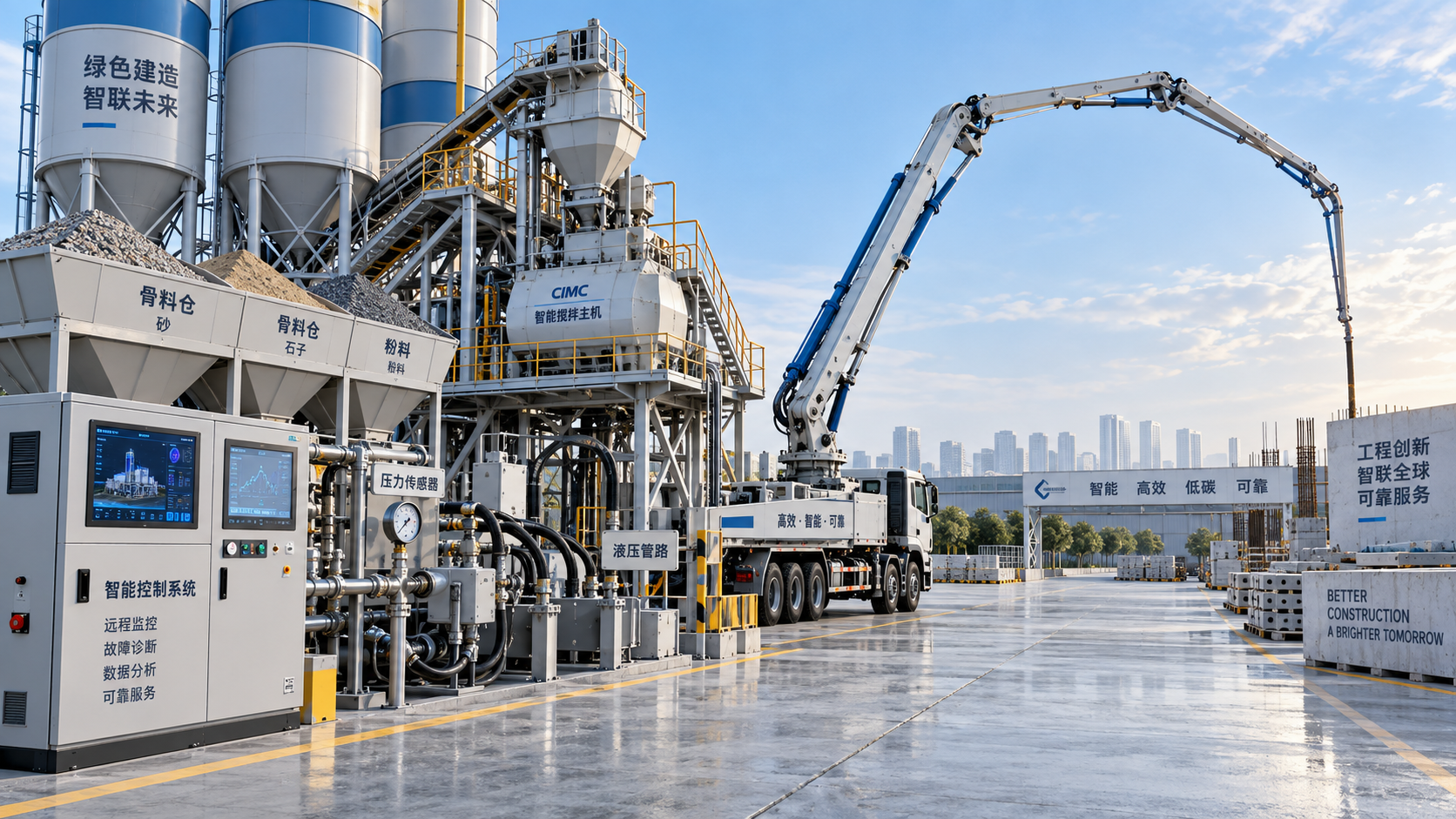
Batching plant training goes beyond button-level operation. It covers weighing accuracy, moisture correction, dust control, calibration routines, and data traceability that protect concrete quality.
Rotary drilling and piling training must also reflect geology. Hard rock, cobbles, quicksand, and urban noise restrictions each demand different methods, tools, and decision thresholds.
Why the topic has moved up the agenda
The industry is changing on several fronts at once. Equipment is becoming automated, electrified, sensor-rich, and more tightly governed by emissions and safety standards.
At the same time, projects are less forgiving. Urban sites are tighter, foundation designs are deeper, delivery windows are narrower, and clients expect cleaner reporting.
This is where modern construction techniques training becomes strategic. It shortens the gap between equipment capability and field performance.
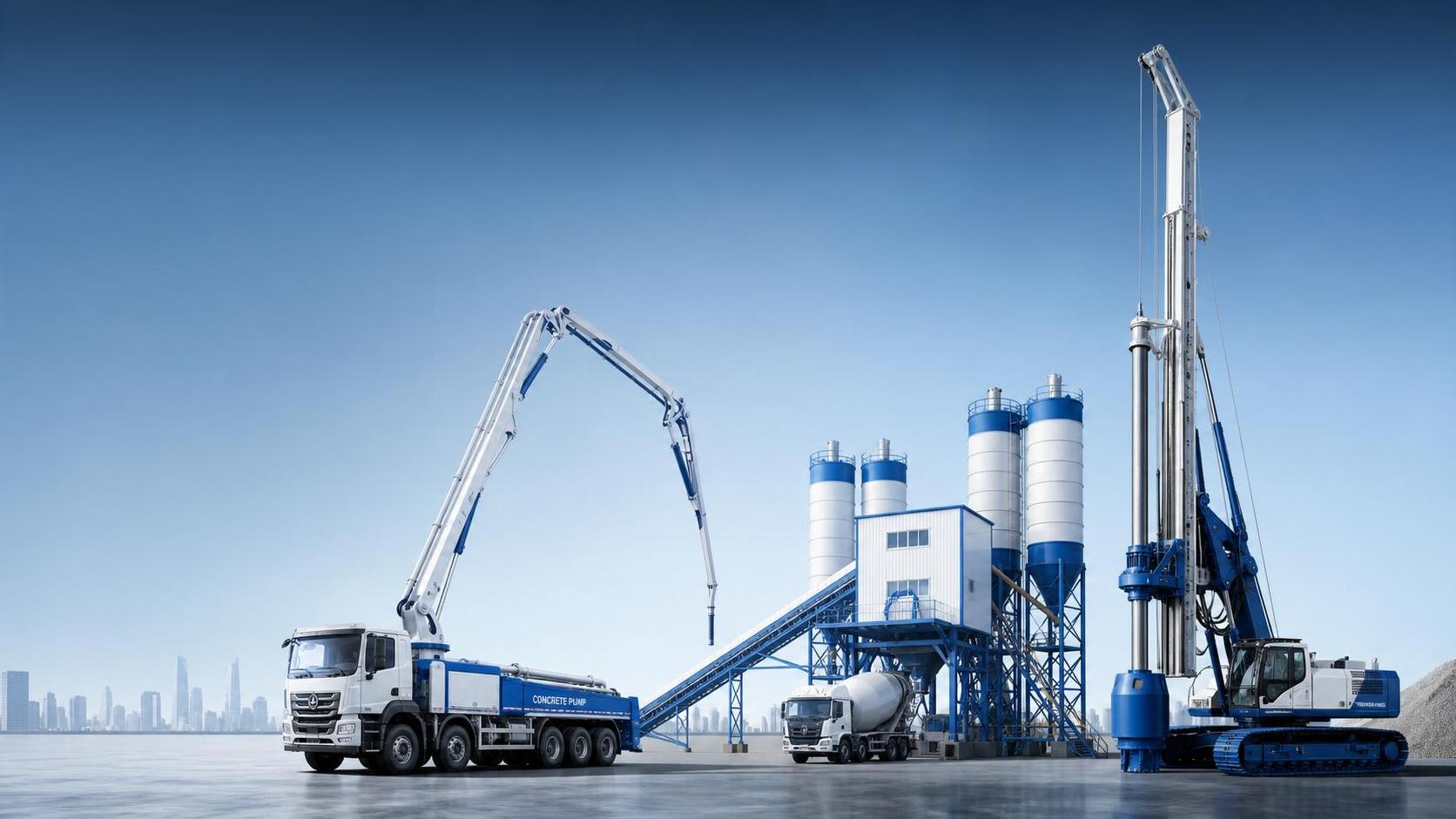
DFCS tracks this shift closely across the five pillars of modern construction machinery: concrete pump trucks, mixer trucks, batching plants, rotary drilling rigs, and piling systems.
Each pillar is evolving. Pump trucks rely on more refined hydraulic control and vibration damping. Mixer fleets are moving toward electrification and lightweighting. Smart batching plants depend on IoT weighing and enclosed environmental systems.
Rotary rigs and piling machinery also face new performance expectations, especially where geology is complex and urban restrictions are stricter. Training must follow that reality, not legacy habits.
Where the payoff becomes visible
The return on modern construction techniques training is often easier to see in operations than in classrooms. It shows up in fewer disruptions and more predictable output.
In other words, the payoff is not abstract. It can be tracked through cycle time, fuel or power use, concrete rejection rates, wear life, incident frequency, and handover confidence.
Different equipment, different training priorities
Concrete pumps and mixer systems
Training should connect material flow with machine behavior. Operators need to understand slump variation, delivery timing, boom reach limits, and the effect of pumping pressure on wear and stability.
For mixer fleets, the priority expands to route efficiency, battery or fuel strategy, discharge consistency, and preventing early setting under changing weather conditions.
Batching plants and quality control
Here, modern construction techniques training needs a process mindset. Small calibration errors can scale into structural risk, wasted material, and contract disputes.
Well-trained teams are better at managing aggregate moisture, admixture dosing, digital records, and dust collection performance in enclosed smart plants.
Rotary drilling and piling operations
This area demands stronger method discipline. Tool selection, torque interpretation, casing strategy, spoil handling, and pile installation control all affect final foundation reliability.
Where projects face hard rock, quicksand, or dense urban conditions, training must include scenario-based judgment. Technical skill alone is not enough without situational decision rules.
What decision-makers should evaluate before funding a program
Not every course delivers meaningful returns. The better question is whether the training addresses real bottlenecks in equipment life, project delivery, and compliance exposure.
- Match training content to equipment mix, site profile, and upcoming project complexity.
- Prioritize failure points with measurable cost, such as pump blockages, batching deviations, or drilling tool wear.
- Include digital systems, not only mechanical routines, because diagnostics now shape uptime.
- Check whether environmental rules, noise limits, and zero-emission requirements are covered in practical terms.
- Set outcome metrics before launch, including downtime reduction, output stability, and safety compliance.
This evaluation framework matters because modern construction techniques training should improve execution quality, not just attendance records.
How intelligence improves training value
Training becomes more useful when it is informed by current equipment trends and field evidence. That is where specialized intelligence platforms such as DFCS add practical context.
Coverage of pump truck vibration control, drill bit wear in hard rock, urban noise control during piling, and smart batching replacement trends helps shape more relevant learning priorities.
This kind of intelligence supports better timing as well. A program built around yesterday’s machine logic will miss the value of electrification, automation, and data-led maintenance.
It also helps standardize decisions across regions and project types, which is increasingly important for global contractors and equipment-intensive infrastructure programs.
A practical way to move forward
A strong starting point is to map training priorities against the assets and risks that most affect project outcomes. Usually, that means reviewing batching consistency, pumping reliability, drilling adaptability, and piling compliance together rather than in isolation.
From there, compare current performance with the demands of upcoming projects. If the pipeline includes deeper foundations, low-carbon specifications, or tighter urban controls, the training roadmap should reflect that shift early.
Modern construction techniques training pays off when it is tied to operating reality, measured against clear outcomes, and updated as equipment and regulations evolve. The next useful step is not simply to train more, but to define where better knowledge will create the strongest operational advantage.

Industry Briefing
Get the top 5 industry headlines delivered to your inbox every morning.