
Construction Safety Risks That Delay Projects

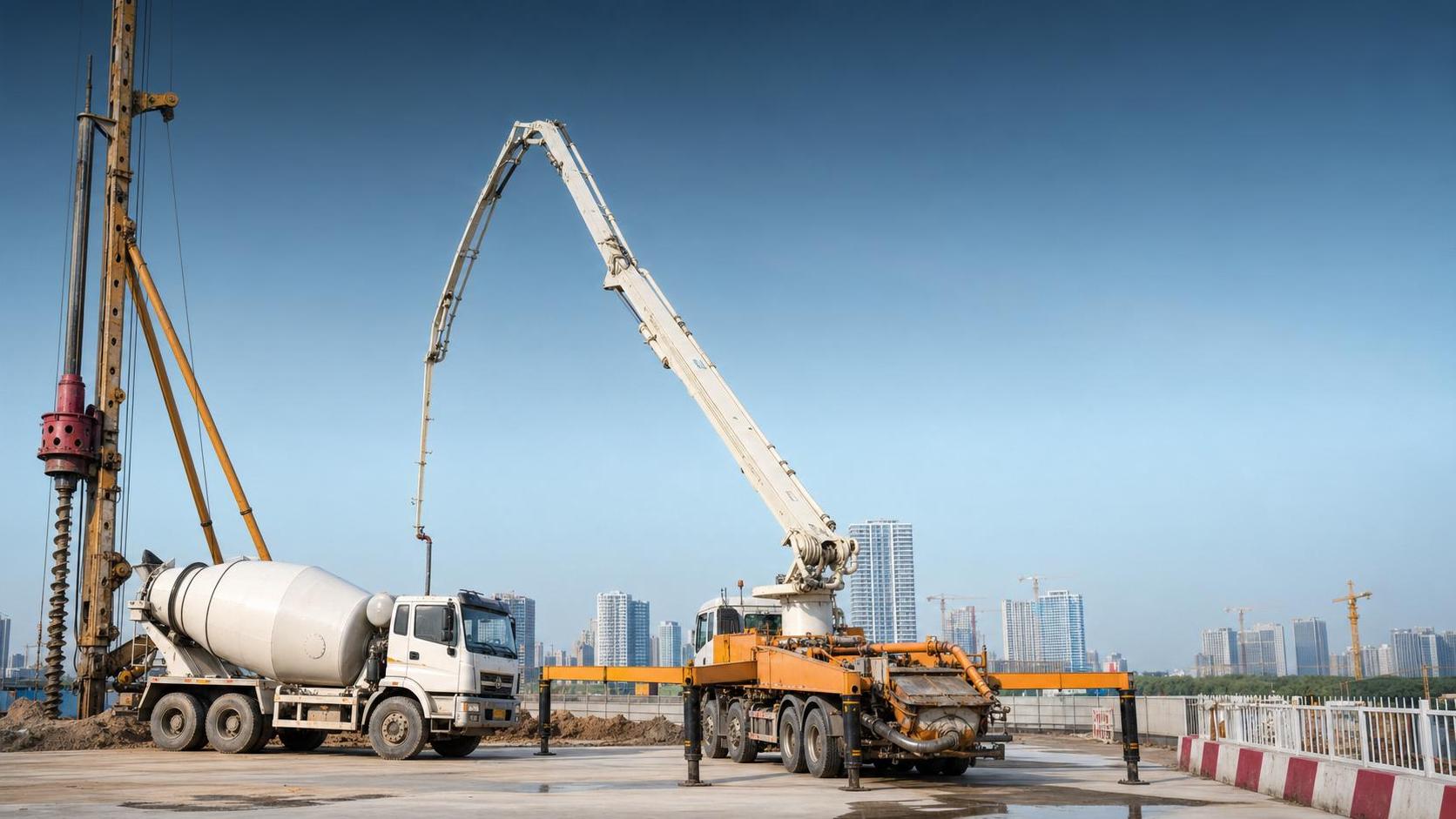
Why construction safety issues become schedule problems so quickly
Construction safety is often discussed as a compliance topic, yet project delay usually begins there before it appears in the schedule report.
A suspended pour, a blocked access route, or an unstable drilling platform can stop several downstream trades at once.
That is especially true in concrete and deep foundation work, where timing, load paths, and equipment coordination are tightly linked.
DFCS tracks this intersection closely because pump trucks, batching plants, mixer fleets, rotary drilling rigs, and piling machinery all share one reality.
When construction safety controls fail, productivity losses spread beyond the immediate incident zone and into sequencing, quality, and stakeholder trust.
In practice, the key question is not whether a site values construction safety. It is where delay-causing risk actually forms under different operating conditions.
Different jobsite conditions create different construction safety priorities
The same safety checklist does not carry the same weight across every project phase.
A high-rise concrete pour, an urban piling campaign, and a hard-rock drilling package may all involve heavy machinery, but their delay triggers differ.
For pump operations, construction safety often turns on boom stability, hose control, line pressure, and exclusion zones around moving equipment.
For batching and delivery, the issue is more often traffic flow, dust containment, maintenance discipline, and timing gaps that push crews into rushed decisions.
Foundation works add another layer. Ground variability, spoil handling, bore stability, and hidden utilities can turn a manageable operation into a stop-work event.
This is why effective construction safety management starts with scenario judgment rather than generic policy language.
High-rise concrete placement often fails at the interface, not the machine alone
On tower and podium projects, construction safety risks rarely come from a single isolated defect.
More common is a chain reaction involving pump setup, slab edge protection, weather shifts, concrete supply variation, and crowded workfaces.
An ultra-long boom pump can perform well mechanically, yet still create schedule pressure if outriggers are placed on weak support or the pour path changes mid-shift.
Once pumping rhythm breaks, crews may try to recover lost time. That is when hose whipping, overreach, and access conflicts become real construction safety threats.
A practical control point is the interface between the pump, delivery sequence, and deck readiness.
If one of those three is unstable, the delay risk rises faster than the formal program usually shows.
What matters before the first cubic meter arrives
- Verify ground-bearing capacity for outriggers under loaded operating conditions, not only at setup time.
- Confirm boom movement envelopes against cranes, temporary power lines, and edge protection systems.
- Match mix design consistency with pipe length, vertical reach, and ambient temperature.
- Separate pedestrian and delivery routes so adjustments do not happen under active pumping pressure.
These checks look operational, but they are also core construction safety decisions because they prevent both injury exposure and expensive pour interruption.
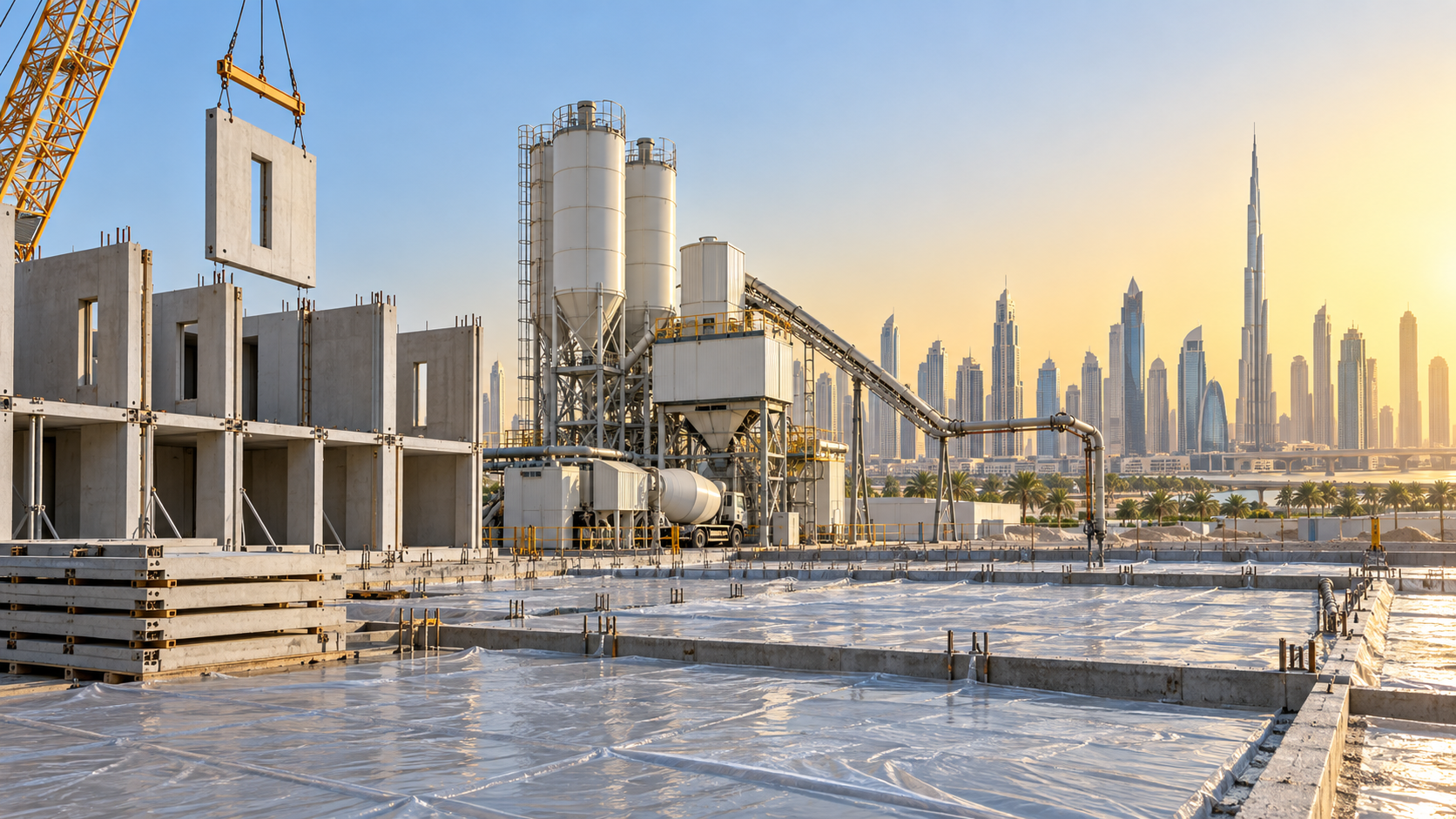
Batching plants and mixer fleets delay projects when safety is treated as yard housekeeping
Batching operations are often physically separated from the main structure, so their safety weaknesses can be underestimated.
In reality, poor traffic segregation, silo maintenance lapses, dust-control failures, or unsafe washout practices can slow supply and damage schedule reliability.
Construction safety here is closely tied to consistency. If the plant runs under unstable controls, field crews inherit the problem through delayed trucks and rushed discharge windows.
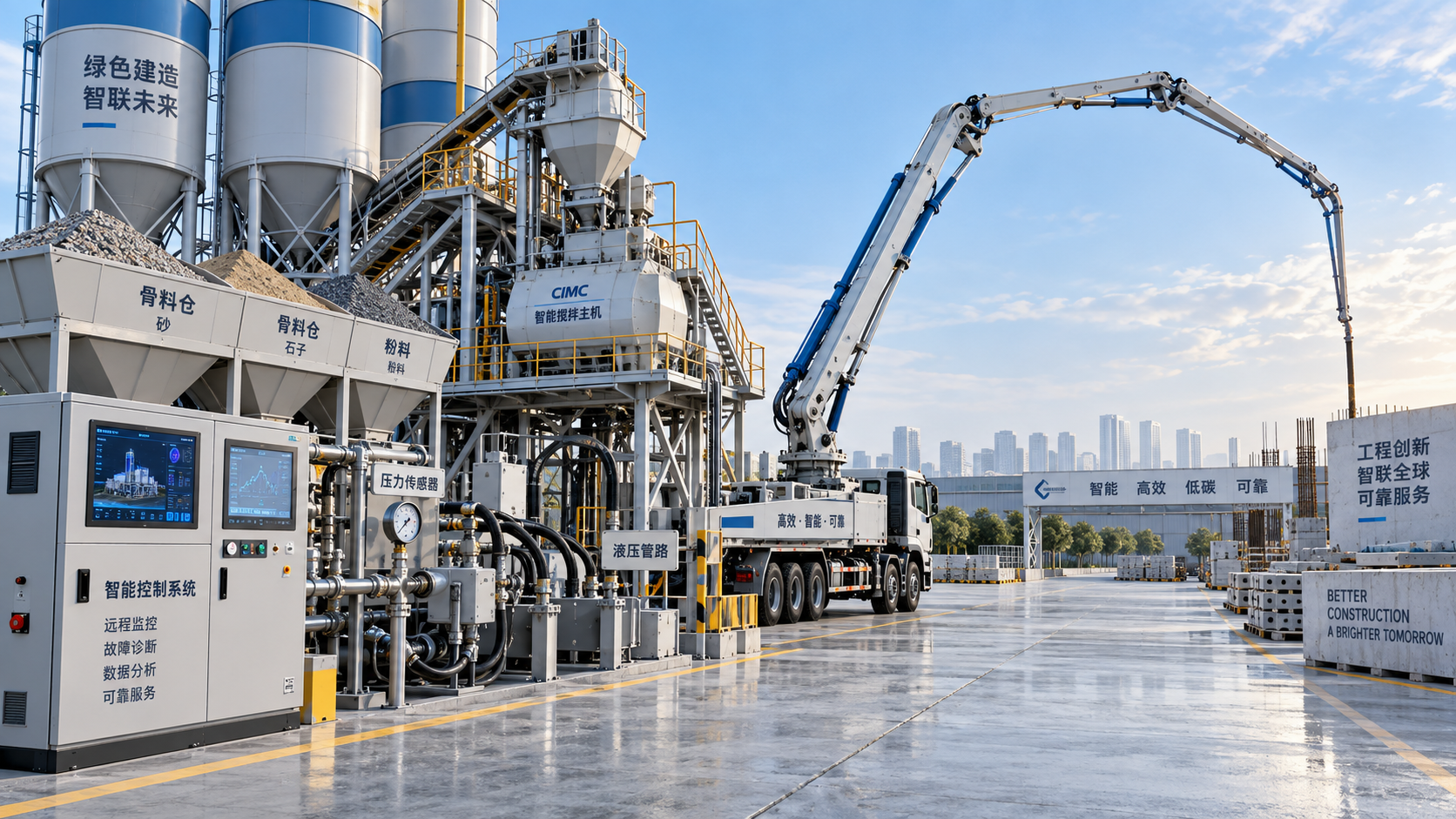
The transition toward enclosed, smart, and lower-emission batching systems also changes the risk profile.
Automation can reduce exposure, but only when lockout practices, sensor calibration, and maintenance access are planned correctly.
A clean yard does not always mean safe operations. The stronger indicator is whether production, inspection, and movement flows can stay stable under peak demand.
Underground works demand a different construction safety lens
Foundation and piling packages usually carry fewer visible workers than slab pours, yet the hazard intensity is often higher.
Rotary drilling rigs face rapidly changing geology, hidden obstructions, slurry management issues, and spoil instability.
Static or vibratory piling works add noise limits, adjacent structure sensitivity, and alignment tolerance pressure.
Here, construction safety must be read through geotechnical behavior as much as through machinery rules.
A rig may pass inspection in the morning, then face unsafe conditions by afternoon if groundwater, soft layers, or spoil accumulation changes platform stability.
That is why deep foundation teams increasingly rely on data-rich site intelligence rather than fixed assumptions.
DFCS reflects this shift by connecting equipment behavior with geology, wear patterns, and urban operating limits instead of viewing them separately.
Where delay usually begins in foundation work
- Working platforms are designed for average loads, then used under dynamic or eccentric conditions.
- Utility mapping is reviewed once, but not updated after sequencing or access changes.
- Spoil removal planning is weak, causing congestion around rigs and emergency access routes.
- Bit wear or pile driving resistance is ignored until production drops sharply.
The judgment points are not the same across common site scenarios
A simple comparison helps clarify why construction safety planning must stay tied to actual operating conditions.
The point is not to create more paperwork. It is to prevent a generic construction safety plan from missing the actual delay mechanism.
Where teams often misread construction safety risk
One frequent mistake is focusing on machine specification while overlooking the operating envelope around it.
A second mistake is treating similar projects as identical, even when geology, logistics, or zero-emission requirements have changed.
Another common issue is prioritizing purchase price over lifecycle reliability, maintenance downtime, and training burden.
Construction safety also suffers when digital systems are installed without clear responsibility for alarm response and data interpretation.
That matters more now because electrified fleets, enclosed batching systems, and automated controls reduce some exposures while creating new maintenance and isolation demands.
In other words, modern equipment can improve construction safety, but only if the site adapts operating rules with equal speed.
Practical ways to adapt construction safety controls before delays start
Useful control measures are usually specific, visible, and linked to decision points that teams already track.
- Tie safety reviews to sequencing milestones, not only to calendar-based inspections.
- Use equipment suitability checks that include ground, access, utility, and environmental restrictions.
- Review maintenance trends for pumps, rigs, and batching systems before productivity falls noticeably.
- Match crew planning to actual workface congestion, especially during pours and pile installation peaks.
- Reassess the plan whenever method changes affect vibration, emissions, pressure, or material flow.
This is where intelligence-led review becomes useful. Not as promotion, but as a working method.
A portal such as DFCS is relevant because it connects construction safety with equipment evolution, ground behavior, and compliance pressure in one operational picture.
A better next step is to map safety risk against the real job sequence
Projects are rarely delayed by abstract safety weakness. They are delayed by mismatches between method, equipment, site condition, and timing.
The practical response is to map construction safety risks to each critical phase, then test where one disruption could stop multiple follow-on activities.
That means checking pumping routes, batching reliability, drilling platform behavior, piling constraints, maintenance intervals, and changing environmental rules together.
Once those scenario differences are visible, it becomes easier to set realistic controls, compare options, and protect both schedule and site resilience.
The strongest construction safety decisions usually start there: with a grounded view of how work actually moves, pauses, and recovers on site.
Industry Briefing
Get the top 5 industry headlines delivered to your inbox every morning.