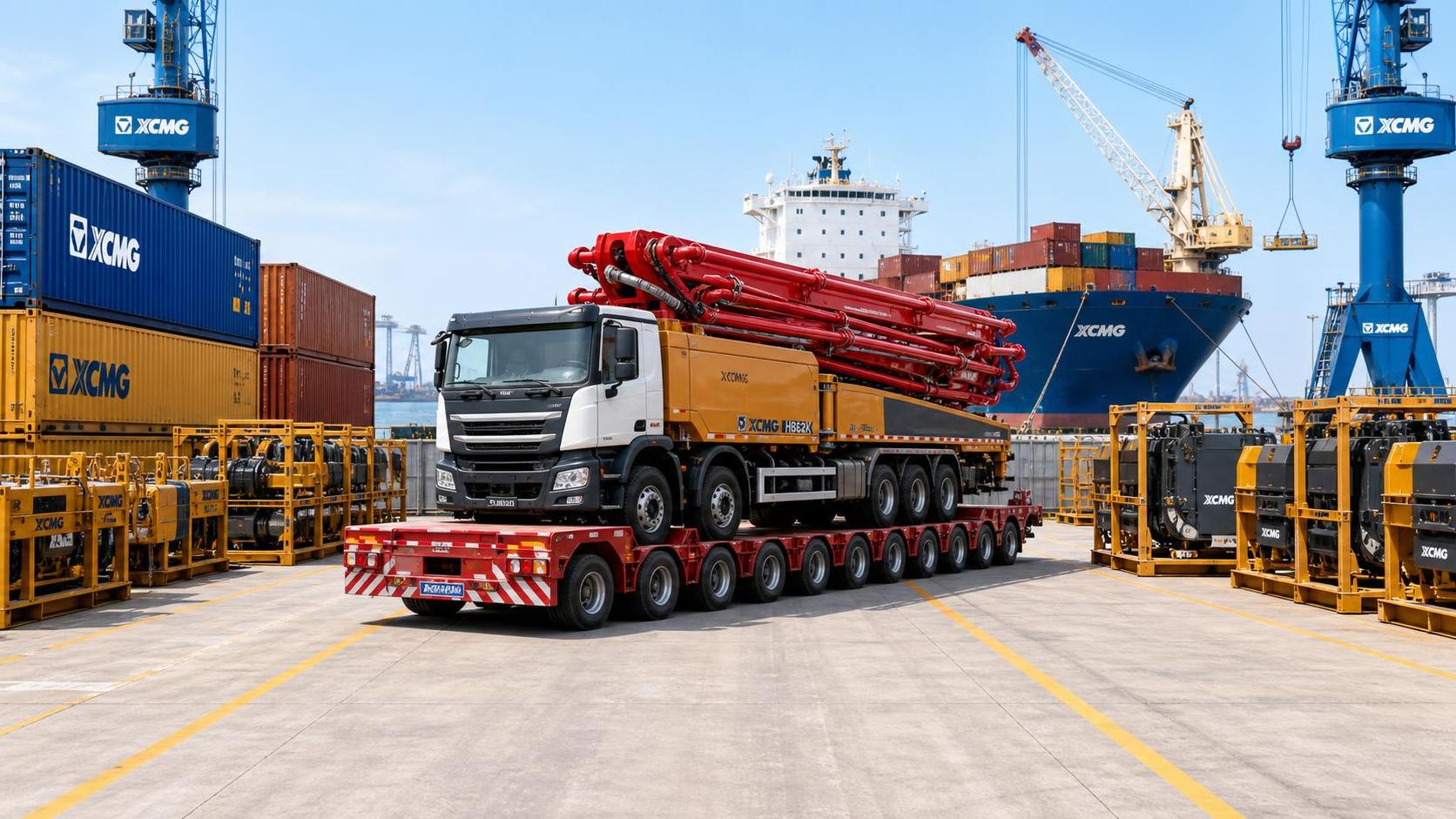
Modern Construction Techniques Training: Skills That Reduce Rework
For quality control and safety managers, rework is more than a cost issue; it signals weakness in planning, execution, supervision, or coordination.
Modern construction techniques training helps teams catch preventable errors before concrete is batched, pumped, placed, cured, or supported by foundation systems.
The real value is not classroom knowledge alone, but stronger field decisions that reduce defects, delays, disputes, and safety exposure.
Why Rework Usually Starts Before the Visible Defect
Most rework is discovered after placement, installation, inspection, or testing, but its root cause often appears much earlier in the workflow.
A wrong mix adjustment, incomplete pile record, poor pump setup, or unclear exclusion zone can become expensive once operations are underway.
Quality and safety managers therefore need training that links design intent, equipment behavior, material control, and site communication into one system.
Modern construction techniques training should not be limited to new tools or digital platforms. It must improve how people recognize risk signals.
For concrete and deep foundation work, rework is especially costly because corrections are rarely simple, clean, or isolated from schedule impacts.
A defective pour may require removal, structural assessment, additional testing, or design review. A compromised pile can affect the entire load path.
Training becomes valuable when it helps teams prevent these failures through earlier verification, better coordination, and disciplined inspection hold points.
The Skills Quality and Safety Managers Should Prioritize
The best training programs focus on skills that directly influence defect prevention, not broad theoretical content with limited field application.
For quality control personnel, the first priority is understanding how construction methods affect measurable acceptance criteria and long-term performance.
This includes mix consistency, batching accuracy, slump retention, temperature control, curing conditions, reinforcement positioning, and documentation of deviations.
For safety managers, the priority is recognizing how modern equipment changes hazard patterns, especially around pumps, rigs, mixers, and lifting zones.
Training should explain how hydraulic pressure, boom movement, rotating equipment, confined access, and ground instability interact with everyday site decisions.
The strongest programs also teach managers to evaluate interfaces between crews, because rework often happens where responsibilities are unclear.
Concrete suppliers, pump operators, reinforcement teams, drilling crews, testing technicians, and supervisors must understand the same acceptance and safety expectations.
When training builds a shared language, site teams are more likely to stop work early instead of correcting failures later.
Digital Workflow Training That Prevents Information Gaps
Digital construction tools reduce rework only when teams know how to use them for verification, traceability, and timely decision-making.
Quality and safety managers should be trained to read digital drawings, model updates, inspection checklists, and equipment data with practical intent.
Building information modeling, cloud-based forms, and mobile inspection systems help expose clashes, missed details, and outdated instructions before work begins.
However, a digital system can create false confidence if field teams do not understand version control and approval responsibilities.
Training should include how to confirm that crews are working from current drawings, approved method statements, and the latest inspection comments.
For concrete operations, digital batch records, delivery tickets, pump logs, and test results should be connected to placement locations.
This traceability allows managers to identify whether a strength concern is linked to material production, transport time, placement conditions, or curing.
For piling and drilling operations, digital logs help compare design assumptions against actual ground behavior, torque, depth, refusal, or installation parameters.
When these records are reviewed in real time, teams can adjust methods before repeating the same error across multiple locations.
Concrete Batching and Pumping Skills That Reduce Defects
Concrete-related rework often comes from small process deviations that become permanent once the material is placed and begins to set.
Modern construction techniques training should teach managers how batching accuracy, moisture correction, admixture dosing, and mixing time affect quality outcomes.
It should also cover how transport duration, drum speed, site waiting time, and ambient temperature influence workability and placement risk.
Quality teams need practical knowledge of what can be adjusted on site and what requires formal technical approval.
Uncontrolled water addition, rushed discharge, or poor sampling procedures can compromise strength, durability, and compliance with project specifications.
Training should also address pumping behavior, because pumpability is not the same as structural acceptability or long-term concrete performance.
Managers should understand line pressure, blockage indicators, hose restraint, boom stability, and communication between pump operators and placement crews.
Safety and quality overlap strongly during pumping. A line blockage creates safety hazards while also threatening cold joints and placement continuity.
Good training therefore teaches teams to prepare contingency plans for delays, pump breakdowns, mix inconsistency, and sudden weather changes.
The goal is not to make every manager a pump specialist, but to make warning signs recognizable before damage occurs.
Deep Foundation Training for Higher Certainty Below Ground
Deep foundation work carries a unique rework risk because many critical quality issues are hidden below the surface after installation.
Rotary drilling, bored piles, driven piles, and static pressing require disciplined control of ground conditions, equipment settings, and installation records.
Training should help managers understand how soil variation, groundwater, cobbles, hard rock, or slurry instability can affect pile integrity.
Quality personnel should know which records matter most, including depth, diameter, verticality, drilling parameters, cage position, concrete volume, and tremie procedures.
Safety personnel should understand rig setup, platform bearing capacity, exclusion zones, spoil handling, suspended loads, and emergency response around rotating machinery.
Many foundation failures begin with assumptions that the ground will behave as expected. Training must challenge that habit directly.
Managers should learn how to compare geotechnical reports with field evidence and escalate unexpected ground behavior before production continues.
For piling machinery, training should also address vibration, noise, adjacent structures, urban restrictions, and monitoring requirements during installation.
Reducing rework below ground depends on disciplined observation, prompt reporting, and clear authority to pause when installation data looks abnormal.
Inspection Checkpoints That Catch Errors Early
Training reduces rework most effectively when it strengthens inspection checkpoints at the moments where corrections are still practical.
For concrete work, checkpoints should include pre-pour meetings, formwork readiness, reinforcement clearance, embedment verification, delivery checks, and curing arrangements.
For batching and pumping, managers should verify mix approvals, delivery sequencing, equipment readiness, access routes, backup plans, and communication protocols.
For deep foundation work, checkpoints should include platform approval, rig calibration, pile location, drilling start records, cleaning confirmation, and concreting procedures.
These checkpoints must not become paperwork exercises. They should create real opportunities to stop, correct, or confirm before irreversible work proceeds.
Effective training teaches inspectors what evidence is sufficient, what observations are unacceptable, and when escalation is mandatory.
It also teaches consistency. Different inspectors should not apply different acceptance thresholds for the same specification requirement.
Consistency protects the project from disputes and prevents crews from treating inspection as a negotiable obstacle rather than a control process.
Safety Communication as a Rework Prevention Tool
Safety communication is often treated separately from quality control, but the two functions are tightly connected on modern construction sites.
A rushed crew, congested workface, unstable access route, or poorly managed exclusion zone increases both accident risk and defect probability.
Modern construction techniques training should teach managers how to structure briefings around actual work sequences, not generic hazard lists.
Before a concrete pour, teams should discuss delivery timing, pump positioning, hose handling, testing points, finishing sequence, and emergency stop procedures.
Before piling or drilling, teams should discuss ground conditions, machine movement, lifting operations, spoil routes, exclusion boundaries, and monitoring responsibilities.
Clear communication reduces rework because crews understand why specific controls matter and how one trade can affect another.
Training should also strengthen handover discipline between shifts, subcontractors, suppliers, and inspection teams, especially during continuous operations.
Many defects occur during transitions, when assumptions replace confirmed information and small deviations are not communicated in time.
How to Evaluate a Training Program Before Investing
Quality and safety managers should judge training programs by operational relevance, not by certificate design or general industry language.
A useful program should be specific to the work performed, whether batching, pumping, high-rise concrete, rotary drilling, or urban piling.
It should include real failure cases, inspection examples, equipment limitations, documentation samples, and decision points from live construction environments.
Managers should ask whether the training improves measurable behaviors, such as earlier issue reporting, fewer nonconformance reports, or faster corrective action.
They should also check whether supervisors, operators, inspectors, and subcontractor leads receive aligned content rather than isolated instruction.
Training that reaches only one group may create knowledge gaps at the exact interfaces where rework usually begins.
The best programs combine classroom explanation, site walkthroughs, equipment demonstrations, scenario exercises, and post-training audits.
Post-training follow-up matters because crews often return to old habits unless managers reinforce expectations through daily supervision.
Measuring Return on Training Through Rework Reduction
Training investment should be measured through practical indicators that reflect both quality performance and safety discipline over time.
Useful metrics include rejected work, concrete test failures, pump interruptions, pile defects, inspection delays, near misses, and corrective action closure time.
Managers should also track leading indicators, such as completed pre-task briefings, hold-point compliance, batch record accuracy, and equipment readiness checks.
These leading indicators show whether the behaviors taught in training are actually becoming part of the site operating system.
Return on training is strongest when fewer defects are repeated across similar work zones, crews, or project phases.
If the same errors continue, the issue may be poor reinforcement, weak supervision, unclear specifications, or training that was too generic.
For contractors and project owners, reduced rework also improves schedule reliability, material efficiency, claims control, and client confidence.
For quality and safety managers, it strengthens credibility because decisions are based on evidence, risk awareness, and repeatable control methods.
Common Mistakes That Make Training Less Effective
One common mistake is treating modern construction techniques training as a one-time compliance event instead of a performance improvement process.
Another mistake is focusing heavily on technology while ignoring field fundamentals such as inspection discipline, sequencing, and crew coordination.
Digital tools cannot compensate for poor sampling, unverified reinforcement, unstable working platforms, or operators who do not report abnormal conditions.
Training also fails when managers receive information but lack authority to stop work, request clarification, or enforce corrective action.
A third mistake is using generic examples that do not reflect the project’s equipment, geology, materials, climate, or regulatory environment.
Teams learn faster when scenarios resemble their real pressures, including tight pour windows, urban noise limits, or unpredictable ground conditions.
Finally, training loses value when lessons are not converted into checklists, method updates, briefing templates, and inspection routines.
Knowledge must become visible in daily work, or it will not consistently reduce rework under schedule pressure.
Building a Practical Training Roadmap
A practical roadmap begins with identifying the project activities where rework would create the highest cost, risk, or schedule disruption.
For a concrete-intensive project, that may include batching control, pumping logistics, high-volume pours, finishing tolerances, and curing protection.
For a foundation-intensive project, priorities may include drilling records, pile installation control, ground response, slurry management, and platform safety.
After identifying critical risks, managers should define the competencies needed for each role, from supervisors to inspectors and equipment operators.
The next step is aligning training with method statements, inspection test plans, equipment manuals, and project specifications.
This alignment prevents the gap between what people learn and what the project actually requires them to verify.
Training should then be scheduled before the relevant work starts, not after defects appear and corrective measures become expensive.
Refresher sessions should be planned when crews change, production accelerates, equipment is replaced, or ground conditions differ from expectations.
Conclusion: Training Should Make Rework Easier to Prevent Than Repair
Modern construction techniques training delivers value when it changes how teams plan, verify, communicate, and respond to early risk signals.
For quality control and safety managers, the strongest programs focus on concrete behavior, equipment coordination, foundation uncertainty, and inspection discipline.
They also connect digital workflows with field judgment, ensuring that data, drawings, records, and observations support timely decisions.
Rework will never disappear completely, but well-trained teams can prevent repeated errors and detect problems before they become structural consequences.
The right training turns quality and safety management from reactive correction into proactive control across batching, pumping, placement, drilling, and piling.
For complex construction projects, that shift protects budgets, schedules, workers, assets, and the long-term credibility of every organization involved.