
Construction Equipment Trends in 2026: What Is Changing Fast?

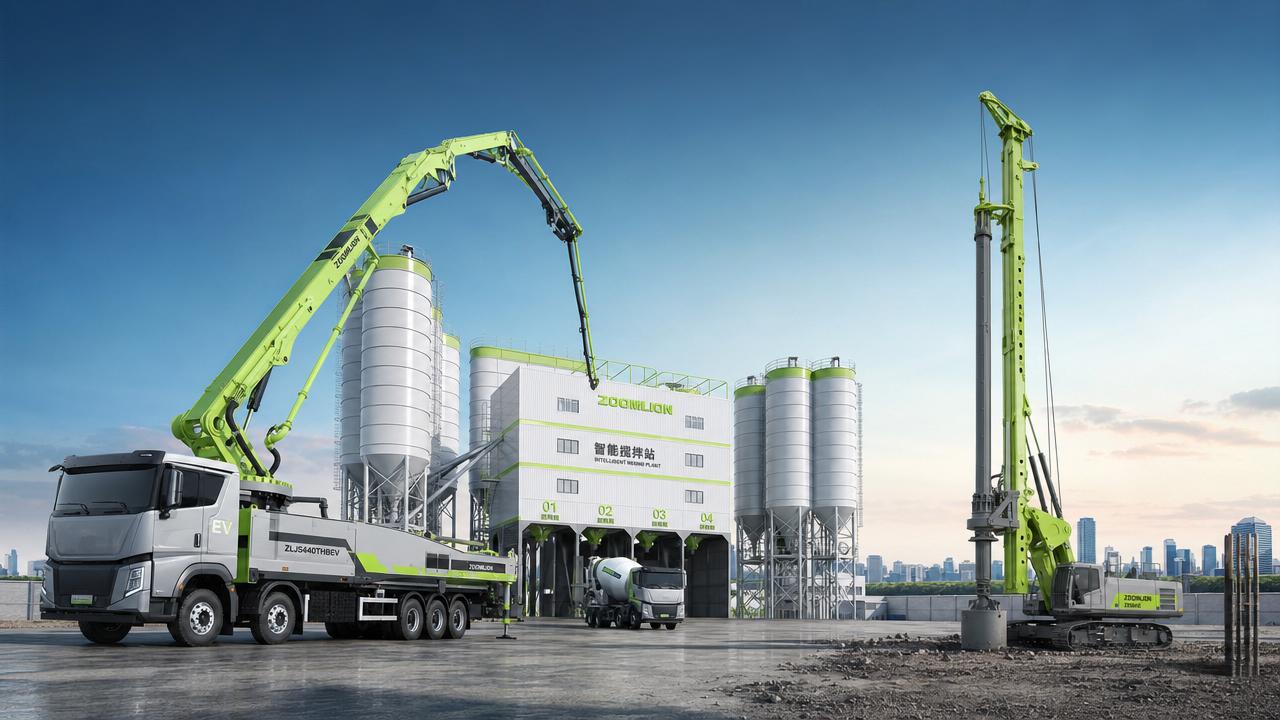
Construction equipment trends in 2026 are no longer moving in slow, predictable cycles. Change is accelerating across power systems, controls, compliance, and project delivery. For companies tied to concrete, pumping, batching, drilling, and piling, the real issue is not whether change is coming, but which shifts will affect capital planning first.
That matters because the equipment behind modern buildings and infrastructure now carries more strategic weight. A pump truck is no longer judged only by reach. A batching plant is no longer assessed only by throughput. Across the market, performance is being redefined by emissions, data visibility, lifecycle efficiency, and the ability to work under tighter urban, geological, and regulatory constraints.
Seen through the lens of DFCS, these construction equipment trends connect the visible structure above ground with the engineering systems below it. Concrete pumping pressures, rock mechanics, dust control, energy transition, and automation are increasingly part of the same investment conversation.
Why 2026 feels like a turning point
The industry has faced pressure before, but 2026 brings several forces together at once. Emissions rules are tightening. Urban construction conditions are becoming harder. Mega projects demand deeper foundations, taller structures, and stricter documentation.
At the same time, equipment buyers have less room for error. Delays, fuel volatility, labor shortages, and compliance failures can quickly erase margins. That is why construction equipment trends now sit closer to board-level risk management than to routine fleet renewal.
In practical terms, the market is shifting from machine ownership toward system performance. A contractor may still buy a drilling rig or mixer truck, but the purchasing logic increasingly includes uptime analytics, digital traceability, noise control, and energy strategy.
The big changes showing up fastest
Electrification is moving from pilot to planning baseline
One of the clearest construction equipment trends is electrification, especially in mixer trucks, support vehicles, and selected plant systems. In some markets, electric equipment is still limited by charging infrastructure or duty cycle. Even so, it is already shaping procurement standards.
This change is not only about carbon targets. Electric drivetrains can reduce noise, improve worksite suitability in dense cities, and support bids where low-emission commitments carry weight. For enclosed or semi-urban projects, that advantage may become commercially decisive.
Automation is becoming operational, not experimental
Automation is spreading unevenly, but the direction is clear. In concrete pump trucks, smarter boom control and vibration damping are improving placement precision. In batching plants, IoT weighing systems and automated material handling are tightening consistency and reducing manual intervention.
For rotary drilling rigs and piling machinery, automation is often less visible but equally important. Assisted drilling logic, depth monitoring, torque feedback, and real-time load data help crews respond faster to changing strata and site constraints.
Compliance now shapes equipment architecture
Another major theme within construction equipment trends is that compliance is influencing machine design earlier. Dust suppression, enclosure systems, fuel pathways, noise limits, and digital recordkeeping are no longer secondary add-ons.
Fully enclosed smart batching plants are a good example. They answer environmental pressure, but they also support higher process control. That means environmental investment can also improve mix reliability, traceability, and customer confidence.
How these trends affect core equipment categories
The impact of construction equipment trends is not uniform. Each machine category is changing for different technical and commercial reasons. Looking across the five pillars covered by DFCS makes the pattern easier to read.
This is why a narrow view of price per unit is becoming less useful. The equipment that looks more expensive on paper may prove more bankable, more compliant, and easier to deploy across future tenders.
What deserves closer attention in real projects
Construction equipment trends become meaningful only when translated into project conditions. A machine can look advanced in a brochure and still underperform in the wrong operating context. The better question is how the trend changes delivery risk.
Urban density changes the equipment brief
More projects now face constrained access, strict noise windows, dust limitations, and tighter safety control. That increases the value of enclosed plants, low-emission transport, precise pumping, and piling methods that reduce disturbance.
Ground conditions are pushing technology harder
Deep foundations are moving into more difficult strata, including quicksand, cobbles, and hard rock. Under these conditions, tool wear, penetration efficiency, and machine feedback matter more than nominal power ratings alone.
Data is becoming part of contract credibility
Project owners increasingly expect proof, not claims. Mix records, operating logs, emissions data, drilling parameters, and maintenance histories can strengthen qualification, shorten disputes, and support higher-value bids.
A practical way to read construction equipment trends
Not every trend deserves immediate spending. The challenge is to distinguish structural change from temporary noise. A useful approach is to evaluate each trend against asset life, project mix, regional regulation, and service capability.
- Check whether the trend is driven by regulation, customer demand, or vendor marketing.
- Measure how it affects uptime, compliance exposure, and bidding competitiveness.
- Review whether supporting infrastructure exists, including charging, software, and parts service.
- Estimate how the equipment performs across different sites, not just one flagship project.
- Prioritize systems that improve both operational control and future market access.
This framework is especially useful in a sector where machinery decisions can lock in cost structures for years. It also explains why intelligence platforms such as DFCS matter. The value is not simply news flow. It is the ability to connect equipment evolution with deeper market signals.
Where competitive advantage is likely to emerge
The next edge in construction equipment trends will probably come from combinations, not single breakthroughs. Electrification without utilization planning is weak. Automation without operator acceptance stalls. Data without interpretation becomes administrative clutter.
The stronger position comes from integrated thinking. A smart batching plant linked to traceable delivery, precise pumping, and better foundation execution creates more value than isolated upgrades. The same is true for drilling and piling fleets that combine geological insight, wear management, and urban compliance.
In that sense, 2026 is not only about buying newer machines. It is about building a more adaptive equipment strategy, one that can handle stricter rules, more difficult sites, and rising expectations around sustainability and transparency.
What to do next
The most useful response to construction equipment trends is disciplined review rather than rushed replacement. Start by mapping which assets are most exposed to emissions pressure, urban restrictions, inconsistent performance, or weak data visibility.
Then compare upcoming project demands against current fleet capability. That usually reveals whether the priority is electric transport, smarter batching, advanced pumping control, better drilling analytics, or quieter piling methods.
The market is changing fast, but not randomly. When technology signals are read together with geology, compliance, and project delivery needs, construction equipment trends become easier to interpret and far more useful for long-term decisions.
 How to Evaluate Delivery Reliability from Overseas Construction Machinery SuppliersTime : Sep 01, 2026
- Which concrete equipment industry trends are reshaping plant investment decisionsTime : Aug 19, 2026
- How construction machinery sustainability trends affect fleet upgrade decisionsTime : Aug 14, 2026
Industry Briefing
Get the top 5 industry headlines delivered to your inbox every morning.