
Concrete Machinery Downtime: 5 Maintenance Mistakes to Avoid

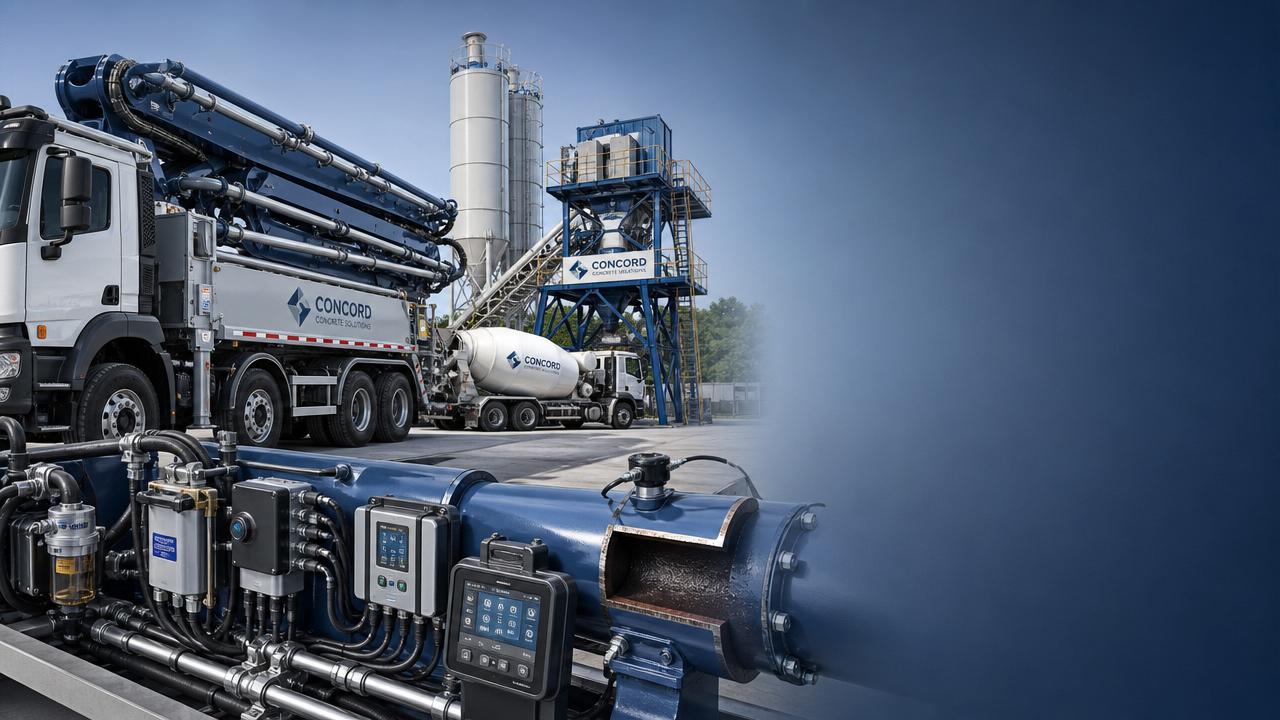
Concrete Machinery Downtime Starts Long Before a Breakdown
Unexpected downtime rarely begins with a sudden failure. In most cases, concrete machinery gives warnings early, but routines fail to catch them.
That matters on pumping, batching, mixing, and foundation jobs where timing is rigid and delays spread quickly across crews, transport, and pours.
A blocked pump line, unstable batching scale, overheated mixer drive, or neglected drilling wear point can all create the same result: lost hours and rising repair costs.
DFCS follows concrete machinery across these linked systems, from boom pumps under extreme pressure to piling equipment working in abrasive ground conditions.
In actual field use, maintenance mistakes are rarely technical in isolation. They usually come from judging different operating scenes as if they were identical.
Why the Same Maintenance Plan Fails in Different Field Conditions
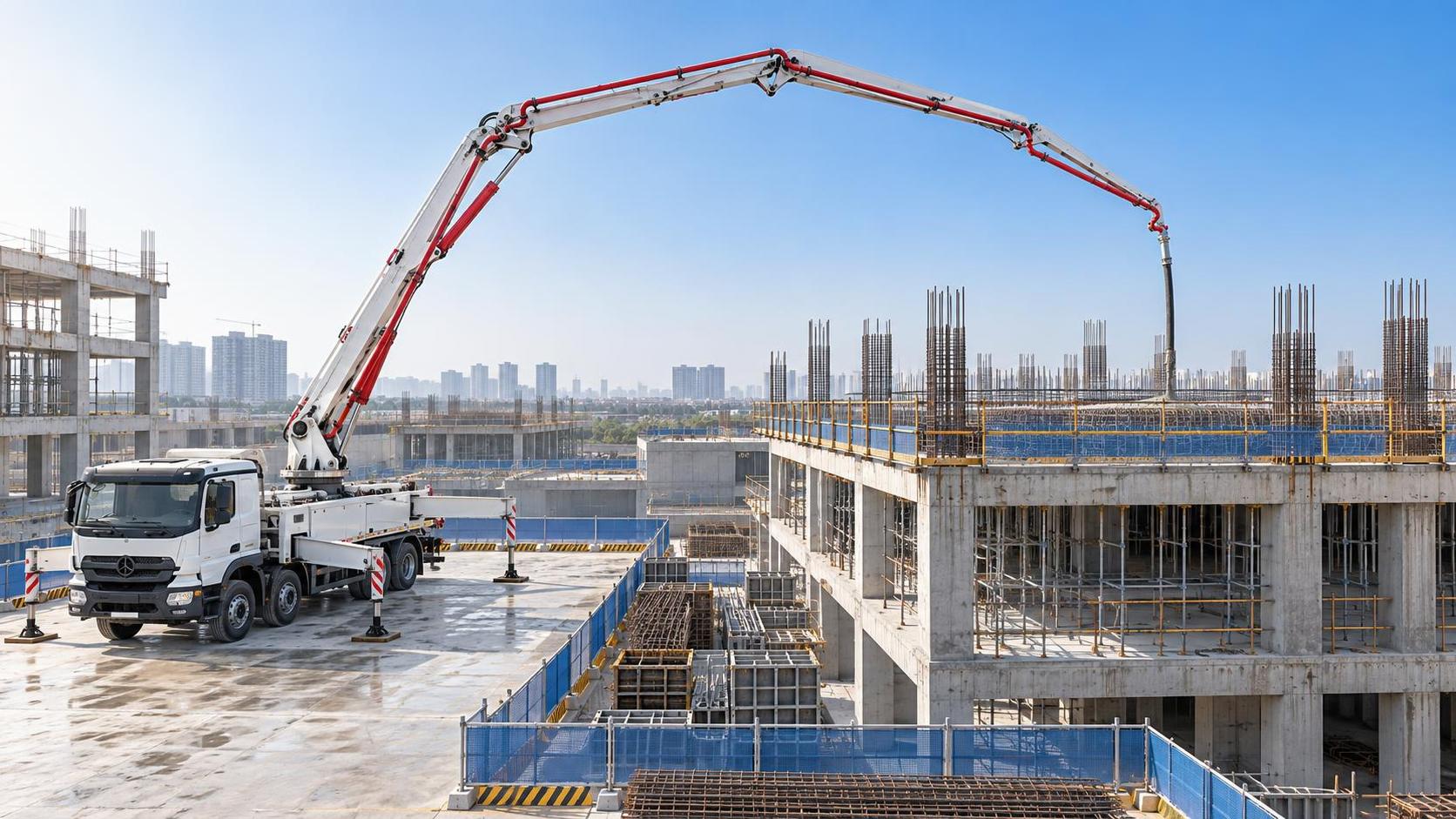
Concrete machinery works in very different duty cycles. Urban high-rise pumping stresses hydraulics differently than short-haul slab pours or tunnel-side placement.
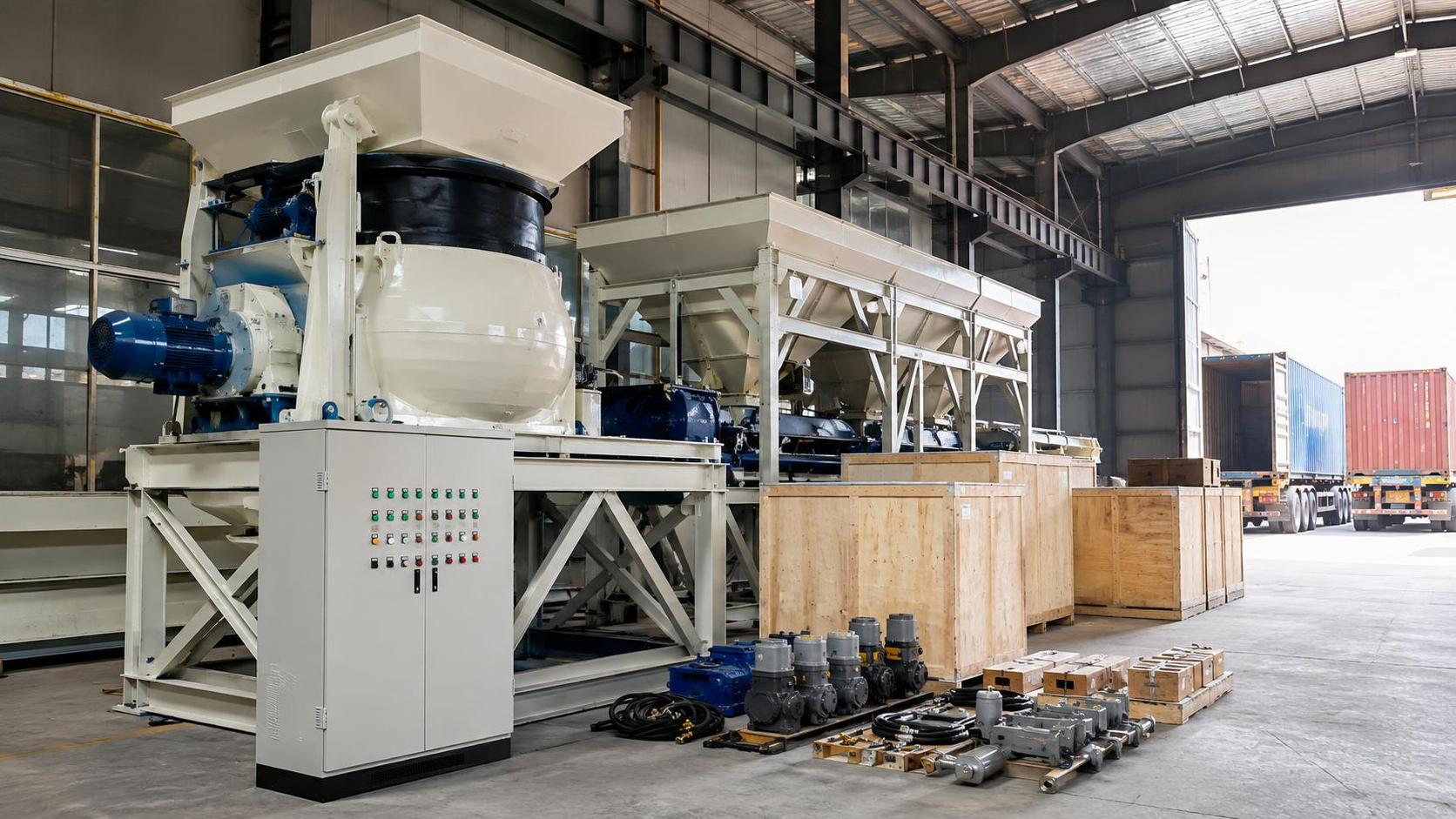
Batching plants face another pattern. Dust exposure, moisture variation, sensor drift, and start-stop frequency shape maintenance priorities more than nameplate output alone.
Rotary drilling rigs and piling machinery add ground interaction, shock loading, and wear from cobbles or hard rock. Service intervals must reflect that reality.
The more connected and automated concrete machinery becomes, the less useful generic checklists become. Maintenance has to follow load, environment, and job rhythm.
Mistake 1: Following Fixed Service Intervals Instead of Real Duty Cycles
This is one of the most common causes of concrete machinery downtime. A calendar-based plan looks disciplined, but it can miss the equipment’s real workload.
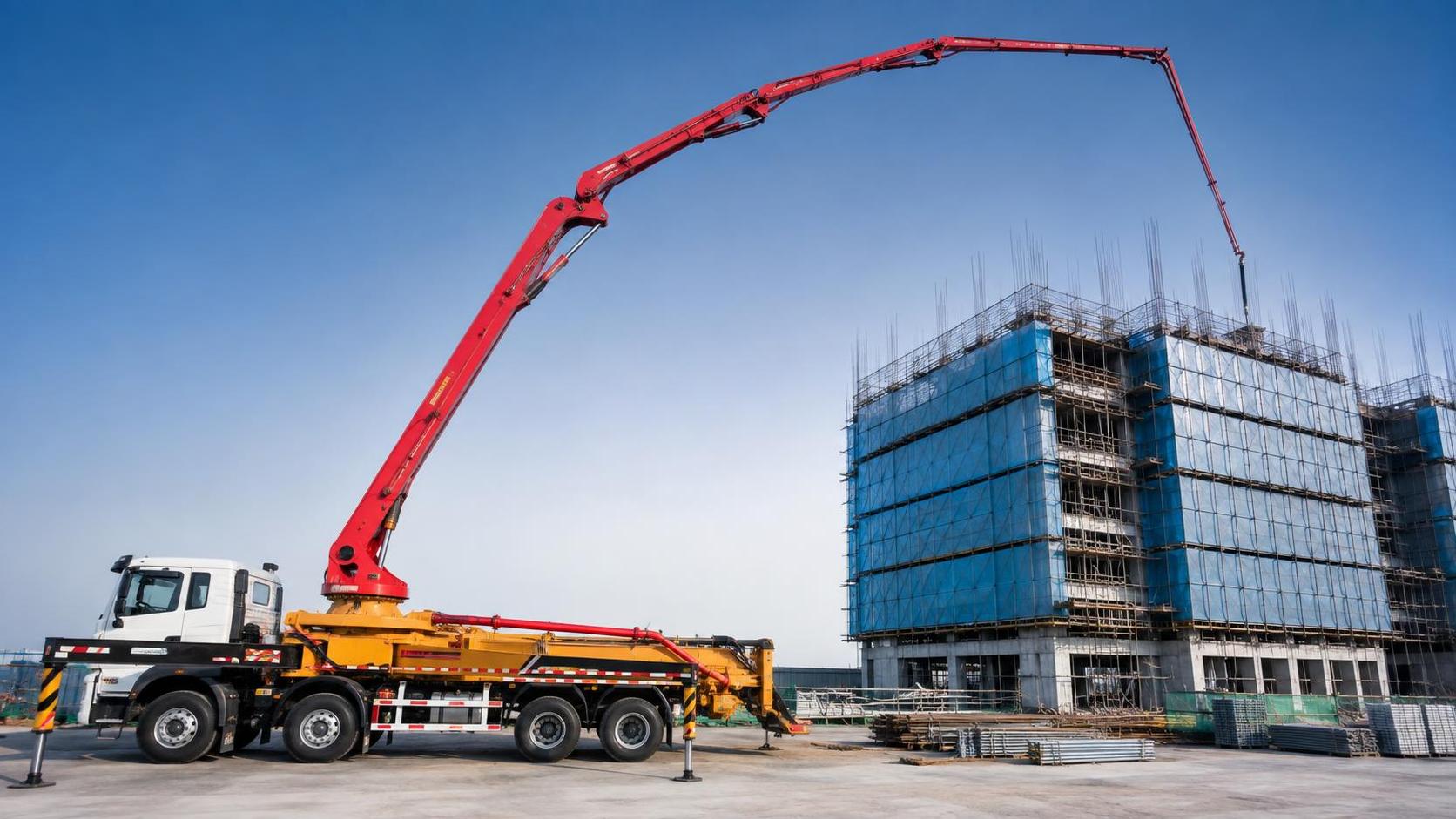
For concrete pump trucks, line pressure, boom movement, and ambient heat can age hydraulic oil much faster than standard intervals suggest.
At batching plants, the issue often appears in vibrators, screw conveyors, and load cells. High production weeks compress wear into a short period.
A better routine is condition-led. Watch temperature rise, filter debris, pressure fluctuation, unusual vibration, and energy draw before deciding service timing.
A frequent misjudgment is assuming low machine age means low maintenance risk. In reality, intense short-term output can damage concrete machinery quickly.
Mistake 2: Treating Lubrication as a Simple Refill Task
Lubrication failures are often hidden until wear becomes expensive. Concrete machinery does not just need grease or oil. It needs the right product, volume, and timing.
On mixer trucks, washdown exposure and repeated start-stop movement can strip protection from drum rollers and drive points faster than expected.
On rotary drilling rigs, dust and abrasive fines can turn poor lubrication into a grinding compound. Over-greasing can be almost as damaging as under-greasing.
In urban sites with noise and emission controls, idle-heavy operation is common. That changes thermal behavior and can alter lubricant performance significantly.
- Match lubricant grade to load, temperature, and contamination risk.
- Shorten lubrication checks where washdown or dust is severe.
- Inspect delivery lines, not only reservoir levels.
- Record repeat dry points as early failure indicators.
Mistake 3: Ignoring Wear Parts Until Production Quality Drops
Many teams wait for visible performance loss before replacing wear parts. That delay is costly, especially in concrete machinery tied to continuous output.
Pump wear plates, cutting rings, delivery elbows, and pipeline bends rarely fail without warning. They lose efficiency first, then raise stress elsewhere.
In batching systems, worn mixer liners or gates can distort mix consistency before anyone notices a severe mechanical issue.
For piling and drilling equipment, bit wear and tool joint degradation may appear gradual, but they increase energy use and shock loading sharply.
The key is to inspect wear by application. Abrasive aggregates, high-strength mixes, and hard-rock strata each accelerate different failure modes.
Where judgment often goes wrong
A common mistake is comparing parts only by hours run. Two machines with the same hours may have completely different wear histories.
Concrete machinery operating with harsh aggregates or frequent pressure peaks usually needs earlier intervention than smoother-duty equipment.
Mistake 4: Overlooking Sensors, Electrical Links, and Automation Signals
As concrete machinery becomes more digital, many downtime events no longer start in obvious mechanical areas.
At smart batching plants, a small weighing error can trigger rejected batches, material imbalance, or repeated stops that look like process problems.
On pump trucks, unstable sensor feedback can distort boom positioning, pressure interpretation, or safety interlocks even when hardware seems intact.
Electrified mixer trucks add another layer. Battery systems, power electronics, and charging habits can affect reliability if maintenance still follows diesel-era assumptions.
This is where DFCS’s broader industry view matters. Low-carbon upgrades and automation increase efficiency, but they also change maintenance priorities.
- Check connectors, insulation, and sensor drift on a set schedule.
- Review fault logs before replacing components blindly.
- Verify calibration after vibration, relocation, or software updates.
- Separate electrical noise issues from true mechanical faults.
Mistake 5: Focusing on Repairs, Not Cleanout and Daily Recovery
Some of the worst concrete machinery failures begin at the end of the shift, not during production.
Poor cleanout leaves hardened residue, trapped moisture, and blocked passages. Those conditions damage seals, increase startup load, and hide early cracks.
Concrete pumps are especially vulnerable after delayed flushing. Mixer drums also suffer when wash routines are shortened during fast turnaround periods.
At batching plants, neglected dust collection zones and material buildup can distort readings, jam moving parts, and create avoidable bearing stress.
Daily recovery should be treated as maintenance, not housekeeping. It is often the cheapest way to protect concrete machinery reliability.
Different Job Conditions Need Different Maintenance Priorities
In practice, the right maintenance plan depends on how the machine is actually used, not only what type of machine it is.
Before the Next Pour, Build a More Useful Routine
The five mistakes above share one pattern. They treat concrete machinery as static equipment, even though field conditions change constantly.
A stronger routine starts by mapping duty cycle, material abrasiveness, environmental exposure, automation level, and cleaning discipline for each machine group.
Then compare those conditions against real failure history, not generic service intervals alone. That usually reveals where downtime is being created quietly.
For concrete machinery supporting mega projects or deep foundation work, this kind of scene-based judgment is no longer optional. It protects schedule credibility.
The practical next step is simple: review each machine by operating scene, define the most likely hidden failure points, and tighten checks where consequences spread fastest.
Industry Briefing
Get the top 5 industry headlines delivered to your inbox every morning.