
Foundation Stabilization Techniques That Reduce Settlement Risk

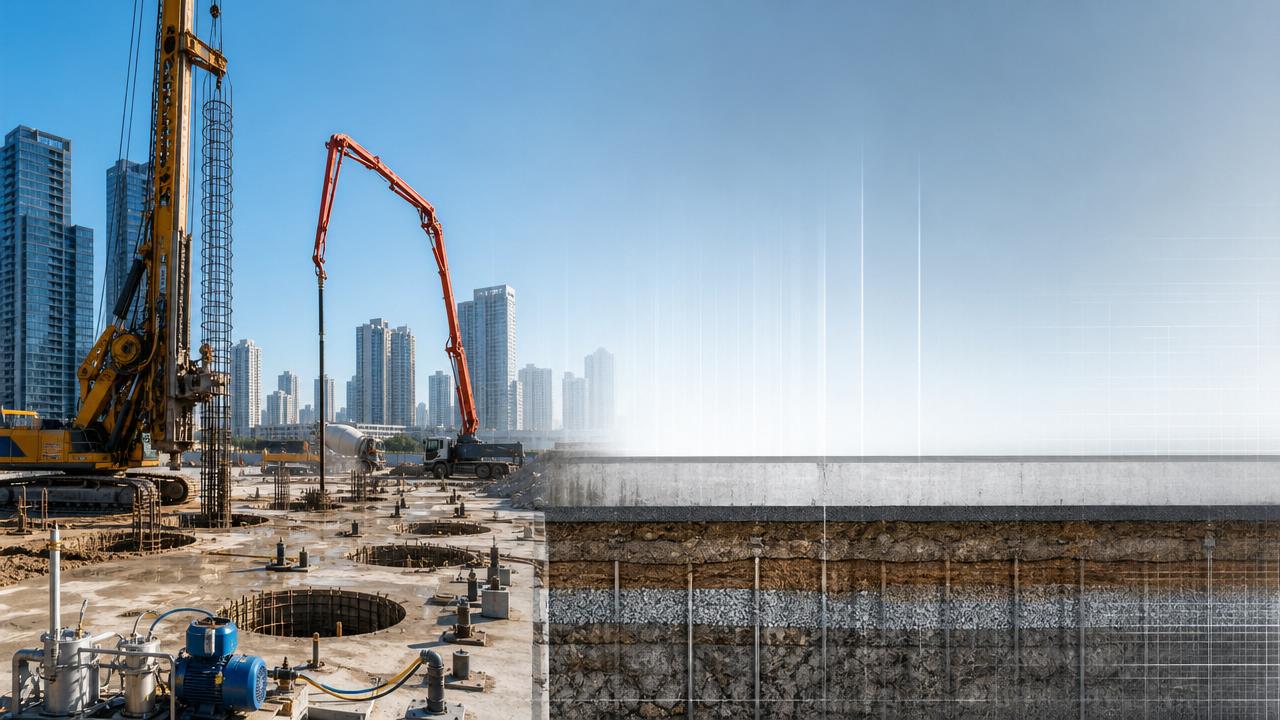
For project managers overseeing high-rise, industrial, or infrastructure works, ground movement is more than a technical concern—it is a schedule, safety, and cost risk. Effective foundation stabilization techniques help reduce settlement risk by matching soil conditions, structural loads, and construction constraints with the right combination of piling, grouting, underpinning, drainage control, and monitoring. This guide introduces practical methods and decision factors that support stronger foundations, fewer change orders, and more predictable long-term performance.
Why Settlement Risk Must Be Managed Before Construction Accelerates
Settlement rarely appears as a single dramatic event. It often develops through small vertical movements, differential displacement, or moisture-driven soil volume changes across several weeks or months.
For a project manager, a 10 mm movement may already affect façade tolerances, MEP alignment, crane rails, or equipment plinth levels, depending on structure sensitivity.
Common triggers on high-load construction sites
Most settlement issues originate from mismatched assumptions: soil stiffness is overestimated, groundwater behavior is simplified, or construction loads change after procurement and design freeze.
- Soft clay, peat, loose sand, uncontrolled fill, or collapsible loess beneath shallow foundations.
- Dewatering that lowers pore pressure and increases effective stress in compressible layers.
- Heavy temporary loads from crawler cranes, batching plant silos, rebar storage, or pump truck outriggers.
- Adjacent excavation, vibration from piling machinery, or traffic-induced cyclic loading.
Project impacts that decision makers should quantify
Settlement risk should be translated into measurable project exposure. A delay of 2–4 weeks can affect subcontractor sequencing, concrete supply windows, and inspection milestones.
Good foundation stabilization techniques reduce uncertainty by establishing acceptable movement thresholds, response levels, and monitoring frequencies before structural works reach peak loading.
Useful early warning thresholds
Typical monitoring plans may flag vertical movement at 5 mm, trigger engineering review at 10–15 mm, and require intervention if differential settlement accelerates.
Core Foundation Stabilization Techniques and Where They Fit
The best stabilization method depends on bearing layer depth, groundwater conditions, access limits, structural load, noise restrictions, and whether work occurs before or after construction.
For large projects, solutions often combine 2 or 3 methods rather than relying on one intervention. This is especially common in rail, towers, ports, and energy facilities.
Technique comparison for practical selection
The following table compares major foundation stabilization techniques from a project planning perspective, including typical use cases, construction constraints, and decision points.
The table shows why procurement should not be based only on unit price. Method suitability, verification quality, and installation risk often determine whole-project value.
Deep foundations for permanent load transfer
Piling remains one of the most reliable foundation stabilization techniques when compressible soil extends several meters below formation level or column loads are high.
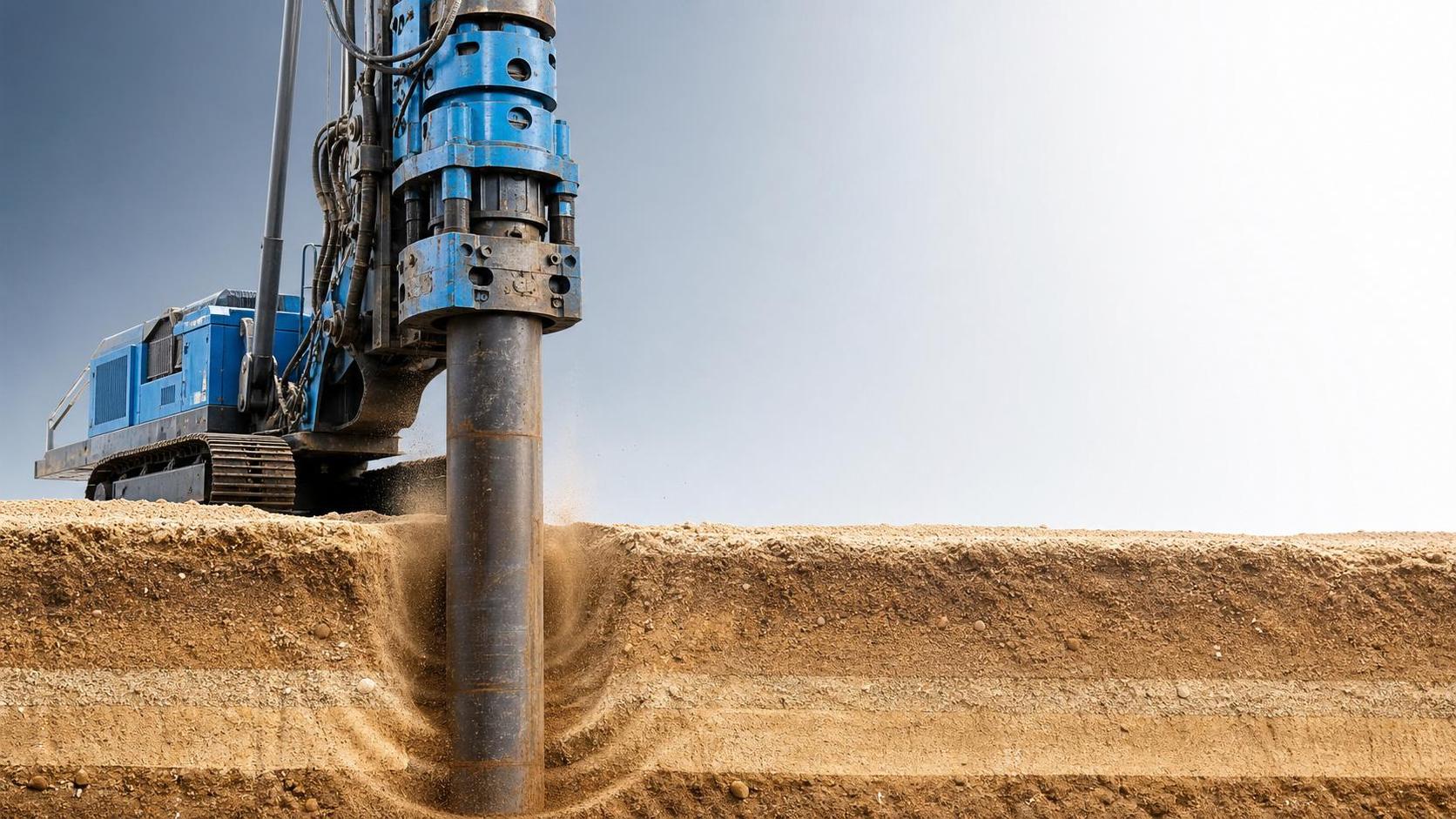
Rotary drilling rigs support large-diameter bored piles where hard rock, cobbles, or dense strata require controlled penetration and accurate pile verticality.
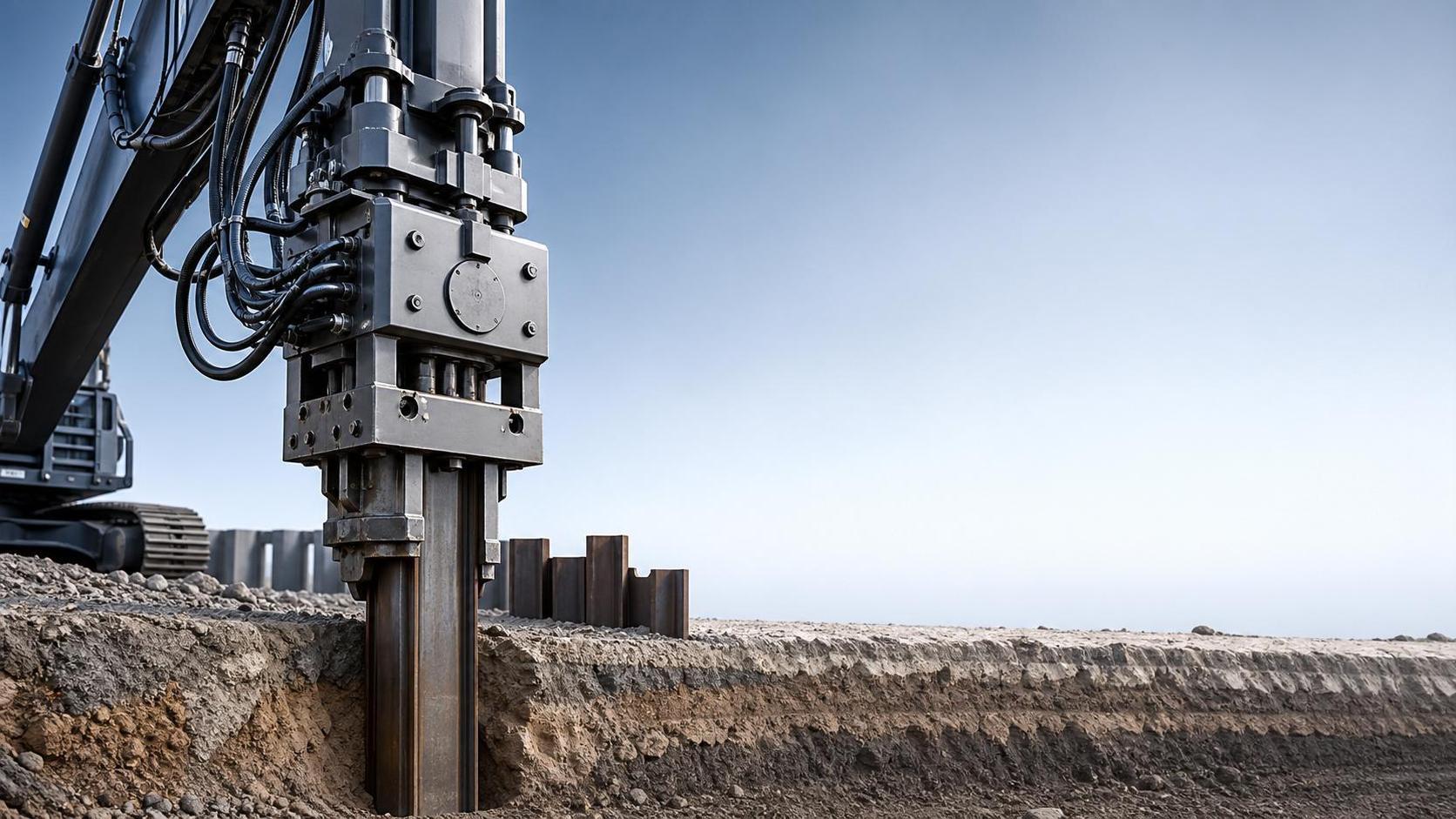
Hydraulic static pressing is often considered near hospitals, transit corridors, or dense residential districts where vibration and noise limits may restrict impact driving.
Ground improvement for stiffness and void reduction
Grouting, soil mixing, and compaction treatments aim to improve the ground mass itself, reducing post-construction settlement and increasing bearing capacity.
For loose granular soil, compaction grouting can densify targeted zones in 0.5–1.5 m lifts while monitoring surface heave and adjacent structure movement.
Drainage and water control as stabilization tools
Water management is sometimes overlooked, yet pore pressure changes can create settlement even when the installed foundation element is structurally adequate.
Project teams should evaluate cut-off walls, relief wells, staged dewatering, and drainage blankets where groundwater varies seasonally by 1–3 m.
How to Select the Right Stabilization Strategy
Selection should start with evidence, not preference. Site investigation, load modeling, access studies, and constructability reviews must converge before equipment is mobilized.
For complex sites, a 5-step decision path helps project leaders compare foundation stabilization techniques without separating engineering performance from budget and schedule realities.
A 5-step decision workflow
- Confirm geotechnical model using boreholes, CPT data, groundwater logs, and laboratory consolidation results.
- Define load cases, including permanent loads, temporary crane loads, seismic demand, and construction-stage surcharge.
- Set performance limits, such as total settlement, differential settlement, tilt tolerance, and monitoring trigger values.
- Compare constructability, including headroom, spoil volume, concrete supply, vibration limits, and working platform capacity.
- Validate through trial sections, pile tests, grout verification, or instrumentation before full production begins.
Key procurement criteria for project managers
When shortlisting contractors or equipment packages, decision makers should connect technical requirements with measurable delivery controls and transparent risk ownership.
This procurement view helps prevent fragmented buying. Piling equipment, concrete batching, pumping, and monitoring must operate as one controlled production system.
When lowest price becomes a settlement risk
A low bid may exclude trial piles, grout verification, standby pumps, or third-party testing. These omissions often surface later as variations or delay claims.
Project managers should request alternatives that show cost, time, risk transfer, and expected movement control across at least 3 comparable options.
Execution Controls: From Method Statement to Field Verification
Even a well-selected method can underperform if execution is weak. Stabilization success depends on disciplined field control, documented parameters, and rapid corrective decisions.
For deep foundation and concrete works, DFCS focuses on the interface between machinery capability, geological uncertainty, and production quality across the full site cycle.
Control points for piling and drilled foundations
Rotary drilling rigs should be matched to expected strata, bore diameter, depth, and tooling wear. Hard rock drilling may require bit inspection every shift.
For bored piles, concrete placement should be continuous. Tremie embedment, slump flow, and theoretical versus actual concrete volume curves need daily review.
- Check pile verticality against design tolerance before reinforcement cage installation.
- Record drilling depth, layer changes, groundwater inflow, and cleaning duration.
- Maintain concrete delivery continuity with backup mixer trucks and pump readiness.
- Review integrity testing, static load testing, or dynamic testing according to specification.
Control points for grouting and soil improvement
Grouting work requires pressure, volume, stage length, and injection sequence control. Uncontrolled injection may lift slabs or disturb adjacent utilities.
A practical acceptance plan includes pre-treatment and post-treatment tests, such as CPT comparison, coring, plate load tests, or permeability reduction checks.
Monitoring frequency during critical stages
During excavation, dewatering, or heavy lift phases, settlement points may require daily readings. Stable periods may shift to 2–3 readings per week.
Automated sensors are valuable where manual access is restricted, but alert thresholds must still be reviewed by geotechnical and structural engineers.
Concrete Quality and Equipment Coordination in Settlement Reduction
Foundation stabilization techniques often depend on concrete performance. Weak batching control, delivery delays, or pump blockages can compromise piles, caps, slabs, and underpinning works.
Smart batching plants, mixer trucks, and pump trucks therefore play a direct role in foundation reliability, especially when large pours exceed 100–300 cubic meters.
Batching and pumping requirements
Accurate weighing, moisture correction, and admixture dosing help maintain consistent strength and workability. Typical batching tolerance is managed within defined project specifications.
For bored piles and pile caps, concrete must retain pumpability long enough for site traffic, cage congestion, tremie placement, and inspection hold points.
Low-carbon requirements without losing performance
Many mega-projects now evaluate cement reduction, supplementary cementitious materials, and electrified equipment. These choices must be validated against early strength and durability requirements.
A lower-carbon mix is useful only if it supports designed foundation capacity, curing conditions, and construction sequencing within the approved programme.
Digital coordination across machines
Digital logs from batching plants, pump trucks, drilling rigs, and monitoring systems can create a traceable record from soil treatment to final acceptance.
For project managers, this reduces disputes because performance data is available within hours, not weeks after an issue becomes visible.
Common Mistakes That Increase Settlement Exposure
Settlement prevention is not only about choosing advanced machinery. Many failures arise from simple management gaps that are visible before construction begins.
Avoiding these mistakes can save more time than later emergency stabilization, which may require night shifts, redesign, and difficult stakeholder negotiations.
Mistake 1: Treating geotechnical reports as fixed truth
Soil varies between boreholes. A design based on 4 boreholes for a large industrial plot may still miss buried channels, fill pockets, or weak seams.
Mistake 2: Separating temporary works from foundation design
Temporary platforms, cranes, piling rigs, concrete trucks, and spoil stockpiles can impose loads before the permanent structure is ready to distribute them.
Mistake 3: Monitoring without response authority
Data has limited value if no one can stop work, adjust dewatering, modify sequencing, or request engineering review within 24 hours.
A practical risk review checklist
- Are settlement limits stated separately for total movement and differential movement?
- Are nearby assets, buried services, and third-party structures included in the monitoring plan?
- Are equipment loads checked against the working platform design?
- Are acceptance tests scheduled before major follow-on trades begin?
- Is there a contingency method approved for unexpected weak zones?
Building a Reliable Stabilization Plan with DFCS Intelligence
Project managers need decisions that combine geotechnical reasoning, machinery capability, concrete logistics, environmental limits, and commercial transparency. That is where structured intelligence matters.
DFCS tracks deep foundation equipment, concrete pumping systems, batching technologies, and piling machinery trends to support better technical comparison and procurement planning.
Where intelligence improves project outcomes
A strong plan links rotary drilling rig selection, pile production rates, concrete supply reliability, and monitoring response levels into one integrated execution model.
For projects facing tight urban constraints, zero-emission requirements, or complex geology, early strategy review can reduce avoidable redesign and late-stage procurement changes.
Action points before tender release
- Define expected foundation stabilization techniques and acceptable alternates in the tender package.
- Require bidders to submit equipment data, production assumptions, and quality control procedures.
- Include settlement monitoring, reporting cadence, and response authority in the contract scope.
- Review concrete batching and pumping continuity for high-volume foundation pours.
Reducing settlement risk is a management discipline as much as an engineering task. The right method, equipment, controls, and data pathway make foundations more predictable.
For high-rise, industrial, transport, and infrastructure projects, DFCS helps teams evaluate foundation stabilization techniques with a practical view of machinery, concrete systems, and site execution. Contact us to discuss project conditions, compare options, or obtain a tailored stabilization strategy for your next foundation package.
Industry Briefing
Get the top 5 industry headlines delivered to your inbox every morning.