
Quicksand Piling Risks and Safer Site Methods

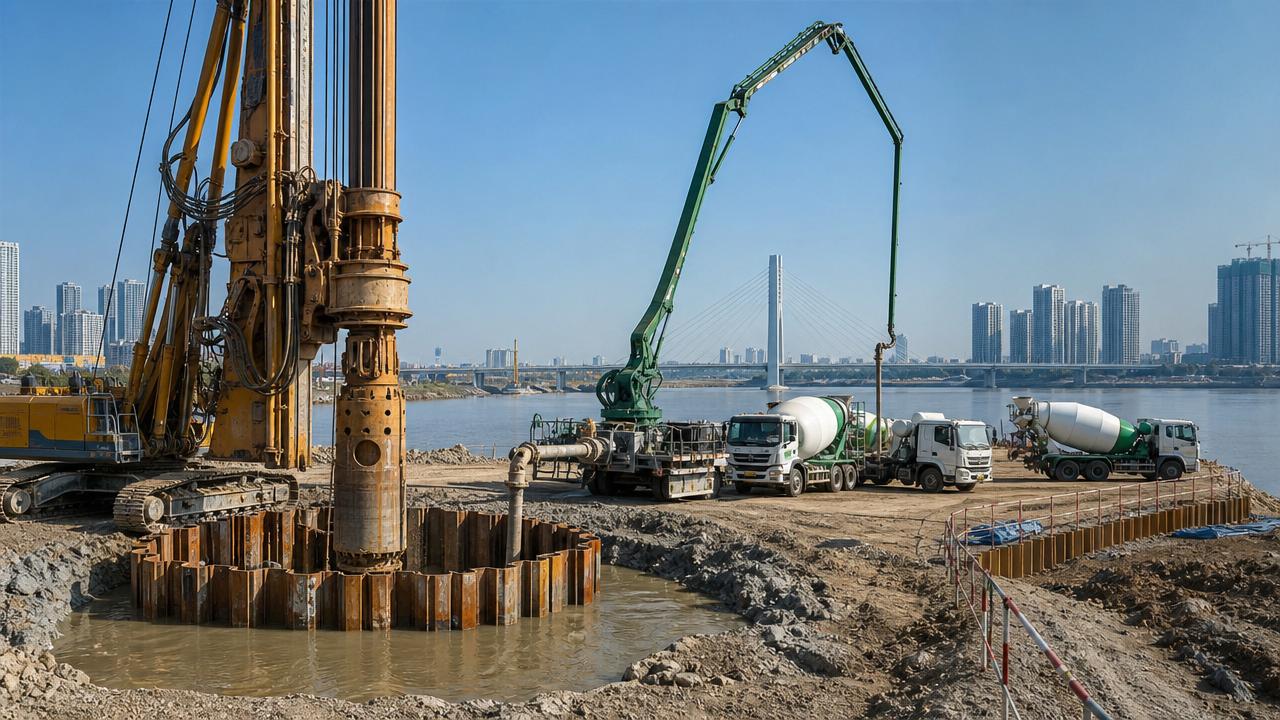
Quicksand piling becomes dangerous when ground behavior changes faster than the plan
Quicksand piling rarely fails because one machine lacks power. It fails when flowing soil, water pressure, and pile execution lose balance at the same moment.
That is why a routine foundation package can suddenly turn into equipment settlement, bore collapse, misaligned piles, or a stop-work order.
In practical site control, the main issue is not only how to penetrate unstable ground. It is how to keep the whole process stable from drilling to concrete placement.
DFCS follows this problem across piling rigs, concrete systems, pumping flow, and underground response, because quicksand piling affects more than the borehole itself.
Once instability starts, it can disrupt slurry management, reinforcement installation, concrete continuity, and even truck movement around the working platform.
Actual site conditions decide why one quicksand piling method works and another does not
Different quicksand piling sites create different risk patterns. Loose saturated sand near a riverbank behaves differently from reclaimed urban fill or coastal mixed strata.
The more useful judgment is not asking whether quicksand exists. It is asking how it moves, how deep it extends, and what triggers sudden loss of support.
Some sites show continuous seepage with slow wall erosion. Others remain calm until casing extraction, then collapse within minutes.
That difference changes the safer site method. It affects casing length, slurry density, drilling speed, reinforcement timing, and concrete pumping sequence.
In many jobs, the wrong choice comes from treating all quicksand piling work as one category, even though the trigger conditions are not the same.
A fast field review usually starts with four questions
- Is groundwater static, tidal, artesian, or affected by nearby dewatering?
- Does the stratum contain uniform fine sand, mixed gravel, or fill with buried debris?
- Will the pile be bored, driven, vibrated, or installed under static pressure?
- Can the site maintain uninterrupted concrete supply during critical placement windows?
These questions connect geology with execution. They also explain why piling safety cannot be separated from batching, delivery, and pumping reliability.
Near-water and riverfront work usually demands tighter quicksand piling control
River training works, quay walls, bridge approaches, and flood-control structures often face active seepage and variable water heads.
Here, quicksand piling risk is rarely limited to collapse at the bore mouth. Lateral washout and undercutting below the platform can be just as serious.
Safer site methods in this setting often include longer temporary casing, stricter slurry property checks, and a more conservative drilling advance rate.
The working platform also deserves more attention than usual. A stable rig on paper can still settle when edge zones soften after repeated traffic.
Where tremie concreting is required, concrete continuity becomes a safety control point, not only a quality item. Interruption raises segregation and necking risk.
Urban infill sites create a different quicksand piling problem than open infrastructure corridors
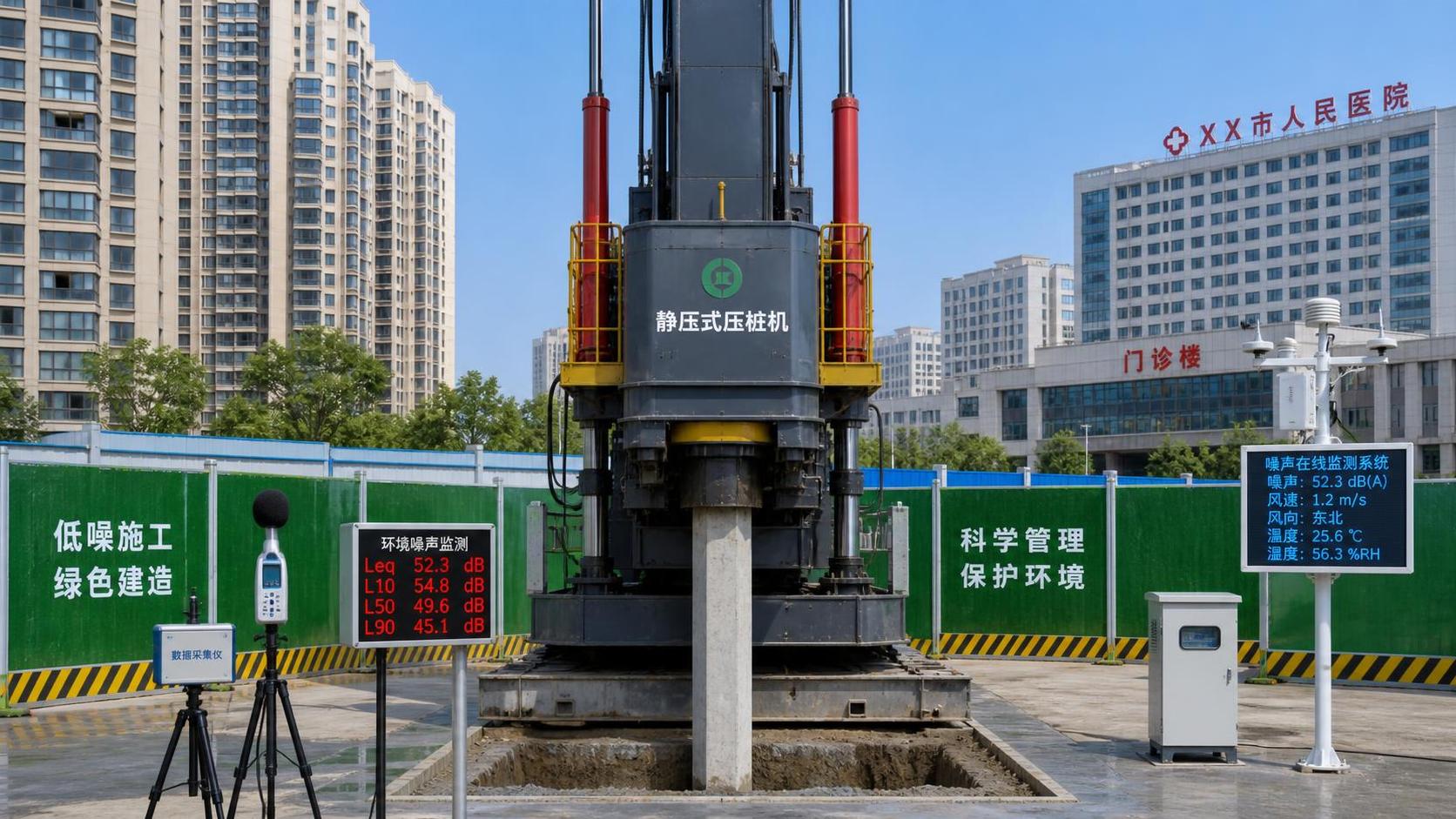
Dense city plots often combine saturated sand lenses, underground utilities, restricted equipment movement, and strict noise or vibration limits.
In this environment, quicksand piling decisions are often shaped by what the site cannot tolerate. Excess vibration may threaten adjacent basements or buried services.
That is why static press-in systems, low-disturbance bored piles, or segmented casing solutions may be safer than faster but more aggressive methods.
Another common issue is logistics compression. Mixer trucks, pumps, spoil removal, and reinforcement delivery compete for very little space.
If concrete arrivals are not synchronized, the quicksand piling operation may pause at the worst possible stage, with the hole open and unstable.
For that reason, urban jobs benefit from linking piling plans with batching plant scheduling and backup pump arrangements before mobilization starts.
Reclaimed land and mixed fill demand more skepticism than uniform sand layers
Reclaimed ground often looks predictable in preliminary reports, yet actual pile locations may include rubble pockets, buried concrete, silt seams, and water-bearing sand.
This is where quicksand piling becomes difficult to standardize. One pile may advance normally, while the next one encounters sudden loss zones or obstruction.
More common field success comes from adaptive control rather than rigid repetition. Probe drilling, revised casing depth, and live spoil observation matter here.
Ignoring spoil changes is a frequent mistake. Grain size, moisture, and discharge behavior often reveal instability earlier than delayed laboratory confirmation.
Safer quicksand piling methods depend on how the full system performs, not just the rig
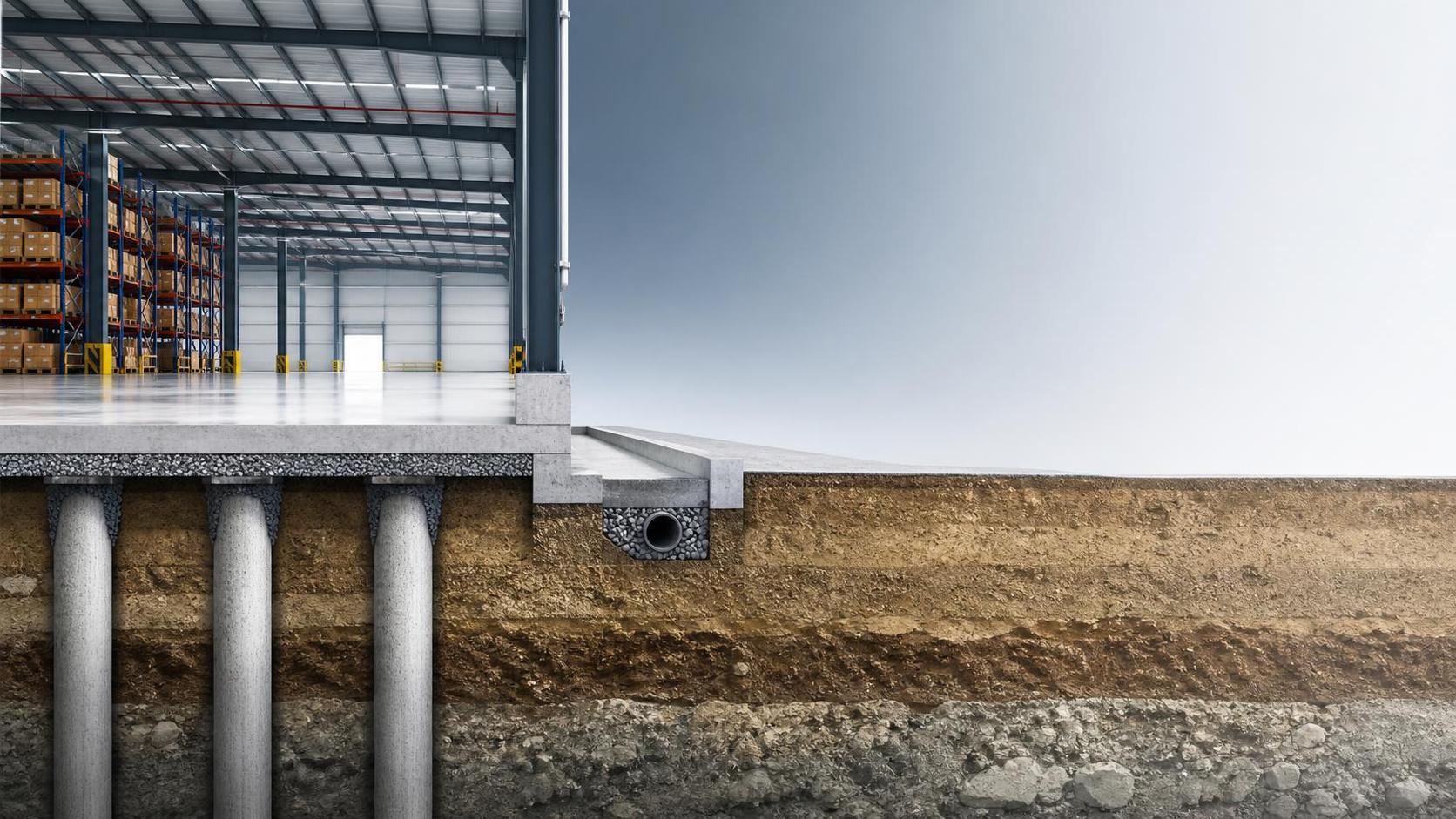
A rotary drilling rig may be the visible center of the operation, but safer execution depends on several linked systems staying within control limits.
Slurry preparation, concrete batching accuracy, mixer arrival spacing, and pump readiness all affect whether unstable ground remains manageable.
DFCS has long tracked this connection across machinery categories. In difficult strata, the interface between piling and concrete logistics often decides the outcome.
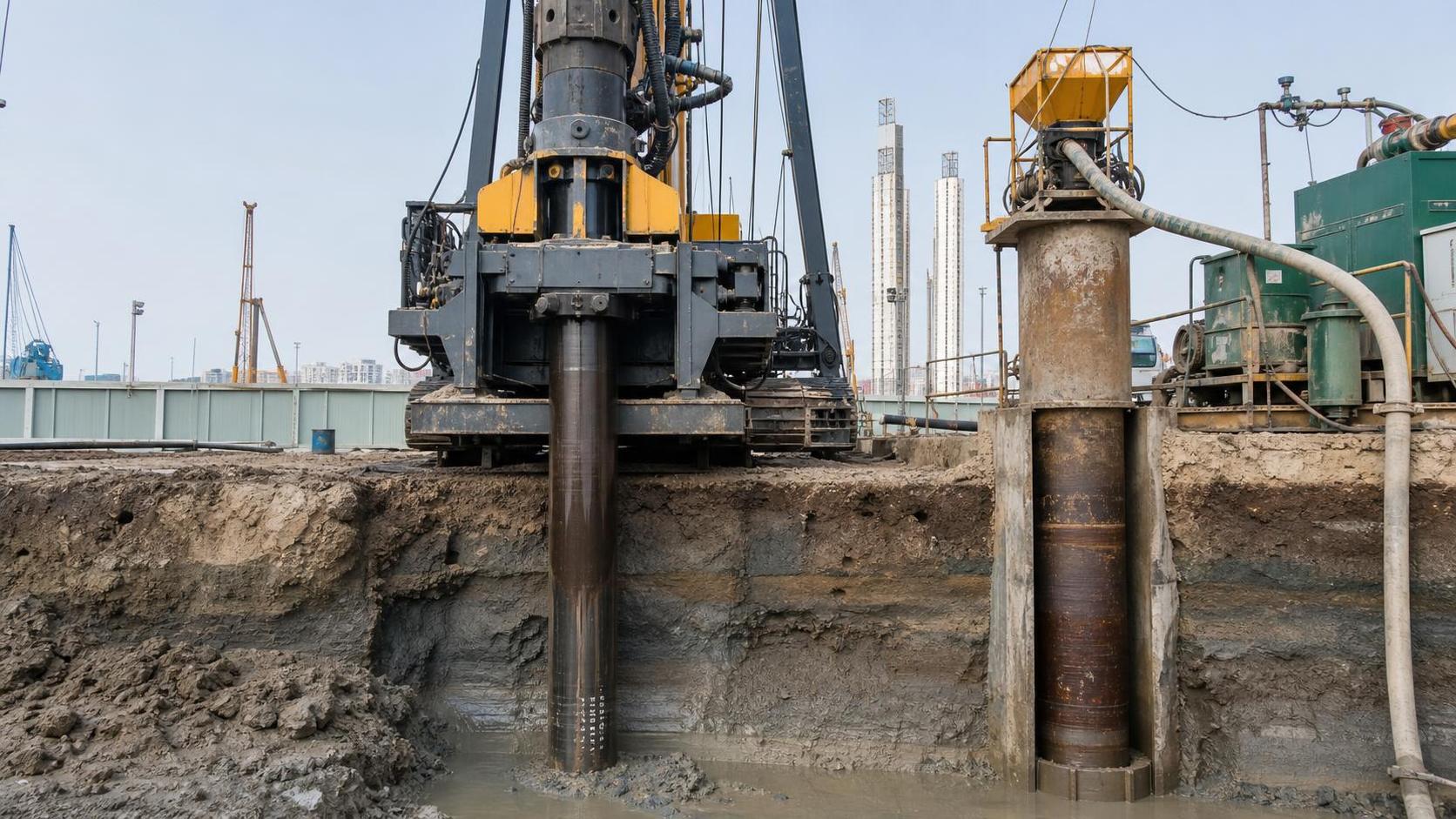
For bored quicksand piling, a few execution controls repeatedly prove their value:
- Keep slurry density and viscosity within a verified range, not a guessed range.
- Avoid prolonged open-hole exposure during cage installation.
- Maintain continuous tremie embedment during concrete placement.
- Confirm batching and pumping capacity before drilling reaches critical depth.
- Prepare a fallback method for collapse recovery before the first pile begins.
For driven or pressed piles in quicksand-prone layers, the focus shifts toward alignment retention, refusal interpretation, and ground heave monitoring.
A pile that appears easy to install can still create unacceptable displacement nearby, especially where loose sand is trapped beside existing structures.
Misjudgments often start with familiar assumptions
One common mistake is selecting a quicksand piling method from equipment parameters alone, without checking groundwater behavior over the full work cycle.
Another is assuming a successful trial pile removes future uncertainty. In unstable sand, neighboring pile positions may behave very differently.
It is also easy to underestimate the cost of interruptions. Delayed concrete delivery can be more dangerous than moderate drilling resistance.
Some projects focus heavily on installation speed and ignore spoil treatment, slurry recycling, or platform drainage. Those omissions often return as safety events.
Where low-carbon construction targets apply, method selection should still begin with stability and compliance. Cleaner equipment does not cancel geotechnical risk.
Warning signs that deserve action, not discussion
- Unexpected slurry loss or sudden return dilution
- Platform rutting near repeated rig travel paths
- Spoil changing from damp granular material to free-flowing sand
- Cage installation resistance after an otherwise smooth bore
- Concrete volume mismatch during tremie placement
Before the next quicksand piling package, tighten the site method around real constraints
A better quicksand piling plan usually starts with a more honest map of the site, not a longer generic procedure.
Review groundwater triggers, confirm which piles sit in the highest-risk zones, and test whether supply chains can support uninterrupted critical operations.
Then align the piling method with the full system: rig behavior, casing strategy, slurry management, batching continuity, pumping backup, and access control.
In real projects, safer quicksand piling is rarely about one dramatic fix. It comes from many controlled decisions made early and checked continuously.
A useful next step is to build a site-specific checklist that compares soil response, method limits, concrete logistics, and recovery actions before production piling begins.
Industry Briefing
Get the top 5 industry headlines delivered to your inbox every morning.