
How construction machinery sustainability trends affect fleet upgrade decisions

How construction machinery sustainability trends affect fleet upgrade decisions
Construction machinery sustainability trends are no longer a side topic for fleet managers. They are changing how contractors, concrete producers, and foundation specialists decide what to replace, what to keep running, and what to specify in the next round of investment. For decision-makers, the real question is not whether sustainability matters. It is which upgrade will reduce risk without creating a new operational headache.
That distinction matters in this industry more than in many others. A machine may look “green” on paper, but if it cannot handle site conditions, charging logistics, duty cycles, or local service support, the fleet ends up paying for a concept instead of capability. In concrete batching, pumping, mixer transport, rotary drilling, and piling, sustainability is increasingly tied to uptime, compliance, and the ability to win work on modern infrastructure projects.
The shift is happening at the fleet level, not just the equipment level
A few years ago, “sustainable equipment” often meant one of two things: lower emissions or better fuel efficiency. That view is now too narrow. Buyers are looking at lifecycle cost, noise restrictions, site access rules, maintenance intensity, digital monitoring, and even the carbon profile of the materials the equipment helps produce or place. In practice, that means fleet upgrade decisions are becoming more selective.
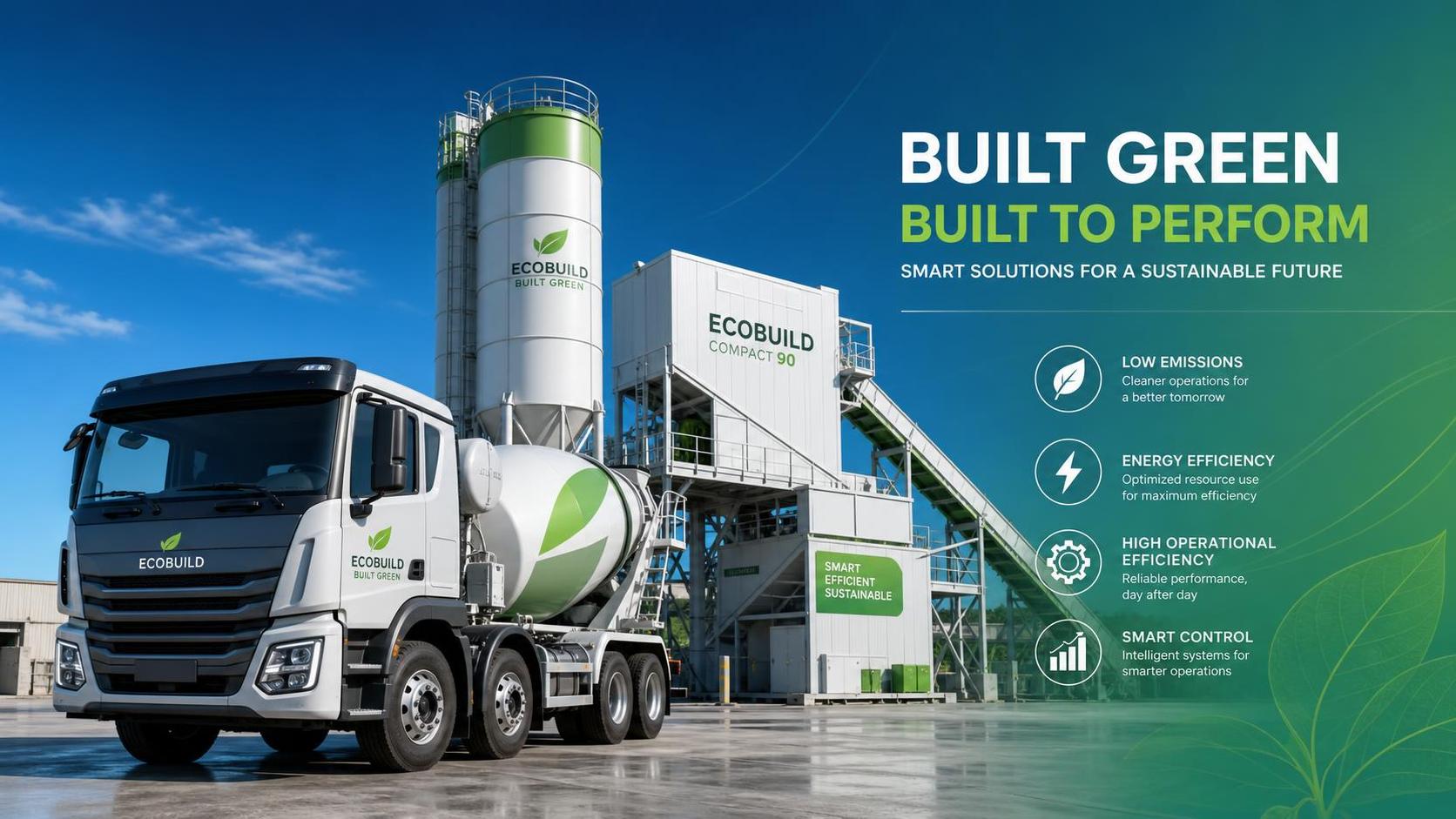
Take concrete mixer trucks. Electrification sounds straightforward until the operating pattern is examined closely. Short-haul urban delivery, depot-based charging, and predictable routes can make electric or hybrid options realistic. Long-haul or variable dispatch fleets face a different picture. Payload, battery weight, route length, and weather all matter. A replacement cycle that works for one city may not work for another. The same caution applies to pump trucks, where boom reach, hydraulic performance, and jobsite flexibility still dominate the buying decision.
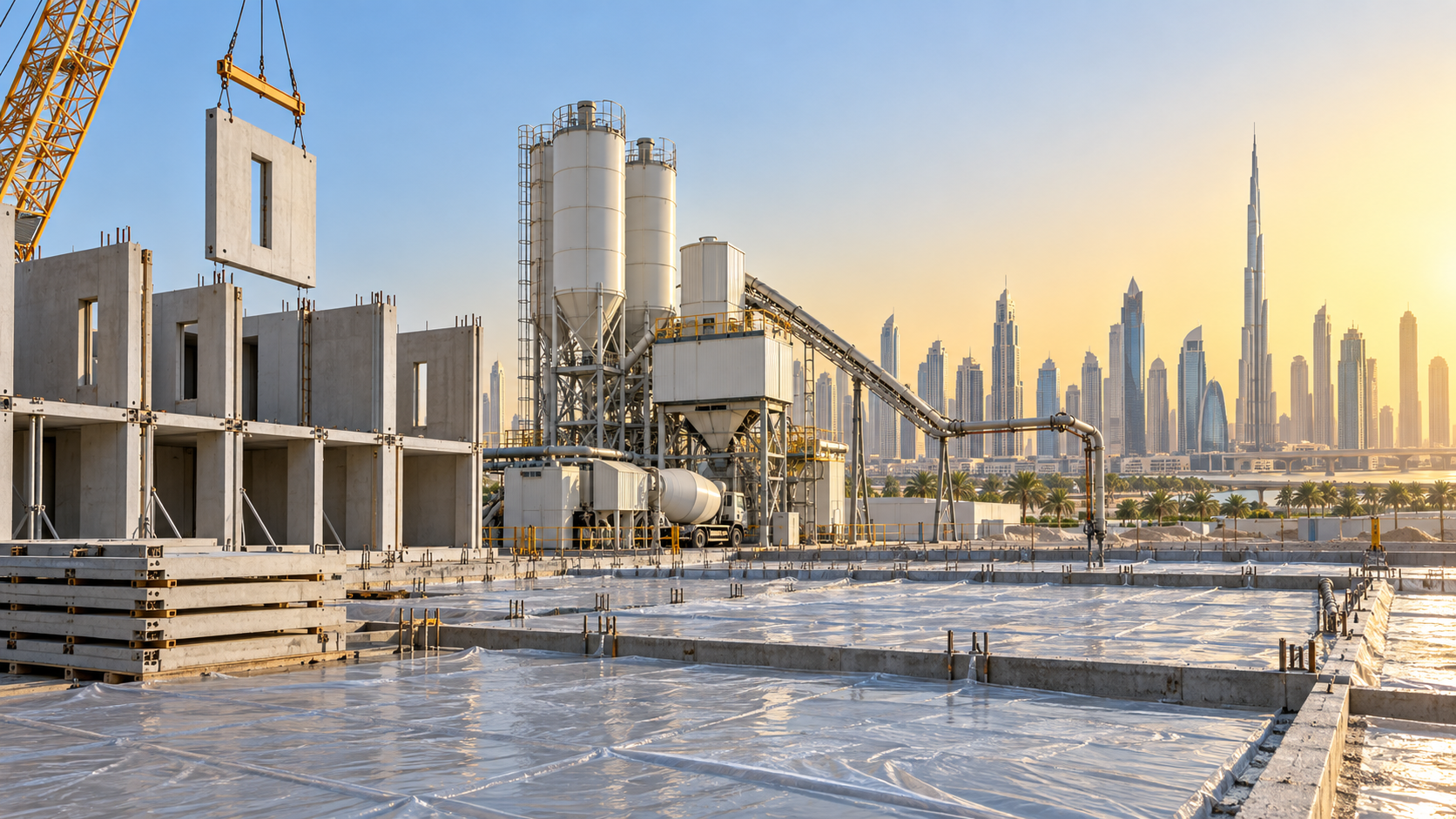
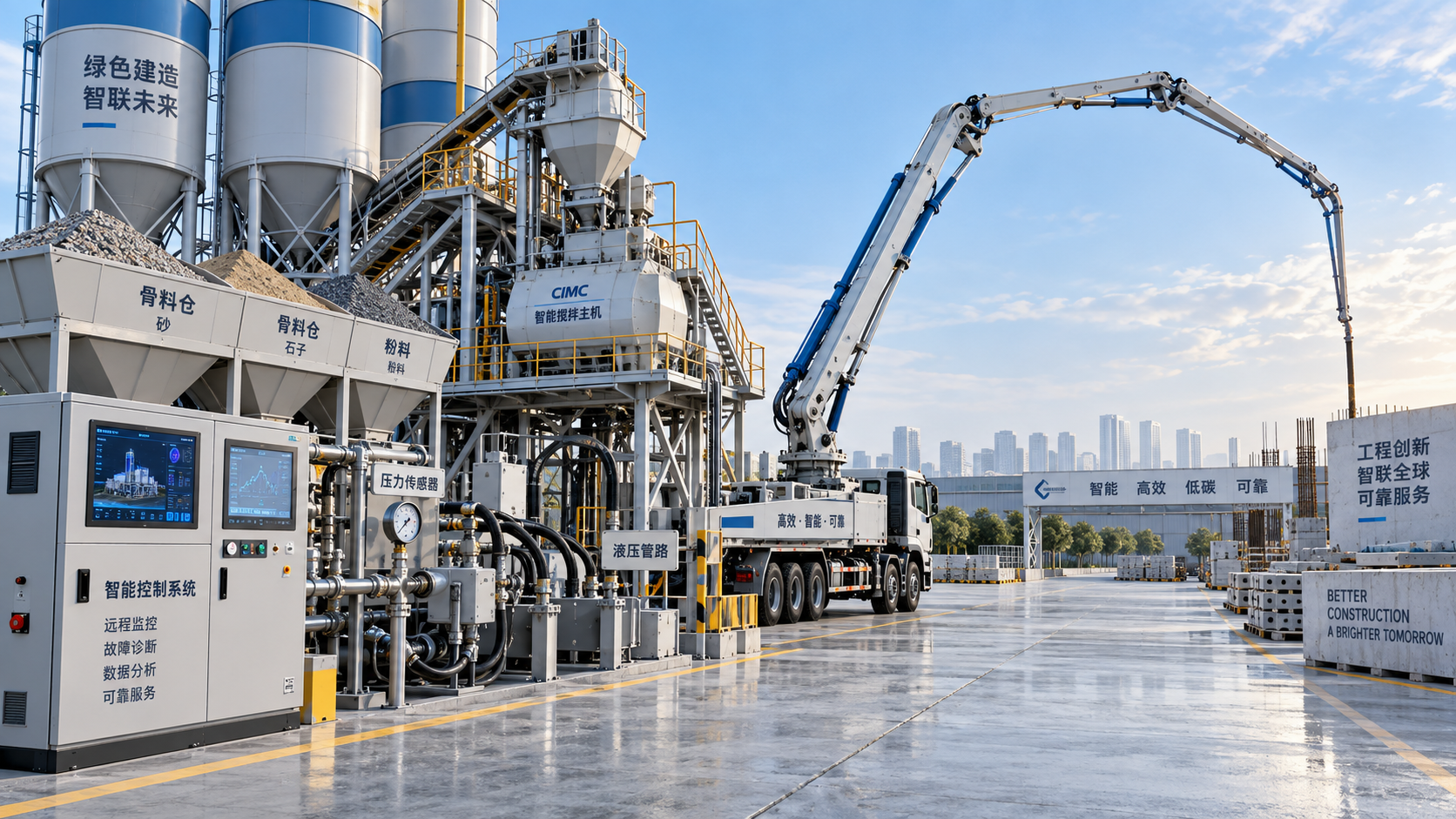
For batching plants, sustainability tends to show up in enclosure, dust control, weighing precision, and automation before it shows up in electrified drivetrain discussions. In many markets, the old plant may still produce acceptable material, but it may struggle to meet tighter environmental expectations from developers, municipalities, or large EPC contractors. That is why some fleets upgrade the plant controls and dust collection first, then replace major mechanical assets later. It is a more practical sequence than full replacement.
What enterprise leaders are really weighing
The best fleet decisions usually start with one hard question: what is the machine’s job in the next three to five years, not the last three to five years? Sustainability trends are forcing that conversation. Equipment that was once acceptable on open sites may now be exposed to urban noise limits, emissions reporting, confined-space restrictions, or customer scorecards for green procurement.
That changes the economics. A machine with lower fuel consumption may still lose if it requires frequent downtime, special training, or a fragile charging setup. On the other hand, a slightly higher purchase price can be justified if the asset helps avoid restricted operating hours, supports cleaner tender qualification, or reduces maintenance labor. This is why many firms are moving away from simple capex comparisons and looking at total cost of ownership in a more operational way.
For deep foundation work, the calculation gets even more specific. Rotary drilling rigs and piling machinery face harsh ground conditions, wear-sensitive components, and project schedules where delay is expensive. Sustainability in this segment is not just about energy source. It includes longer component life, better wear monitoring, lower idle time, and more accurate control of vibration or pressing operations. A rig that burns less fuel but loses productivity in hard rock or mixed strata is not automatically a better fleet asset.
Where the market is moving fastest
The fastest sustainability-driven upgrades are usually happening where regulation and operating reality overlap. Urban concrete transport is one example. Noise-sensitive zones, limited night work, and tighter air-quality expectations make cleaner mixer fleets more attractive. Another is municipal or public infrastructure work, where procurement language increasingly rewards low-emission equipment and documented environmental performance.
Batching plants are also under pressure, but the upgrade path is often less visible to outsiders. Fully enclosed systems, enclosed belt lines, smarter weighing, and better dust removal can improve compliance without forcing a complete rebuild. That kind of improvement tends to appeal to companies that already have land, permits, and customer relationships in place. They may not need a brand-new site; they need a cleaner, more stable one.
In underground construction, the sustainability conversation is more subtle. Noise control, vibration management, and soil disturbance reduction can matter as much as fuel burn. For example, in dense urban piling work, static pressing or other low-noise methods may be favored over more disruptive approaches, depending on geology and local restrictions. That does not make one method universally better. It simply means the fleet needs to match the job profile more tightly than before.
The hidden cost of upgrading too early or too late
A common mistake is assuming that the newest sustainable model should replace every older asset as soon as possible. That is not always the smart move. If a machine still has high utilization, a known maintenance history, and no compliance issue, early replacement may destroy useful value. It can also create training and service burdens that are easy to underestimate.
The opposite mistake is waiting until regulations, customer requirements, or service costs force a rushed replacement. Then the fleet buys under pressure, with less room to test charging infrastructure, spare parts availability, or operator readiness. In this industry, rushed upgrades often lead to mixed fleets that are technically modern but operationally awkward.
The better approach is often phased. Keep core production assets that are still dependable, upgrade the most compliance-sensitive units first, and align replacement timing with project pipeline and depot readiness. For some companies, that means batching plant controls before mixers. For others, it means cleaner urban pump trucks before off-road foundation rigs. There is no single sequence that fits every fleet.
What to check before approving the next purchase
Decision-makers usually get better outcomes when they ask a few practical questions before signing off:
Does the equipment match the duty cycle, not just the brochure spec?
Will local charging, fueling, or maintenance support actually hold up in daily operations?
Are emission, noise, and dust expectations likely to tighten on the jobs you want next year?
Can the new machine integrate with dispatch, telematics, and maintenance planning systems already in use?
Will the upgrade improve the fleet’s bid position, or only its technical image?
Those questions sound basic, but they prevent a lot of expensive mistakes. They also fit the way procurement is changing. In many fleets, sustainability is no longer a separate box to tick. It has become part of operational reliability, customer access, and long-term asset planning.
A more realistic view of the next cycle
The most successful fleet upgrades over the next few years will probably be the ones that balance three things: compliance, productivity, and maintainability. Pure “green” branding will not be enough. Nor will old habits disguised as caution. The fleets that do well will be the ones that can explain why a specific mixer, pump truck, batching plant, drilling rig, or piling machine earns its place in the operating model.
For companies in concrete and deep foundation work, this is exactly where sustainability trends become strategic. They reshape asset life, replacement timing, and technical specification. The winners will not be the firms that buy the newest machine first. They will be the firms that upgrade with enough discipline to keep their sites compliant, their crews productive, and their equipment useful through the next wave of mega-project demand.
Industry Briefing
Get the top 5 industry headlines delivered to your inbox every morning.