
Construction Machinery Advancements That Reduce Downtime on Site

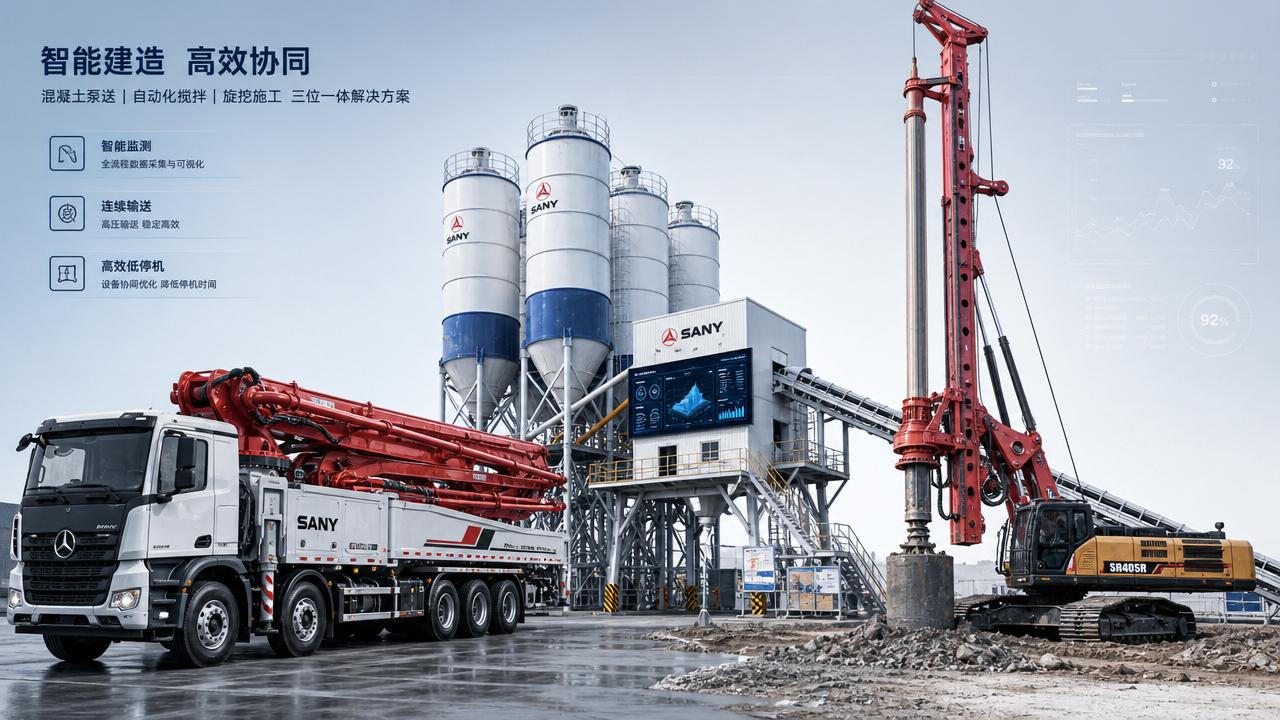
Construction Machinery Advancements That Reduce Downtime on Site
Construction machinery advancements are changing daily site performance in a very practical way.
The biggest shift is simple. Machines now help prevent stoppages instead of only reacting after a failure.
That matters on concrete, piling, and drilling jobs where delays quickly affect labor, scheduling, and material quality.
From DFCS’s view, the most useful construction machinery advancements are the ones that improve uptime under real pressure.
This includes smarter controls, easier maintenance access, cleaner power systems, and better visibility across the whole equipment chain.
Why Downtime Still Hurts High-Pressure Construction Work
Unplanned downtime rarely comes from one dramatic failure.
More often, it starts with small issues that spread across the site.
A blocked concrete line slows pouring. A weak sensor disrupts batching accuracy. A drill bit wears faster than expected in hard rock.
Once that happens, crews wait, trucks queue, and the day’s plan becomes harder to recover.
This is why construction machinery advancements now focus on early warning, machine coordination, and faster service response.
The goal is not only stronger equipment. The goal is stable output across changing loads, weather, and ground conditions.
Smart Concrete Pumping Systems Cut Waiting and Blockage Risk
Concrete pump trucks are one of the clearest examples of useful construction machinery advancements.
Modern systems monitor hydraulic pressure, boom movement, pipeline resistance, and output consistency in real time.
That gives operators an earlier signal before a blockage turns into a full shutdown.
Improved vibration-damping algorithms also help ultra-long booms stay more stable during placement.
Better stability means fewer pauses for correction and less stress on structural components.
Key features reducing pump-related downtime include:
- Predictive pressure monitoring for early blockage detection.
- Automatic pumping adjustment for changing concrete flow behavior.
- Remote fault codes that speed up service decisions.
- Wear tracking for pipes, elbows, seals, and delivery components.
- Safer boom control in narrow or high-rise work zones.
In practical terms, these construction machinery advancements help keep concrete moving when timing is critical.
Automated Batching Plants Improve Reliability Before Concrete Reaches the Pump
Downtime often starts upstream, long before a pump truck arrives at the pour zone.
That is why construction machinery advancements in batching plants matter just as much as mobile equipment upgrades.
High-precision IoT weighing systems improve mix consistency and reduce the chance of rejected batches.
Automated moisture correction also helps maintain target performance when aggregate conditions change during the day.
Fully enclosed dust control systems add another benefit. They keep the plant cleaner and reduce maintenance interruptions.
When assessing batching upgrades, focus on these points:
- Check weighing accuracy under full production speed.
- Review sensor protection against dust and vibration.
- Confirm remote diagnostics for motors, conveyors, and mixers.
- Evaluate spare part access for frequent service items.
- Verify data records for mix traceability and quality control.
These construction machinery advancements support smoother scheduling and fewer quality-related delays across the whole concrete chain.
Mixer Truck Upgrades Protect Material Quality During Transport
Mixer trucks may look familiar, but recent construction machinery advancements have changed their job-site value.
More efficient drum drive systems reduce energy loss and improve consistency during long transport cycles.
Lightweight designs also allow better payload management without adding stress to critical components.
A more visible trend is electrification. Pure electric and hybrid configurations can lower maintenance demand in stop-start routes.
For operations, that means fewer interruptions linked to engine heat, fluid complexity, and excessive idling.
When concrete arrives in better condition, pump performance improves too. That connection is often underestimated on busy projects.
Rotary Drilling Rigs Now Handle Ground Uncertainty More Efficiently
Ground conditions remain one of the hardest variables to control.
That is why construction machinery advancements in rotary drilling rigs are especially important for foundation work.
New monitoring systems track torque, crowd force, penetration rate, and tool wear in real time.
This helps crews respond faster when quicksand, cobbles, or hard rock start affecting drilling efficiency.
Some rigs now support data-based drilling mode adjustment, reducing overload events and unnecessary tool damage.
That matters because tool replacement delays can be expensive and difficult to recover from mid-shift.
Useful site checks for drilling reliability include:
- Compare tool wear data with actual geology logs.
- Review torque spikes before they trigger mechanical strain.
- Inspect hydraulic cooling performance in long drilling cycles.
- Plan spare tools based on rock hardness, not estimates alone.
These construction machinery advancements make drilling decisions more informed and less reactive.
Advanced Piling Equipment Reduces Idle Time in Urban Foundation Projects
Piling jobs face a different kind of downtime pressure.
Urban restrictions, noise limits, and tight logistics leave little room for equipment inefficiency.
Recent construction machinery advancements address this through higher-frequency vibration control and improved hydraulic static pressing systems.
The benefit is not only installation force. It is also smoother, more predictable operation in restricted environments.
Better control reduces repositioning time, limits overstressing, and helps maintain pile accuracy.
For dense city work, this can be the difference between steady production and repeated stop-start disruptions.
Connected Maintenance Is Becoming the Real Uptime Advantage
Across all machine types, the strongest pattern is connected maintenance.
This is where construction machinery advancements move beyond hardware and into daily management.
Machine health platforms now combine service intervals, live alarms, wear history, and operator feedback in one view.
That makes troubleshooting faster and maintenance planning more realistic.
Instead of waiting for failure, teams can schedule short service windows before output drops.
A practical connected maintenance routine should include:
- Daily review of pressure, temperature, and vibration alerts.
- Weekly checks on wear parts with the highest downtime impact.
- Clear service thresholds based on machine load history.
- Fast reporting between field crews and technical support teams.
Among current construction machinery advancements, this is often the fastest route to measurable uptime gains.
How to Evaluate Construction Machinery Advancements for Real Site Value
Not every new feature delivers a real operational benefit.
The better approach is to connect construction machinery advancements to specific downtime risks on site.
Start with the failures that happen most often. Then check which technologies directly reduce those events.
A simple evaluation table can help:
This kind of review keeps equipment decisions grounded in performance, not only product claims.
The Next Step for More Reliable Job-Site Performance
The most effective construction machinery advancements share one idea.
They reduce uncertainty before it becomes downtime.
Whether the job involves pumping, batching, mixing, drilling, or piling, reliability now comes from smarter coordination and faster feedback.
For teams looking at upgrades, the best starting point is a downtime map of the current workflow.
Measure where delays begin, identify the machine systems behind them, and match those issues with targeted technology improvements.
That is where construction machinery advancements create the most value: less waiting, steadier output, and stronger control when project pressure is highest.
 How to Evaluate Delivery Reliability from Overseas Construction Machinery SuppliersTime : Sep 01, 2026
- Which concrete equipment industry trends are reshaping plant investment decisionsTime : Aug 19, 2026
- How construction machinery sustainability trends affect fleet upgrade decisionsTime : Aug 14, 2026
Industry Briefing
Get the top 5 industry headlines delivered to your inbox every morning.