
Concrete Machinery Trends in 2026: Electrification, Automation, and ROI

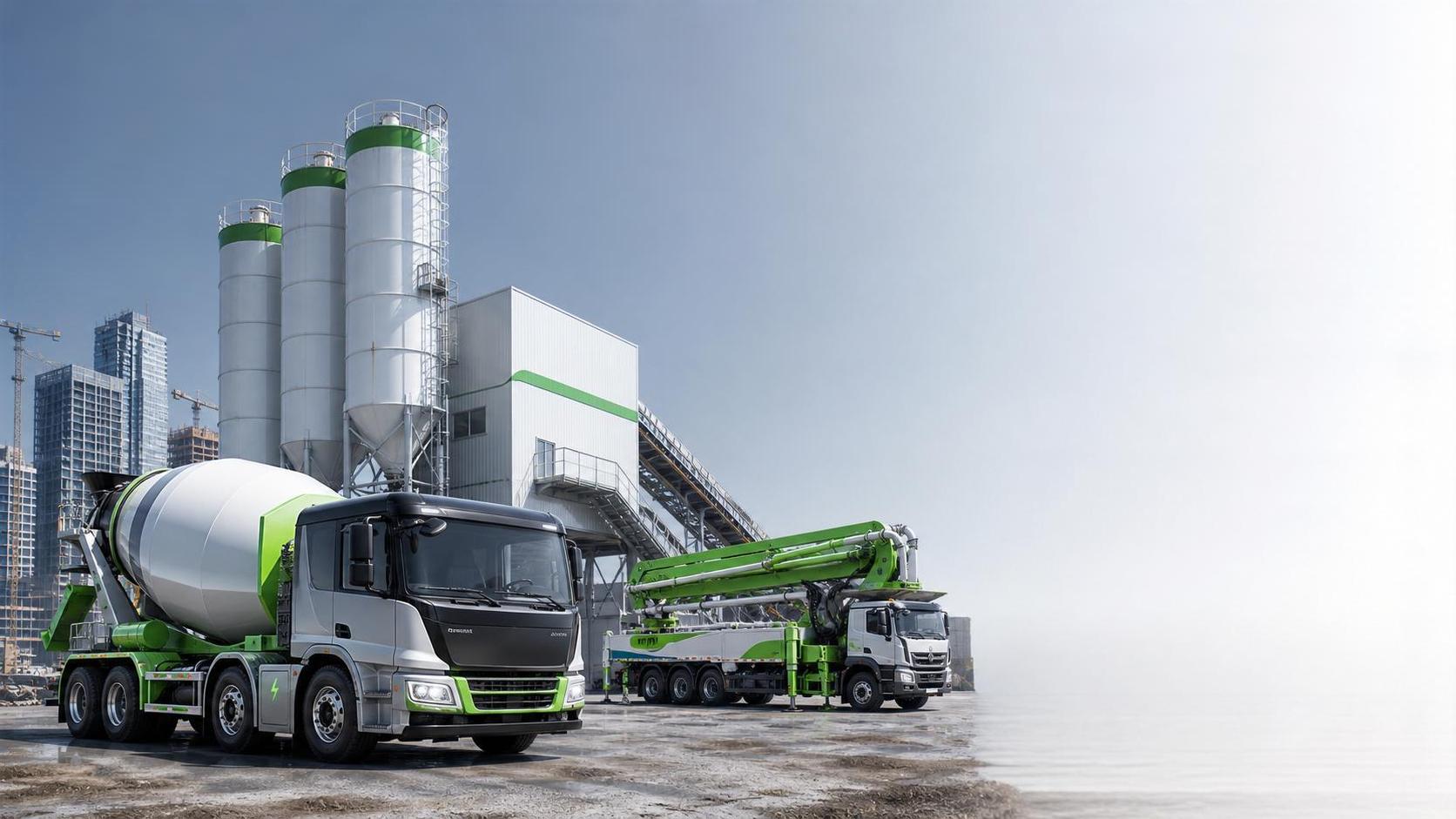
Concrete machinery trends in 2026 are moving from concept to operating reality
Concrete machinery trends in 2026 are no longer framed by technology headlines alone. They are being shaped by project economics, emissions pressure, labor constraints, and tighter delivery expectations.
Across batching, pumping, transport, drilling, and piling, the strongest signal is practical. Equipment choices are being judged by uptime, energy profile, data visibility, and lifecycle return.
That shift matters because concrete systems now sit inside a wider performance chain. A pump truck, mixer fleet, batching plant, or rotary drilling rig is no longer evaluated in isolation.
It must fit low-carbon targets, urban noise rules, digital reporting needs, and increasingly compressed project schedules. In that environment, concrete machinery trends are becoming strategic rather than purely technical.
DFCS has been tracking this convergence closely across global mega projects, where fluid pumping pressure, geological complexity, and automation targets increasingly influence the same investment decision.
Why the change is becoming more visible now
The current wave of concrete machinery trends did not emerge from one policy or one technology release. It is the result of several pressures reinforcing each other.
Urban construction is moving deeper underground and higher above ground. That increases demands on boom stability, vibration control, drilling accuracy, and mix consistency.
At the same time, zero-emission zones and noise controls are pushing fleets toward electric drives, enclosed production systems, and cleaner worksite operations.
Another driver is cost volatility. Fuel prices, maintenance expense, spare parts lead times, and labor availability have made predictable operating models more valuable than headline capacity alone.
This is why concrete machinery trends are appearing across both premium and mid-market segments. The market is not simply chasing innovation. It is chasing resilience.
Electrification is widening beyond a fleet image story
In earlier years, electrification often looked symbolic. In 2026, it is becoming operational, especially where transport routes are repeatable and site emissions are closely monitored.
Concrete mixer trucks are the most visible example. Battery-electric models and hybrid architectures are gaining traction where downtime can be planned and charging access is improving.
The more interesting shift is happening around the system edge. Auxiliary pumps, batching plant subsystems, dust control, and material handling are also being redesigned for lower energy intensity.
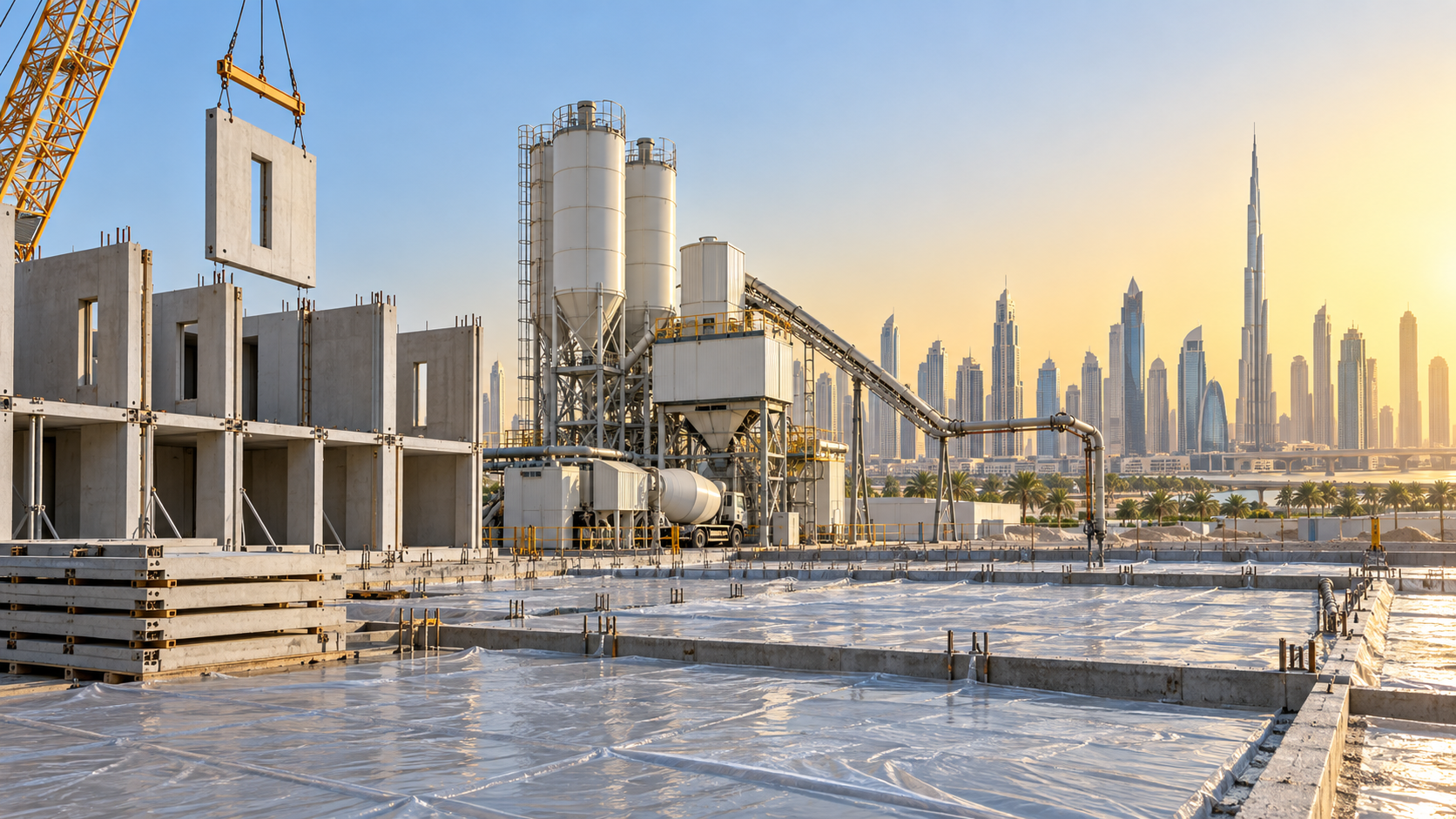
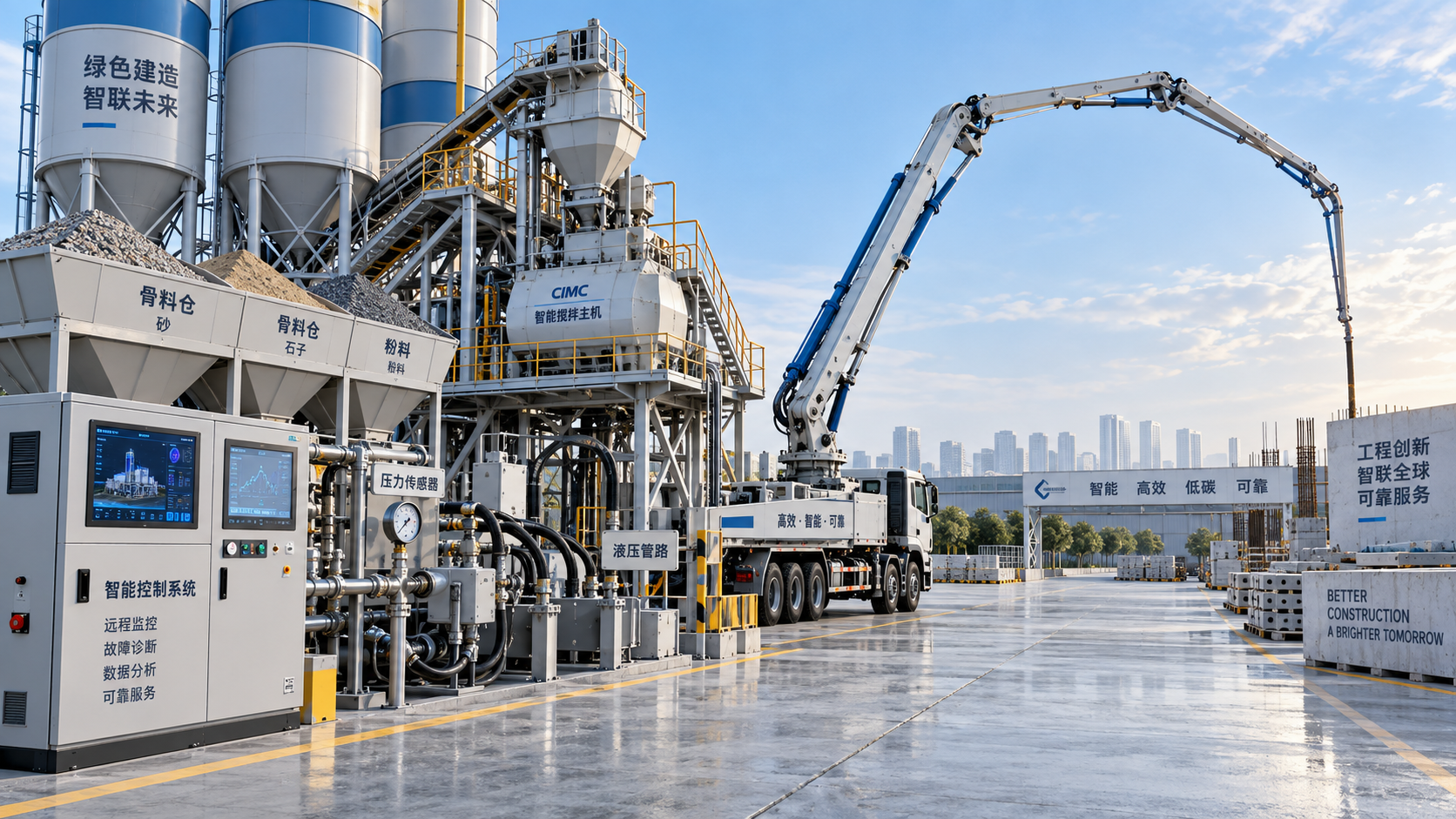
For batching plants, fully enclosed layouts and IoT-based weighing are now tied to carbon goals as much as product quality. Low-carbon concrete needs cleaner, more controlled production environments.
In piling and drilling, full electrification is less straightforward because duty cycles are punishing. Even so, the concrete machinery trends point to hybridization, energy recovery, and smarter power management.
That matters because the market is becoming more selective. Equipment that only reduces tailpipe emissions, but weakens utilization, will struggle to justify itself.
Automation is now being measured by stability, not novelty
Automation remains one of the defining concrete machinery trends, but the conversation has matured. Buyers are asking fewer questions about autonomous potential and more about repeatable site performance.
For concrete pump trucks, automation is increasingly linked to boom control, anti-sway behavior, pressure balancing, and fault prediction. These features protect output quality as much as they improve safety.
Rotary drilling rigs are also moving in this direction. Hard rock wear models, real-time torque feedback, and depth control reduce the guesswork that once depended heavily on operator experience.
Piling machinery is seeing similar changes. High-frequency vibration control and hydraulic static pressing are being refined to meet stricter urban noise and settlement requirements.
- Automatic calibration reduces batching deviation and rework risk.
- Remote diagnostics shorten fault response time and improve service planning.
- Integrated telemetry helps compare fuel, power, wear, and output across mixed fleets.
- Semi-automated controls make complex equipment easier to deploy across variable sites.
The strongest automation investments are not replacing people outright. They are reducing variability, which is often the real source of margin loss in concrete and foundation work.
ROI is becoming the filter that decides which concrete machinery trends survive
Every major equipment discussion now returns to ROI. That is not a conservative reaction. It is a practical response to financing costs, project risk, and uneven construction demand across regions.
The concrete machinery trends attracting real capital share one trait. They create measurable gains in output consistency, service intervals, energy efficiency, or compliance readiness.
This is changing how machinery is compared. Purchase price still matters, but decision quality increasingly depends on total operating hours, wear behavior, data transparency, and resale confidence.
For pump trucks, non-linear vibration control can translate into steadier placement and fewer disruptions on difficult pours. For drill rigs, better bit wear forecasting can protect both schedule and tooling budgets.
For batching plants, the ROI story often sits inside accuracy. A small improvement in weighing precision, dust containment, and moisture control can produce large gains over high-volume cycles.
DFCS has emphasized this lifecycle lens because it connects engineering credibility with commercial advantage. In large tenders, technical reliability increasingly supports bid defensibility.
The impact is spreading across the whole project chain
One reason concrete machinery trends deserve close attention is that their effects do not stop at the equipment yard. They reshape planning, scheduling, compliance, and site coordination.
On urban projects, lower-noise piling systems can unlock working windows that conventional methods struggle to secure. That can change sequencing and reduce permit-related delays.
On high-rise pours, advanced pump control affects placement confidence, labor timing, and rework exposure. It also influences how tightly teams can compress project milestones.
In supply chains, electrified mixer fleets and smart batching plants create more traceable performance records. That becomes useful when clients ask for carbon reporting and quality documentation together.
The same pattern appears underground. Rotary drilling and piling equipment with richer telemetry helps teams respond faster when strata conditions deviate from pre-bid assumptions.
What looks like a machinery upgrade often becomes a project delivery upgrade. That is a key reason concrete machinery trends are gaining board-level attention.
What deserves closer attention over the next planning cycle
The next phase will not be defined by who adopts every new feature first. It will be defined by who evaluates concrete machinery trends with sharper operating logic.
A useful starting point is to separate visible innovation from bankable improvement. Some upgrades look advanced on paper but do little for actual fleet economics.
More reliable indicators usually sit in a narrower set of questions.
- Which assets face the strongest emissions or noise restrictions in upcoming projects?
- Where does variability create the highest hidden cost: batching, pumping, drilling, or piling?
- Which automation functions reduce training dependence or improve service response?
- How strong is the data link between field performance and maintenance planning?
- Can lifecycle metrics be used to strengthen qualification in future tenders?
Those questions align with the direction DFCS highlights across concrete pumping, batching, and deep foundation systems. The market is rewarding controlled execution more than broad claims.
A practical reading of where the market is heading
By 2026, concrete machinery trends are pointing toward a more disciplined equipment market. Electrification will keep expanding, but mainly where duty cycles, charging logic, and compliance benefits support real returns.
Automation will keep advancing, but the winning applications will be those that stabilize performance in hard, messy, high-risk operating conditions.
ROI will remain the decisive lens. It will determine whether a smart batching plant, electric mixer truck, advanced pump system, or intelligent drilling rig becomes a competitive asset or just a technical upgrade.
The most sensible next step is to review current fleets and project pipelines against these concrete machinery trends, then rank upgrades by compliance pressure, operational bottlenecks, and payback visibility.
That approach creates a clearer path than chasing every market signal at once. In a sector building both city skeletons and underground roots, selective modernization is becoming the stronger strategy.
Industry Briefing
Get the top 5 industry headlines delivered to your inbox every morning.