
Concrete Machinery Innovation: 5 Upgrades Worth Tracking

Concrete machinery innovation now influences far more than equipment specifications. It shapes bid competitiveness, compliance exposure, asset utilization, and the reliability of concrete and foundation work across major projects.
That shift matters because upgrades are no longer isolated mechanical improvements. They increasingly connect electrification, automation, data visibility, safety controls, and low-carbon performance across batching, transport, pumping, drilling, and piling.
For organizations comparing capital plans or replacement cycles, the real question is not whether innovation exists. It is which upgrades materially improve lifecycle value and which remain secondary features.
Why this innovation cycle deserves close attention
Concrete machinery innovation is accelerating under pressure from tighter emissions rules, urban jobsite constraints, labor variability, and higher expectations for traceable quality.
At the same time, civil engineering projects are becoming more complex. High-rise construction, dense urban redevelopment, transport infrastructure, and deep foundations all demand better coordination between surface equipment and underground execution.
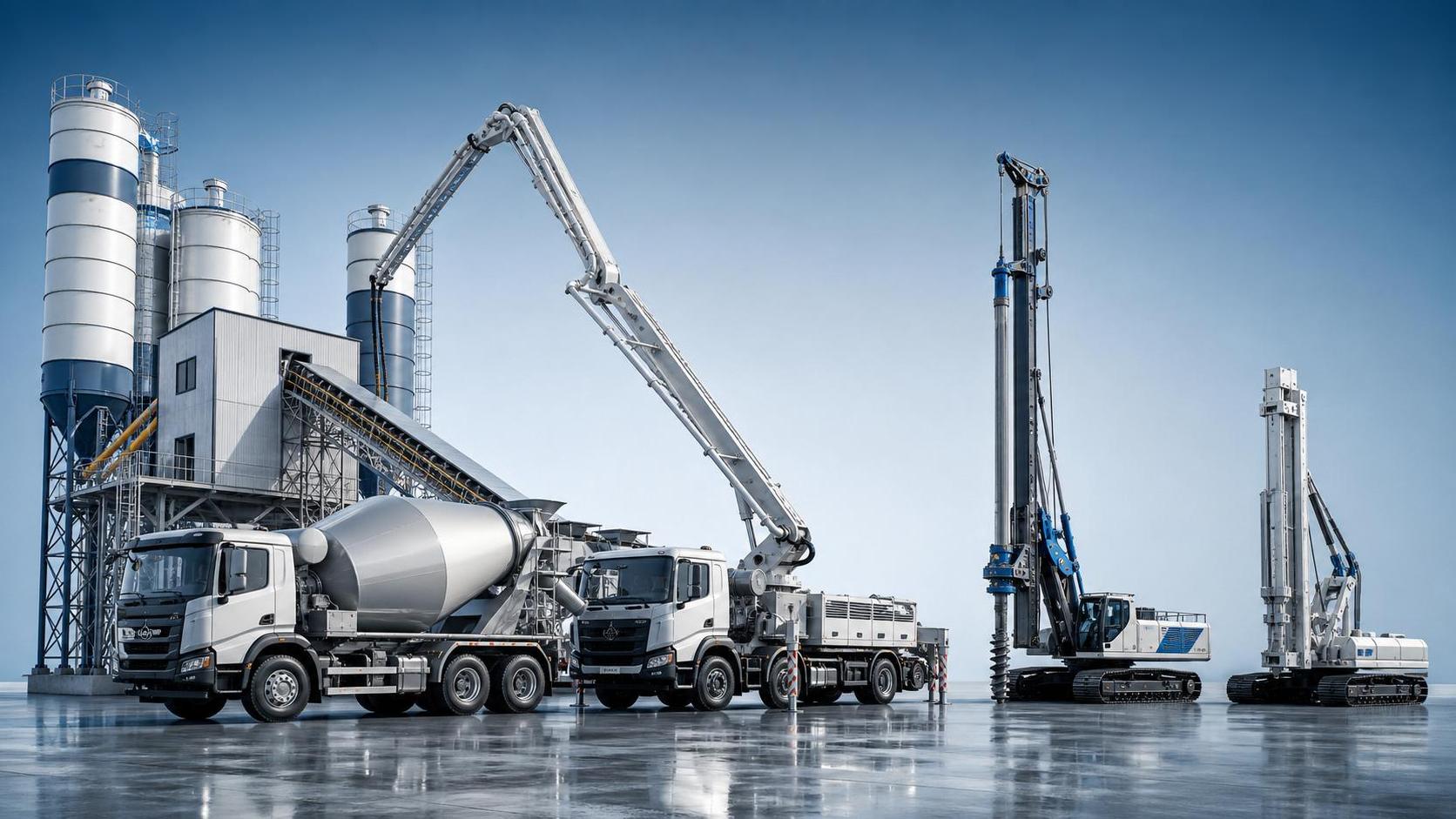
This is where DFCS brings useful context. Its intelligence focus spans concrete pump trucks, mixer trucks, batching plants, rotary drilling rigs, and piling machinery, which together define how modern structures are supplied, placed, and supported.
Looking at these systems as one connected production chain often reveals more value than reviewing machines individually. A faster pump means little if batching accuracy, haul timing, or pile foundation sequencing remain weak.
The five upgrades worth tracking
1. Smart batching plants with tighter process control
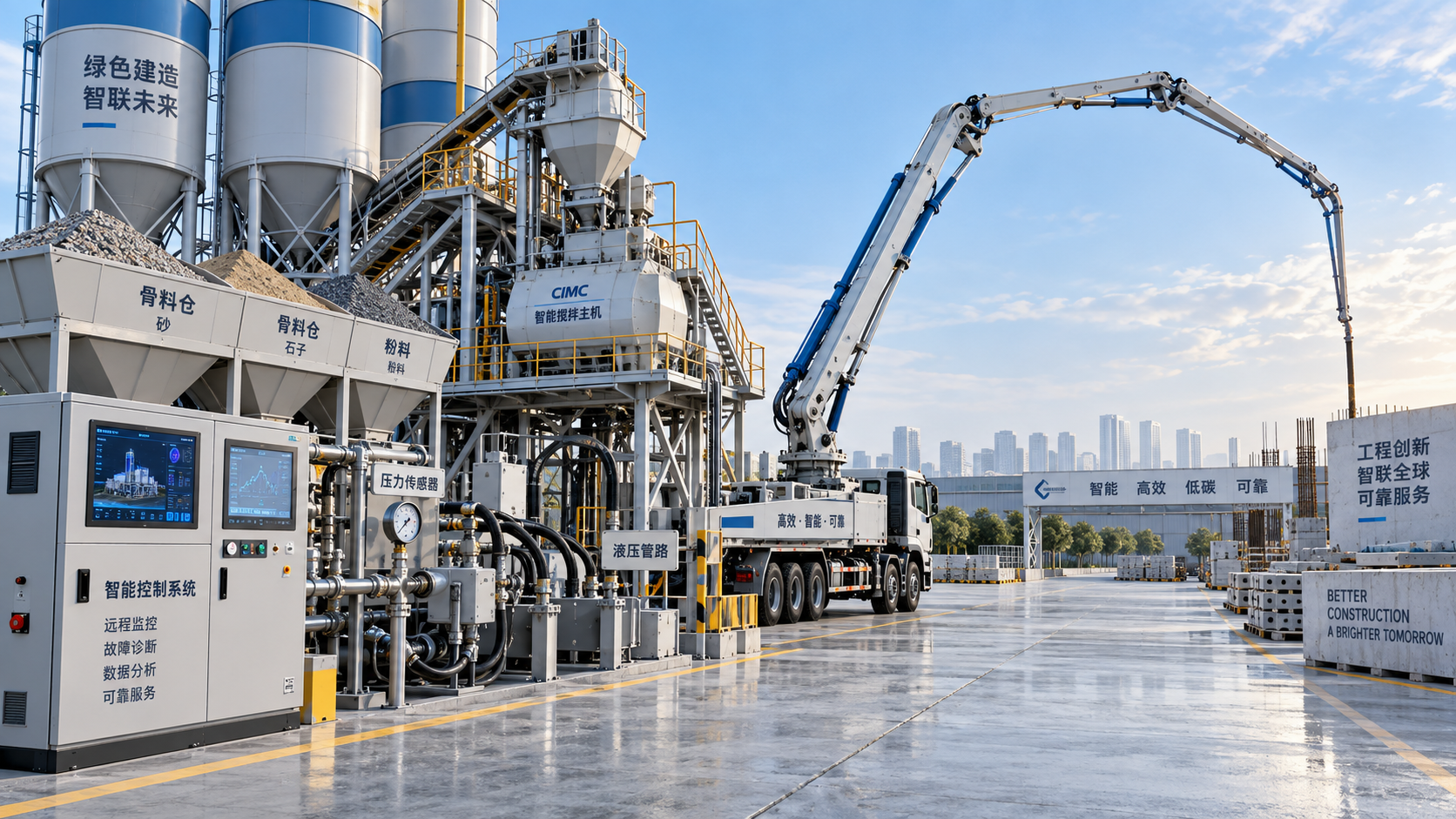
One of the strongest signals in concrete machinery innovation is the rise of smart batching plants built around IoT weighing, closed-loop monitoring, and enclosed environmental systems.
These upgrades reduce variance at the source. Better aggregate measurement, moisture correction, and recipe traceability support more consistent strength outcomes and fewer downstream disputes.
The enclosed design also matters. Dust suppression, cleaner material handling, and lower waste loss increasingly influence permitting, community acceptance, and total operating efficiency.
2. Electric and lightweight mixer trucks
Mixer trucks are moving beyond transport. They are becoming mobile compliance assets, especially where urban emissions rules and operating hours affect fleet decisions.
Electric drive systems can cut local emissions and noise. Lightweight structures may improve payload efficiency without compromising drum performance or route flexibility.
In practical terms, this form of concrete machinery innovation should be judged against charging logistics, route density, maintenance capability, and dispatch reliability, not only energy savings.
3. High-pressure pump trucks with advanced stability control
Pump trucks remain central to vertical construction and constrained pours. The next upgrade cycle is less about headline reach and more about controllable performance under difficult conditions.
Improved hydraulic systems, anti-vibration algorithms, and smarter boom control allow more precise delivery at height or within narrow work zones. That supports placement quality and safer operation.
For project evaluation, the key issue is sustained output under varying mix designs, pipe wear, and weather exposure. Peak pressure figures alone rarely tell the full operating story.
4. Rotary drilling rigs adapted for harder geology
Deep foundation performance increasingly depends on drilling systems that can handle mixed strata, cobbles, quicksand, and hard rock without excessive tool loss or downtime.
Here, concrete machinery innovation overlaps with rock mechanics. Better torque management, improved drill bit wear modeling, and more stable control systems can reduce uncertainty in pile construction schedules.
This matters commercially because subsurface delays often trigger the most expensive chain reactions across concrete placement, crane allocation, reinforcement timing, and subcontractor coordination.
5. Piling machinery designed for quieter urban execution
Piling equipment is also changing in response to stricter urban limits. High-frequency vibration systems and hydraulic static pressing methods can improve foundation installation where noise and disturbance are tightly controlled.
This is not a minor operational detail. It affects project approval, neighborhood risk, schedule windows, and the feasibility of building in dense commercial districts.
Among all forms of concrete machinery innovation, quieter piling methods often create value that is indirect but substantial, especially when delay costs are higher than equipment premiums.
How these upgrades change business evaluation
A useful way to read concrete machinery innovation is to separate visible features from decision-grade outcomes. The strongest upgrades improve control, predictability, and compliance at the same time.
That usually means evaluating equipment across several linked dimensions rather than a single purchase price.
This kind of framework helps compare technologies on operational effect, not only specification sheets. It also aligns better with the way large infrastructure and commercial projects now shortlist equipment.
Where the practical value appears first
The earliest gains usually appear in four places: scheduling confidence, compliance readiness, maintenance planning, and data-backed quality assurance.
For example, a smart batching plant and a digitally monitored pump truck can create a cleaner record of what mix was produced, when it moved, and how it was placed.
On deep foundation work, better drilling and piling control reduces surprises that would otherwise affect concrete supply windows, labor coordination, and equipment standby costs.
DFCS often frames these machines as connected pillars of modern construction. That perspective is useful because isolated upgrades rarely unlock full value without process alignment around them.
Signals that separate meaningful upgrades from market noise
Not every new feature represents durable progress. Some improvements look impressive in launch materials but produce limited impact under real project conditions.
- Check whether performance gains remain stable across different concrete mixes, geology profiles, and climate conditions.
- Review service ecosystem strength, especially parts availability, diagnostics support, and operator training requirements.
- Test whether digital functions produce usable operational data or simply add dashboard complexity.
- Compare the upgrade against regulation trends, not only current rules, because compliance windows are tightening quickly.
- Measure value at system level, where batching, transport, pumping, and foundation execution influence each other.
These checkpoints make concrete machinery innovation easier to interpret as an investment decision rather than a technology trend headline.
What to track next
The next step is to build a short evaluation map around actual project exposure. That usually starts with site constraints, emissions obligations, geology risk, throughput targets, and service support realities.
From there, compare which upgrades improve control at the highest-risk point in the workflow. In some cases, smart batching leads. In others, pump stability or urban piling capability carries greater financial weight.
Concrete machinery innovation is most valuable when it is read as a linked operating system for modern construction. Following that logic makes future equipment choices clearer, more comparable, and easier to defend.
Industry Briefing
Get the top 5 industry headlines delivered to your inbox every morning.