
Concrete Pumping Advancements That Improve Reach and Output

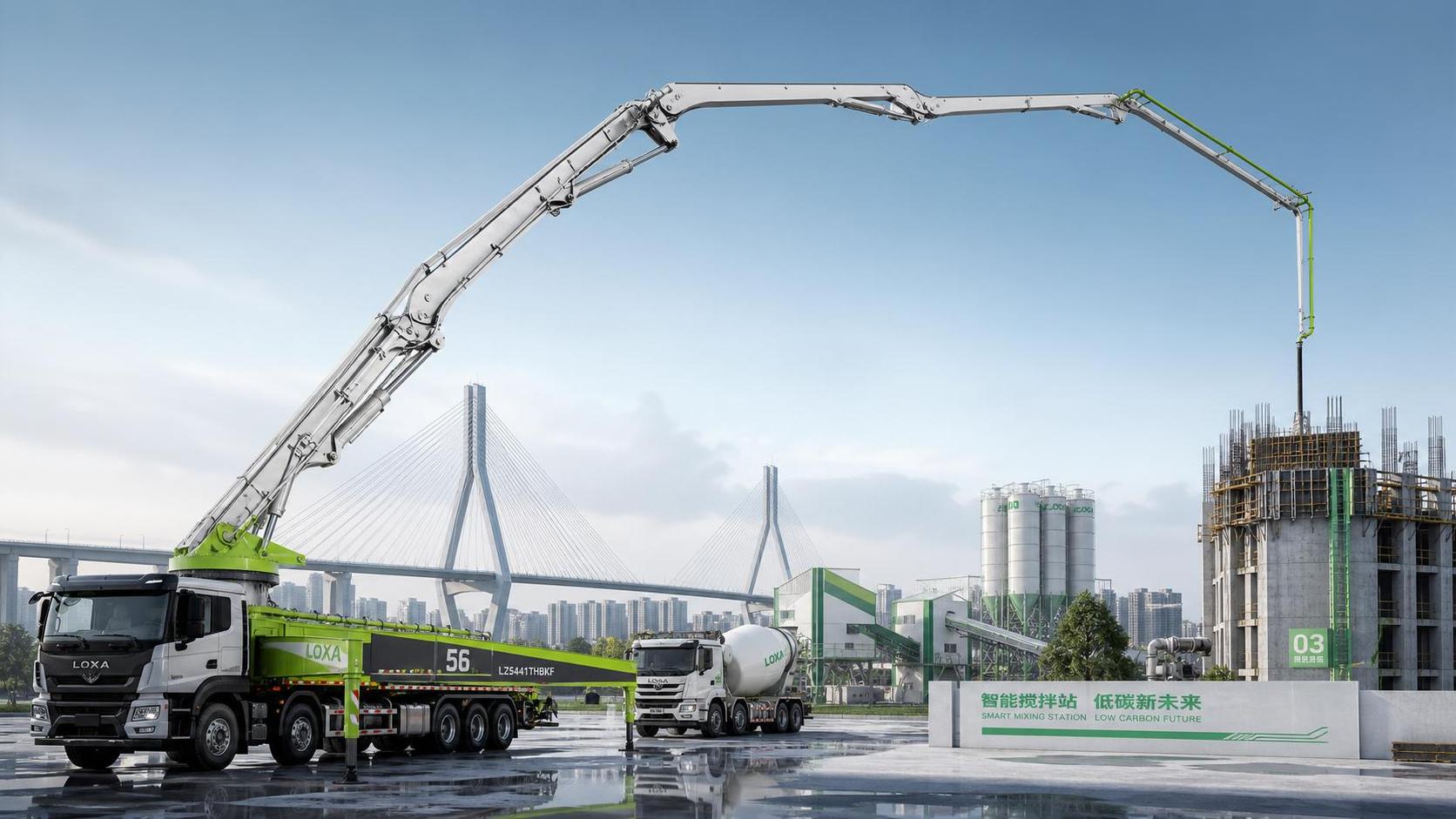
Concrete pumping has moved well beyond simple material transfer. For large buildings, transport corridors, energy facilities, and dense urban projects, concrete pumping advancements now shape how far concrete can travel, how fast crews can place it, and how safely schedules can hold under pressure.
That shift matters because reach and output are no longer isolated equipment metrics. They affect labor deployment, pour quality, fuel use, maintenance planning, and even the ability to qualify for demanding infrastructure tenders.
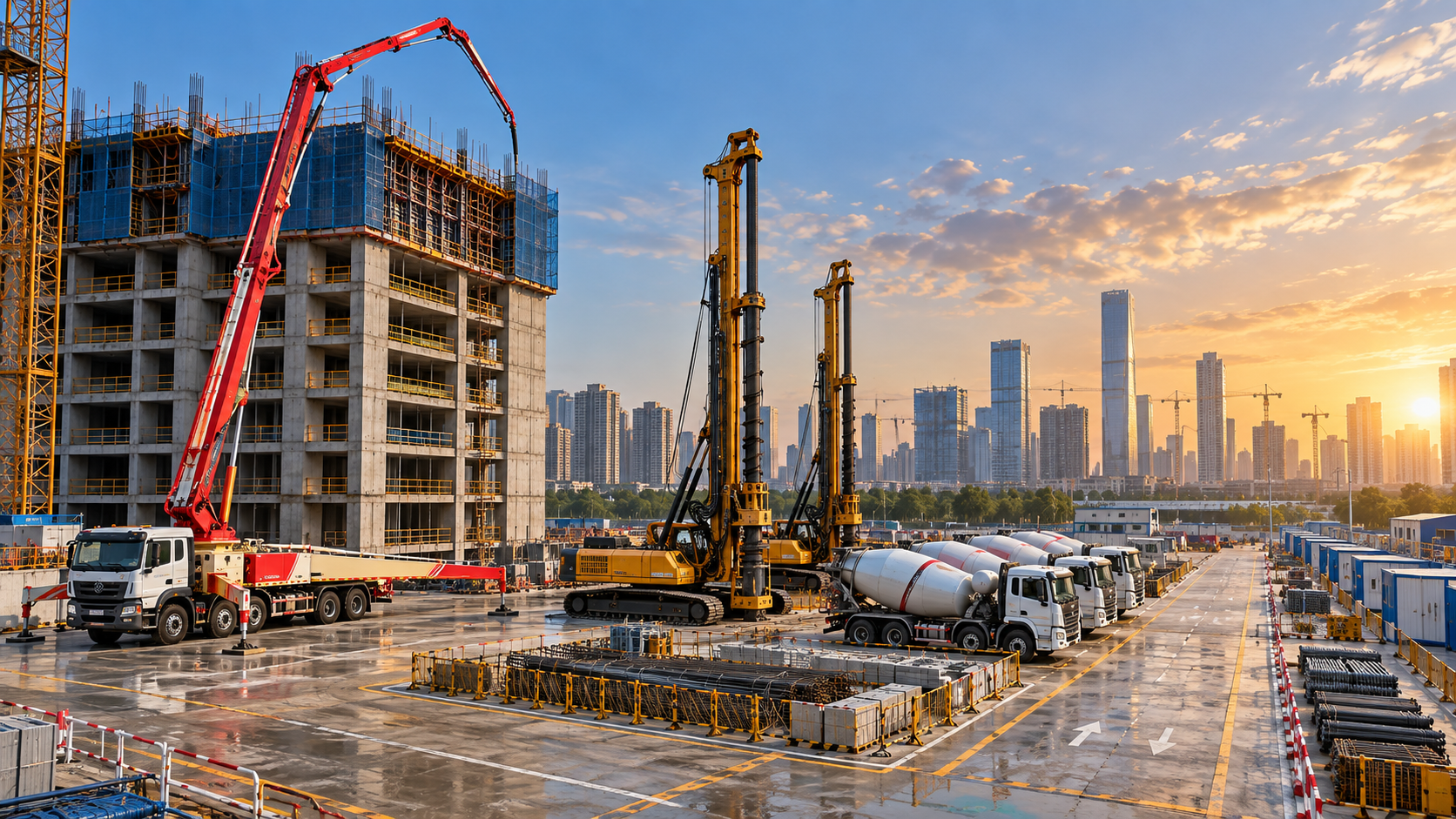
Viewed through the wider equipment ecosystem tracked by DFCS, the topic connects pump trucks, batching plants, mixer fleets, and deep foundation operations. In practice, better pumping performance depends on the coordination of the whole concrete delivery chain.
Why concrete pumping advancements are getting more strategic
The market is asking pumping systems to do more in less forgiving conditions. Taller structures, tighter sites, stricter emissions rules, and shorter pour windows are pushing machines toward higher precision rather than just higher power.
In earlier project cycles, selection often focused on boom length and peak output. Today, decision quality depends more on controllability, stability, wear behavior, digital monitoring, and compatibility with modern concrete mixes.
This is where concrete pumping advancements become commercially relevant. A pump that maintains flow under variable slump, reduces line blockages, and supports low-carbon operations can protect both margins and reputation.
What the latest advances actually include
The phrase covers several linked improvements rather than one breakthrough. Some are mechanical, some hydraulic, and some increasingly software-driven.
Smarter boom control
Ultra-long booms create reach, but they also introduce vibration, sway, and positioning error. New control systems use refined damping logic and smoother multi-section coordination to hold placement accuracy under real site conditions.
The result is not only operator comfort. It also reduces rework near formwork, congested reinforcement zones, and narrow casting faces.
Higher-pressure delivery systems
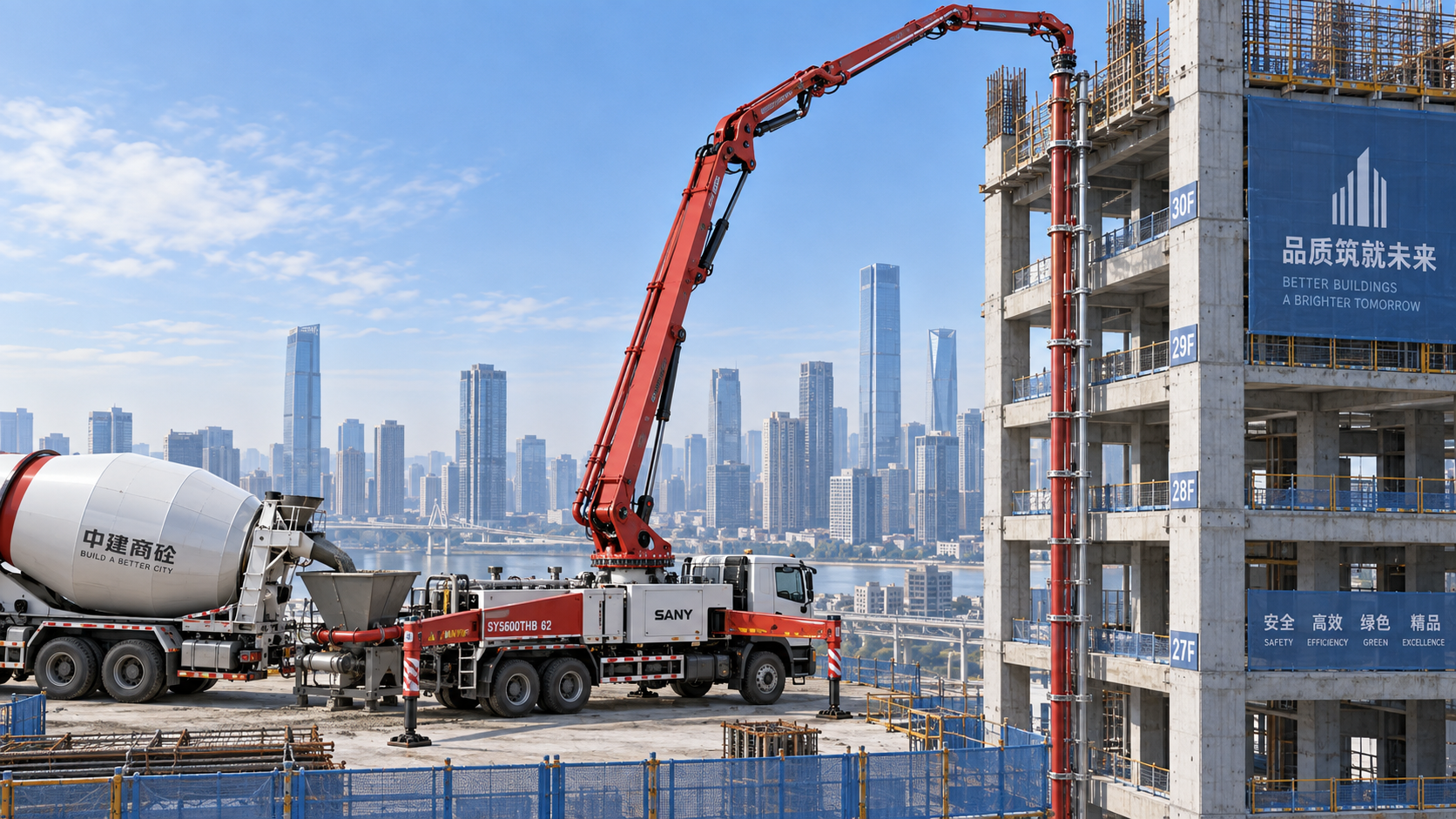
Higher line pressure allows concrete to move farther vertically and horizontally. This is critical for high-rise work, tunnel segments, bridge decks, and remote placement points where access is limited.
However, pressure alone is not enough. The real gain comes from stable pressure curves, durable wear parts, and valves designed for abrasive mixes.
Digital sensing and fleet intelligence
Modern pumps increasingly capture pressure, stroke behavior, hydraulic temperature, fuel or energy consumption, and maintenance signals. That gives contractors earlier warning of wear, inconsistent feed, or developing blockage risk.
For DFCS-style equipment intelligence, this matters because pumping performance should be read alongside batching accuracy, mixer arrival timing, and site logistics. Output losses often begin upstream.
Low-carbon and electrified operation
A growing share of concrete pumping advancements supports cleaner jobsite operation. Electric or hybrid drives, optimized hydraulic efficiency, and reduced idle time help projects meet environmental requirements without sacrificing productivity.
That trend is especially relevant in urban zones, enclosed sites, and public projects where emissions, noise, and community disruption are under close review.
Reach and output depend on the full system
A pump truck cannot outperform poor material preparation. One of the most overlooked points in discussions about concrete pumping advancements is that pumping success starts at the batching plant.
Accurate aggregate grading, stable moisture control, and consistent admixture dosing directly influence pumpability. Fully enclosed smart batching plants with precise IoT weighing reduce variability that later appears as unstable pressure or line separation.
Mixer trucks also matter. If drum rotation, transport timing, or temperature control slips, the pump inherits a harder job. In that sense, output is not created at the boom tip alone; it is protected across the delivery chain.
Where the business value shows up first
The most visible benefit is faster placement. Yet the deeper value often appears in fewer interruptions, lower wear cost per cubic meter, and more predictable daily production.
For projects with difficult access, concrete pumping advancements can reduce crane dependence and secondary handling. That saves time, lowers congestion, and improves workflow around reinforcing, formwork, and finishing crews.
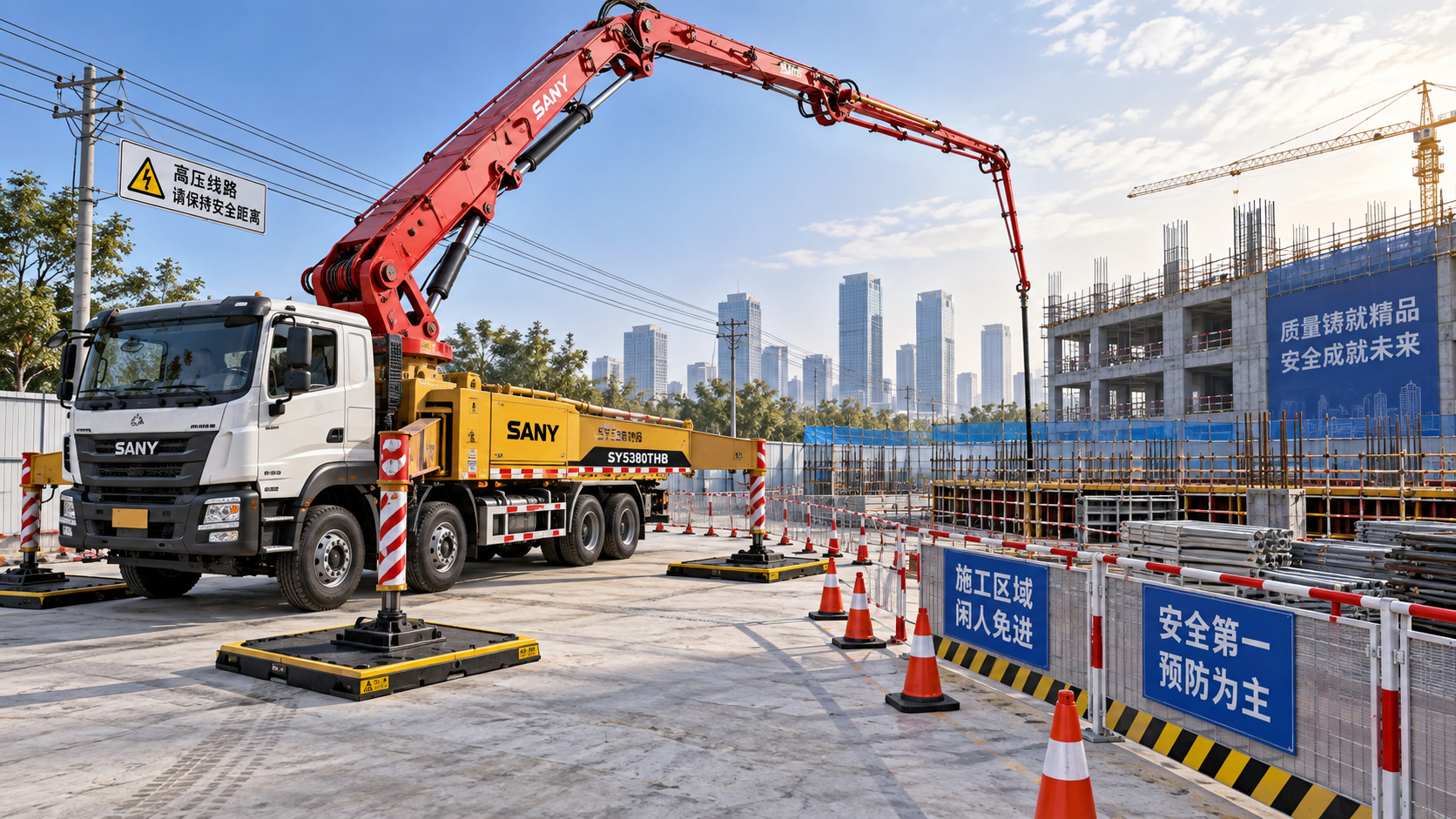
There is also a risk dimension. More stable delivery means fewer sudden surges, less manual correction near the hose end, and better control when pouring at height or around deep excavation edges.
On major infrastructure work, these factors influence bid competitiveness. Buyers and project owners increasingly look for evidence that equipment can support schedule certainty, emissions compliance, and reliable lifecycle performance.
Typical project settings where these advances matter most
Not every site needs the same type of improvement. The useful question is which operational constraint is limiting output today.
- High-rise construction benefits from longer vertical reach, anti-sway control, and sustained pressure over long pipelines.
- Bridge, viaduct, and elevated deck work benefits from precise boom articulation and safe remote placement.
- Tunnel and underground structures need stable delivery through complex routing, often with demanding mix behavior.
- Dense urban sites value compact setup, lower noise, cleaner powertrains, and fewer delivery disruptions.
- Foundation and piling support pours rely on dependable flow where access, ground conditions, and sequence pressure are hard to control.
This last area deserves attention. Deep foundation work is closely linked to pumping performance because retaining walls, pile caps, barrettes, and tremie-related operations can punish weak coordination between drilling, batching, transport, and placement.
How to evaluate concrete pumping advancements in practice
A useful evaluation starts with job requirements, not brochure numbers. Maximum theoretical output may look attractive, but site value usually comes from stable output under specific mix, distance, and access conditions.
Key questions worth testing
- How does the pump perform with local aggregate shapes, supplementary cementitious materials, and lower-carbon mixes?
- What is the real output after setup, line priming, repositioning, and cleaning time?
- Which components absorb most wear, and how predictable is replacement planning?
- Can digital diagnostics integrate with fleet management or project reporting systems?
- Does the machine support stricter emissions, noise, and urban compliance requirements?
It is also wise to compare pumping data with upstream plant performance. If mix variability is high, investing only in the pump may hide the root problem rather than solve it.
What to watch in the next wave
The next stage of concrete pumping advancements will likely combine automation with stronger system integration. Expect more predictive maintenance, smarter energy management, and tighter links between batching software, dispatch timing, and pump controls.
There is also growing interest in how pumps handle greener concrete formulations. As material designs change, the ability to preserve output without excessive wear will become a sharper competitive divider.
For that reason, market observation should not stop at machine specifications. Intelligence from platforms such as DFCS is useful because it connects pump design trends with foundation methods, plant upgrades, regulatory pressure, and procurement standards across global projects.
A practical next step
The strongest decisions come from mapping current pouring bottlenecks against measurable system data. Start with actual reach limits, average placed volume per hour, blockage frequency, wear cost, and setup losses.
Then compare those findings with the latest concrete pumping advancements in boom control, pressure management, digital monitoring, and low-carbon operation. That creates a clearer basis for equipment selection, fleet renewal, or process redesign.
In a market where infrastructure complexity keeps rising, better pumping is no longer just a field efficiency issue. It is a broader operating decision tied to project confidence, technical credibility, and long-term output resilience.
Industry Briefing
Get the top 5 industry headlines delivered to your inbox every morning.