
Concrete Pumping Advancements Improving Reach, Stability, and Pour Quality

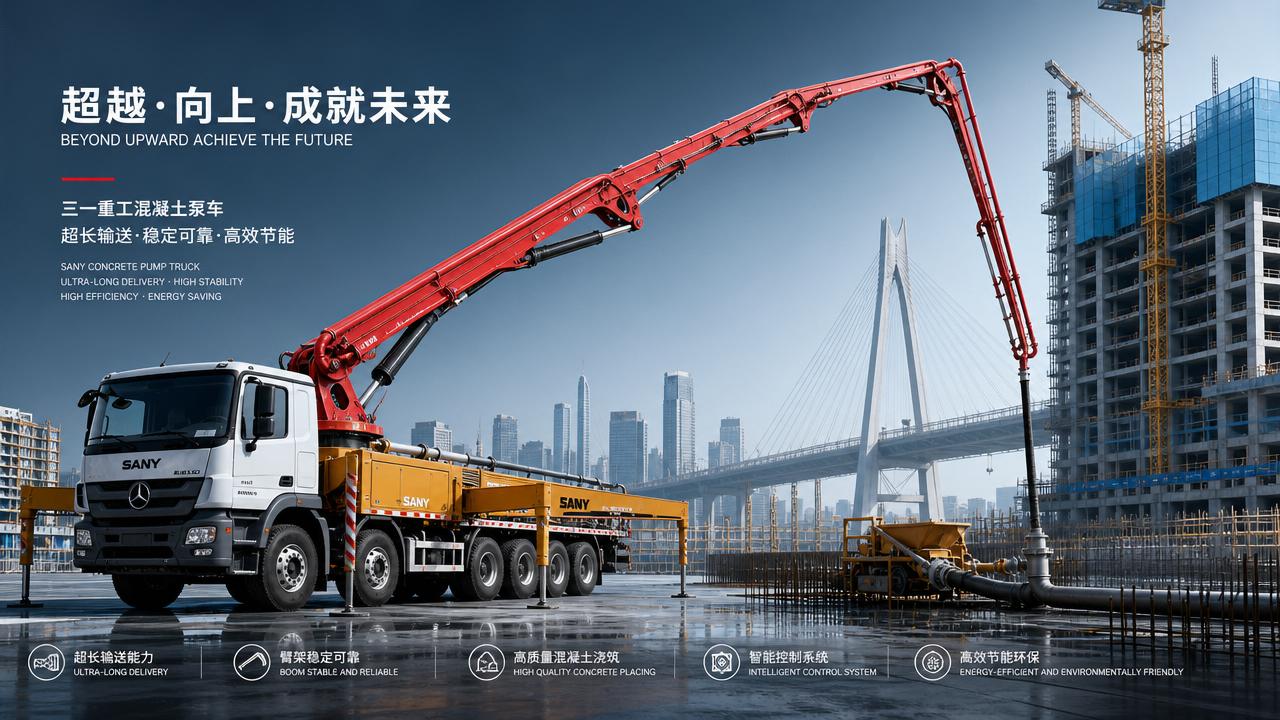
Concrete pumping advancements are changing how concrete delivery is judged on demanding sites. Reach still matters, but it is no longer enough. Stability under boom motion, control over pulsation, and the ability to protect mix quality during placement now shape real equipment value. In high-rise cores, bridge decks, tunnels, and deep foundation works, these improvements affect structural consistency, crew rhythm, and the reliability of the full concrete supply chain.
That shift is especially relevant in a market where concrete pump trucks, mixer fleets, batching plants, rotary drilling rigs, and piling machinery increasingly work as one connected system. From the perspective of DFCS, concrete pumping is not an isolated machine function. It sits between material preparation, transport timing, jobsite access, and the broader push toward low-carbon, automated mega-project delivery.
Why concrete pumping advancements matter now
Construction conditions are becoming less forgiving. Taller structures, tighter urban footprints, stricter emission rules, and more complex reinforcement layouts demand better pumping behavior than older systems can provide.
At the same time, concrete itself is changing. Low-carbon mixes, supplementary cementitious materials, recycled aggregates, and performance additives can alter flow behavior, pressure response, and segregation risk.
This is why concrete pumping advancements attract attention well beyond pump manufacturers. They influence batching strategy, mixer dispatch timing, pipeline design, and even the sequencing of deep foundation and superstructure work.
A practical view of modern pumping progress
In simple terms, concrete pumping advancements refer to engineering improvements that move concrete farther, more smoothly, and with less disruption to the material itself.
That includes hydraulic efficiency, smarter boom control, better pipe wear management, reduced pulsation, improved hopper feeding, and digital monitoring that turns machine data into operating decisions.
The strongest systems do not chase maximum output alone. They balance line pressure, delivery rate, boom motion, and mix behavior so that the concrete arriving at the end hose remains close to its intended performance.
Reach is no longer only about boom length
Longer booms and higher vertical reach remain headline metrics, but actual reach depends on more than geometry. Machine setup, outrigger footprint, boom stiffness, and control precision all shape usable reach.
Non-linear boom control and vibration damping are especially important on ultra-long booms. Without them, nominal reach may exist on paper, yet placement accuracy suffers during real pumping cycles.
This is one reason DFCS tracks the evolution of flexible vibration control. In practice, it helps the boom behave more predictably when the machine must place concrete at height or into restricted forms.
Stability protects both quality and safety
Boom stability is often discussed as a safety issue, which it is. Yet it also affects pour quality. Excessive oscillation can lead to inconsistent placement, interruption at the hose, and avoidable surface defects.
Advanced sensors, closed-loop hydraulic control, and smarter load management now reduce dynamic movement during extension, slewing, and repositioning. The benefit is a steadier hose and more controlled material discharge.
Pour quality starts inside the system
Concrete quality is not only decided at the batching plant. Pumping can change the condition of the mix through pressure fluctuation, line friction, overhandling, or delays at the hopper.
Modern material flow management addresses this through smoother valve action, more consistent cylinder exchange, anti-blocking logic, and better hopper agitation. These details reduce the chance of segregation and unstable discharge.
Where the biggest engineering gains are happening
Current concrete pumping advancements are concentrated in a few technical areas. Each one affects performance differently, so evaluating them in combination is more useful than looking at isolated specifications.
Among these areas, monitoring has become unusually important. A machine that records pressure spikes, wear trends, and pumping interruptions creates a more reliable basis for comparing equipment than brochure output alone.
How pumping performance connects with the wider equipment chain
Concrete pumping cannot be judged separately from batching and transport. If aggregate moisture control is weak, if dispatch intervals drift, or if the mixer waits too long, the pump inherits the problem.
This is why the DFCS view is useful. A pumping system performs best when the batching plant provides tight proportioning, the mixer truck preserves workability, and the jobsite sequence avoids unnecessary stop-start cycles.
The connection is even stronger on major foundation projects. Rotary drilling, piling, cage installation, tremie work, and structural pours often compete for space and schedule. Reliable pumping reduces friction between these operations.
Low-carbon mixes raise the evaluation standard
Green concrete targets are reshaping equipment assessment. Mixes with fly ash, slag, calcined materials, or alternative binders may respond differently under line pressure and long-distance transport.
As a result, concrete pumping advancements must be measured against actual mix families, not only standard reference materials. Pumpability, finish quality, pressure profile, and restart behavior should all be tested in realistic conditions.
Typical scenarios where improvements are most visible
The value of concrete pumping advancements appears differently depending on the jobsite. Some projects need extreme height. Others demand stable output through long horizontal lines or narrow access points.
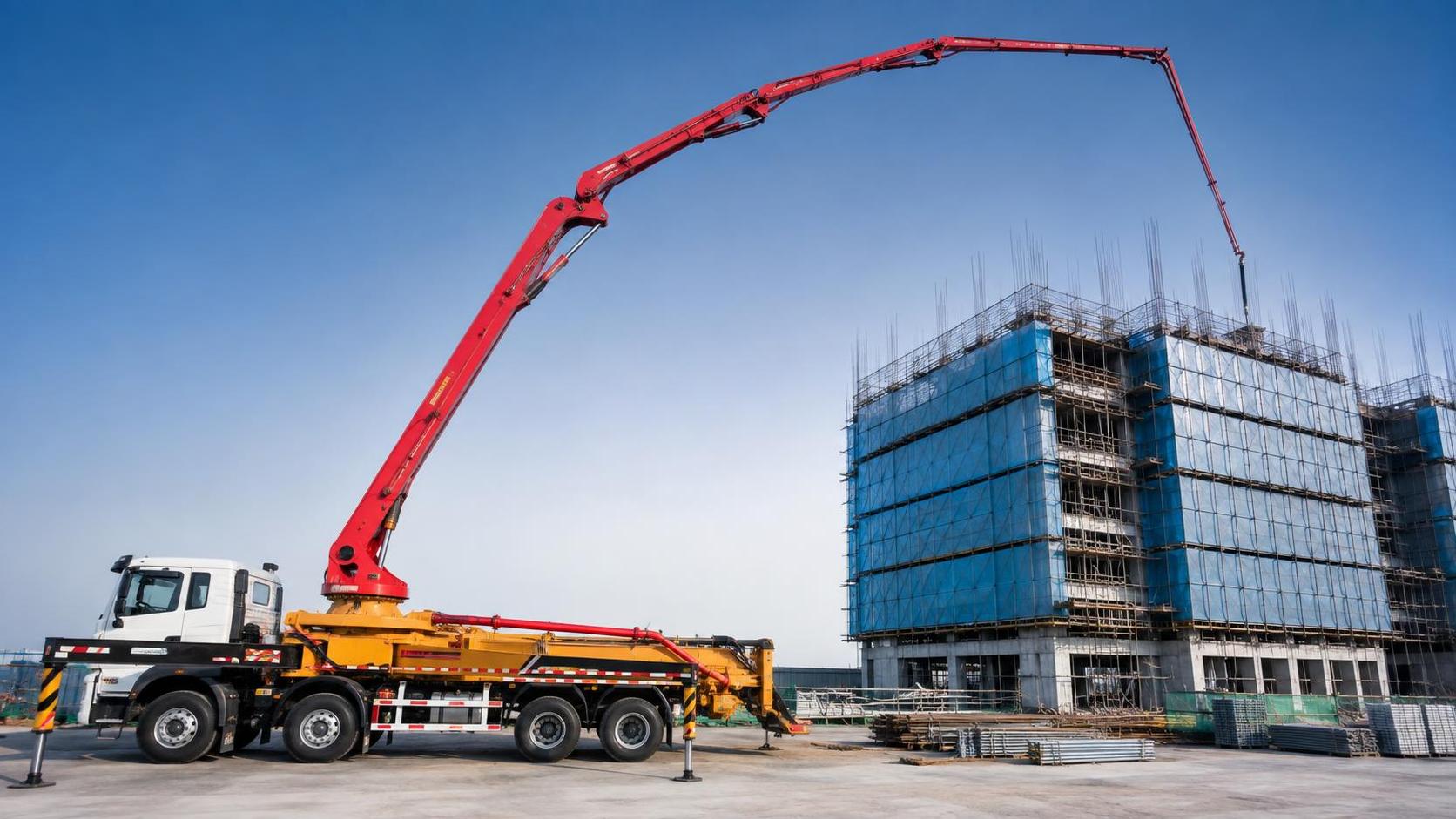
- High-rise construction relies on stable boom behavior, predictable pressure, and accurate end-hose placement near dense reinforcement.
- Bridge and infrastructure pours need continuity over long distances, especially where deck geometry or traffic management limits machine repositioning.
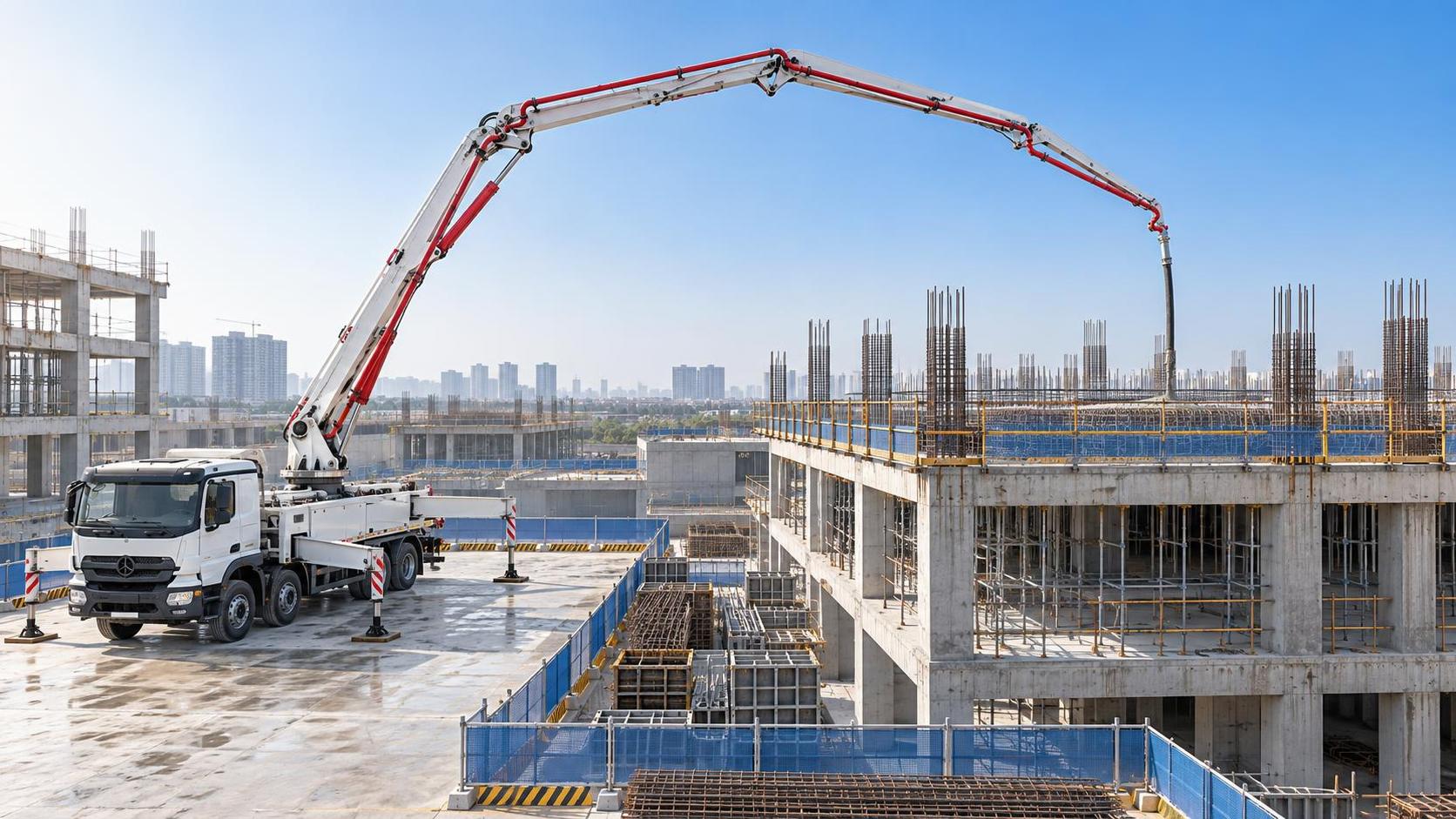
- Urban basements and confined sites benefit from compact setup, controlled boom articulation, and lower disruption around adjacent structures.
- Foundation and piling support works often require dependable pumping under muddy, irregular, and schedule-sensitive conditions.
- Tunnel and underground projects place more emphasis on line management, wear resistance, and restart reliability after temporary stoppages.
In each case, the best machine is not necessarily the largest one. It is the one whose pressure behavior, stability, and serviceability fit the actual operating envelope.
What to look for during technical evaluation
A useful assessment goes beyond reach charts and rated output. It asks how the machine behaves under variable mix conditions, site constraints, and extended duty cycles.
- Review pressure stability, not just peak pressure. Repeated fluctuation often reveals more than maximum numbers.
- Check boom damping performance during full extension and during repositioning between pour zones.
- Compare valve design, hopper feeding behavior, and anti-blocking strategies with the intended mix range.
- Ask for wear data on pipes, elbows, cylinders, and wear plates under similar aggregate and delivery conditions.
- Examine the monitoring interface. Useful systems present trend data, alerts, and maintenance indicators clearly.
- Consider energy pathway and compliance readiness, especially where zero-emission or noise restrictions are tightening.
It is also worth comparing how easily the pump integrates with dispatch data, batching records, and fleet management tools. Digital isolation usually leads to slower fault tracing and weaker lifecycle decisions.
From equipment selection to operational strategy
The most valuable concrete pumping advancements support better decisions before the machine arrives on site. They clarify which pipeline layout is realistic, which mixes carry risk, and which maintenance intervals should be tightened.
They also help standardize communication across the project chain. When batching, transport, pumping, and structural teams work from the same performance signals, interruptions become easier to prevent rather than merely react to.
For that reason, a strong next step is to build a project-specific comparison framework. Map target reach, line length, mix profile, stability expectations, wear exposure, and digital reporting needs. Then compare available systems against those criteria, not against generic marketing claims. That approach turns concrete pumping advancements into a measurable selection advantage rather than a vague technology trend.
Industry Briefing
Get the top 5 industry headlines delivered to your inbox every morning.