
Concrete Pumping Technology for Smoother Booms

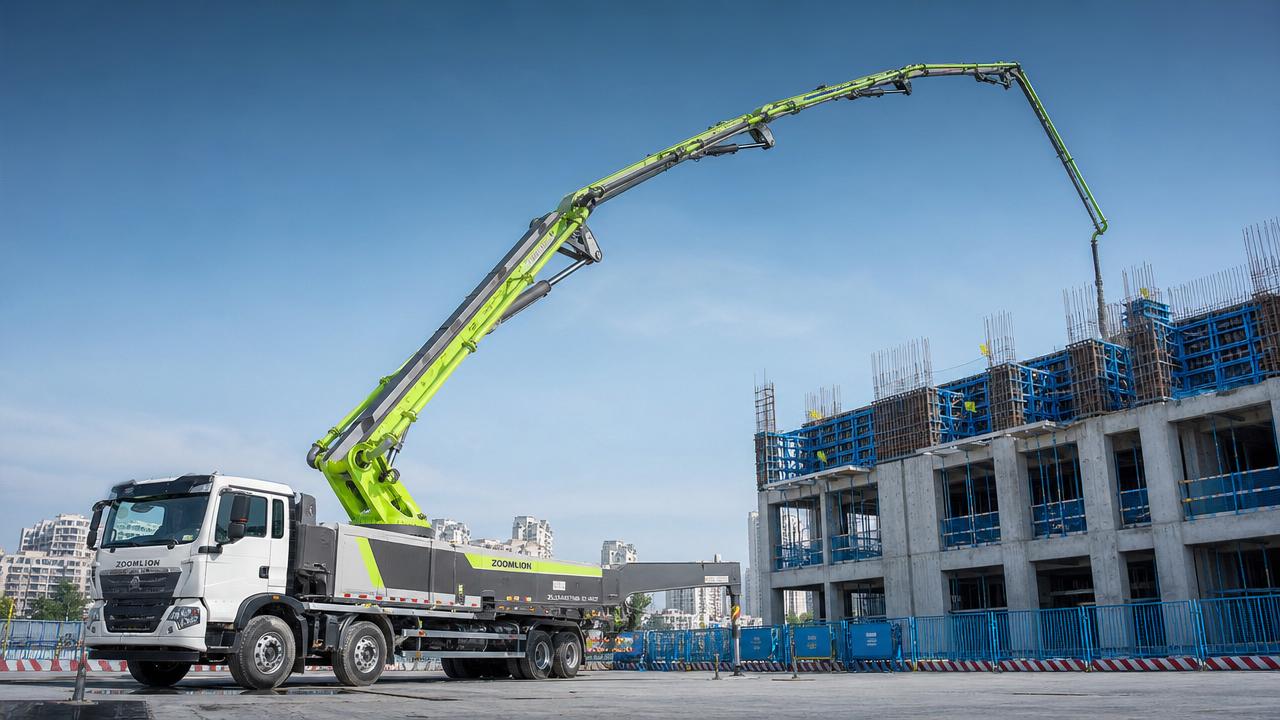
Concrete Pumping Technology for Smoother Booms
Boom smoothness is no longer only an operator comfort issue. It now reflects structural control, hydraulic response, placement accuracy, and lifecycle reliability.
As projects grow taller, denser, and faster, concrete pumping technology is becoming central to safe and predictable concrete delivery.
High-rise towers, bridges, tunnels, and confined urban sites demand lower vibration, steadier placement, and tighter control during every pour.
This shift is pushing smarter damping algorithms, adaptive hydraulics, sensor feedback, and lightweight boom structures into mainstream equipment design.
Boom Stability Is Becoming a Measurable Performance Standard
Modern concrete pumping technology is judged by more than maximum output, vertical reach, or theoretical pressure capacity.
The new benchmark is how smoothly a boom moves under changing load, variable slurry behavior, and uneven site conditions.
A smoother boom reduces endpoint oscillation, improves hose control, and lowers the risk of over-correction during difficult placement work.
It also supports more consistent layer thickness, especially in columns, shear walls, bridge decks, and complex formwork zones.
For DFCS, this trend connects hydraulic machinery, structural fatigue, digital sensing, and low-carbon construction efficiency into one technical field.
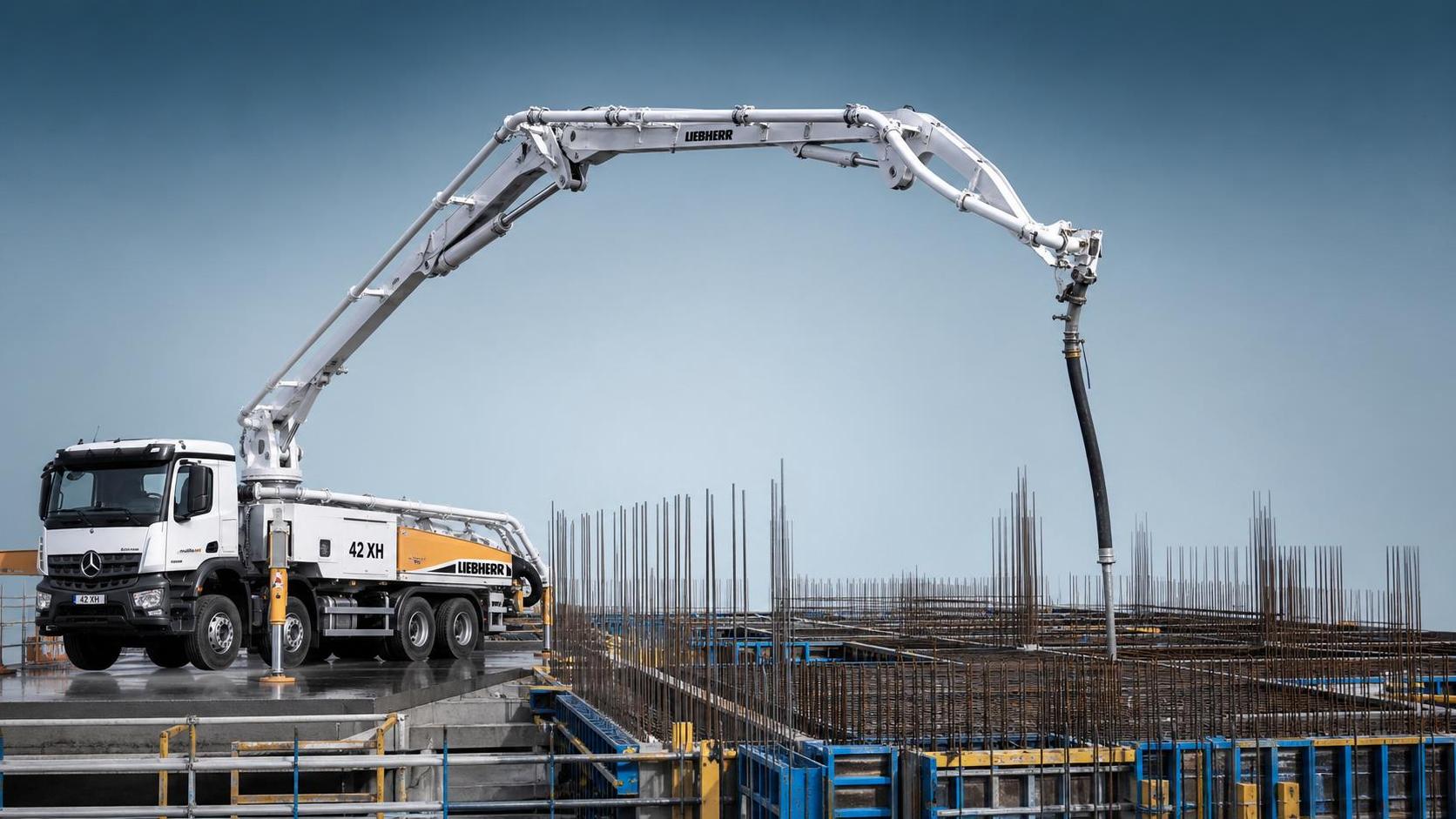
Concrete pump trucks are becoming controlled motion platforms, not only powerful delivery machines challenging gravity on modern jobsites.
Trend Signals Shaping Concrete Pumping Technology
Several visible signals show why concrete pumping technology is moving toward smoother, more intelligent boom operation.
- Ultra-long booms require better vibration suppression at greater horizontal and vertical extensions.
- Urban construction needs quieter, safer, and more predictable motion near people and existing structures.
- High-strength concrete mixtures create harder pumping conditions and more pressure fluctuation.
- Digital fleets need measurable data for maintenance, productivity, and safety verification.
- Emission regulations encourage energy-efficient pumping cycles and smarter hydraulic power use.
These signals show that concrete pumping technology is entering a phase defined by control quality, not only mechanical size.
Boom smoothness is therefore becoming a practical indicator of machine maturity, field reliability, and long-term asset value.
Why Smoother Booms Are Now Technically Necessary
The push for smoother booms is not cosmetic. It comes from concrete behavior, structural dynamics, and construction risk management.
Concrete pumping technology responds to these forces through integrated control, rather than isolated upgrades to pumps or booms.
The strongest systems coordinate boom movement, cylinder pressure, valve timing, and sensor feedback in real time.
Adaptive Hydraulics Are Redefining Pump Response
Hydraulic behavior is one of the most important foundations of smoother boom performance.
Traditional systems often relied on operator experience and fixed control logic to manage sudden flow and pressure changes.
New concrete pumping technology uses adaptive hydraulic control to soften pressure spikes and reduce boom excitation.
Variable displacement pumps, proportional valves, and refined switching strategies make the pumping cycle less abrupt.
When the concrete mixture becomes more viscous, the system can adjust flow behavior before instability becomes visible.
This improves delivery continuity, reduces mechanical shock, and protects vulnerable joints during extended high-pressure work.
In advanced concrete pumping technology, hydraulic response is increasingly treated as a controlled vibration source.
Damping Algorithms Are Moving from Optional to Essential
Boom damping has become a decisive feature in modern concrete pump truck development.
Long and lightweight boom structures naturally produce nonlinear vibration under movement, wind, and pumping pulses.
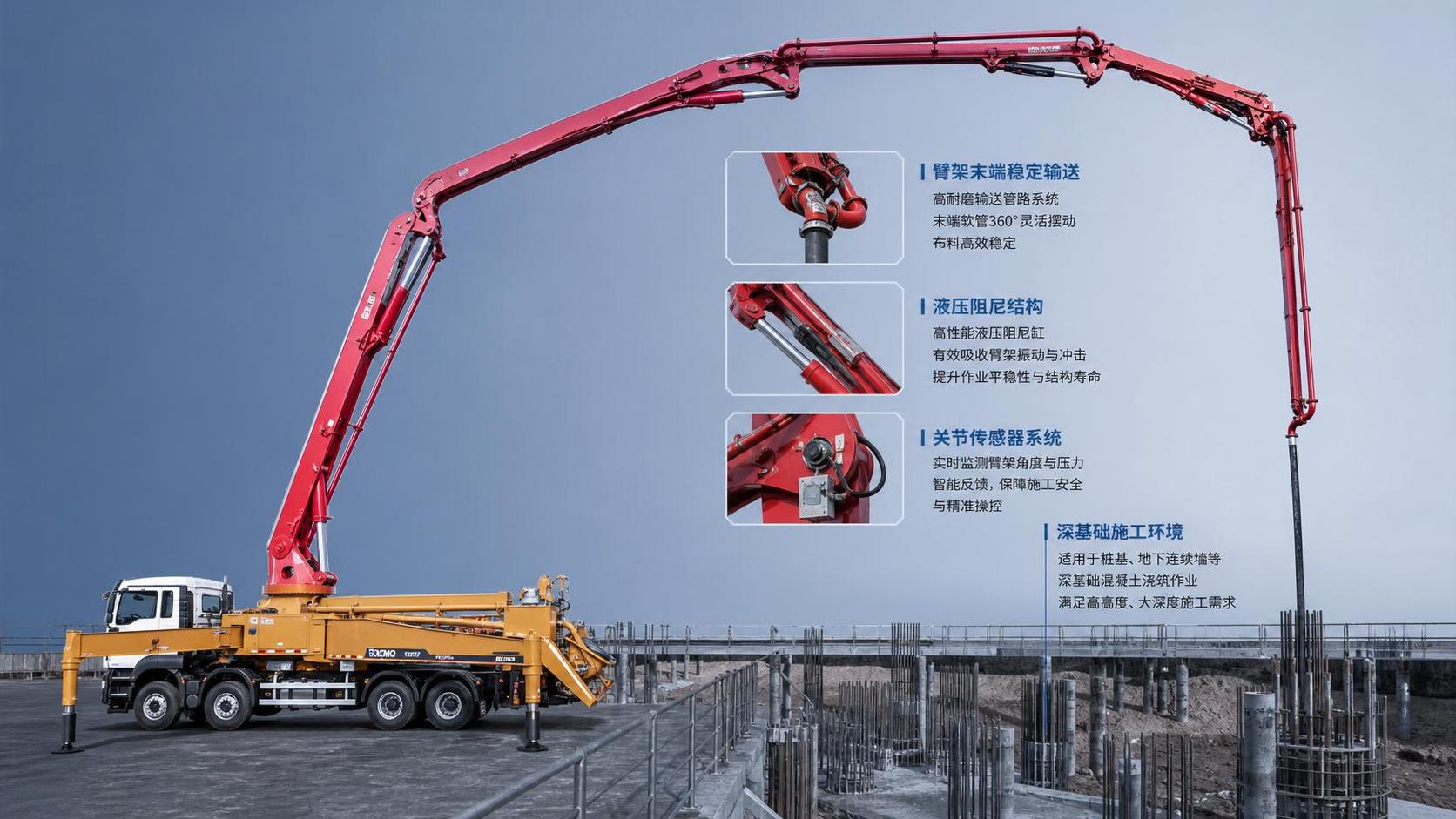
Advanced concrete pumping technology uses software algorithms to detect oscillation and adjust actuator behavior accordingly.
This creates a more stable endpoint and reduces the need for constant manual correction.
The most valuable damping systems combine model-based prediction with real-time sensor data from the boom structure.
They do not simply slow movement. They guide motion through smoother acceleration and deceleration curves.
As automation increases, damping algorithms will become a core layer of concrete pumping technology architecture.
Sensor Feedback Is Turning Boom Motion into Data
Sensorization is changing how boom smoothness is monitored, diagnosed, and improved.
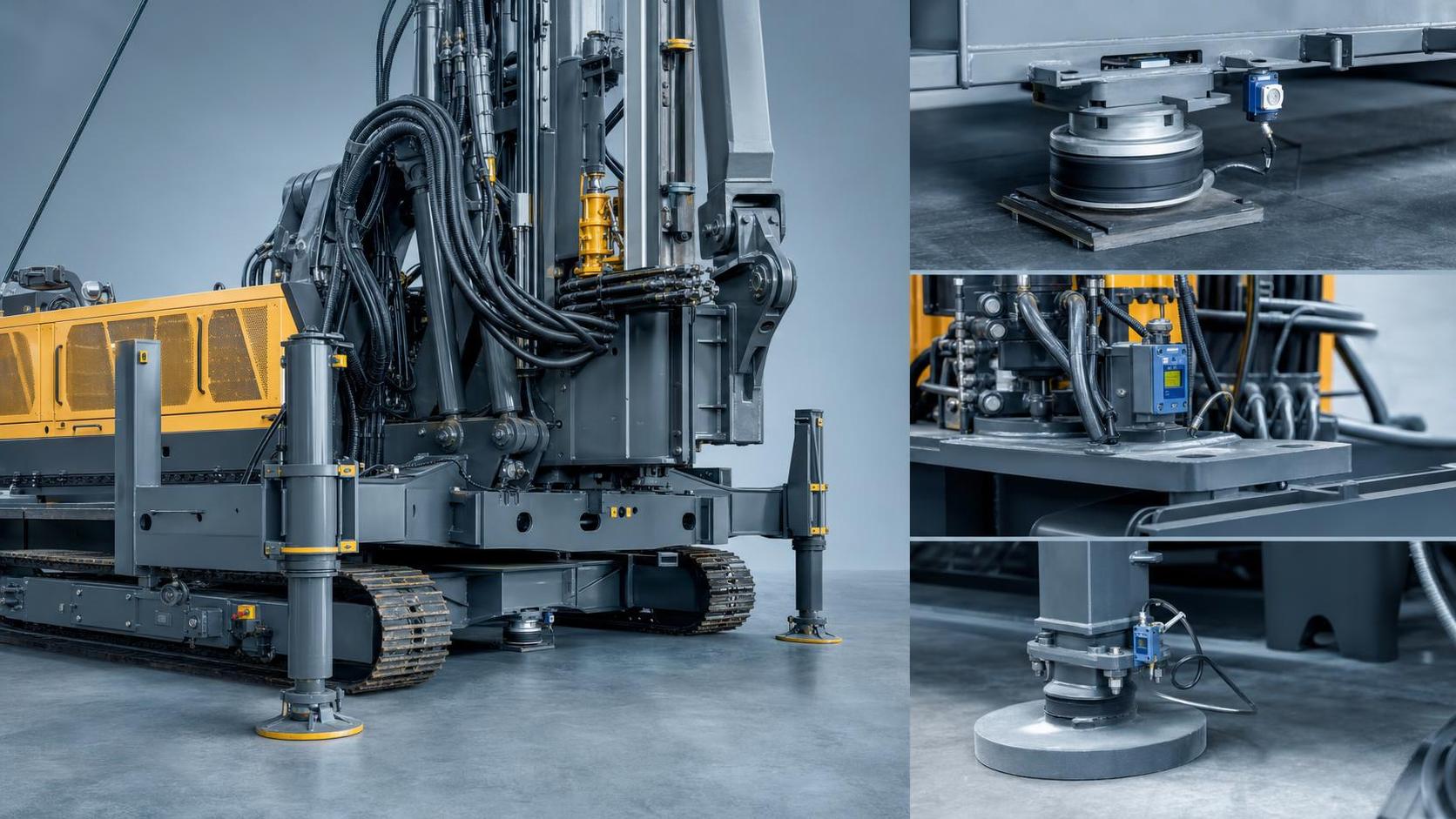
Pressure sensors, angle sensors, strain gauges, accelerometers, and flow monitoring devices now support closed-loop control.
With this data, concrete pumping technology can identify abnormal vibration patterns before they cause visible placement problems.
Sensor feedback also helps separate operator input, hydraulic instability, boom resonance, and concrete flow resistance.
That distinction is important for maintenance planning and equipment comparison across different projects.
Data-driven concrete pumping technology supports condition-based maintenance, reducing unplanned downtime and unnecessary component replacement.
It also creates a technical record for fleet optimization, safety review, and future machine design.
Lightweight Boom Design Must Balance Strength and Control
Lightweighting is a powerful trend, but it introduces new control challenges.
Reducing boom weight improves reach, energy efficiency, chassis compatibility, and transport flexibility.
However, lighter structures may be more sensitive to vibration, fatigue, and dynamic loading.
Therefore, concrete pumping technology must combine material engineering with advanced motion control.
High-strength steel, optimized cross-sections, finite element analysis, and weld quality control all influence boom smoothness.
The best designs are not only lighter. They are dynamically predictable under real pumping loads.
This is where mechanical design and intelligent concrete pumping technology must evolve together.
Impacts Across Construction and Equipment Operations
Smoother boom performance affects multiple parts of the construction value chain.
For concrete placement, it improves hose stability, reduces spillage, and supports more consistent finishing quality.
For equipment operation, it lowers fatigue stress on boom sections, pins, cylinders, and support structures.
For safety management, smoother motion reduces unexpected swing and improves control in congested urban environments.
For sustainability goals, efficient concrete pumping technology can reduce idle time, rework, waste, and excess energy consumption.
- Better placement accuracy supports thinner tolerances and cleaner formwork results.
- Lower vibration helps extend boom service life and reduce repair frequency.
- Stable pumping improves coordination with batching plants and mixer truck deliveries.
- Recorded performance data strengthens lifecycle evaluation and equipment selection.
Key Points to Watch in the Next Upgrade Cycle
The next generation of concrete pumping technology will likely focus on integrated smoothness, automation, and emissions performance.
- Closed-loop boom control: Systems will adjust movement using live vibration and pressure data.
- Predictive fatigue models: Digital records will estimate structural wear from actual duty cycles.
- Energy-aware hydraulics: Pumping output will be balanced with fuel or battery efficiency.
- Mixture-adaptive pumping: Control systems will respond to changing workability and resistance.
- Remote diagnostics: Fleet platforms will detect instability trends across machines and sites.
These priorities show how concrete pumping technology is moving closer to intelligent construction robotics.
The most competitive machines will combine high reach, strong pressure, and quiet dynamic behavior.
Practical Judgement Framework for Smoother Boom Decisions
Evaluating smoother booms requires more than checking sales specifications.
A practical framework should connect field performance, maintenance data, and digital control capability.
This approach keeps concrete pumping technology assessment grounded in real operating conditions.
It also helps avoid decisions based only on boom length or rated pumping capacity.
From Smoother Booms to Smarter Construction Systems
Boom smoothness will increasingly connect pump trucks with batching plants, mixer trucks, and project scheduling platforms.
When concrete consistency, delivery timing, and pump behavior are coordinated, placement becomes more predictable.
This is where concrete pumping technology supports broader digital construction systems.
Batching plants can provide mixture data, mixer trucks can share transit conditions, and pumps can adjust operating parameters.
The result is a more stable concrete supply chain with fewer surprises at the point of placement.
For mega-projects, this integration can reduce delay risk and improve confidence in continuous pour execution.
Action Direction: Build a Data-Led Smoothness Strategy
The next step is to treat boom smoothness as a managed performance target.
Start by recording vibration, pressure, maintenance events, and placement quality across different projects and concrete mixes.
Compare machines under similar duty cycles, not only through catalog specifications or isolated demonstrations.
Prioritize concrete pumping technology that provides adaptive hydraulics, reliable damping, accessible diagnostics, and verifiable structural durability.
DFCS will continue tracking how smoother booms reshape pump truck engineering, lifecycle economics, and green construction performance.
Visioning deep foundations, intelligence casting the future begins with measurable control, safer placement, and smarter concrete pumping technology.
Industry Briefing
Get the top 5 industry headlines delivered to your inbox every morning.