
Concrete Technology Advancements Reshaping Batching Accuracy

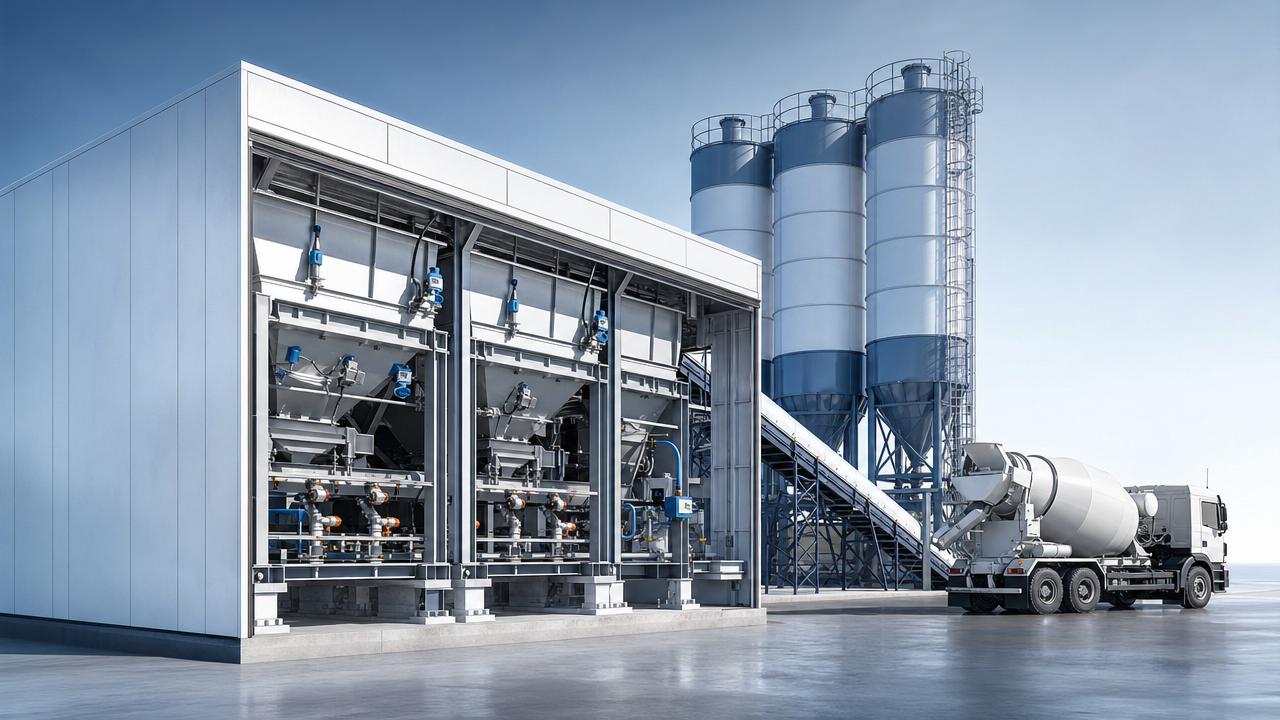
Concrete technology advancements are redefining how technical evaluators judge batching accuracy, from IoT-enabled weighing systems and automated moisture correction to closed-loop mix control and low-carbon material optimization. As infrastructure projects demand tighter strength tolerances, cleaner production, and verifiable data trails, batching plants are becoming intelligent quality-control hubs rather than simple material feeders. This article examines the innovations reshaping precision, reliability, and compliance across modern concrete production.
Why Batching Accuracy Has Become a Technical Evaluation Priority
For technical evaluators, batching accuracy is no longer a narrow weighing issue. It affects structural strength, pumpability, carbon reporting, delivery predictability, and dispute resolution.
Concrete technology advancements now connect plant control rooms with mixer fleets, pump trucks, laboratory results, and project quality records. This changes how equipment is shortlisted.
The shift from mechanical dosing to data-confirmed production
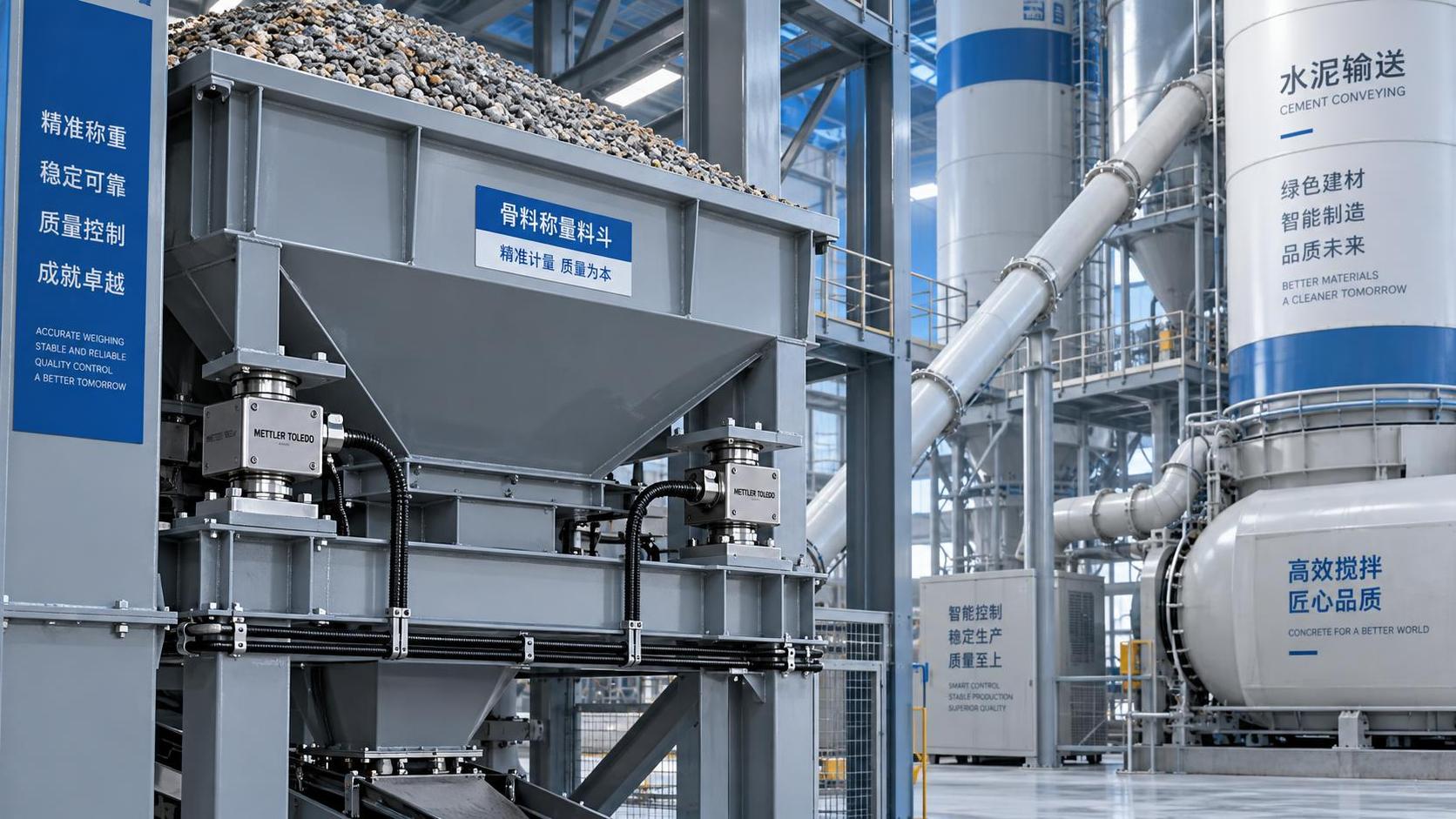
Traditional batching relied on calibrated scales, operator discipline, and periodic laboratory checks. Modern plants use sensor feedback to correct deviations before they become rejected loads.
DFCS observes this shift across concrete batching plants, mixer trucks, pump trucks, rotary drilling rigs, and piling machinery, where production data increasingly supports construction decisions.
- Strength tolerance is tightening as high-rise cores, bridges, tunnels, and deep foundation caps require more predictable concrete performance.
- Pumping distance and vertical height make slump retention, aggregate grading, and admixture dosing more sensitive to batching error.
- Low-carbon concrete mixes often use supplementary cementitious materials, making moisture, binder ratio, and mixing sequence harder to control.
- Public projects increasingly expect traceable records for raw materials, batch tickets, calibration history, and environmental controls.
The practical question is not whether a plant can batch concrete. It is whether it can prove stable accuracy under changing materials and site pressure.
Which Concrete Technology Advancements Actually Improve Precision?
Many suppliers promote automation, but evaluators need to separate useful control layers from decorative dashboards. The following advancements directly influence batching accuracy.
Concrete technology advancements become valuable when they reduce variation, speed up correction, and create evidence that survives audit, warranty review, or project claims.
The table shows why accuracy depends on a system, not one sensor. Evaluators should inspect weighing, moisture, software, maintenance, and data governance together.
A practical inspection sequence
- Start with material behavior, including aggregate moisture range, cement replacement ratio, admixture sensitivity, and required slump retention.
- Review the dosing architecture, especially whether independent scales are used for high-risk ingredients such as admixtures.
- Test alarm response by simulating overweight, underweight, delayed discharge, and sensor communication interruption.
- Confirm whether batch data can be exported for laboratory correlation, project reporting, and long-term equipment benchmarking.
Where Accuracy Fails in Real Construction Scenarios
Accuracy failures rarely appear in ideal demonstrations. They emerge during peak delivery windows, material changes, hot weather, night shifts, and congested urban jobsites.
Concrete technology advancements should therefore be evaluated against operating scenarios, not only factory specifications. This is especially important for mega-civil engineering projects.
High-rise pumping and ultra-long boom delivery
When pump trucks deliver concrete hundreds of meters upward, small deviations in paste volume or aggregate grading can increase pressure and blockage risk.
DFCS tracks how batching plants and pump trucks interact as one production chain. Accurate batching protects hydraulic systems, boom stability, and placement continuity.
Deep foundation caps and piling works
Large pile caps and diaphragm wall concreting need consistent workability over extended placing periods. A drifting water ratio can create cold joints or segregation.
For rotary drilling rigs and piling machinery projects, the concrete plant must coordinate with excavation rhythm, reinforcement installation, tremie placement, and inspection windows.
Low-carbon concrete production
Low-carbon mixes may use fly ash, slag, limestone powder, calcined clay, or recycled aggregates. These materials can change water demand and early strength.
Concrete technology advancements help evaluators verify whether sustainability targets are achieved without sacrificing batching repeatability, compressive strength reliability, or pumpable consistency.
- Urban enclosed plants need dust control, noise reduction, wastewater management, and precise material accounting.
- Remote infrastructure sites need robust controls that tolerate unstable power, limited technicians, and variable aggregate sources.
- Marine and bridge projects need chloride control, durable mix design, and reliable records for long service-life requirements.
How Should Technical Evaluators Compare Batching Plant Solutions?
Procurement teams often compare capacity, price, and brand familiarity first. Technical evaluators should add precision architecture, maintainability, compliance readiness, and lifecycle data value.
The next table converts concrete technology advancements into decision criteria that are easier to score during supplier shortlisting and technical clarification meetings.
A smart precision plant may cost more initially, but the decision should consider rejected loads, cement overuse, delivery delays, and audit preparation workload.
Key procurement questions before accepting a proposal
- Does the proposal define accuracy for each material separately, including cementitious powders, aggregates, water, and liquid admixtures?
- Can the control system record manual overrides and explain why a batch was released outside target tolerance?
- Is the plant designed for the expected aggregate moisture variation, climate exposure, and production peak load?
- Will the supplier support commissioning tests using the buyer’s actual recipes rather than only standard demonstration mixes?
Technical Parameters That Deserve More Attention
Capacity in cubic meters per hour is important, but it can hide weak control performance. Evaluators should inspect parameters that govern repeatability.
Concrete technology advancements are most effective when hardware, software, and maintenance routines are selected for the same production tolerance target.
These parameters connect directly to quality risk. They also make supplier comparisons more objective when budgets are tight and delivery schedules are compressed.
Compliance, Standards, and Evidence Trails for Modern Batching
Technical evaluators should treat compliance as a design requirement. Accuracy claims need support from documented calibration, material traceability, and controlled production procedures.
Depending on region and project type, references may include concrete production specifications, ISO-based management systems, environmental rules, and national construction codes.
What evidence should be available?
- Calibration certificates and procedures for weighing systems, moisture probes, flow meters, and admixture dosing equipment.
- Batch records showing target weight, actual weight, deviation, correction action, operator identity, and production timestamp.
- Material lot information for cement, aggregates, mineral additions, admixtures, recycled water, and low-carbon binders.
- Environmental control records covering dust collection, wastewater reuse, enclosed transfer points, and noise-related measures.
Concrete technology advancements make this evidence easier to collect, but evaluators must confirm that data is complete, exportable, protected, and accepted by stakeholders.
Avoid confusing dashboard visibility with compliance readiness
A colorful interface does not guarantee audit value. Records must be structured, time-stamped, retained, and linked to delivered concrete and testing results.
For mega projects, the strongest systems connect plant production with site acceptance, laboratory results, truck arrival time, and corrective action history.
Cost, Risk, and Alternative Upgrade Paths
Not every operation needs a completely new plant. Some producers can improve batching accuracy through targeted retrofits and better quality-control workflows.
The right path depends on existing equipment age, control architecture, environmental constraints, production volume, mix complexity, and customer documentation requirements.
When retrofit makes sense
Retrofit is practical when the mechanical structure remains sound, but weighing accuracy, moisture correction, or reporting capability limits project acceptance.
Common upgrades include new load cells, probe relocation, admixture dosing pumps, control software, dust collectors, and digital batch record modules.
When replacement is more defensible
Replacement may be justified when foundations, silos, mixers, electrical systems, or environmental enclosures cannot support stable production or future compliance.
For urban low-carbon concrete hubs, fully enclosed smart batching plants can reduce permitting friction while improving material control and site image.
- Choose retrofit when the main risk is measurement, reporting, or operator workflow rather than mechanical degradation.
- Choose replacement when environmental compliance, production capacity, and automation architecture all require major changes.
- Use phased investment when budget is limited but future tender requirements already demand stronger traceability.
FAQ: Practical Questions About Concrete Technology Advancements
The following questions reflect common concerns from technical evaluators who must balance accuracy, delivery pressure, certification demands, and project budget limits.
How do concrete technology advancements reduce rejected batches?
They detect deviation earlier. Moisture correction, automated weighing alarms, and closed-loop control reduce water-ratio drift before concrete leaves the plant.
They also create records that help engineers identify whether rejection came from batching, transport delay, temperature, admixture incompatibility, or site handling.
What should evaluators check first in an existing plant?
Start with scale calibration history, moisture correction method, admixture dosing stability, mixer condition, and whether actual batch deviations are logged.
If these areas are weak, production capacity alone will not protect quality, especially for pumpable mixes or low-carbon concrete recipes.
Are smart batching systems useful for smaller producers?
Yes, when customers require consistent documentation or when raw materials vary frequently. Smaller producers may begin with modular upgrades instead of full replacement.
The best starting point is usually automated moisture correction, improved admixture dosing, and digital records for project-specific batch traceability.
Can batching accuracy support low-carbon concrete adoption?
Yes. Low-carbon binders often respond differently to water, temperature, and mixing energy. Accurate dosing helps maintain strength while reducing unnecessary cement use.
Concrete technology advancements also help compare trial mixes, verify binder substitution, and document material choices for sustainability reporting.
Why Work With DFCS for Technical Evaluation and Market Intelligence?
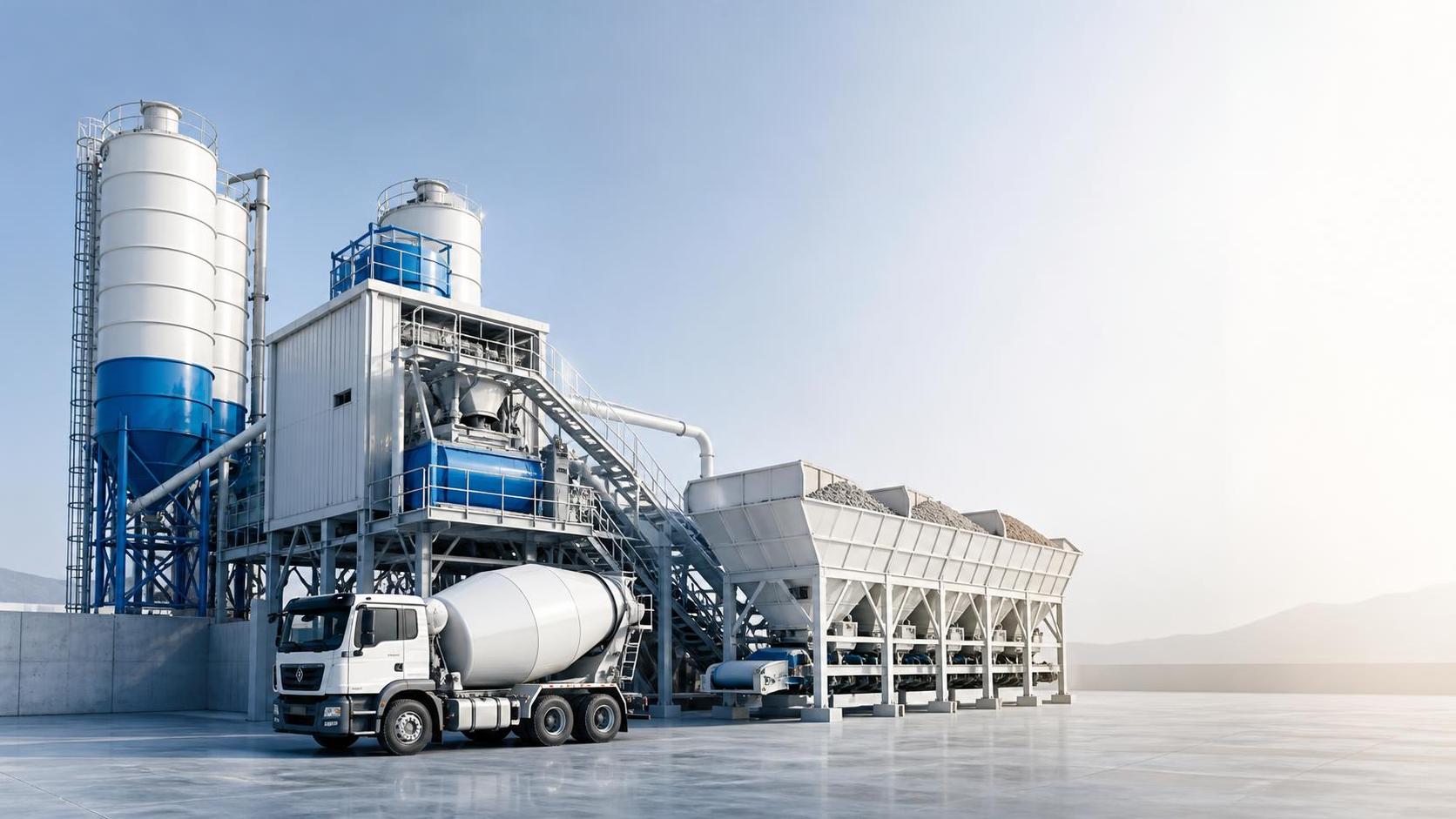
DFCS focuses on the machinery chain that shapes modern infrastructure: batching plants, pump trucks, mixer trucks, rotary drilling rigs, and piling machinery.
Our Strategic Intelligence Center connects concrete production precision with pumping pressure, foundation geology, low-carbon transition, and automated construction safety.
What you can discuss with DFCS
- Parameter confirmation for weighing systems, moisture probes, admixture dosing, mixer configuration, and enclosed environmental controls.
- Product selection logic for new batching plants, retrofit upgrades, low-carbon concrete production, and high-pressure pumping applications.
- Delivery-cycle assessment for projects requiring fast commissioning, phased installation, or coordination with foundation construction schedules.
- Certification and compliance review covering calibration evidence, batch traceability, emission control, and project documentation requirements.
- Quotation communication support based on technical scope, required automation level, spare parts planning, and lifecycle maintenance assumptions.
Concrete technology advancements are reshaping procurement from price comparison to evidence-based technical judgment. DFCS helps evaluators ask sharper questions before capital is committed.
Contact DFCS to review batching accuracy requirements, compare upgrade paths, clarify compliance expectations, and build a practical shortlist for your next concrete production project.
Industry Briefing
Get the top 5 industry headlines delivered to your inbox every morning.